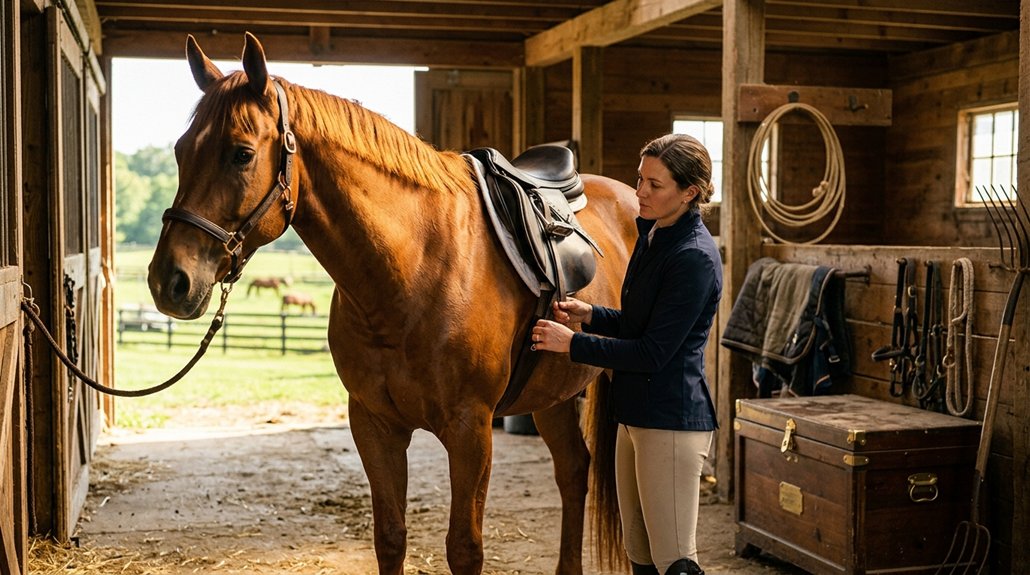
Deciding whether to lease or buy a horse depends on your financial situation, commitment level, and desired control. Leasing is budget-friendly, limiting financial exposure and offering flexible commitments, but it might leave you feeling less in control. Buying grants full autonomy and facilitates deeper bonds but demands significant financial and time investment. Consider your long-term goals and current riding skills. Understanding the nuances of both options could significantly impact your equestrian journey. Explore further insights to plan wisely.
Key Takeaways
- Leasing offers lower financial risks and flexibility, suiting those exploring horse ownership without a long-term commitment.
- Owning provides full control and stronger bonds but requires significant financial and time commitments.
- Leasing involves predictable costs and less risk, ideal for those avoiding unexpected veterinary expenses.
- Ownership allows personalized training and competition opportunities but can lead to financial strain and difficulties in horse resale.
- Emotional connection is deeper with ownership, while leasing offers temporary bonds, which can be emotionally challenging.
Leasing vs. Owning Horses: An Overview
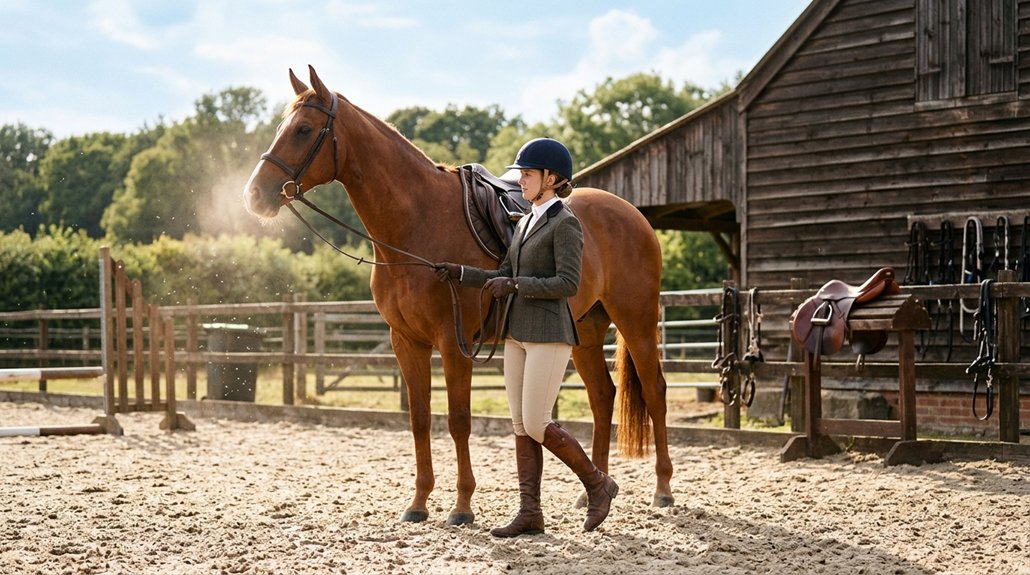
Whether you’re considering delving into the equestrian world or pondering over the practicality and commitment of horse ownership, understanding the differences between leasing and owning a horse is essential. Leasing considerations often center around lower financial responsibilities, with costs typically ranging from one-third to half of the horse’s value. This option also allows a flexible commitment period, perfect if you want to experiment with various horses without long-term obligations. However, it involves limited control compared to ownership, as lessees must adhere to the owner’s rules. Meanwhile, ownership responsibilities include complete autonomy over the horse’s care and training. Though it fosters a stronger bond, it demands significant time and financial investment, with potential for unexpected expenses. Each path has its unique appeal.
Key Factors in Deciding Between Leasing and Buying
While deciding between leasing and buying a horse, it’s important to weigh the financial implications and personal commitments each option requires. Leasing often comes with a lower initial outlay; for instance, half-leases can start at approximately $150 monthly, whereas purchasing demands significant upfront investment. Consider your skill level and riding experience as well—ideally, you should have at least a year of lessons before committing to a leased horse. Leasing duration varies, offering a chance to evaluate horse compatibility without permanent ownership. A full lease provides ample riding opportunities without lifelong responsibility. On the flip side, owning a horse grants you full control over care and training but comes with ongoing costs like board and veterinary services that can accumulate over time.
Pros of Leasing a Horse
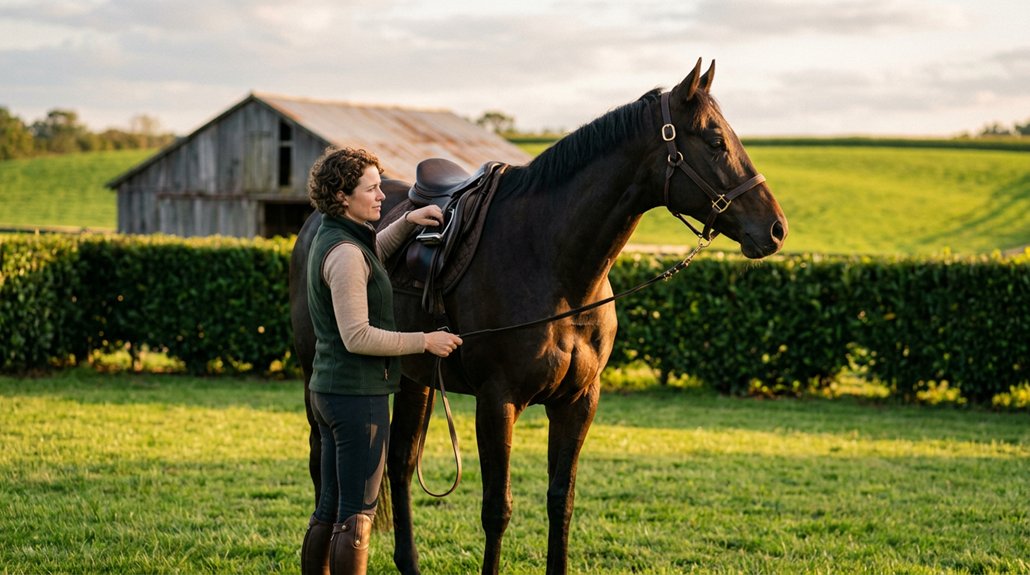
Leasing a horse offers you a flexible commitment that allows for a lower financial stake compared to purchasing. You can enjoy the benefits of riding without the full weight of ownership, especially through arrangements like half-leasing, where costs are shared and you can ride several times a week. This not only provides a cost-effective way to experience the equestrian world but also lets you explore different breeds and riding disciplines without a long-term obligation.
Flexible Commitment Options
One advantage of leasing a horse is the flexibility it offers compared to ownership. Customizable lease durations allow you to align with your rider preferences and lifestyle without the long-term obligations that come with owning a horse. This flexibility means you can adjust your arrangement based on your developing skills and evolving interests. Additionally, leasing enables riders to test different horses, optimizing compatibility without forecasting ownership needs. Consider these advantages:
- Lease Duration: Tailor the terms to match your availability, choosing short-term seasonal leases or longer commitments as required.
- Rider Preferences: Lease arrangements can accommodate your evolving skills and interests, allowing for changes in horse selection and training focus.
- Versatile Options: Diverse leasing styles, such as care leases, support various lifestyle commitments, enhancing the feasibility of horse riding pursuits.
Cost-Effective Riding Experience
For those seeking a cost-effective way to immerse themselves in the equestrian world, leasing presents an affordable alternative to outright horse ownership. Financial budgeting becomes more manageable when leasing, as costs are typically 1/3 to 1/2 of a horse’s value, bypassing the hefty initial investment of purchase. A half lease might start around $150 per month, enabling riders to pursue their riding goals without full-time financial strain.
Lessees benefit by avoiding significant upfront costs and unexpected expenses like veterinary bills. Instead, they pay a singular commission rather than dual costs involved in buying and selling. Leasing also offers the flexibility to experiment with various horses and disciplines, ensuring access to suitable mounts based on current riding needs without long-term financial commitments.
Cons of Leasing a Horse
When you lease a horse, you’ll often face limited control over its training and care since the owner’s preferences take precedence. This arrangement also tends to impose owner-dependent restrictions that might hinder your participation in competitions or specific activities. Additionally, developing an emotional bond with the horse can be challenging, knowing that the connection is temporary and the eventual parting inevitable.
Limited Horse Control
Maneuvering the complexities of leasing a horse involves accepting a degree of limitation on control, mainly due to the owner’s established guidelines. When you lease, you may encounter:
- Training Inconsistencies: With shared use, multiple riders can create mixed training signals and introduce bad habits, affecting your efforts.
- Limited Decision-Making: You’re often unable to implement your preferred training methods. Owner consent is usually required for competitions and event participation, narrowing your scope for decision-making.
- Emotional Challenges: Leasing’s temporary nature can lead to an emotional connection that’s complex. This connection might be strained, knowing that ownership—and thus permanent control—remains out of reach.
Balancing these elements, it’s clear that while leasing offers access, it restricts autonomy, impacting both strategic and emotional investment.
Owner-Dependent Restrictions
While leasing a horse offers access to equestrian pursuits, it comes with distinct owner-dependent restrictions that can curb your autonomy as a rider. You’ll often need the owner’s permissions to modify the riding schedule or attend events. Lease terms may limit the disciplines or activities you can engage in, affecting your training flexibility. These restrictions can lead to logistical challenges, especially if the owner’s vision doesn’t align with yours. Here’s a brief overview:
| Aspect | Possible Restriction | Impact |
|---|---|---|
| Riding Schedule | Predefined times with owner’s permissions | Reduced riding opportunities |
| Training Adjustments | Need permission for changes | Training stagnation |
| Competitions | Approval required for participation | Limits on competitive experiences |
| Care Practices | Adherence to owner’s specified routines | Potential conflict with personal methods |
| Disciplines Allowed | Lease terms restrict certain activities | Constrained rider development |
Temporary Emotional Bond
Leasing a horse for any period can bring about a complex mix of emotional ties and temporary connections that challenge one’s equestrian journey. The momentary nature of this arrangement often creates attachment challenges that can complicate emotional management. Consider the following:
- Abrupt Endings: As the end of the lease approaches, the emotional bond built can leave you feeling a sense of loss, intensified when foreseen closures lack preparation time.
- Shared Use Dynamics: Having to share “your” horse with others can make developing a deeper trust and understanding feel elusive, adding a layer of emotional insecurity.
- Limited Deep Connections: The temporary aspect of leasing may restrict the development of profound bonding experiences that long-term ownership naturally nurtures.
Understanding these elements can better inform your leasing decisions.
Pros of Buying a Horse
Owning a horse offers several significant advantages that make it a compelling choice for equestrian enthusiasts. One key benefit is training customization. With ownership, you have full control over how the horse is trained, ensuring your approach aligns with its individual needs and performance goals. This personalized training can lead to greater success in competitions, ultimately turning your financial commitment into a valuable investment.
Moreover, owning a horse fosters a personal bond, enhancing trust and teamwork, which is essential in competitions and daily interactions. You also gain the freedom to participate in various events without lease restrictions, maximizing your competitive flexibility. Finally, horse ownership avoids emotional challenges typical in leasing, providing a stable and long-lasting partnership without the fear of sudden separation.
Cons of Buying a Horse
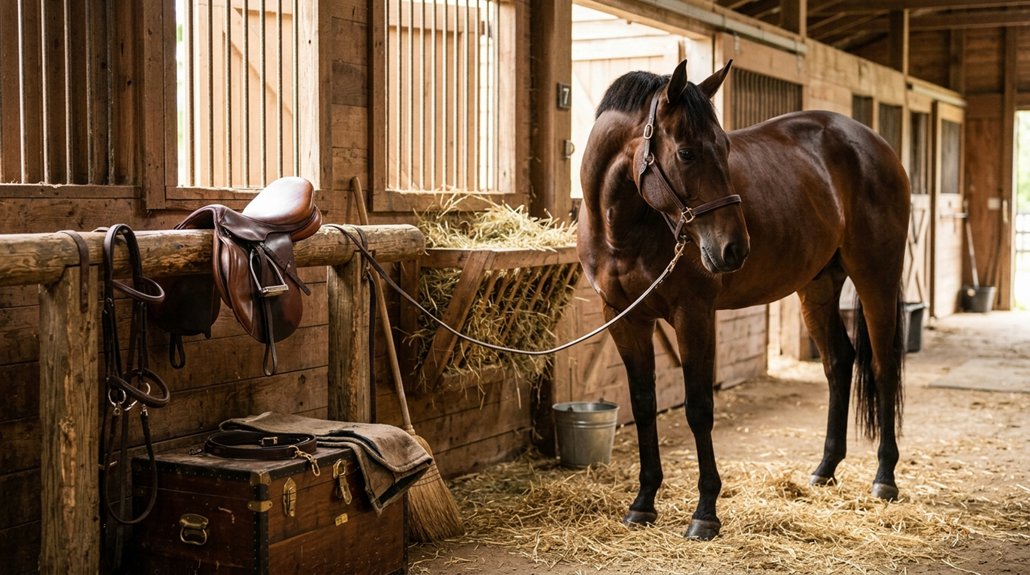
Purchasing a horse demands a significant financial and time investment that potential owners must carefully evaluate. As you consider this commitment, it’s essential to understand the financial risks involved:
Investing in a horse requires careful evaluation due to the significant financial and time commitments involved.
- Initial Costs: Buying a horse can set you back thousands to tens of thousands of dollars, impacting your budget from the outset.
- Ongoing Expenses: You’ll encounter regular costs such as board, feed, and farrier services, alongside veterinary expenses, adding up to hundreds or thousands annually.
- Financial Risks of Resale: Reselling a horse can be challenging and might not recoup your investment, especially if the horse doesn’t perform as expected or if circumstances force a sale.
Additionally, unexpected medical emergencies may arise, leading to substantial unplanned costs.
Easy Steps to Lease or Buy Your Perfect Horse
Many horse enthusiasts find themselves weighing the options of leasing versus buying when considering their next equine companion. Begin by evaluating your riding experience and long-term goals. Leasing offers significant benefits for intermediate riders wishing to test their dedication without heavy ownership responsibilities. Financially, leasing can be more accessible, with costs ranging from $150 to over $1,000 monthly, a feasible alternative to buying outright.
Engage with local barns or trainers to find a suitable lease that matches your needs and schedule. Importantly, guarantee a detailed contract outlines responsibilities, obligations, and injury or illness contingencies. Additionally, consider the time you can commit; leasing provides flexibility and lower responsibility levels than the full-time care required by ownership.
Frequently Asked Questions
Is It Better to Own or Lease a Horse?
It’s not a simple answer. Owning involves greater financial implications and long-term commitment, offering more control over training. Leasing provides flexibility with a lesser lifestyle impact. Evaluate personal goals, financial readiness, and training priorities when deciding.
What Is the 1/2/3 Rule for Horses?
The 1/2/3 Rule, ironically not about fractions, guides horse leasing and purchase with financial prudence: one year’s experience, two horses ridden, three disciplines explored. It guarantees you’re not galloping into a costly mistake unprepared.
What Is the 20% Rule With Horses?
The 20% rule guarantees balanced nutrition by limiting feed to 20% of a horse’s body weight, preventing obesity and health issues like laminitis. Whether owning or leasing, adhering to this enhances your horse’s well-being and performance.
What Is “I Love You” in Horse?
In equine communication, “I love you” is shown through subtle signals like soft eyes and gentle grooming. Horses express emotions by seeking closeness and touching noses, creating a bond built on trust, training, and tender togetherness.
Conclusion
Choosing between leasing and buying a horse is like balancing freedom against commitment. Leasing offers flexibility and a lighter financial burden, letting you enjoy the ride without the long-term pressure. Buying, however, delivers ownership and a deeper bond, at the cost of higher expenses and responsibilities. Both paths, rich with unique rewards and challenges, demand careful reflection. Weigh your goals against your lifestyle, and you’ll find the right stirrup to set your foot in.