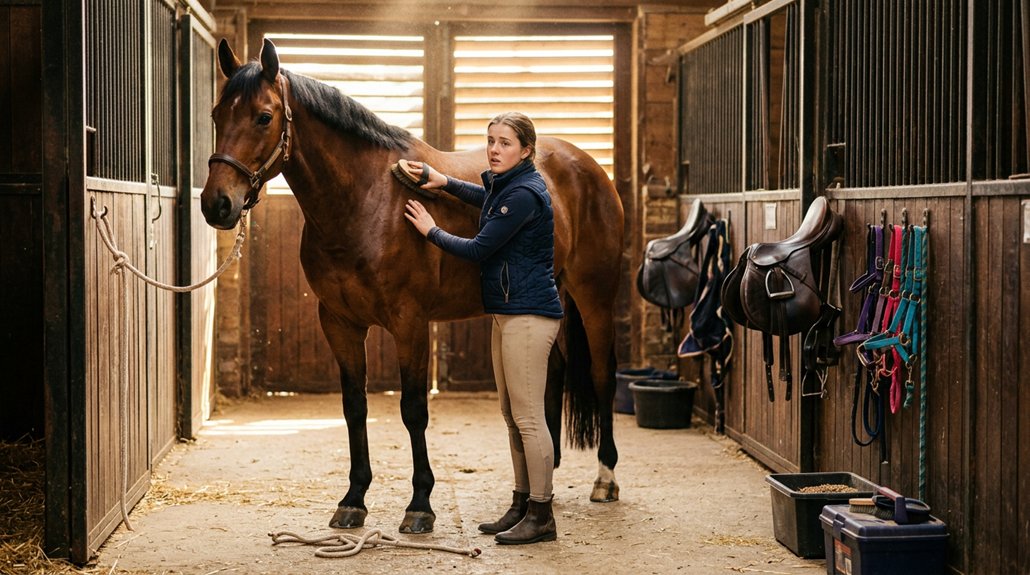
First-time horse owners often overlook key aspects like neglecting hoof care and poor feeding practices, leading to health issues. It’s essential to prioritize compatibility over impulse when choosing a horse and thoroughly evaluate temperament and history. Equally important is understanding the true costs of ownership, including emergency expenses. Monitoring behavioral changes is critical for tailoring care and spotting pain signals early. Ensuring ongoing education in equine care will help you avoid common pitfalls and enhance your horse ownership experience.
Key Takeaways
- Overlooking regular hoof care leads to long-term health issues and requires scheduling farrier visits every 4–6 weeks.
- Impulse buying based on appearance neglects compatibility assessment, crucial for a rewarding owner-horse relationship.
- Underestimating the total cost of ownership, including emergency veterinary expenses and routine care, strains finances.
- Mismanaging feeding practices by over-relying on grain can trigger severe digestive and metabolic disorders.
- Failing to observe and address subtle behavioral changes risks delay in identifying and treating health concerns.
Common Pitfalls for First-Time Horse Owners
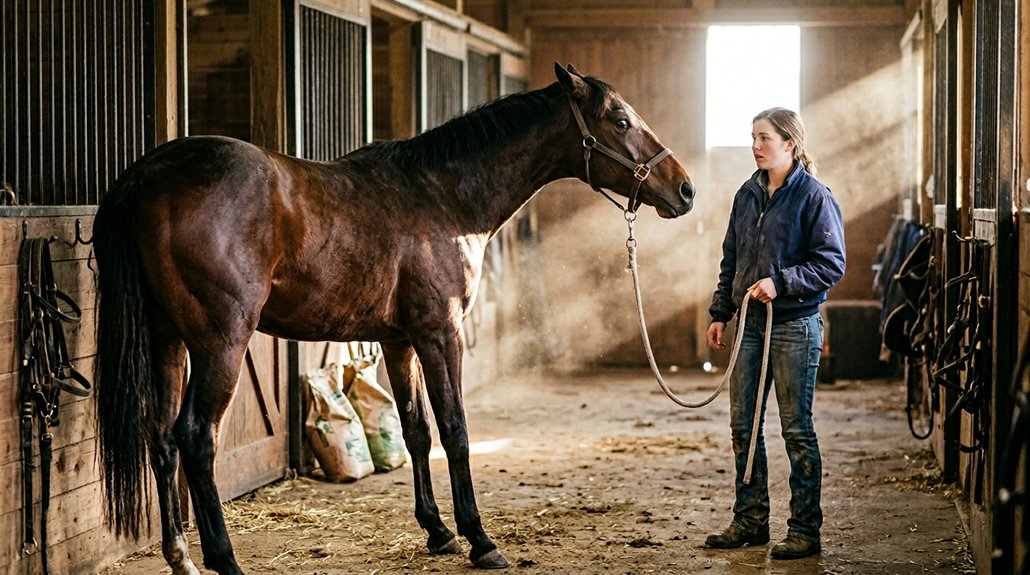
While owning a horse for the first time can be incredibly rewarding, it’s vital to be aware of the common pitfalls that often accompany this endeavor. Neglecting hoof care is a frequent oversight; a farrier should attend to your horse every 4–6 weeks to prevent lameness. Poor feeding practices, such as overfeeding grain instead of quality hay, can cause digestive issues. Prompt behavioral observation is essential; subtle changes might indicate distress or pain, necessitating swift examination. Additionally, inadequate pre-purchase inspections lead to unforeseen health problems. Always conduct thorough vet checks and review health history beforehand. Finally, financial mismanagement often arises from underestimating the costs of ownership, including emergency expenses and routine care, compromising the welfare of your horse.
Pick Compatibility Over Impulse
When selecting your first horse, it’s critical to prioritize compatibility over mere appearance to secure a harmonious and fulfilling partnership. Conduct a thorough appearance assessment and temperament evaluation to confirm alignment with your riding style and goals. Choosing a horse based solely on looks often leads to frustration and unmet expectations. First-time owners must focus on the horse’s temperament and training level, critically important for matching your experience and objectives. Impulse purchases can overshadow practical considerations, creating challenges and dissatisfaction. Research the horse’s history, noting quirks or behavioral tendencies that may impact riding and care compatibility. Avoid impulsive decisions by considering how the horse fits into your long-term goals. This informed approach minimizes risks and enhances your equestrian experience.
Assessing Personal Skills and Goals Before Purchase
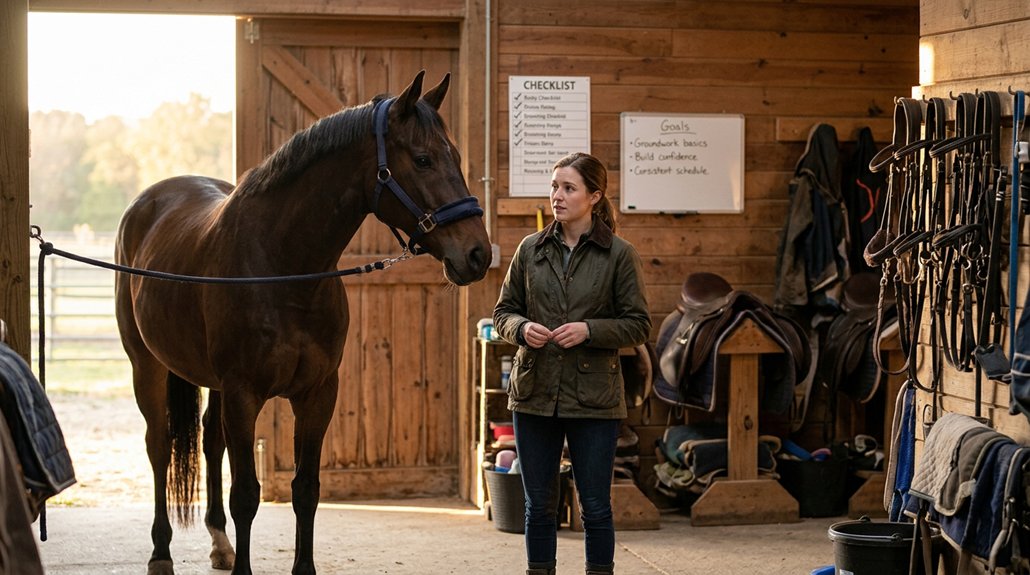
Before purchasing a horse, it’s important to evaluate your riding experience to guarantee that your skills align with the horse’s training and temperament, minimizing potential frustrations and safety risks. You should also define your long-term goals, whether they involve competition, leisure, or companionship, so you can select a horse that fits your aspirations and lifestyle. By aligning your level of experience and objectives with the right horse, you not only enhance your enjoyment but also secure a safe and fulfilling partnership.
Evaluate Riding Experience
How do you guarantee a successful beginning to your horse ownership journey? Start with riding assessments and thorough skill evaluation. Overestimating your abilities can lead to choosing a horse beyond your current competence, increasing frustrations and posing safety risks. Set clear objectives—whether for competition, trail riding, or companionship—ensuring they align with your long-term vision. Consider taking lessons or seeking guidance from experienced riders. Their insight will clarify your skill level, curbing impulsive decisions. Evaluate whether your financial and time resources can sustain the demands of horse ownership. Matching a horse’s training level with your abilities is crucial. Misalignments can impede your learning experience and create safety hazards, hindering a fruitful relationship with your new equine partner.
Align Horse and Rider
Choosing the right horse is more than just a financial investment; it’s about guaranteeing compatibility between horse and rider—a task that begins with thoroughly evaluating personal skills and aspirations. Achieving a successful partnership requires considering several key factors:
- Assess Your Skills: Honestly evaluate your riding skills before horse selection. A mismatch can undermine rider confidence and lead to safety issues.
- Define Your Goals: Determine if you aspire to compete, ride leisurely, or seek companionship. This clarity aids in aligning with a suitable horse.
- Match Training Levels: Choose a horse whose training aligns with your experience, preventing mismatches and fostering confidence.
- Consider Temperament: Evaluate personality compatibility to guarantee a harmonious relationship, enhancing both learning and enjoyment.
Careful consideration in horse selection guarantees a rewarding ownership experience.
Understanding the Real Costs of Horse Ownership
When venturing into horse ownership, it’s vital to thoroughly understand the real costs involved, as they often extend far beyond initial estimates. Proper annual budgeting is important, with estimates ranging from $2,500 to $6,000, covering necessities like feed, boarding, and routine care. However, hidden expenses such as unexpected veterinary emergencies can greatly strain your budget, making it wise to allocate extra funds for unforeseen situations. Routine essentials, including vaccinations, dental care, and hoof trimming, add approximately $500 to $1,000, impacting your overall financial plan. Additionally, transportation costs for vet visits or events must be considered, potentially adding hundreds annually. Planning for future financial decisions, like resale value or retirement, guarantees that you maintain responsible, long-term horse ownership.
Why Scheduled Hoof Care Prevents Pain
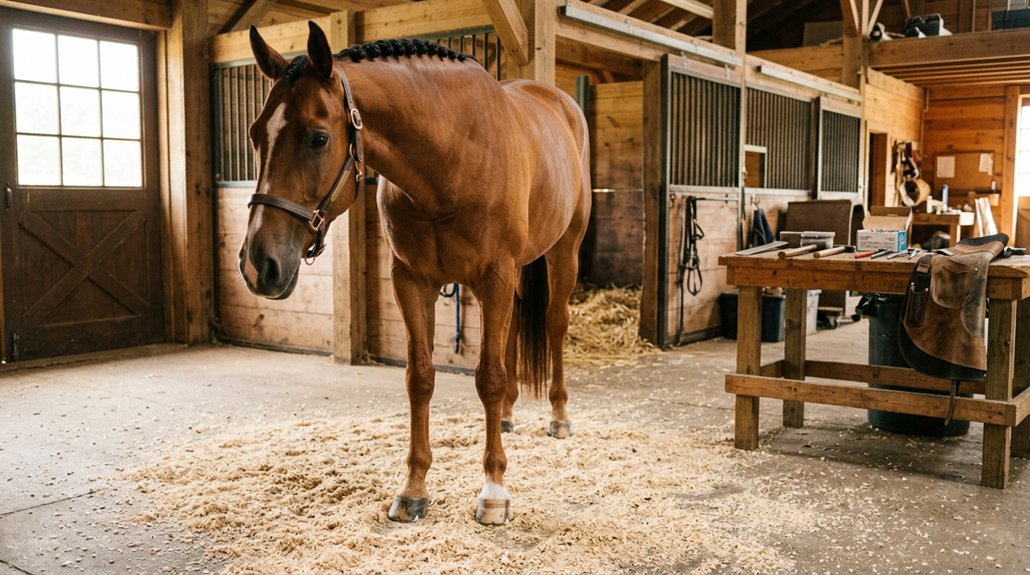
Properly scheduled hoof care is essential for preventing pain and ensuring your horse’s health. Neglecting hoof upkeep leads to imbalances, causing lameness and severe hoof issues. Implementing consistent hoof care every 4–6 weeks guarantees peak hoof health and pain prevention. Here’s why it matters:
- Shape and Function: Regular trimming maintains the hoof’s shape, preventing discomfort and enhancing mobility.
- Problem Detection: Farrier visits detect and address issues early, stopping minor problems from turning into major conditions.
- Avoiding Chronic Pain: Skipping care worsens existing issues, resulting in chronic pain and costly treatments.
- Overall Health: A routine schedule supports equine health, boosting performance and well-being.
Ensure your horse’s comfort and longevity by adhering to a stringent hoof care schedule.
Hay vs. Grain: Feeding Mistakes New Owners Make
As a new horse owner, it’s essential to prioritize forage over grain, considering that a horse’s ideal digestive health relies heavily on a diet rich in fiber. Neglecting this principle can lead to severe health complications such as colic and digestive disturbances, as horses naturally thrive on hay or pasture rather than excessive grain. Treat grain as a supplement to quality hay, and remember that careful management of this balance is important to prevent weight gain and metabolic disorders.
Prioritizing Forage Over Grain
Many new horse owners mistakenly believe that grain is a necessary staple in their horse’s diet, but in reality, forage should be the primary focus. Forage provides essential forage benefits, such as promoting dental health and aiding gastrointestinal function. Additionally, understanding dietary balance is vital, as horses naturally consume forage as 1-2% of their body weight daily. High-quality hay and pasture should be prioritized to mimic their natural grazing behavior and support overall well-being. Here’s why forage should take precedence:
- Energy Source: Forage is the main energy source, reducing reliance on grain.
- Digestive Health: Prevents digestive issues like colic, thanks to lower starch content.
- Nutritional Balance: Grain should be a supplement for balanced nutrient intake.
- Behavioral Support: Aligns with natural grazing behaviors, promoting well-being.
Risks of Excessive Grain
The myth that grain should dominate a horse’s diet can lead to serious health complications. Grain overload often causes digestive issues, such as colic, a potentially life-threatening condition. Prioritizing a balanced diet, where fiber from hay or pasture is central, is vital for maintaining ideal horse health. This approach minimizes the risk of metabolic disorders like insulin resistance and laminitis, which can have lasting impacts. Establishing a careful feeding strategy is essential—grains should only supplement when necessary. Remember the fiber importance in digestion and overall health. When introducing any grain, do so gradually to prevent upsetting the digestive system. Monitor closely for any discomfort or adverse effects, ensuring a proactive approach to maintaining a healthy equine diet.
Spotting Early Behavioral Pain Signals
Ever wondered how to truly understand when a horse is experiencing pain? By making behavioral observations, you can identify key pain indicators before they evolve into serious problems. Here’s what to watch for:
Identify horse pain early through behavior: head tossing, reluctance to move, changes in eating, tail swishing, ear pinning.
- Head Tossing: A sudden increase in head movement can suggest discomfort or pain.
- Reluctance to Move: If your horse hesitates or refuses to engage in usual activities, it might be signaling distress.
- Eating Habits: Changes in appetite or refusal to eat can indicate internal discomfort.
- Tail Swishing and Ear Pinning: These can reveal irritation or frustration due to pain.
Customizing Care for Your Horse’s Unique Needs
Understanding the specific needs of your horse is essential to providing ideal care, as each horse’s requirements are influenced by factors such as age, breed, workload, and temperament. Effective horse management begins with individualized care. Tailored nutrition and regular behavior observation are pivotal; forage should be prioritized, with grain used as a supplementary adjustment based on your horse’s activity and health. Regular hoof care customized to age considerations prevents severe issues. Recognizing subtle behavior changes allows for training adjustments that cater to your horse’s unique characteristics. Different breeds process workloads differently, necessitating tailored assessments to avoid stress and injury.
| Factor | Consideration |
|---|---|
| Age | Trimming and diet needs |
| Breed | Nutritional requirements |
| Workload | Customized exercise plan |
| Temperament | Training adjustments |
| Behavior | Pain and discomfort cues |
Quick Action: The Key in Equine Emergencies
Rapid response is crucial in equine emergencies; even a brief delay can transform treatable conditions like colic or lameness into critical situations. Effective emergency preparedness enables swift response, improving recovery odds. Here’s what you should do:
- Injury Assessment: Quickly evaluate signs of distress; trust your instincts. Prompt intervention may avert severe outcomes.
- First Aid Kit: Maintain a well-stocked, up-to-date kit. This is essential for immediate care of minor injuries before veterinary arrival.
- Veterinary Relationship: Establish a proactive association with a vet. Keep their contact info handy to expedite decision-making and treatment.
- Basic First Aid Knowledge: Acquire essential skills to stabilize your horse during emergencies, greatly enhancing their chances of recovery.
These strategies guarantee you’re well-prepared for equine emergencies.
Why Education Should Never End in Horse Ownership
While the thrill of owning a horse is undeniable, the journey to becoming a skilled equestrian doesn’t end with the purchase. Ongoing education is crucial to guarantee you’re equipped with the best practices in equine care. Engaging in lessons and clinics develops your understanding of equine behavior and needs, enhancing communication and partnership. Leveraging equine resources, such as workshops and online materials, keeps you informed on emerging health issues and management strategies essential for your horse’s wellbeing. Regular consultations with trainers and veterinarians refine your knowledge of training techniques, nutrition, and preventive care. Finally, joining equestrian communities and discussion groups allows you to share knowledge and seek advice, reinforcing the importance of continuous learning in horse ownership.
Frequently Asked Questions
What Is the 1/2/3 Rule for Horses?
The 1/2/3 Rule for horses advises balancing activities: an hour of riding, an hour of groundwork for training techniques, and bonding for two hours, aiding in horse behavior, feeding basics, and overall health management.
What Are the Most Common Beginner Mistakes?
Did you know 30% of new horse owners struggle with proper feeding practices? Overlooking tailored care routines, inadequate training methods, neglecting health checks, poor equipment choices, and inconsistent stable maintenance often lead to less thriving horses.
What Is “I Love You” in Horse Language?
In equine communication, “I love you” translates through horse behaviors like nuzzling, mutual grooming, and soft eye contact. They also show affection by nickering or whinnying, indicating excitement, or by simply following you for companionship.
What to Know as a First Time Horse Owner?
As a first-time horse owner, you’ll need to master basic horse care. Understand training techniques, feeding schedules, common breeds, grooming tips, veterinary care, stable maintenance, and exercise routines to guarantee your horse’s health and happiness.
Conclusion
Steering horse ownership balances aspiration with responsibility. On one hand, the thrill of riding and companionship; on the other, the demands of meticulous care and ongoing education. Don’t let enthusiasm cloud judgment—always assess compatibility and cost meticulously. Just as scheduled hoof care prevents future pain, spotting behavioral cues early averts crises. Your horse’s unique needs require tailored attention. In equine emergencies, swift, informed action is paramount. Remember, mastery comes through continuous learning and diligent stewardship.