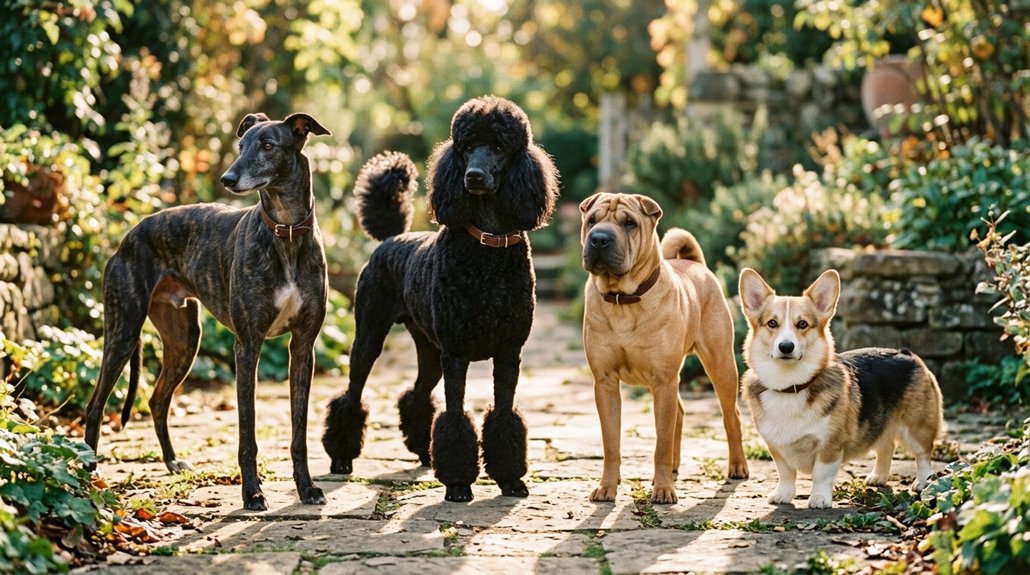
When considering the best designer dog breeds, think about temperament, exercise, and health issues. Goldendoodles and Cockapoos are hypoallergenic and intelligent, while Morkie Poos are perfect for affectionate families. Exercise needs vary; Labradoodles adapt well to different routines. Regular grooming and dental care are essential for their health. Smaller breeds like Maltipoos need nutrient-dense meals and face unique health challenges. Keep exploring to find the breed that truly complements your lifestyle and brings joy to your home.
Key Takeaways
- Goldendoodles and Cockapoos are intelligent, trainable, and hypoallergenic, making them popular choices among designer dog breeds.
- Consider exercise needs and temperament to find a breed that matches your family dynamics and lifestyle preferences.
- Regular grooming and dental care are vital for maintaining the health and appearance of designer dogs.
- Early socialization and consistent training using positive reinforcement cultivate desirable behaviors in designer breeds.
- Genetic testing and nutrition tailored to breed-specific needs ensure optimal health and well-being for designer dogs.
Quick Guide: Choosing the Right Designer Breed
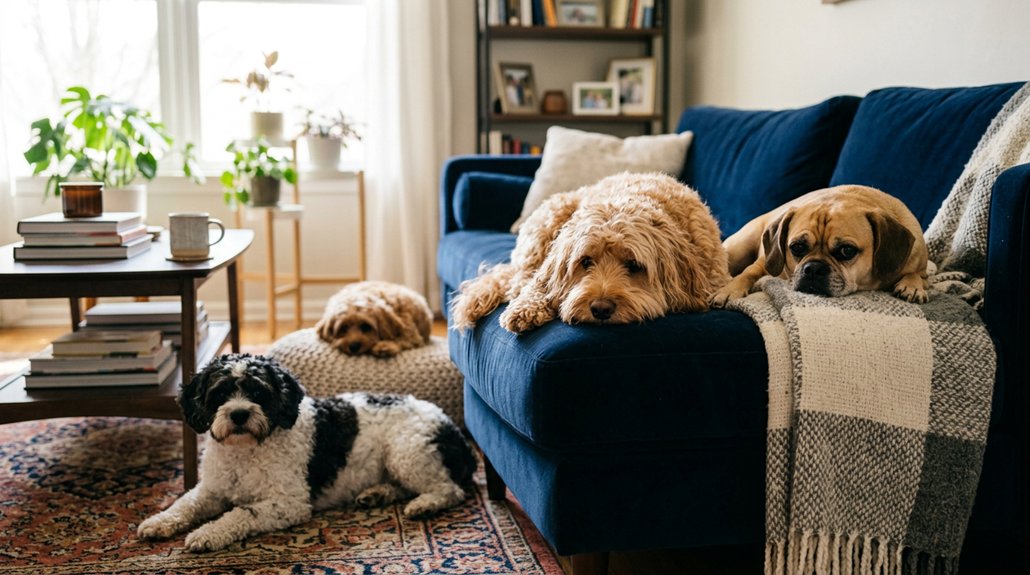
When you’re considering adding a designer dog to your family, it’s essential to weigh the temperament and energy levels that the breed inherits from its parents. Comparing designer breeds can guide you, as some, like Goldendoodles, need more exercise than others, like Cavapoos. You’ll also want to explore health aspects; Labradoodles might inherit hip issues, while Maltipoos could face dental challenges. If allergies are a concern, look for hypoallergenic options like Goldendoodles or Cockapoos, known for their low-shedding coats.
Adopting offers the benefits of finding unique designer breeds while supporting ethical practices. By adopting from shelters, you’re making a compassionate choice and contributing to responsible breeding practices. Ascertain you choose a breed aligning with your lifestyle and family needs.
Traits of Top Designer Breeds: What Makes Them Stand Out
Why do certain designer dog breeds capture hearts so effortlessly? Their winning traits are a huge part of their charm. Designer dog characteristics often blend intelligence, adaptability, and affectionate nature, which creates perfect companions for a wide range of lifestyles. Here’s what makes them shine:
- Intelligence and Trainability: Breeds like Goldendoodles and Cockapoos possess high intelligence, making them easy to train with positive reinforcement techniques. You’ll find their enthusiasm to learn remarkably rewarding.
- Affectionate Temperament: Morkie Poos form strong bonds with their families and thrive on love and attention, enhancing their sweet nature. Training techniques focused on socialization play a key role here.
- Flexibility and Energy: Cockapoos and Labradoodles require regular exercise but are adaptable, fitting seamlessly into diverse family dynamics. Their playful spirit and energy levels keep you entertained!
Understanding the Labradoodle: A Friendly Companion
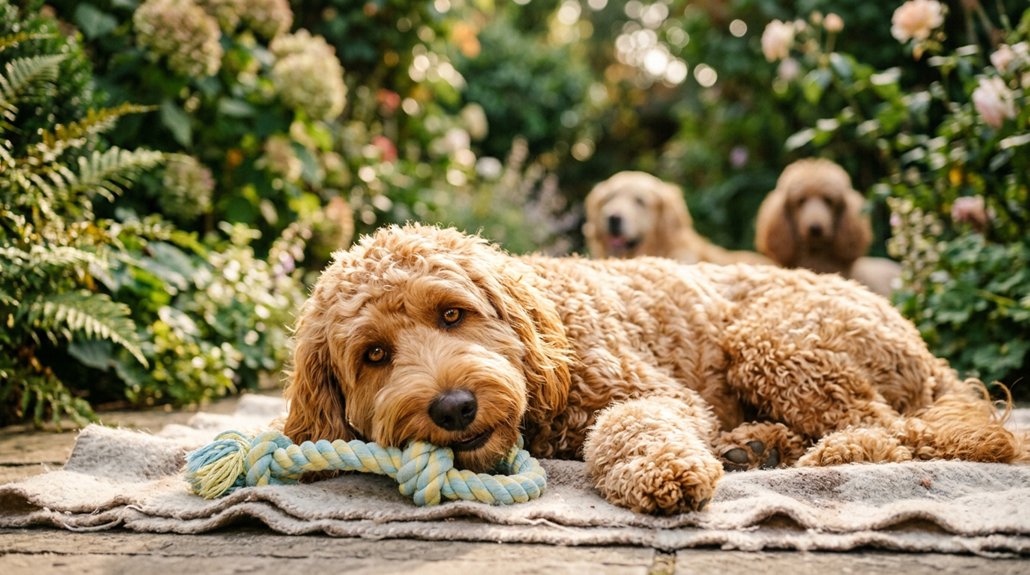
While exploring the irresistible charm of designer dog breeds, the Labradoodle emerges as an exceptional favorite for many dog lovers. With their delightful Labradoodle personalities, these dogs are known for being friendly, social, and intelligent. They shine as therapy and assistance animals due to their trainability. Regular exercise and companionship are key Labradoodle activities, perfect for energetic families. Despite their hypoallergenic coats, they still need regular grooming to prevent matting. Remember, young children need supervision during playtime to guarantee safety for all. Here’s a quick glance at what makes them special:
| Feature | Details | Benefit |
|---|---|---|
| Origin | Labrador & Poodle mix | Friendly, intelligent breed |
| Personality | Social and friendly | Great family pets |
| Activities | Regular exercise required | Keeps them happy and healthy |
| Coat | Shaggy or curly, hypoallergenic | Minimizes shedding |
| Training | Easy-to-train | Ideal for service work |
Meet the Goldendoodle: The Fluffy Family Dog
Meet the Goldendoodle, a delightful blend of Golden Retriever and Poodle that promises just the right balance of intelligence and affection, making them a perfect match for families. You’ll love how their friendly demeanor makes every interaction joyful, while their minimal shedding and hypoallergenic qualities mean you won’t be constantly battling fur in your home. Remember to invest some time in regular exercise and grooming to keep your new fluffy friend healthy and thriving, ready to spread happiness with every wag of their tail.
Friendly and Affectionate Traits
There’s something irresistibly charming about a Goldendoodle that instantly warms your heart. Their goldendoodle loyalty and affectionate demeanor make them cherished members of any household. You’ll find these lovable hybrids, born from the union of Golden Retrievers and Poodles, are just what your family needs. Their friendly nature is unmatched, forging strong, lasting bonds with everyone they meet.
Why do they make such excellent companions?
- Loyalty: Goldendoodles are known for their unwavering loyalty, always keen to be by your side.
- Affection: Their affectionate demeanor guarantees they thrive on human companionship, sharing love and happiness generously.
- Intelligence and Trainability: Combining smarts with a sociable personality, they’re not only easy to mold with training but thrive in roles that require acute responsiveness.
Care and Grooming Needs
Goldendoodles don’t just capture hearts with their friendly and affectionate traits; their signature fluffy coats require thoughtful care to keep them looking and feeling their best. Their curly, shaggy coats need regular brushing at least once a week—this grooming frequency prevents mats and guarantees their hypoallergenic coat remains manageable. Shedding is minimal, ideal for allergy sufferers, but coat maintenance doesn’t stop there. Bathing every few months keeps them clean, while regular ear cleaning helps prevent infections. Daily exercise is vital too; these energetic pups thrive on interactive play. They’re intelligent and enthusiastic to please, making training a breeze. With a little attention to grooming and exercise, you’ll enjoy a happy, healthy, and beautifully maintained Goldendoodle.
Why the Cockapoo Is an Adaptable Choice
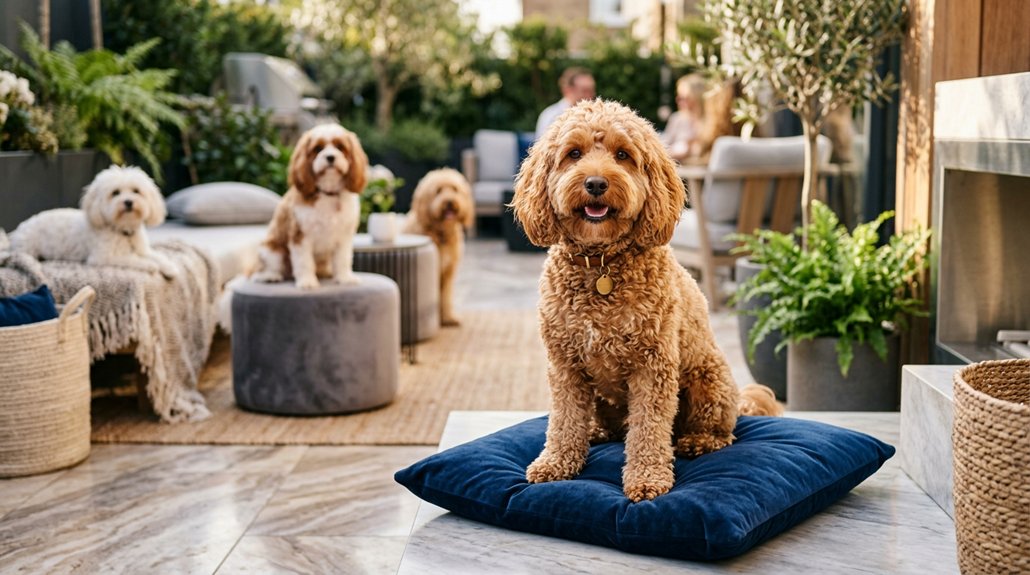
When considering a versatile canine companion, the Cockapoo stands out as a stellar choice. This delightful mix of Cocker Spaniel and Poodle boasts Cockapoo characteristics like a friendly and sociable nature, making it an ideal fit for families, young professionals, and retirees alike. Here’s why you might find them ideal:
- Adaptability: With a weight range of 6 to 30 pounds, Cockapoos fit comfortably in both cozy apartments and spacious homes.
- Cockapoo Training: Their intelligence and enthusiasm to please mean they respond well to training, excelling in obedience and agility.
- Exercise Needs: Regular activity and mental stimulation are essential for keeping them happy, ensuring they remain energetic and healthy.
With various coat colors, regular grooming keeps them looking their best.
Discover the Maltipoo: Small, Cuddly, and Trainable
If you’re seeking a small and cuddly companion, the Maltipoo’s charming temperament and adaptability make it a perfect fit for many lifestyles. You’ll find its intelligence and willingness to please a joy when it comes to training, while regular grooming will keep its hypoallergenic coat looking fabulous. Let’s explore how the Maltipoo’s delightful personality, along with care and training tips, can make it a beloved member of your family.
Maltipoo Temperament Highlights
Delightfully blending the charm of the Maltese with the intelligence of the Poodle, the Maltipoo is a designer dog breed that’s sure to win your heart. Their interactions are typically friendly and playful, perfect for families and individuals alike. With a warm personality, they enthusiastically bond with their owners, offering companionship and affection.
Here are some highlights of the Maltipoo:
- Size and Adaptability: Weighing between 5 to 20 pounds, they adapt well to different living conditions, including apartments.
- Intelligence and Trainability: Their Poodle lineage guarantees they excel in obedience and agility, making training a breeze.
- Affection and Socialization Needs: They’re incredibly loving but can be protective, which means early socialization helps facilitate well-mannered Maltipoo interactions with strangers.
Grooming and Care Tips
Caring for a Maltipoo means committing to regular grooming sessions, which are essential for keeping that charming, curly coat looking its best. You’ll want to brush their soft fur several times a week to prevent matting and tangles, using gentle grooming techniques that suit their small size. Professional grooming appointments can help if you prefer a specific style or cut, ensuring their coat stays healthy and adorable.
Don’t overlook their dental care, though—Maltipoos can be prone to dental issues, so make brushing their teeth part of your routine, and schedule regular vet check-ups. Keep in mind, Maltipoos thrive on short, engaging walks, offering just the right amount of daily exercise to stimulate both their minds and bodies without overdoing it.
Training Success Strategies
When it comes to training a Maltipoo, their intelligence and enthusiasm to please make the process both enjoyable and rewarding. You’ll find that early success depends on using positive reinforcement and socialization techniques. To guarantee a well-behaved companion, consider these steps:
- Positive Reinforcement: Reward them with treats and praise for good behavior, which strengthens their willingness to learn. Always be consistent with rewards to reinforce commands effectively.
- Socialization Techniques: Introduce your Maltipoo to various environments and people early on. This helps manage their independent nature, making them more adaptable and friendly.
- Routine and Consistency: Establish clear routines and expectations. Maltipoos thrive on structure, so consistent training sessions will help them internalize commands and reduce any confusion.
With patience and empathy, your Maltipoo’s training can be a joyful journey.
Identifying Health Issues in Designer Dogs
Steering through the world of designer dog breeds requires more than just a love for their unique appearances; it demands an understanding of the health challenges they might face. Genetic testing becomes essential in breed selection, helping you identify potential inherited health issues. Larger designer dogs like Labradoodles can develop hip and joint problems, while smaller ones, such as Maltipoos, often face dental diseases. Brachycephalic breeds like Frenchtons can suffer from respiratory issues affecting their day-to-day comfort. Even with hybrid vigor, skin and ear infections are common, particularly in breeds inheriting curly Poodle coats. A responsible breeder conducts health screenings, but it’s vital to research thoroughly. By doing so, you’re preparing for a healthier, happier life for your furry friend.
Feeding Your Designer Dog for Optimal Health
Understanding the health challenges of designer dogs naturally extends to feeding them for ideal health. You need to focus on portion control and nutrient density to keep your furry friend healthy. Follow these practical feeding guidelines:
- Tailor Meal Frequency: Smaller breeds like Maltipoos benefit from smaller, nutrient-dense meals, while larger breeds like Labradoodles thrive on protein-rich diets.
- Embrace Dietary Adjustments: Their specific needs change with age and activity level. Regular dietary adjustments guarantee your dog gets what they need for optimal health.
- Support Skin Health: Many designer dogs, especially with curly coats, are prone to skin issues. Choose foods that bolster skin health and immune function to keep them feeling their best.
Frequently Asked Questions
What Is the 7 7 7 Rule for Dogs?
The 7-7-7 rule suggests one human year equals seven dog years, but don’t rely on it entirely. Consider your dog’s size, breed, and individual health for better understanding pet health. Regular check-ups aid effective dog training success.
What Is the Best Designer Dog Breed?
The best designer dog breed depends on your needs and preferences. Consider designer breed characteristics like temperament and exercise requirements. Popularity factors include hypoallergenic coats, family-friendliness, and adaptability. It’s about what fits best with your lifestyle.
What Dog Breeds Are Considered Designer?
You’re wondering about designer breeds? Well, they originate from intentionally mixing two purebreds. Popularity trends highlight breeds like Labradoodles, Goldendoodles, and Cavapoos due to their appealing traits. Each breed offers unique attributes, making them trendy companions.
How Do Dogs Say “I Love You”?
Dogs say “I love you” through body language like snuggling and tail wagging. Canine affection is also shown with soft vocalizations, eye contact, and playful behaviors, all expressing their deep bond and love for you.
Conclusion
Imagine your future with a designer dog, where every wag of its tail and romp in the park fills your days with joy. Their unique traits and adaptable nature make them living teddy bears, enthusiastic to cuddle and play. As you nurture them with proper training and diet, you’ll forge an unbreakable bond. Remember, though, the golden moments outweigh any challenges. Embrace the journey ahead with your fluffy friend, knowing you’re creating pawprints of happiness in your heart.