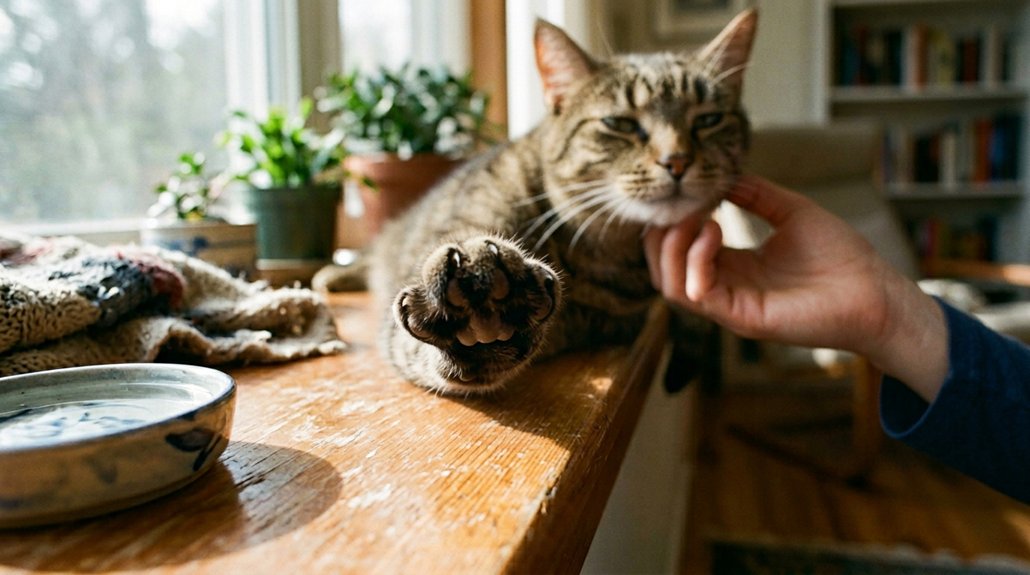
Declawing isn’t the answer to preventing scratching; it’s a harmful procedure that can cause chronic pain and behavioral issues for your cat. Scratching is a natural behavior that helps your cat stretch, keep claws healthy, and mark territory. Instead, opt for safe alternatives like nail trims and scratching posts. Creating a scratch-friendly home is key. By understanding your cat’s needs, you’ll find compassionate solutions that respect their instincts and well-being. Discover more effective ways to manage scratching.
Key Takeaways
- Declawing causes chronic pain and long-term physical discomfort, fundamentally altering a cat’s natural foot mechanics.
- Removing claws increases the risk of developing arthritis and can negatively impact a cat’s overall mobility and balance.
- Declawing often leads to behavioral issues, including increased aggression and stress due to loss of primary defense mechanisms.
- Claw removal poses risks of infections and nerve damage, potentially resulting in serious health complications.
- Effective alternatives to declawing include nail trimming, soft nail caps, and providing appropriate scratching posts to encourage natural behavior.
Understanding Why Cats Scratch Naturally
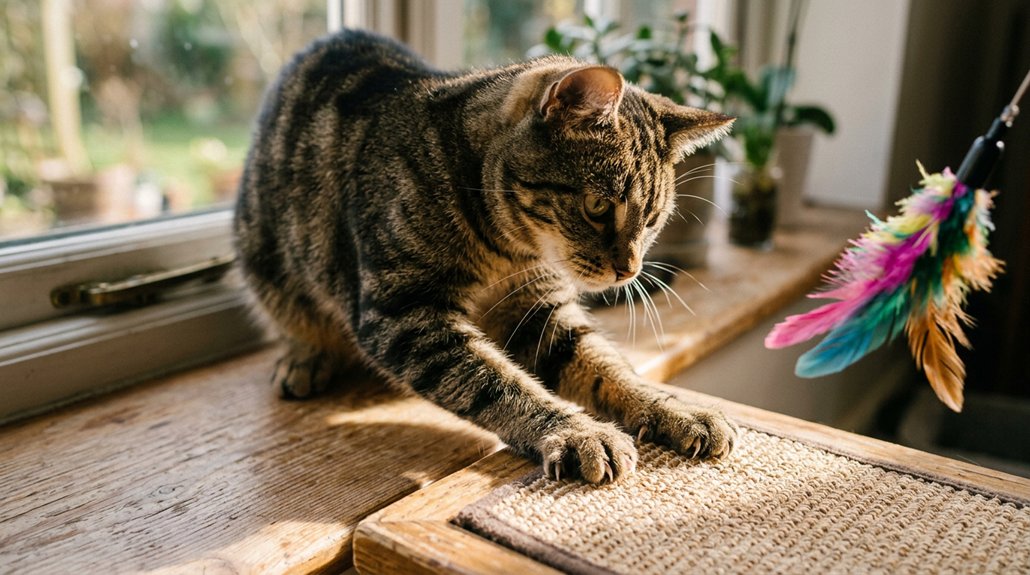
Though it may sometimes seem like a troublesome habit, scratching is an integral part of a cat’s natural behavior. Scratching instincts are deeply ingrained, ensuring your cat can stretch its muscles effectively and maintain claw health by shedding old sheaths. In the wild, felines rely on their claws for hunting, climbing, and self-defense, which are mirrored in the behaviors of domestic cats. Furthermore, scratching plays an important role in marking feline territory. Cats possess scent glands in their paws that deposit unique scents on surfaces, signaling their presence. Viewing scratching as a fundamental need rather than a problem is essential for managing it compassionately. By respecting these instincts, you can create a harmonious environment that aligns with your pet’s natural behaviors.
Exploring Safe Alternatives to Declawing
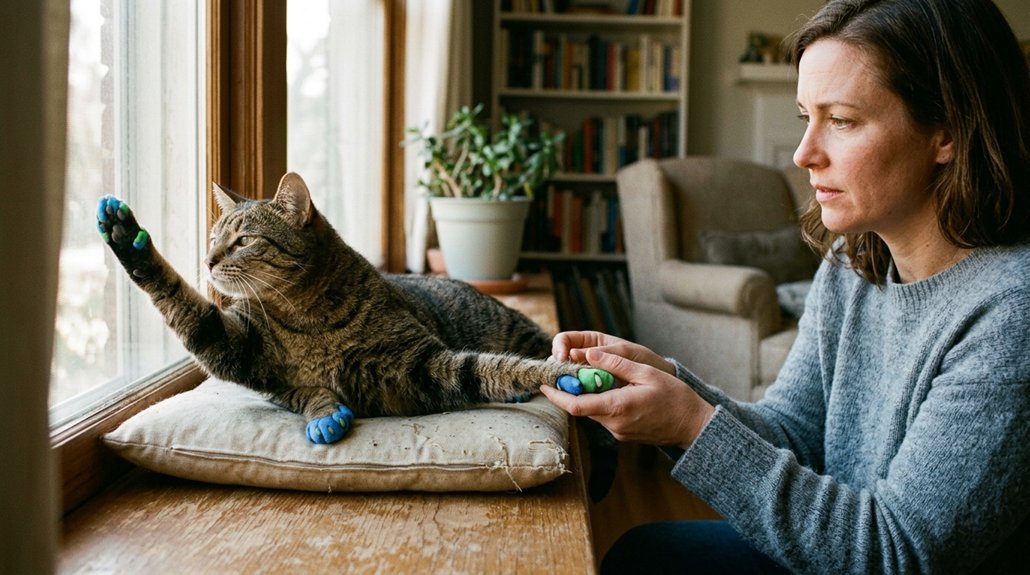
When considering the well-being of your feline friend, it’s essential to explore safe alternatives to declawing that respect their natural instincts. Regular nail trimming every two to four weeks can prevent excessive furniture damage. Use soft nail caps, like Soft Claws, allowing your cat to scratch without harm.
Here’s a quick comparison:
| Alternative | Benefits |
|---|---|
| Nail Trimming | Reduces sharp claws, prevents damage |
| Soft Caps | Maintains natural scratching behavior |
| Scratching Posts | Encourages appropriate scratching habits |
| Positive Reinforcement | Rewards correct behavior, strengthens bond |
Providing diverse scratching posts and engaging in positive reinforcement can direct scratching to suitable areas. Consulting a veterinarian guarantees personalized advice, respecting your cat’s instincts without resorting to invasive procedures. By embracing these alternatives, you safeguard furniture and honor your cat’s needs.
The Harmful Effects of Declawing Cats
You’re likely aware that declawing cats isn’t just a simple nail trim, but rather involves the amputation of the last bone on each toe, which can cause significant pain and discomfort. This invasive procedure often leads to behavioral issues and can increase aggression due to the chronic pain cats experience, sometimes resulting in litter box aversion. With risks of infections, nerve damage, and long-term complications, declawing raises serious ethical concerns in the veterinary community, prompting bans in multiple regions.
Increased Pain and Discomfort
Understanding the serious repercussions of declawing is vital, as this procedure involves the surgical amputation of the last bone of each toe, leading to chronic pain and discomfort for many cats. Declawing alters foot mechanics markedly, often resulting in arthritis and long-term pain, profoundly affecting a cat’s quality of life. As a cat owner, you need to focus on effective pain management and discomfort relief post-surgery. Unfortunately, many cats endure complications, such as infections or nerve damage, due to improper healing. These complications can lead to permanent lameness, causing you and your pet ongoing distress. It’s essential to weigh these risks when making decisions about your cat’s care. Prioritizing ethical alternatives can prevent these painful outcomes and preserve your cat’s well-being.
Behavioral Changes and Aggression
The psychological impact of declawing on cats can be profound, often leading to significant behavioral changes and increased aggression. Without their primary defense mechanism, declawed cats face heightened anxiety and stress, which act as behavioral triggers. As a result, these cats may exhibit biting behavior due to the inability to use claws defensively.
Pain from altered paw mechanics frequently leads to irritability, causing behavioral issues such as inappropriate urination and defecation. Declawed cats also struggle with aggression management, as they resort to defensive tactics when unable to scratch naturally.
- A cat cowers in fear, lacking its primary defense.
- Biting replaces scratching as a warning signal.
- Increased irritability stems from chronic discomfort.
Supporting declawing alternatives helps manage these challenges effectively.
Risk of Long-Term Complications
Though often considered a quick solution for preventing unwanted scratching, declawing can lead to a myriad of long-term complications that overshadow any immediate benefits. Declawing is more than a simple claw removal; it’s an amputation of the last bone in each toe. This can result in long term effects, such as chronic pain, nerve damage, and even lameness, affecting your cat’s quality of life. Their natural gait is disrupted, potentially leading to back pain and impaired mobility. Additionally, these physical alterations can trigger behavioral changes, like increased aggression, as your cat loses their primary defense mechanisms. They might also develop litter box aversion due to pain associated with certain textures, risking inappropriate elimination behaviors. Consequently, declining may only multiply your cat’s suffering.
Reasons Declawing Should Be Avoided
While the idea of declawing might initially seem like a convenient solution for managing a cat’s scratching behavior, it’s critical to understand why this practice should be avoided. Beyond the significant psychological impact on your pet, ethical considerations cannot be ignored. Declawing is not a simple procedure; it involves amputating the last bone in each toe, leading to both immediate and chronic pain. Cats often experience discomfort and stress, resulting in troublesome behavior changes.
- Cats may become more aggressive due to loss of their natural defense mechanism.
- The risk of inappropriate urination increases as litter box use becomes painful.
- Lameness and chronic pain can make movement difficult.
Ultimately, declawing compromises your cat’s well-being and drastically alters its life.
How to Make Your Home Scratch-Friendly for Cats
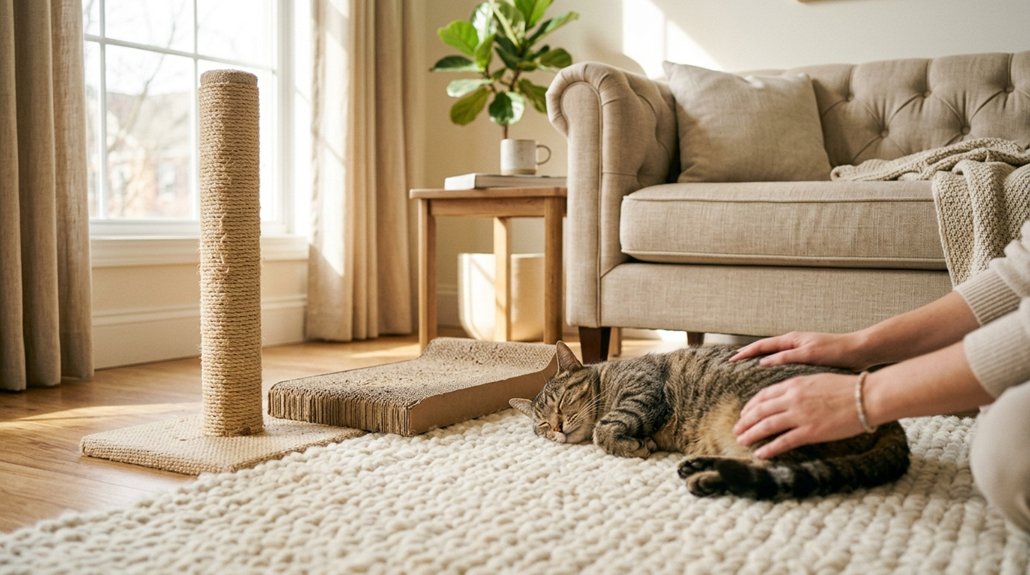
To make your home scratch-friendly for cats, you’ll want to provide various scratchable materials like sisal or cardboard, catering to individual preferences. Position these scratching posts in areas where your cat spends the most time to encourage their use and protect your furniture effectively. By strategically placing and choosing diverse textures for scratching posts, you can facilitate healthy scratching habits and enrich your cat’s environment.
Choosing Ideal Scratch Materials
Transforming your home into a haven for feline-friendly scratching starts with understanding their innate preferences for certain textures. Cats naturally gravitate toward scratch materials like sisal and cardboard due to their rough surfaces, which mimic the conditions they would find in nature. By providing these materials, you cater to their texture preferences and satisfy their urge to claw. Experimentation is key; try various shapes and orientations to see what your cat enjoys most. Additionally, keeping their interest piqued is essential. Regularly rotate these scratching items to prevent boredom and sharpen their instincts.
- Sisal-covered scratching posts: Durable and mimicking tree bark, irresistible to cats.
- Cardboard scratch pads: Affordable, satisfying their need to shred.
- Vertical and horizontal scratchers: Variety in alignment cater to different scratching styles.
Placement of Scratching Posts
Understanding where to place scratching posts in your home is essential to fostering a scratch-friendly environment that aligns with your cat’s natural instincts. Start by prioritizing common area placement. Observe where your cat spends most of its time and position posts there. Incorporate a variety of scratching surface preferences by offering both vertical posts and horizontal pads. Sisal-covered options are ideal, as they mimic natural surfaces and provide stability. Position scratching posts near furniture or areas previously scratched to redirect your cat effectively. Enhance attraction by using enticing elements like catnip or treats.
Here’s a quick guide:
| Location | Material |
|---|---|
| Near furniture | Sisal-covered |
| Common areas | Vertical or horizontal |
| High activity zones | Catnip-enhanced posts |
This mindful setup encourages your cat to adopt designated areas for scratching.
Teach Your Cat to Scratch Right
Enhance your feline’s environment by providing an array of scratching surfaces tailored to their preferences, such as sisal or cardboard materials in both vertical post and horizontal pad configurations. To truly satisfy your cat’s scratching preferences, pay close attention to their favored heights and textures. This understanding guides your choice of scratchers, ensuring they engage positively with their new toys.
- Observe whether your cat opts for high posts or flat pads.
- Position scratching surfaces near typical scratching spots.
- Use enticing catnip or treats to foster positive scratching habits.
Incorporate effective training techniques by gently redirecting your cat from furniture to their scratchers. Regular nail trimming, every two to four weeks, reduces scratching damage. Patience and empathy lead to successful adaptation without resorting to declawing.
When to Ask Your Vet About Scratching
Why do cats sometimes scratch excessively? Changes in scratching behavior can be linked to stress or underlying health issues. If your cat’s scratching has increased or changed suddenly, it’s essential to consult your veterinarian. Scratching triggers might include medical conditions or complications from procedures like declawing, which requires careful veterinary advice. A professional can assess if your cat’s behavior stems from pain, stress, or environmental factors.
Regular vet check-ups facilitate early detection of these issues. Discussing scratching management with your vet can yield personalized strategies such as environmental enrichment, nail trimming, and suitable scratching alternatives. These tailored recommendations not only mitigate excessive scratching but also enhance your cat’s overall well-being, avoiding the need for declawing, and fostering a harmonious home environment.
Frequently Asked Questions
Is It Cruel to Declaw a House Cat?
Yes, it’s considered cruel to declaw a house cat. Understanding the ethics of declawing highlights this invasive procedure’s harm. Instead, explore declawing alternatives that respect your cat’s natural behaviors, ensuring both ethical consideration and the cat’s wellbeing.
Why Do Declawed Cats Still Scratch?
Declawed cats still scratch due to ingrained feline instincts. They attempt to satisfy natural scratching behavior for muscle maintenance and territorial marking. Although claws aren’t present, the instinctual drive remains strong, often leading to behavioral issues and stress.
Why Do Vets Still Declaw Cats?
Vets still declaw cats due to client pressure and outdated beliefs. Some prioritize financial gains over ethical concerns. However, many experts advocate for humane alternatives, emphasizing the need to reflect on the cat’s well-being and scientific insights.
How to Discipline a Cat That Keeps Scratching?
Of course, disciplining a cat is as easy as herding cats! Embrace positive reinforcement and provide alternative scratching options. Cater to your cat’s preferences, ensuring their happiness while magically transforming your furniture into mere innocent bystanders.
Conclusion
You’ve initiated a thoughtful journey to understand your cat’s natural behavior. Just as you’d never ask a bird not to fly, don’t take away a cat’s instinct to scratch. Declawing cuts deep, both physically and emotionally, creating unnecessary waves in your pet’s life. Instead, create a symphony of solutions: provide scratch-friendly furnishings, teach proper habits, and consult your vet for tailored advice. Your empathetic approach guarantees your feline friend thrives, just as nature intended.