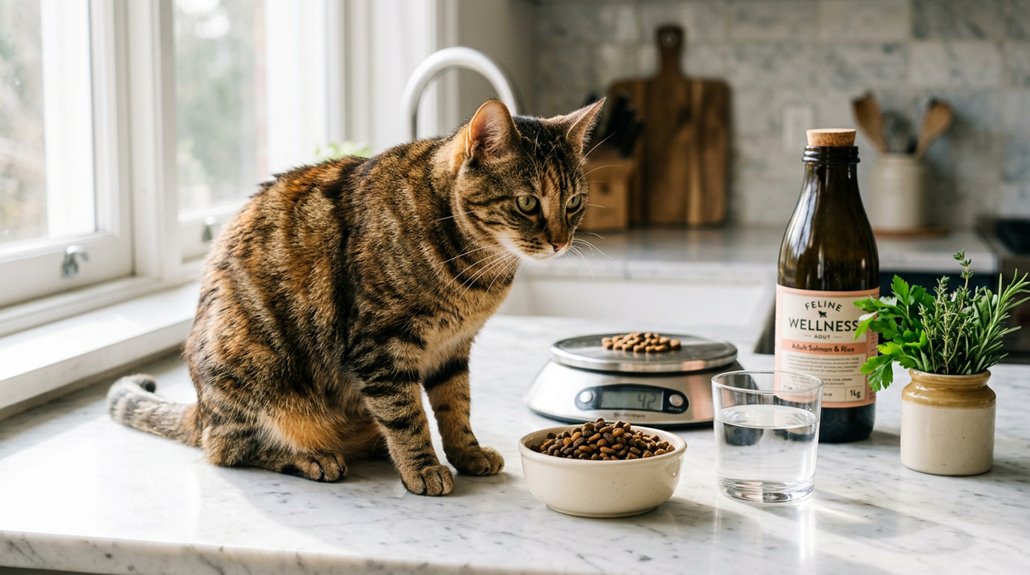
Your cat’s diet markedly impacts their health, influencing their energy levels, coat quality, and longevity. As obligate carnivores, cats need high-protein diets from animal sources, rich in essential nutrients like taurine for heart and eye health. Nutritional deficiencies may manifest as weight loss, behavioral changes, or skin issues. Tailoring the diet according to their life stage—from kitten to senior—ensures balanced nutrition and effective portion control. Explore further to discover tailored tips for your cat’s dietary challenges and overall well-being.
Key Takeaways
- A high-protein diet is essential for cats, supporting their heart, eye health, and overall vitality.
- Nutritional deficiencies in cats can lead to noticeable physical and behavioral changes, such as weight loss or lethargy.
- Omega fatty acids in a cat’s diet help maintain a healthy coat and prevent skin issues.
- Gradual dietary adjustments prevent gastrointestinal upset, ensuring smooth transitions to new food types.
- Vet collaboration is crucial to manage allergies, ensuring the cat’s diet supports health without causing adverse reactions.
Understanding Your Cat’s Nutritional Needs
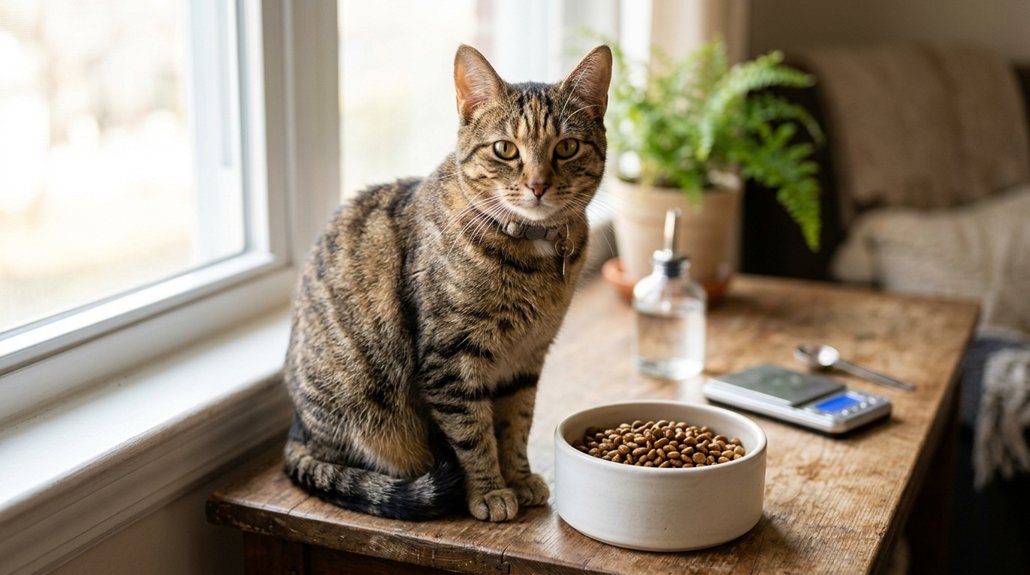
Every feline has unique nutritional needs, but a few fundamentals apply to all. As obligate carnivores, cats thrive on high-protein meal types rich in essential nutrients primarily found in animal products. A crucial component is taurine, an amino acid necessary for heart and eye health. When considering your cat’s diet, life stages matter; kittens demand more protein and calories for ideal growth, whereas senior cats may require specific meal types to address conditions like kidney disease.
Dietary supplements can be beneficial, but they must align with your cat’s unique health conditions. Collaborating with a veterinarian can guide you in selecting the right dietary choices. Remember, a balanced diet is essential to prevent distress and maintain overall health and longevity.
Spotting Nutritional Deficiencies in Your Cat
To guarantee your cat’s well-being, it’s essential to monitor signs of nutritional deficiencies that can manifest in various ways. Noticeable weight loss might indicate an imbalance in diet or inadequate calories, while unkempt fur often suggests a lack of essential nutrients like fatty acids. Additionally, behavioral changes, such as increased lethargy and altered eating habits, warrant a closer inspection of their diet and possible professional evaluation.
Recognizing Weight Loss Indicators
How does one recognize the subtle signs of weight loss in a cat that might point to nutritional deficiencies? Start by paying attention to your cat’s grooming habits. A once-pristine coat becoming dull or unkempt might indicate insufficient nutrition, as diet plays a vital role in maintaining a healthy appearance. Furthermore, a noticeable reduction in your cat’s weight, even if slight, can be an early warning sign of underlying health issues.
In addition to these visual clues, keep an eye out for gastrointestinal symptoms like vomiting or diarrhea, which could suggest nutritional imbalances. Regular monitoring of your cat’s weight is necessary—consult your veterinarian promptly if you observe any changes. Quick intervention can prevent further health complications and guarantee a balanced diet supports your pet’s well-being.
Observing Behavioral Changes
Why does your cat suddenly seem less playful or unusually irritable? Behavioral cues like mood swings might point to diet impacts, suggesting that nutritional deficiencies disrupt their health correlations. Cats may experience psychological effects, manifesting as anxiety signs with a notable shift in feeding habits. If your feline shows decreased or altered food preferences, investigate possible digestive or metabolic imbalances.
Such behavioral changes often require quick dietary interventions to prevent further health issues. A table below provides insights:
| Signs | Possible Causes |
|---|---|
| Lethargy | Protein or vitamin deficiencies |
| Irritability | Unstable diet impacts or essential fatty acids |
| Appetite changes | Digestive discomfort or nutrient imbalance |
| Excessive scratching | Allergies or mineral/vitamin deficiency |
Regular monitoring can help catch these cues early.
Identifying Skin and Coat Issues
While behavior provides immediate insights into dietary inadequacies, physical aspects, particularly skin and coat condition, serve as a tangible reflection of your cat’s nutritional health. An unkempt or dull coat may arise from insufficient grooming techniques, often due to deficits in essential fatty acids, such as omega-3 and omega-6. Skin issues like itching and lesions could signal food allergies or protein deficiencies, impacting overall coat maintenance. Regular assessment of your cat’s skin and fur can uncover dietary imbalances. The presence of shedding or lackluster fur necessitates a detailed nutritional check.
- Check for dullness or excessive shedding: Could indicate a lack of omega fatty acids.
- Monitor for itching or lesions: Potential signs of food allergies or imbalances.
- Observe coat texture changes: May suggest protein or amino acid deficiency, such as taurine.
Tailoring Diets to Your Cat’s Life Stage
Understanding the distinct nutritional needs at different life stages is vital for your cat’s health, especially focusing on kittens and senior cats. During their first year, kittens require a diet rich in protein and calories to support their rapid growth, whereas senior cats often need adjusted protein levels and specialized diets to address conditions like kidney disease. Regular consultations with your veterinarian are essential to tailor these dietary plans, ensuring your cat maintains peak health throughout its life.
Nutritional Needs for Kittens
Ever wondered how critical your choice in kitten food truly is? Selecting the right diet is paramount for kitten growth, ensuring robust development and health. Their early nutrition needs emphasize high protein requirements. Kittens need more calories than adult cats due to their rapid growth. It’s advisable to feed them more frequently, supporting their metabolism and energy requirements.
- Commercial diets: These are scientifically formulated to cover essential vitamins, minerals, and amino acids.
- Homemade meals: While tempting, can make it difficult to meet precise nutrient requirements without expert guidance.
- Feeding frequency: Opt for smaller, frequent meals to keep their energy levels stable.
Inadequate nutrition can stunt growth and weaken immunity, emphasizing the need for a balanced, tailored diet.
Adjusting Senior Cat Diets
As cats age, the shift to a senior diet becomes vital to address their evolving nutritional needs effectively. It’s important to modify protein sources, focusing on quality over quantity due to decreased requirements linked to potential kidney disease. Enhancing joint support with glucosamine and omega fatty acids can alleviate mobility issues, promoting overall health. Portion control and feeding adult maintenance food help manage weight as activity wanes. Regular vet consultations guarantee tailored diets for conditions like chronic kidney disease or heart problems.
| Nutritional Focus | Recommended Adjustments |
|---|---|
| Protein Sources | Limit intake, prioritize quality |
| Joint Support | Add glucosamine, omega fatty acids |
| Weight Management | Portion control, adjust food type |
| Kidney Health | Specialized diets, reduced protein |
| Regular Vet Visits | Tailored dietary adjustments |
This approach maintains peak well-being in senior felines.
Choosing Balanced Nutrition for Your Cat
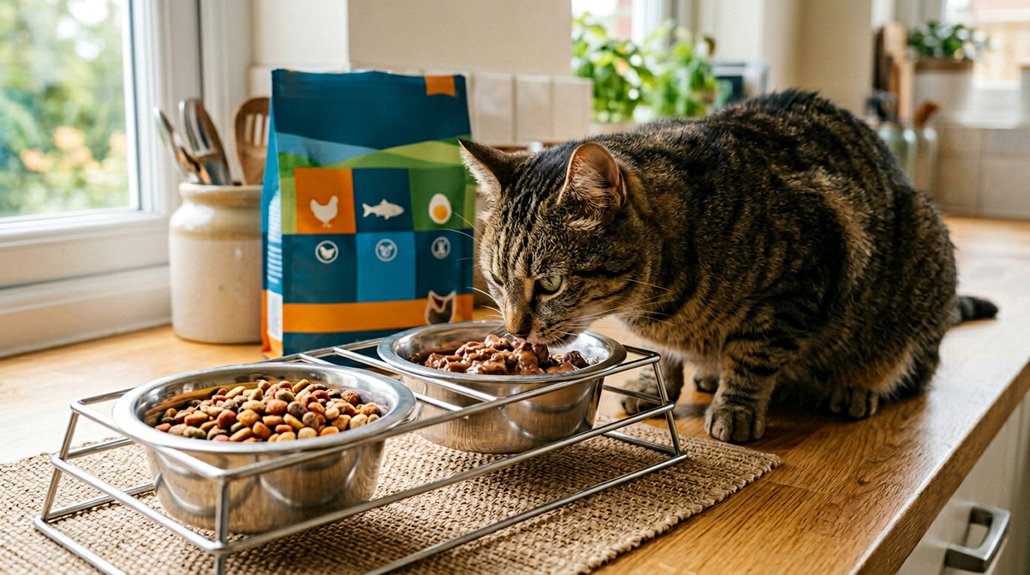
When selecting a balanced diet for your cat, it’s important to recognize their status as obligate carnivores, which necessitates a high-protein intake with moderate fat and minimal carbohydrates. Focus on high-quality protein sources like chicken, fish, or beef to guarantee they receive the necessary amino acids, particularly taurine, essential for heart and eye health. Meal frequency also plays a significant role—cats thrive on regular feeding schedules that align with their natural hunting instincts.
To maintain peak health:
- Include necessary nutrients such as taurine, fatty acids, and vitamins for skin and overall well-being
- Monitor signs of nutrition deficiencies, like an unkempt coat or gastrointestinal issues
- Offer a variety of food types to prevent finicky eating habits and guarantee nutrient diversity
This approach supports a healthier, more energetic lifestyle.
How to Handle Your Cat’s Dietary Challenges
Managing your cat’s dietary challenges requires a thoughtful and systematic approach to guarantee ideal health. Regularly monitoring their weight is essential, as even minor increases, like 10 extra kibbles daily, can lead to significant weight gain annually. When making dietary adjustments to accommodate eating preferences or health needs, take 7-10 days to prevent gastrointestinal upset. Use portion control instead of free-choice feeding to maintain a healthy weight. If food allergies are a concern, consult your vet for an elimination diet.
| Aspect | Strategy | Outcome |
|---|---|---|
| Weight Monitoring | Regular checks | Prevent obesity |
| Dietary Adjustments | Gradual changes (7-10 days) | Avoid upset |
| Portion Control | Meal feeding over free-choice | Healthy weight maintenance |
| Allergies Management | Vet-guided elimination diet | Identify allergens |
| Eating Behavior Changes | Immediate vet consultation | Address health issues |
Why Your Cat’s Diet Matters
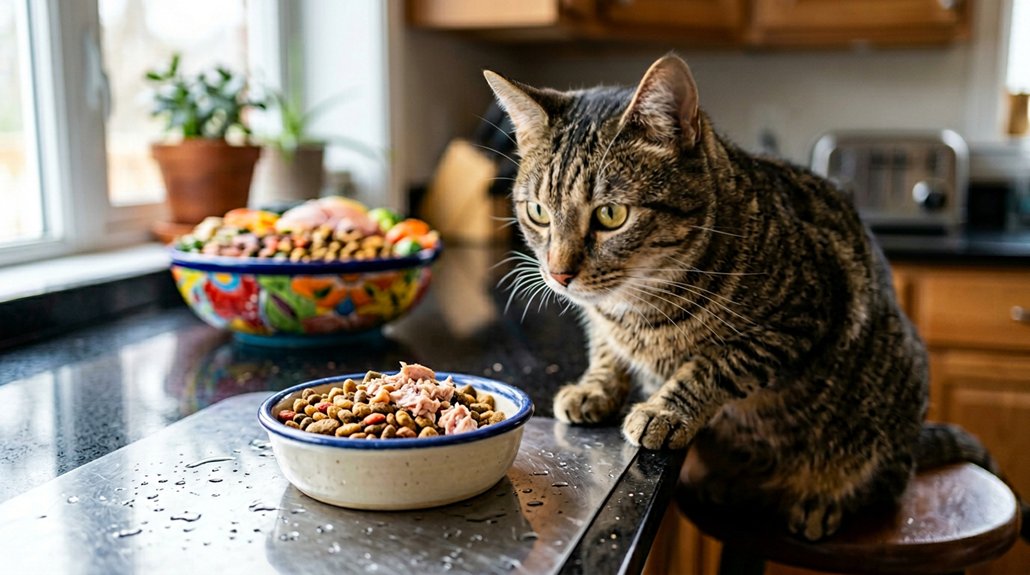
Given the essential role it plays in a cat’s health, a well-balanced diet should be prioritized to support their biological functions and mitigate disease risks. Cats, as obligate carnivores, demand high-protein cat food types to prevent weight loss and muscle deterioration. It’s important you include dietary supplements like taurine, essential for heart and eye health. Neglecting these specific needs can lead to serious health concerns. Consider these points:
- Prevents Obesity: Balanced diets reduce the risk of obesity-related issues.
- Supports Urinary Health: Proper formulations can prevent urinary tract problems.
- Aids Digestion: Key nutrients guarantee smooth digestive processes.
Consulting with a veterinarian can help tailor the diet to align with your cat’s health status and life stage.
Frequently Asked Questions
Can Cats Be Allergic to Certain Types of Protein in Their Diet?
Yes, your cat can indeed have protein sensitivity, leading to dietary intolerance. Identifying specific proteins they’re allergic to is essential for their well-being. Consult a veterinarian to determine the safe dietary options for your feline’s health.
How Often Should I Change My Cat’s Food Brand or Formula?
Change your cat’s food brand or formula only when necessary, like addressing allergies or ensuring nutritional balance. Gradual food shift over 7-10 days helps prevent digestive issues, allowing time to monitor any adverse reactions.
What Are the Signs of a Food Allergy in Cats?
Imagine your cat’s sails not quite trimming tight. Signs of a food allergy include persistent skin reactions, digestive issues, or signs of food intolerance. Seeking veterinary advice can help determine proper dietary changes to address these concerns.
Can Diet Affect My Cat’s Behavior or Temperament?
Yes, your cat’s diet influences behavior. Nutritional deficiencies impact mood, leading to irritability or lethargy. Ensuring a balanced diet with essential nutrients like amino acids and vitamins promotes stable temperament and overall well-being in cats.
Is It Safe to Give My Cat Homemade Meals Regularly?
Yes, you can safely give your cat homemade meals regularly if you guarantee nutritional balance. While homemade meal benefits include quality control, consult a vet to address nutritional balance concerns like essential vitamins and taurine requirements.
Conclusion
A balanced diet is key to your cat’s health, influencing everything from energy levels to longevity. Did you know that cats on a high-protein diet live, on average, two years longer than those without? Understanding your cat’s nutritional needs helps prevent deficiencies and supports each life stage. Addressing dietary challenges guarantees a well-rounded approach to their health. Your role in selecting the right nutrition directly impacts their overall well-being, so make informed decisions for your feline friend.