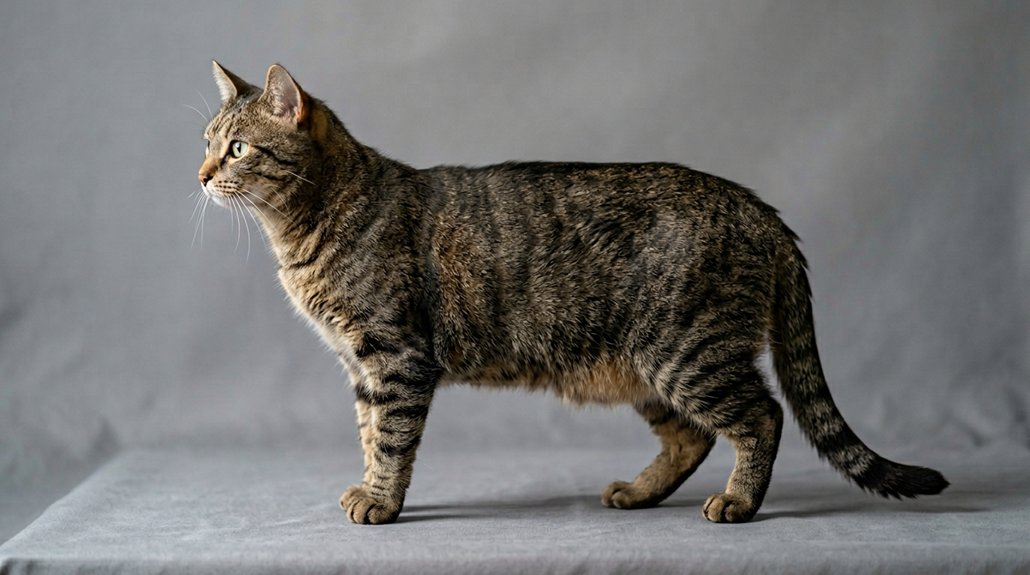
A healthy weight for your cat generally ranges from 8 to 12 pounds, but this varies by breed, age, and lifestyle. For example, Abyssinians usually weigh 6-8 pounds, while Maine Coons can reach 20 pounds or more. Regular check-ups and monitoring at home help maintain this balance. Look for signs like a visible waistline and easily felt ribs. If you’ve noticed weight fluctuations or other symptoms, professional advice can enhance your understanding and support your feline’s well-being.
Key Takeaways
- The ideal weight for most cats ranges from 8 to 12 pounds, varying by breed.
- A Body Condition Score of 4 to 5 on a 9-point scale indicates a healthy weight.
- Regularly weigh your cat every 2-4 weeks to monitor weight fluctuations.
- A healthy weight prevents obesity-related risks like diabetes and heart disease.
- Veterinary consultations help assess weight and provide tailored nutrition plans.
Quick Guide to Your Cat’s Ideal Weight
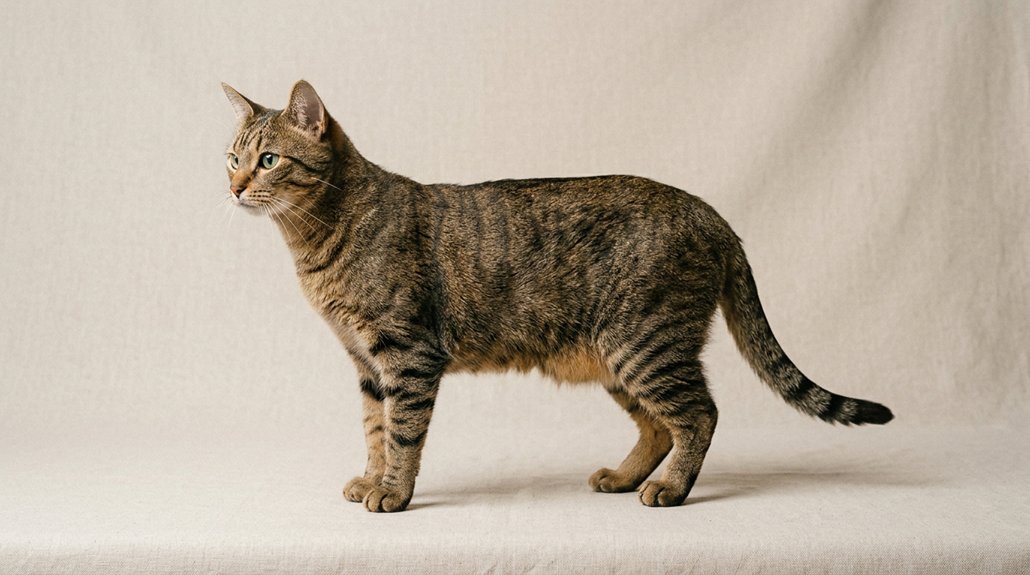
Maintaining your cat’s ideal weight is essential for its overall health and well-being. Recognizing ideal weight ranges helps you evaluate your cat’s health accurately. For most cats, an ideal weight typically falls between 8 to 12 pounds, although variations occur due to breed specifics. Abyssinians often do well between 6–8 pounds while sizeable Maine Coons may range from 12–20+ pounds. Key in evaluating weight is the body condition score (BCS), where a 4 to 5 on a 9-point scale demonstrates a healthy weight. You should aim to feel ribs easily, observe a clear waist from above, and notice a flat tummy profile side-on. Regularly weighing your cat every 2-4 weeks guarantees early intervention in case of weight fluctuations.
Influences on Your Cat’s Weight
When considering your cat’s weight, it’s important to account for breed-specific differences, as a Maine Coon’s healthy weight can vastly differ from that of a domestic shorthair. Age also plays a critical role, with kittens experiencing rapid growth and adults potentially encountering weight fluctuations due to metabolic changes. Additionally, if your cat has been spayed or neutered, the resulting hormonal changes may lead to increased appetite, necessitating careful dietary adjustments to maintain a healthy weight.
Breed-Specific Weight Differences
Various factors influence a cat’s weight, with breed-specific characteristics playing a significant role in establishing the ideal weight range. Abyssinian weights typically range from 6-8 pounds. In contrast, Maine Coon sizes can vary dramatically, from 12 to over 20 pounds. Domestic Shorthair averages hover around 10 pounds, although individual healthy weights might diverge due to genetic and lifestyle variables. Persian weight ranges are between 7-14 pounds, with their dense fur influencing their appearance and body structure. Ragdolls, often reaching up to 20 pounds, require vigilant monitoring of their body condition to maintain health. Finally, Sphynx characteristics, including their hairless, muscular build, suggest a preferred weight between 6-12 pounds, aligning with their medium-boned structure.
Age-Related Weight Changes
As cats progress through different life stages, age-related weight changes become a significant consideration. During kitten growth, they rapidly gain weight and maturity is generally reached between 6 to 12 months, often aligning with the average weight range of their breed. As your cat shifts into adulthood, metabolic changes increase susceptibility to weight gain. It’s important to monitor their weight vigilantly, adjusting their diet and exercise regimen accordingly. When addressing senior nutrition, be aware that older cats may lose weight due to health issues, and annual veterinary check-ups are necessary to manage and understand these changes. With reduced energy requirements and activity levels in seniors, it’s essential to adapt calorie intake to prevent obesity or becoming underweight and maintain your pet’s well-being.
Spay/Neuter Weight Impact
Spaying or neutering significantly alters your cat’s hormonal balance, impacting its appetite and metabolic rate. After surgery, a cat’s post-surgery metabolism often slows, necessitating dietary adjustments to prevent obesity. Neutered male cats typically need about 30% fewer calories than unaltered ones, meaning portion control becomes essential. Research indicates that spayed or neutered cats are generally heavier and have a higher risk of obesity relative to unaltered cats. Regular veterinary check-ups can provide valuable data on your cat’s weight trajectory and guide necessary dietary adaptations. Implement a structured feeding strategy—consider specialized nutrition formulas designed for post-surgery metabolism changes to maintain peak health. Vigilance and precision in managing your cat’s diet will guarantee it remains within a healthy weight range.
Home Weighing and Monitoring for Cats
While keeping track of your cat’s weight is essential for its health, doing so at home can be straightforward and effective with the right tools and techniques. Utilize weighing techniques by employing a baby or pet scale for precise readings. Alternatively, weigh yourself first, then step on the scale holding your cat to calculate the difference. Commit to weight tracking every 2-4 weeks, logging weights to detect trends indicating potential health issues. Maintain a detailed log, including weight and body condition score, for ongoing analysis. Capture periodic photos to visually compare your cat’s form alongside these numerical changes. Such regular monitoring aids in recognizing slight weight fluctuations, prompting timely veterinary consultations if necessary. This guarantees your cat remains within a healthy weight range.
Overweight Cats: Symptoms and Risks
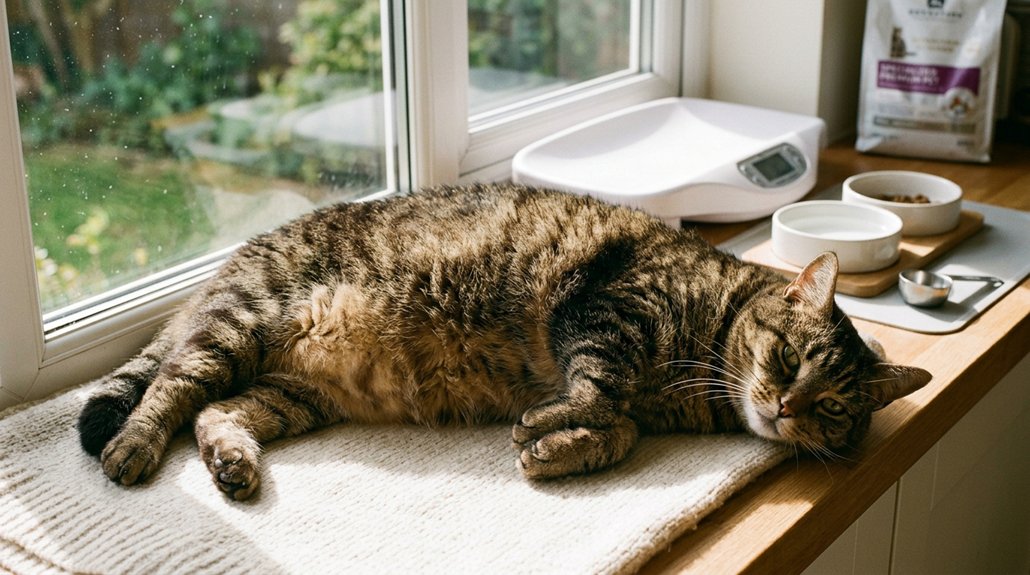
Overweight cats face a range of symptoms and health risks that make it vital for cat owners to recognize and address the issue early. Signs include difficulty in feeling the ribs, absence of a defined waistline, and a sagging belly. Cats with a Body Condition Score (BCS) of 7 or higher are at risk of serious conditions such as diabetes, osteoarthritis, and heart disease. Regular weight management is imperative given that 60% of U.S. cats are overweight. Monitoring weight effectively prevents obesity and its complications.
| Symptom/Sign | Risk Factor | Importance |
|---|---|---|
| Difficulty with ribs | Diabetes Mellitus | Monitoring is essential |
| Lack of waistline | Osteoarthritis | Obesity prevention |
| Fat pad presence | Heart disease | Weight management |
Keeping Your Cat Fit: Exercise and Diet Tips
The path to keeping your cat fit relies on two fundamental components: exercise and diet. Active play, such as chasing toys or engaging in interactive sessions, is essential for maintaining a healthy weight. Prioritize daily, varied activities that stimulate both interest and movement. Diet plays an equally crucial role; implement feeding schedules to curb overeating. Opt for high-quality foods rich in lean protein and minimize reliance on free-feeding practices. Instead, offer multiple small meals throughout the day to support digestion and weight control. Treats should account for no more than 10% of daily caloric intake. Enhance mealtime with interactive feeding methods, like puzzle feeders, to slow consumption and promote additional physical activity. This balanced routine is critical for your cat’s health.
Is It Time to Call the Vet About Your Cat’s Weight?
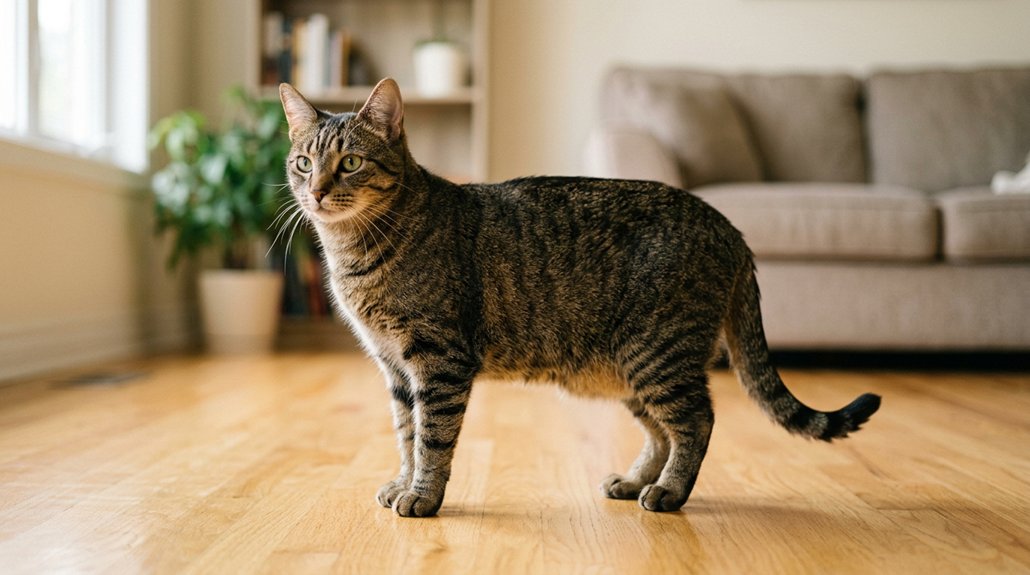
If your cat’s weight consistently falls outside the 8–12 pound range typical for most, consulting your veterinarian is essential. Difficulty feeling your cat’s ribs or losing the distinction of a waistline indicates the need for expert advice, as does an unexpectedly sharp waist suggesting undernutrition. Regular monitoring and prompt veterinary consultation can address weight concerns early and mitigate serious health risks.
Recognizing Weight Concerns
How can you tell if it’s time to consult a vet about your cat’s weight? Regular weight tracking is vital. If your cat’s weight deviates from the typical range of 8 to 12 pounds, depending on breed, it’s important to assess body condition regularly. Look for signs of concern: difficulty feeling rib or hip bones and a sagging belly may indicate overweight, while prominent ribs and a sharply defined waist suggest underweight issues. Implement monthly weigh-ins to monitor changes. If your cat’s body condition score (BCS) is 7/9 or above, or if there’s an unexplained weight fluctuation, it’s time to reach out to a vet. Early recognition of weight concerns safeguards your cat’s best health and longevity.
Consulting Veterinary Expertise
When evaluating your cat’s weight, it’s important to know when professional veterinary expertise is necessary. Regular check-ups allow veterinarians to monitor weight using body condition scoring (BCS), examining health with criteria such as rib visibility and waistline shape. If your cat’s weight deviates from the ideal 8-12 pound range for its breed, consult a vet for tailored nutrition plans and behavior evaluations. Obesity signs, like difficulty feeling ribs or an absent waistline, require a veterinary evaluation to avert health risks like diabetes or arthritis. Additionally, unexplained weight loss or fluctuations could indicate underlying health problems. After spaying or neutering, dietary and activity modifications are vital. A veterinarian’s guidance guarantees effective weight management, promoting long-term feline health and well-being.
Frequently Asked Questions
Is 20 Lbs Too Heavy for a Cat?
Yes, 20 lbs is generally too heavy for a cat, indicating potential obesity. Check for obesity signs, like difficulty feeling ribs or lacking a visible waistline. Evaluate cat weight regularly, factoring in breed-specific norms and health assessments.
What Is the 3-3-3 Rule for Cats?
The 3-3-3 rule suggests cats take three days to settle, three weeks to feel comfortable, and three months to fully adjust. Maintaining weight management and observing cat body condition during this period is essential.
What Annoys Cats the Most?
Cats are most annoyed by loud noises and unfamiliar smells. These disruptions elevate stress and anxiety levels, disrupting their routine. Your feline friend values consistency and tranquility, so minimizing such disturbances will markedly enhance their well-being.
How Do Cats Say Goodbye?
You’ll notice your cat’s behavior changes coincidentally as they prepare to say goodbye. Feline communication includes increased vocalization, solitude, weight loss, or clinginess, often driven by a terminal illness. They seek comfort and reassurance from you.
Conclusion
You’ve learned the essentials to keep your feline friend at a healthy weight. But here’s the clincher: what if your cat’s subtly hiding an unhealthy secret? Ah! Those extra pounds can stealthily lead to serious health issues you wouldn’t imagine. It’s vital to remain vigilant, keeping an eye on diet and exercise. If you’re uncertain or notice any concerning signs, don’t hesitate. Reach out to your vet immediately. Your cat’s life could depend on it.