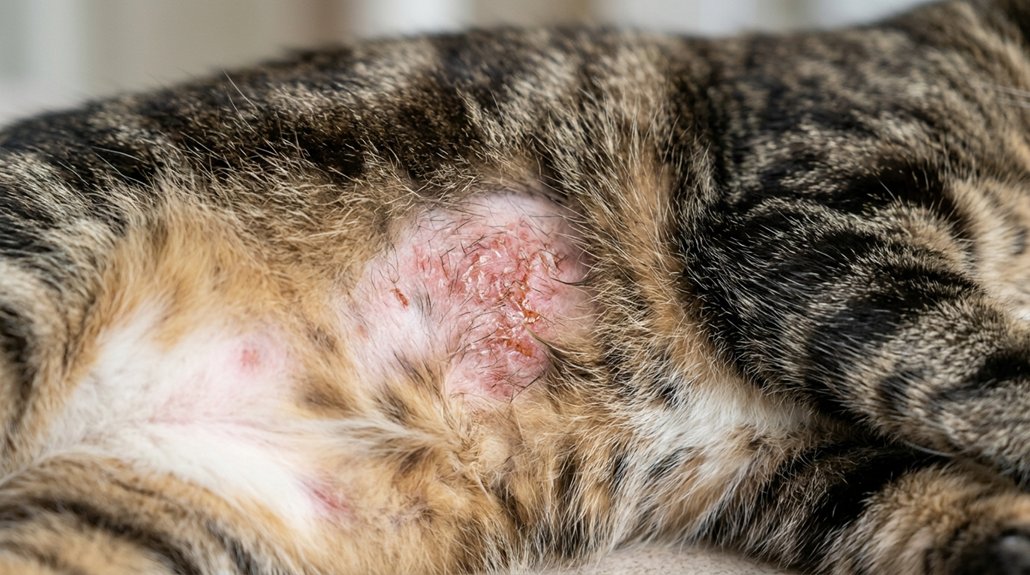
Understanding cat skin problems involves recognizing causes like parasites, allergens, and infections. Key issues include flea allergy dermatitis, feline acne, and ringworm. Treatment might require antiparasitics, antifungals, or antibiotics depending on the diagnosis. Maintaining a balanced diet and regular grooming supports skin health, while avoiding known allergens prevents flare-ups. Watch for symptoms like excessive scratching and consult your vet when needed. Discover effective prevention and treatment strategies to optimize your cat’s skin health further.
Key Takeaways
- Flea allergy dermatitis and ringworm are common causes of cat skin problems that require targeted treatments.
- Parasites, allergens, infections, and nutrition deficiencies are primary causes of cat skin issues.
- Veterinary diagnostics are essential for identifying specific causes of cat skin problems accurately.
- Treatments include antiparasitics, antibiotics, antifungals, and corticosteroids depending on the underlying cause.
- Maintaining a nutritious diet and regular grooming helps prevent and manage cat skin problems effectively.
Recognizing Common Cat Skin Problems
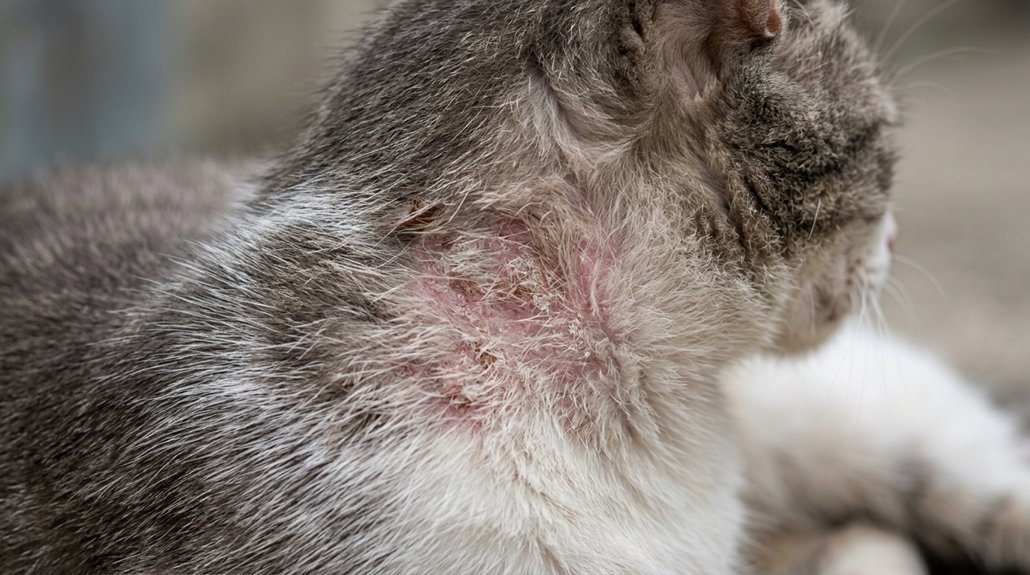
Understanding the various skin issues cats face is essential for maintaining their overall health and well-being. Recognizing common cat skin problems such as flea allergy dermatitis necessitates diligent flea prevention practices. Implement effective grooming techniques to minimize risks. Regular grooming can help identify early signs of feline acne, which often emerges as chin blackheads caused by improper grooming or stress. Observing your cat for crusty or irritated skin may indicate allergic dermatitis from food or environmental allergens. Prompt identification is vital for successful management. Ringworm, particularly in young felines, presents as circular hair loss patches and underscores contagious risks. Superficial pyoderma results from bacterial or yeast infections, requiring timely intervention to curb itching and prevent complications in your cat’s skin health.
Identifying Causes of Cat Skin Issues
To effectively address cat skin problems, it’s crucial to identify their causes, which often include parasites, allergens, and poor grooming practices. Allergens like certain foods or environmental factors can result in symptoms such as itching and hair loss, necessitating precise veterinary diagnosis for appropriate treatment. A systematic evaluation by a veterinarian guarantees the correct identification and management of these issues, promoting ideal skin health in your pet.
Common Causes of Skin Issues
When identifying the common causes of skin issues in cats, it’s vital to take into account the role of parasites, allergies, infections, grooming habits, and nutrition. These elements, if neglected, can severely compromise your cat’s skin health. Consider these key factors:
- Parasites: Fleas and mites are a direct trigger of itching and irritation, necessitating vigilant prevention efforts.
- Dietary Influences: A balanced diet is fundamental; nutritional deficiencies often manifest as dry skin and coat issues, underscoring the need for proper nutrition.
- Grooming Techniques: Inadequate grooming may cause debris buildup, leading to infections and other dermatological complications. Maintain regular grooming to mitigate these risks.
Understanding these causes will guide you in effectively addressing and preventing skin problems in cats.
Role of Allergens
Allergens play a significant role in cat skin issues, with various types triggering reactions that can be challenging to manage. Environmental allergens such as pollen, dust mites, and mold may contribute to skin sensitivity and allergic reactions, requiring vigilant allergen management strategies. Food allergies often manifest as intense itching around the head and neck, necessitating an elimination diet to pinpoint the exact allergen. Flea reaction is particularly pervasive, where cats suffer from flea allergy dermatitis, marked by severe itching and hair loss. Contact irritants like grooming products can result in contact dermatitis, leading to localized skin irritation. Additionally, eosinophilic granuloma occurs due to specific allergic responses, forming raised lesions associated with flea bites or food allergies, highlighting the complexity of allergen identification.
Importance of Veterinary Diagnosis
Managing allergens effectively forms a part of addressing cat skin issues; however, pinpointing their underlying causes is paramount. A thorough examination by a veterinarian is essential for accurate diagnosis, reducing treatment challenges linked to misidentification. Diagnostic techniques are critical, combining both clinical evaluation and testing to identify the problem precisely. Consider these diagnostic methods:
- Flea combing – Detects the presence of external parasites effectively.
- Skin scraping – Examines for mites or infections that may not be visible.
- Fungal cultures – Identifies fungal pathogens contributing to dermatological conditions.
Your cat’s history, including exposure and timelines, heavily influences diagnosis, guiding these techniques. Regular monitoring of treatment responses further aids in confirming diagnoses, ensuring timely interventions. Early, accurate diagnosis enhances therapeutic outcomes and improves overall quality of life for cats.
Identifying Symptoms of Cat Skin Problems
You’ll want to closely observe your cat for excessive scratching, biting, or grooming behaviors, as these can indicate skin problems potentially causing bald spots and redness. Changes in coat condition, such as dandruff or matting, alongside feline acne symptoms like chin blackheads, should be noted as they suggest underlying health concerns. Be vigilant for signs of ringworm and allergic reactions by watching for circular hair loss or crusty lesions, and identify possible triggers like certain foods or environmental factors.
Common Signs to Watch
How can you identify skin problems in your cat before they become serious? Monitoring their scratching behavior and fur loss is vital. Be alert to these common signs:
- Excessive Scratching: Frequent scratching behavior can lead to self-induced trauma and is a hallmark of skin issues. If your cat is scratching more than usual, it may indicate a problem that needs addressing.
- Fur Loss: Observe for patches of missing fur. This fur loss could be a result of excessive grooming due to irritation or underlying conditions like allergies or parasites.
- Skin Texture Changes: Redness, swelling, or scabs are often visible on areas with fur loss. Look for dry or flaky skin, which may appear as dandruff, as these are signs of potential nutritional deficiencies or infections.
Behavioral Changes in Cats
Monitoring physical signs such as excessive scratching and fur loss plays a vital role in identifying potential skin problems in cats. Changes in grooming habits, like increased frequency or intensity, often signal discomfort. Behavioral indicators, including compulsive grooming, fur biting, or the emergence of bald spots, may point to underlying issues such as flea infestations or allergies. These conditions can result in self-inflicted wounds, redness, or scabby skin, necessitating veterinary assessment. Furthermore, observe signs of irritability, lethargy, or reduced appetite accompanying these behavioral changes. Such symptoms could indicate more serious health concerns linked to dermatological disturbances. Early attention to these behavioral indicators is essential in managing your cat’s skin health and ensuring prompt, effective veterinary intervention.
How Vets Diagnose Skin Issues
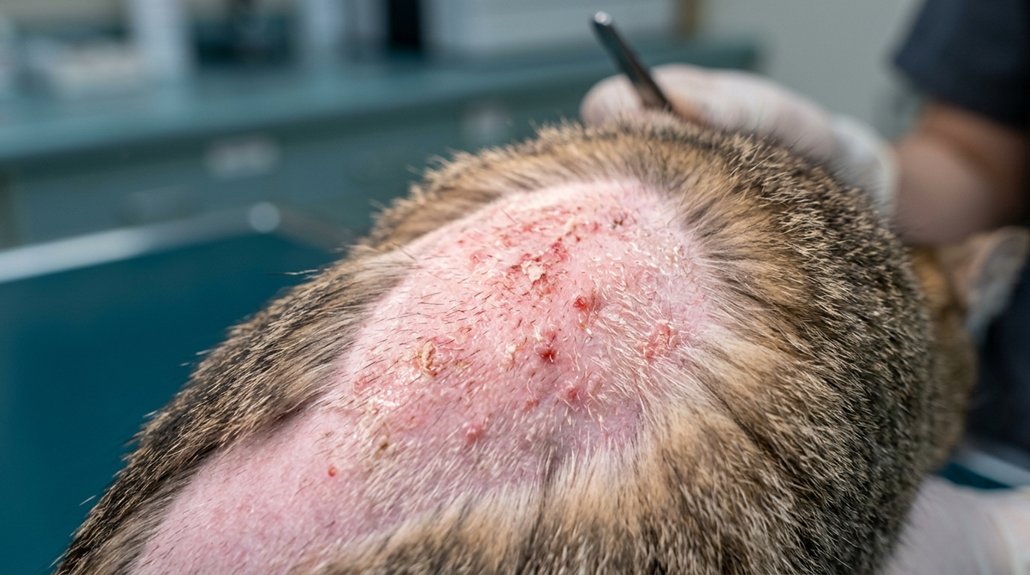
A thorough veterinary evaluation of feline skin problems involves several diagnostic steps to pinpoint the root cause. Diagnostic techniques begin with a detailed symptom evaluation, accounting for the timeline and potential exposure to allergens. The physical exam focuses on skin and fur abnormalities. Here’s what typically happens:
- Initial Assessment: Vets assess symptoms and conduct a detailed history to identify possible triggers like allergens or parasites.
- Diagnostic Tests: Utilizing flea combing to spot infestations, skin scraping for parasites or infections, and fungal cultures to detect ringworm are common next steps.
- Further Investigation: If necessary, biopsies might be taken for complex issues, while allergy testing and dietary trials can reveal if food or environmental sensitivities are at play.
Treatment Options for Cat Skin Problems
Several effective treatment options are available for managing cat skin problems. You might use antibiotics for bacterial infections, antifungals for fungi, or antiparasitics for flea infestations. Systemic corticosteroids help control inflammation and itching associated with dermatological issues. Topical treatments like medicated shampoos offer localized care without systemic side effects.
| Treatment Type | Purpose |
|---|---|
| Antibiotics | Bacterial infections |
| Antifungals | Fungal infections |
| Antiparasitics | Fleas, mites |
| Corticosteroids | Inflammation control |
For food-related allergies, a hypoallergenic diet is crucial. Utilizing holistic approaches and natural remedies can support traditional treatments. It’s important to monitor and adjust treatments according to your cat’s response. Consult your veterinarian to guarantee thorough care. Follow-up appointments will aid in tracking your cat’s progress and making necessary adjustments.
Steps to Prevent Recurrence
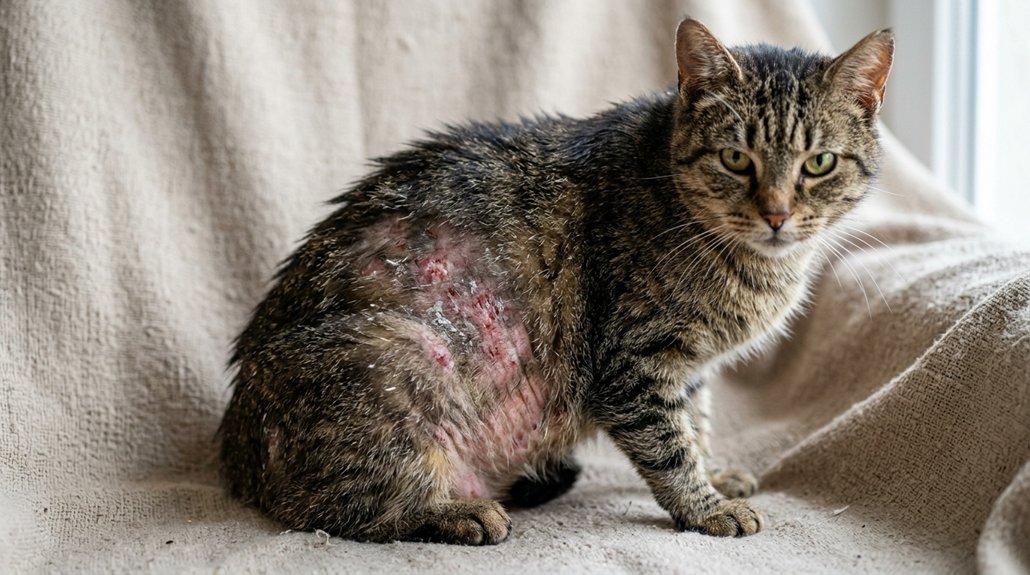
Even though you’ve managed your cat’s current skin issues, it’s essential to implement preventative measures to avoid recurrence. Enhancing your cat’s skin health involves several strategic actions:
- Diet: Guarantee a high-quality, nutritious diet enriched with omega fatty acids. This strengthens the skin’s barrier, minimizing dermatological risks.
- Parasite Control: Consistently apply flea and tick prevention. These parasites often trigger skin infections and allergies, so regular control is paramount for ongoing skin health.
- Environment: Limit exposure to known allergens—either food-related or environmental. Reducing these exposures can substantially lower the risk of allergic dermatitis flare-ups.
Additionally, establish a regular grooming routine to remove dead hair and debris, aiding in better skin inspection and preventing matting that could trap bacteria or irritants.
When to Visit Your Vet
While preventative measures play a key role in managing your cat’s skin health, recognizing when veterinary care is necessary assures more serious conditions are addressed promptly. You should know when to worry, as persistent itching, excessive grooming, redness, or bald patches demand immediate veterinary consultation. Regular check-ups are essential, particularly for breeds susceptible to dermatological issues. Persistent conditions like flaking or dry skin may signal underlying health problems, requiring urgent attention. Furthermore, emergency signs such as lethargy, decreased appetite, or any sudden skin changes, like lesions or lumps, necessitate an immediate vet visit. These symptoms might indicate infections or skin cancers. Prompt intervention assures thorough care and ideal health outcomes for your feline companion.
Tips for Healthy Cat Skin
Making certain your cat’s skin remains healthy involves a combination of regular care and attention to detail. Implementing effective grooming techniques and adhering to diet recommendations can profoundly impact their skin health. Regularly groom your cat to eliminate dead hair and prevent matting, while also facilitating early detection of any skin issues or parasites. Additionally, a diet rich in omega fatty acids is vital to maintaining skin hydration and strengthening the protective barrier against irritants.
Here are key steps to take:
- Groom Weekly: This prevents tangles and provides opportunities to spot skin changes.
- Optimize Diet: Choose a premium diet with essential nutrients to enhance skin quality.
- Environmental Control: Keep flea, tick prevention current, limit allergen exposure, and maintain a clean habitat.
Regular veterinary consultations are also recommended for proactive care.
Frequently Asked Questions
Can Diet Impact a Cat’s Skin Health?
Yes, your cat’s diet can impact its skin health. Dietary allergens might cause irritation, while skin supplements like omega-3 fatty acids could enhance coat condition. Make certain you’re providing a balanced diet tailored to their specific needs.
Are Certain Cat Breeds More Prone to Skin Issues?
Not all cat breeds are created equal; some do have a genetic predisposition to skin issues due to specific breed characteristics. You should be aware of these predispositions to manage potential skin conditions effectively.
How Does Indoor vs. Outdoor Living Affect Cat Skin Conditions?
Indoor living minimizes your cat’s parasite exposure, reducing some skin issues. In contrast, outdoor environments increase vulnerability to fleas, ticks, or other environmental factors, potentially exacerbating skin conditions. Regular monitoring and preventive measures are essential for both lifestyles.
What Natural Remedies Help Improve Cat Skin Health?
You’ll find herbal treatments like aloe and chamomile effective, along with topical applications of essential oils like lavender. Incorporate omega-rich fatty acids in their diet and use soothing baths with oatmeal. Explore homeopathic remedies for holistic care.
Is Stress Linked to Skin Problems in Cats?
Yes, stress can lead to skin problems in cats. Look for stress symptoms such as behavioral changes. Addressing these issues promptly might help alleviate stress-related dermatological conditions, ultimately supporting your cat’s overall skin health professionally.
Conclusion
In addressing cat skin problems, understanding their causes, symptoms, and treatments is vital. Notably, studies show that up to 10% of all vet visits are related to skin issues. This highlights the importance of proactive care and timely intervention. Always consult your vet for accurate diagnosis and treatment plans. Remember, implementing preventive measures can greatly reduce recurrence. Prioritize regular grooming and a balanced diet to maintain ideal skin health for your feline companion.