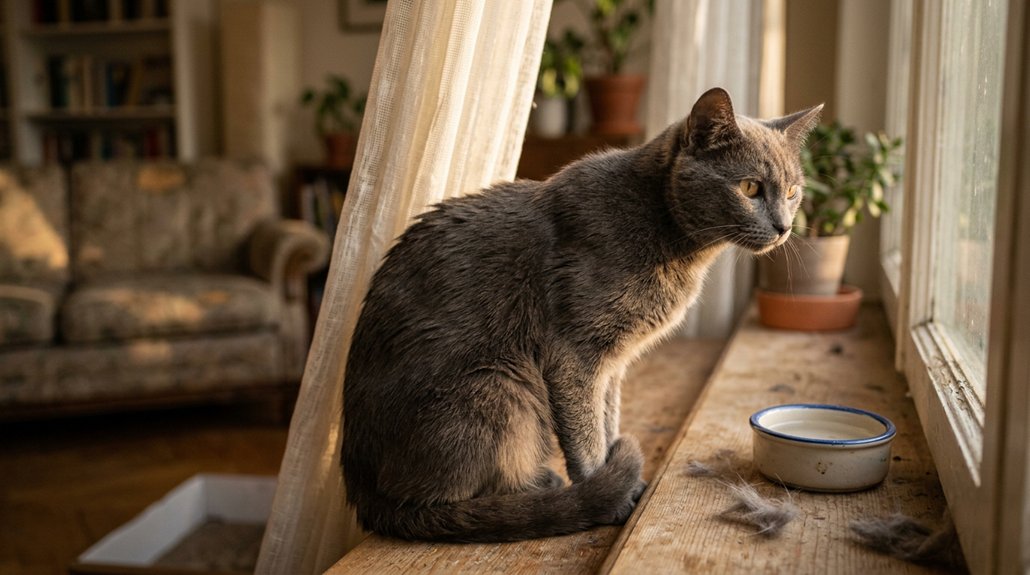
Your cat’s sudden weight loss could be due to stress from changes in routine or psychological factors affecting appetite. Medical conditions like diabetes, gastrointestinal issues, or kidney disease often cause weight loss despite normal eating. Symptoms include increased thirst, urination, hiding, or lethargy. A dental problem can also lead to decreased eating. Monitor these signs and consult a veterinarian for diagnostics. Understanding these causes will help you identify solutions and improve your cat’s health.
Key Takeaways
- Sudden weight loss in cats may indicate serious medical conditions like diabetes or gastrointestinal diseases.
- Stress and environmental changes can lead to behavioral changes and reduced food intake in cats.
- Dental issues can cause oral pain, decreasing a cat’s ability to eat properly.
- Increased thirst and urination are symptoms of diabetes or kidney disease causing weight loss.
- Rapid weight loss requires immediate veterinary attention and diagnostic evaluation.
Identifying Primary Causes of Unexplained Weight Loss
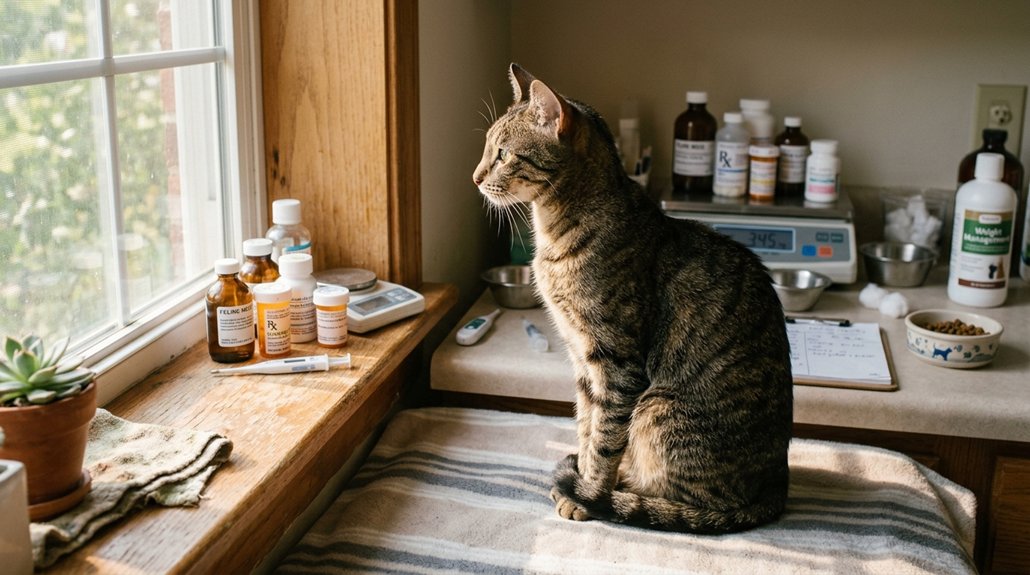
When your cat starts losing weight without clear reason, understanding the potential causes is essential. One primary consideration involves psychological factors often linked to stress. Events such as the introduction of new pets or changes in household routines can unsettle your cat, leading to reduced food intake. Such stress-induced behavioral changes impact overall well-being, causing noticeable weight reduction.
Environmental influences also play a critical role in your cat’s weight loss. Cats are sensitive to alterations in their surroundings, and even minor modifications can result in decreased appetite. Make certain their feeding area is calm and consistent to mitigate these effects. Identifying these psychological and environmental issues requires careful observation and prompt action, facilitating early intervention to restore your feline companion’s health.
Understanding Medical Conditions Impacting Weight
Sudden weight loss in cats often signals serious medical conditions necessitating attention. One prevalent issue is diabetes, marked by increased thirst, urination, and appetite despite ongoing weight loss. Gastrointestinal complications like inflammatory bowel disease or cancer disrupt nutrient absorption, causing weight loss even with normal eating habits. Dental problems, such as periodontal disease, result in oral pain, impacting the ability to eat, and are often linked with bad breath and drooling. Kidney disease fosters weight loss due to waste accumulation, coupled with increased thirst and fatigue. Particularly severe, cancer, including lymphoma, demands urgent diagnosis for treatment like chemotherapy. It’s essential to seek veterinary advice if any of these weight loss-related conditions are suspected in your cat.
Spotting Symptoms and Behavioral Changes

Identifying the subtle signs of distress in your cat can be challenging but important for their health. Sudden weight loss, despite normal eating, could signal underlying issues. Watch for behavioral cues like increased hiding or vocalization and aggression, as these can indicate stress or medical problems. Lethargy and decreased energy are essential health indicators, pointing to systemic diseases affecting appetite.
Observe physical signs, including poor grooming resulting in a dull coat or dental issues such as drooling and bad breath, which may accompany weight loss. Monitor changes in bathroom habits; increased thirst and urination might suggest diabetes or kidney disease. Timely identification and attention to these symptoms are critical for addressing potential health issues in your feline companion effectively.
Reviewing Your Cat’s Health and Diet
Upon noticing potential symptoms of distress in your cat, reviewing their health and diet becomes critically important. Begin with an extensive nutritional assessment. Monitor daily caloric intake diligently, as decreased food consumption or impaired nutrition absorption might signal underlying health issues. Cats aged 10-12 years often experience nutrient absorption challenges, contributing to weight loss despite normal eating behaviors. Examine changes in eating habits—oral pain from dental problems can severely affect food consumption, necessitating dietary adjustments. Keep a meticulously detailed nutritional history, capturing the types and quantities of food consumed. This valuable data assists in identifying dietary issues, ensuring your cat maintains a balanced diet. Such thorough examination helps pinpoint reasons behind weight loss and informs appropriate interventions, enhancing your cat’s health.
Knowing When to Visit the Vet
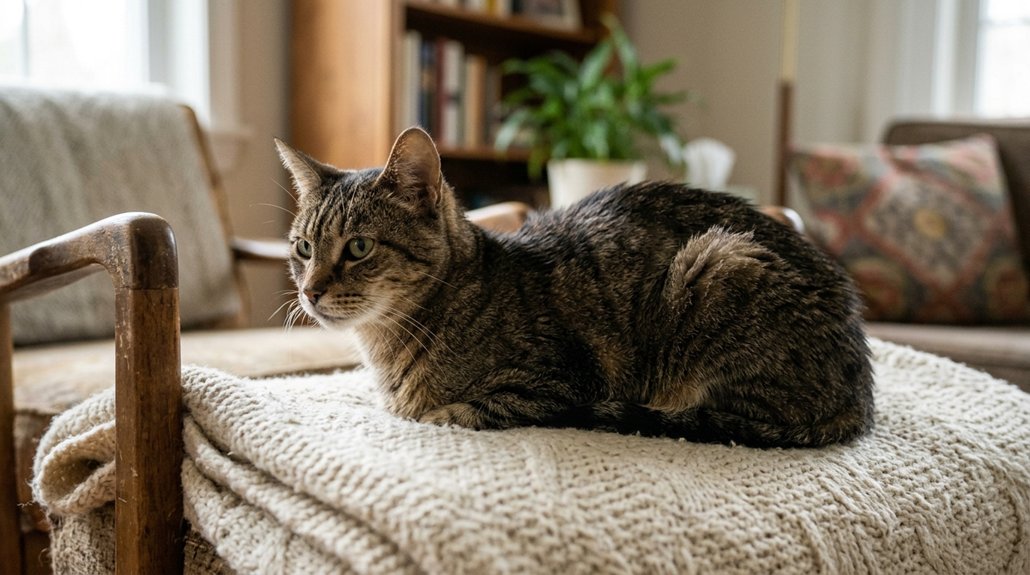
While it’s natural to be concerned when your cat loses weight, recognizing the signs that require veterinary attention is essential. Emergency signs include refusal to eat for more than 24 hours, which can quickly lead to fatty liver disease. Rapid weight loss over just a few days necessitates timely intervention to uncover possible underlying conditions. Yellowing of the gums, eyes, or skin represents a critical emergency requiring immediate veterinary care. Severe lethargy or low energy levels, especially combined with other alarming symptoms, demand prompt action. Document any behavioral, appetite, or activity changes to assist your veterinarian in evaluating the urgency. Timely intervention could prevent potential life-threatening complications, ensuring your cat receives the care needed to address the underlying health issues.
Diagnostic Tests and Procedures Explained
When your cat experiences sudden weight loss, understanding the available diagnostic tests and procedures is vital for pinpointing the underlying cause. Initial blood tests, including a complete blood count (CBC) and serum biochemical profile, are essential for evaluating overall health and organ function. For cats aged 7 years and older, measuring total thyroxine concentration can reveal hyperthyroidism, a frequent cause of weight reduction. A urinalysis complements these evaluations by helping to identify kidney and urinary tract issues.
In cases where parasites are suspected, a fecal flotation test is important, especially for outdoor-access felines. Advanced imaging techniques, like abdominal ultrasonography, reveal gastrointestinal tract anomalies, such as tumors or inflammatory bowel disease. Finally, an extensive nutritional history guarantees caloric intake is adequate despite potential underlying pathologies.
Maintaining Your Cat’s Health and Monitoring Progress
Understanding the diagnostic tests and procedures informs the next steps in care: maintaining your cat’s health and monitoring their progress effectively. Implementing health monitoring involves routine veterinary check-ups to catch early signs of weight loss and underlying conditions. Daily monitoring of your cat’s food and water intake is essential for identifying changes that may necessitate dietary adjustments. Observing behavioral changes—such as lethargy or shifts in grooming habits—provides important insights into their health status.
- Keep records: Note any fluctuations in body condition and muscle tone to detect subtle weight loss.
- Create a serene environment: Reduce stress and provide easy access to food and water to promote healthy eating patterns.
- Adjust diet: Consult your vet to tailor dietary adjustments that align with your cat’s health needs.
Frequently Asked Questions
Why Did My Cat Get so Skinny All of a Sudden?
Your cat’s sudden weight loss might stem from possible causes like diabetes, hyperthyroidism, gastrointestinal issues, or parasites. Stress and infections also contribute. It’s crucial to consult a vet for diagnosis and prompt treatment to prevent complications.
What Is the 3-3-3 Rule for Cats?
The 3-3-3 rule for cats is like a blueprint; it maps out the cat adjustment period, highlighting initial stress factors. Expect behavior shifts over three days, three weeks, and full acclimatization after three months.
When to Worry About Your Cat Losing Weight?
Worry when your cat’s losing more than 10% of its body weight rapidly. Investigate potential health issues, dietary changes, stress factors, and dental problems. Signs like vomiting or increased thirst demand immediate veterinary evaluation to prevent complications.
How to Tell When a Cat’s Body Is Shutting Down?
You can spot a cat’s body shutting down by observing symptoms signaling end-of-life stages like decreased appetite, lethargy, altered breathing, or behavioral changes such as hiding, aggression, or diminished grooming, indicating critical health decline.
Conclusion
If your cat’s shedding pounds unexpectedly, it’s important to act swiftly like a captain steering through stormy seas. Turning a blind eye to subtle signals could lead to a hidden medical tempest. A thorough understanding of possible medical conditions, combined with vigilant observation of your cat’s habits and diet, is vital. In times of uncertainty, professional advice from a vet is your North Star. Keeping track of diagnostics and treatments will guarantee smoother sailing toward your feline’s health recovery.