
Consider if you’re ready for the commitment of up to 20 years caring for a cat, including daily feeding, grooming, and veterinary visits. Can you financially handle costs ranging from $500 to $1,600 annually for care and insurance? Make certain your home is cat-proofed, with safe spaces for play and rest. Assess if your lifestyle matches your cat’s energy and temperament, and consider hypoallergenic breeds if necessary. Learn about creating a harmonious home environment for your new companion.
Key Takeaways
- Have you assessed the long-term commitment required for up to 20 years of cat care?
- Is your home environment safe and free from toxins for a cat?
- Can you financially support annual expenses, including unexpected veterinary costs and insurance?
- Have you evaluated the compatibility of a cat with your existing household members or pets?
- Are you prepared to regularly engage and groom your cat for its health and emotional well-being?
Quick Overview: Preparing for Cat Adoption

Adopting a cat involves multiple essential preparations to guarantee a successful shift and lifelong well-being for your new feline friend. Confirming adoption readiness requires understanding their long-term commitment, as cats can live up to 20 years. Their care involves daily feeding, grooming, and maintaining hygienic environments. Scientifically, proper grooming prevents dermatological issues, while a clean litter box reduces bacterial exposure. Create a cat-friendly, hazard-free home by removing toxic substances and confirming safe spatial arrangements. Additionally, assess the compatibility of potential adoptees with existing household members and pets. Clear communication about pet responsibilities enhances cohesion and reduces stress-induced health problems, particularly those involving stress-mediated immune responses. Overall, thoughtful preparation guarantees a harmonious and healthy integration of your new family member.
Financial Planning: Budgeting for a New Cat
After securing a proper environment for your feline companion, it’s crucial to address the financial aspect of cat ownership. Conducting a cost analysis reveals the average annual expenses, spanning $500 to $1,000, including food, litter, and supplies. Expect routine veterinary care costs between $100 to $300, though unexpected medical issues—potentially mitigated by pet insurance ($200-$600 annually)—can increase expenses. Carefully consider food quality; premium choices can influence long-term health. Here’s a breakdown to aid your financial comparison:
| Expense Type | Annual Cost Estimate |
|---|---|
| Routine Vet Care | $100 – $300 |
| Premium Cat Food | $240 – $720 |
| Initial Setup | $100 – $300 |
Budgeting wisely guarantees your cat’s well-being and your economic stability.
What It Means to Commit to a Cat for Life
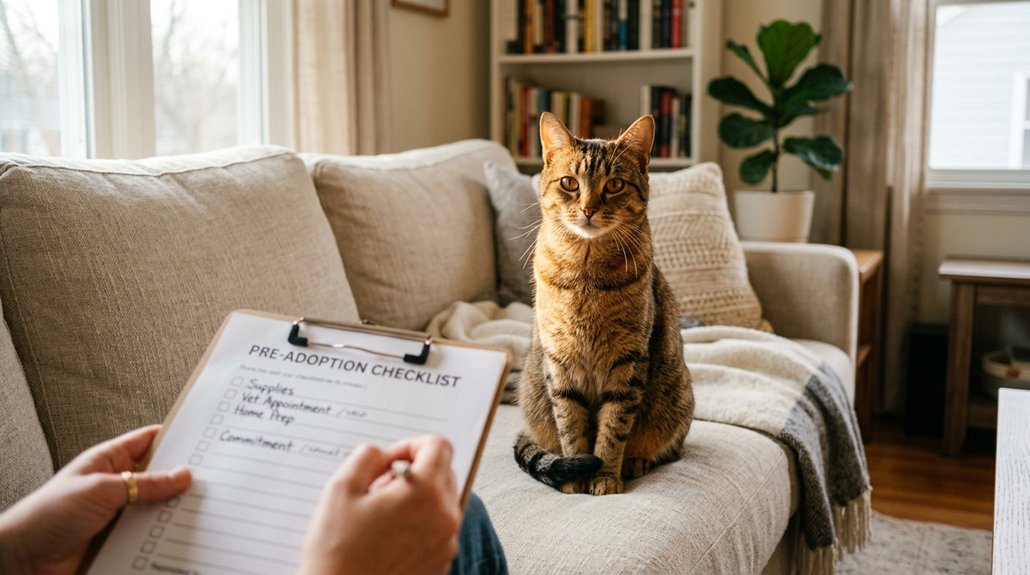
When considering the lifelong commitment of adopting a cat, it’s important to recognize that your feline friend may be with you for 15 to 20 years or longer, requiring a nuanced understanding of their ongoing health and emotional needs. This lifetime commitment involves maintaining their physiological and psychological well-being. Regular veterinary check-ups play a critical role in monitoring health, while emotional support is essential to mitigate stress and enhance their quality of life. Cats are social creatures; consequently, integrating daily interaction and play strengthens bonds and fulfills their behavioral needs. Mitigating future challenges requires proactive planning for potential lifestyle changes, ensuring that your commitment to their care remains unwavering throughout their life, adapting as they age and their needs evolve.
Creating a Cat-Friendly Home Environment
While preparing to welcome a feline companion, creating a cat-friendly home environment is paramount to guaranteeing their health and well-being. Implementing cat proofing tips is essential; start by securing household cleaners, medications, and removing toxic plants to eliminate hazards. Provide safe spaces like cardboard boxes and designated hideaways, allowing cats to feel secure and reducing stress. Ascertain your environment supports natural feline behaviors with ample climbing and scratching areas, which promote physical health and mental stimulation. Keep litter boxes clean, placing them in quiet, easily accessible locations to encourage usage. Regular home assessments help identify potential dangers like small objects that could pose ingestion risks and cords that may lead to strangulation. Prioritizing these elements guarantees a harmonious home for your new pet.
Matching Cat Personalities to Your Lifestyle
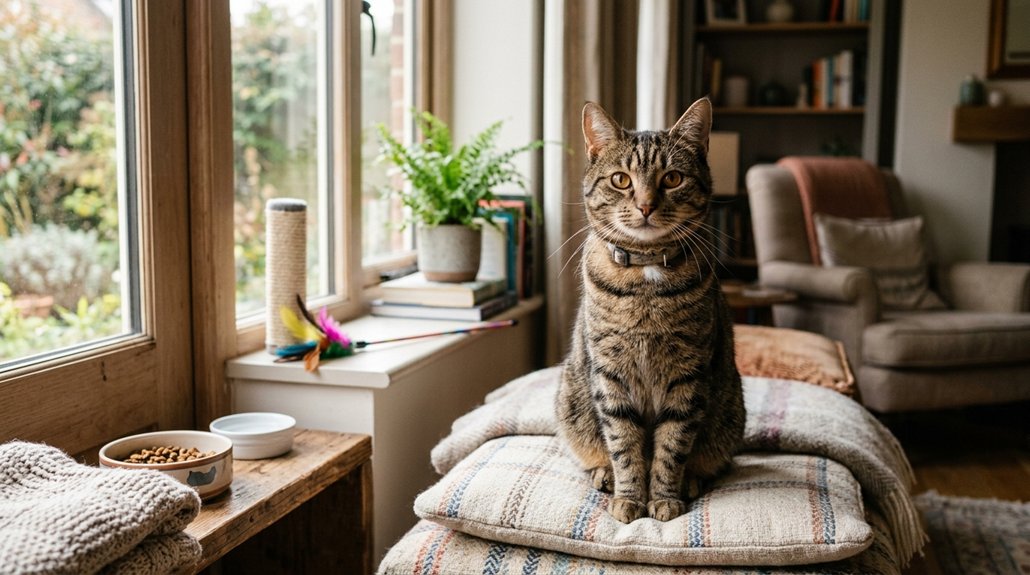
As you begin the journey of integrating a feline companion into your home, it’s imperative to think about the nuanced interplay between cat personalities and your lifestyle. Recognizing cat breed characteristics is significant. Evaluate energy levels to align with your household dynamics; active breeds might thrive in bustling environments, while more laid-back cats could suit quieter settings. By understanding adult cats have established temperaments, you can facilitate a seamless change. Conversely, kittens require guidance and patience to adapt. Allergy considerations are paramount; hypoallergenic breeds may alleviate potential health issues. Fur types dictate grooming needs—acknowledge any commitment to high-maintenance grooming or shedding. Harmonizing these elements will forge a symbiotic relationship, enriching both human and feline lives.
Frequently Asked Questions
What Is the 3 3 3 Rule for Adopting a Cat?
The “3 3 3 Rule” in cat adoption adjustments outlines the gradual feline behavior acclimation: three days for initial stress and exploration, three weeks for routine establishment, and three months for full acclimation and display of true personality traits.
Can You Adopt if You Have Diabetes?
Yes, you can adopt a cat if you have diabetes, provided your diabetes management is stable. Ascertain cat compatibility regarding allergies and routine integration. A cat may offer emotional support, aiding in regulating stress and blood sugar.
Where Should a Cat Sleep First Night?
Balance your cat’s first night with both security and stimulation. Their sleeping arrangement should be in a quiet room, including basics and enrichment. Guarantee they’re confined with essentials to foster a sense of reassurance and minimize cortisol levels.
What Is the Least Wanted Cat Color?
The least wanted cat color is usually black due to cat color preferences and misconceptions. Feline adoption trends show that black cats face longer shelter stays despite being affectionate, partly due to enduring cultural superstitions and visibility challenges.
Conclusion
Adopting a cat isn’t just a decision; it’s an ongoing commitment to a living creature that’s going to be part of your life for years. You’ve navigated financial planning, explored the science of feline behavior, and crafted a cozy environment for your new friend. But have you considered how your lifestyle aligns with a cat’s intricate physiologic needs? As you stand on the brink of this journey, are you truly ready to embrace every heartbeat, purr, and playful leap ahead?