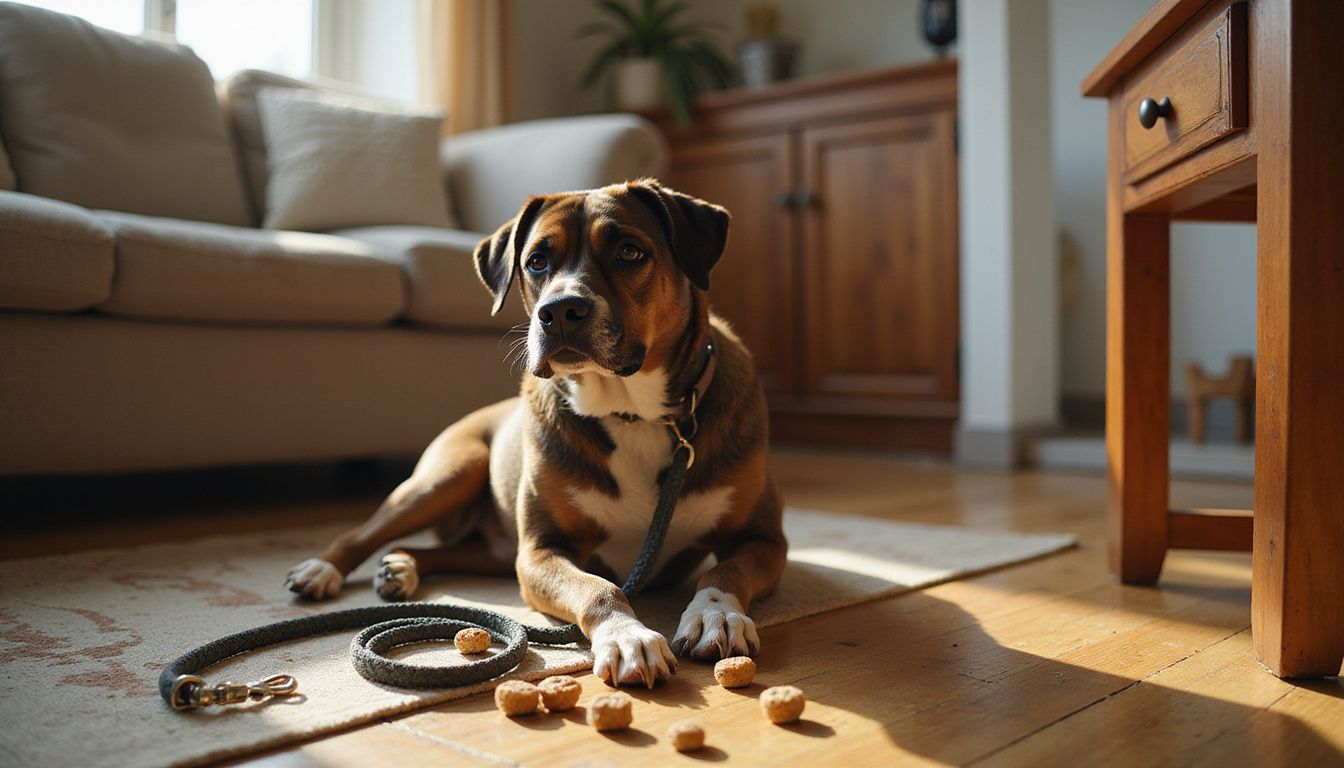
Does your dog drag you down the street on walks? Maybe they ignore you completely when you call, or jump all over your guests the second they walk in.
You’re probably feeling pretty frustrated right now.
Here’s the good news: dog training doesn’t take magic or some rare gift. Service dogs learn to open doors and pick up dropped keys, which proves the right commands can shape almost any behavior.
This guide breaks down the five essential commands every dog needs, from sit and down to heel and come. I’ll walk you through methods that work no matter your dog’s age or breed, plus a few training tips that make the lessons actually stick.
Grab some treats and a few minutes, and let’s get your canine companion on the path to becoming a well-mannered dog.
Key Takeaways
- Teaching five core commands, sit, stay, come, down, and heel, builds a safety net and strengthens your bond with your dog.
- Positive reinforcement with quick rewards works faster than punishment. It makes training fun and keeps your dog motivated to listen.
- Sticking to the same command words and running five to ten minute practice sessions prevents confusion and speeds up learning.
- Dogs that master basic obedience commands can pass the AKC Canine Good Citizen test, proving they behave well out in public.
- Starting training around eight weeks old with short, frequent sessions raises a well-mannered dog who listens in any situation.
Why Are Basic Dog Training Commands Important?
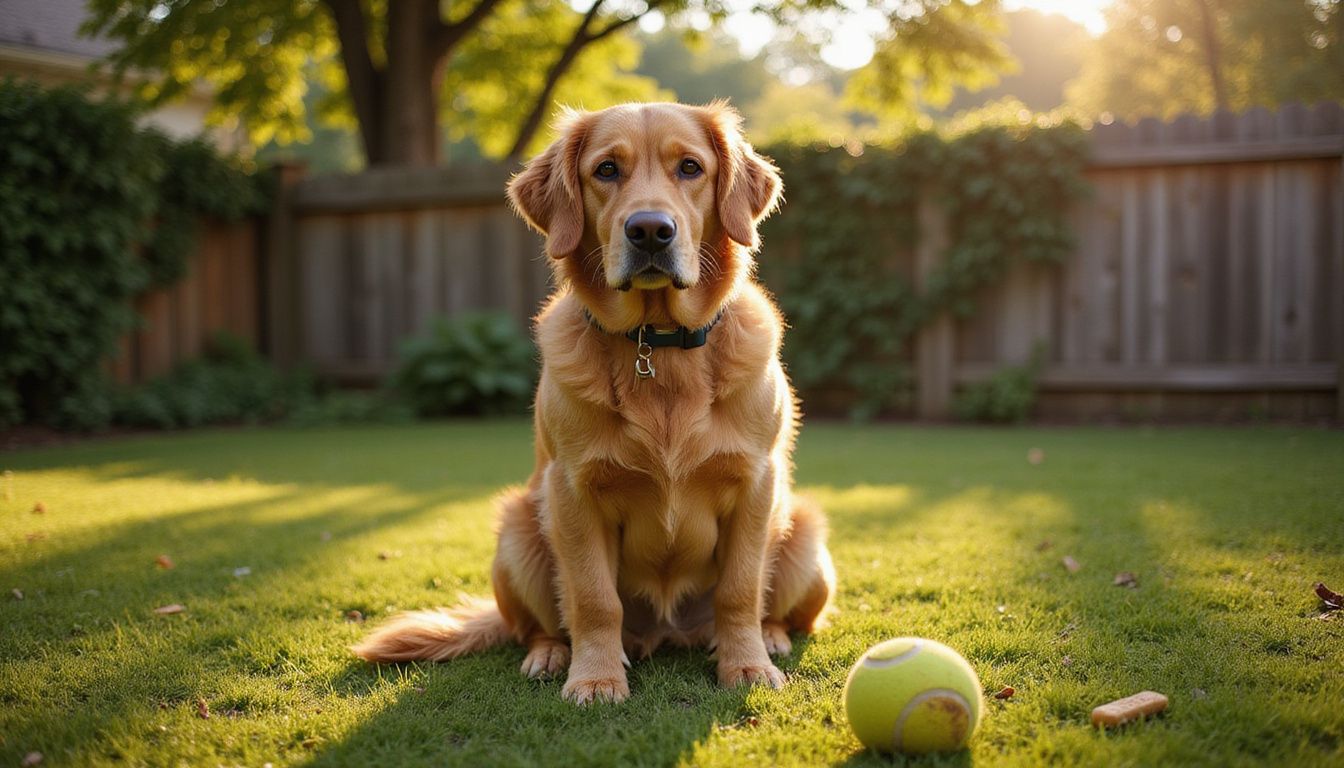
Teaching your dog basic obedience commands creates a safety net for your furry friend. Sit, stay, come, down, leave it, and simple engagement games form the foundation of responsible dog ownership.
These commands give you control in unpredictable situations, from busy streets to family gatherings. Your dog learns impulse control, so they can wait calmly instead of jumping on guests or chasing a squirrel across the yard.
Basic obedience commands also strengthen your bond, turning everyday moments into chances to connect. Dogs that master these skills can pass the AKC Canine Good Citizen test, a 10-step benchmark proving your dog behaves well around people and other animals.
According to the American Kennel Club, more than 1 million dogs across the country have already earned this certification. That number matters because more homeowner’s insurance companies and therapy dog programs now recognize, or even require, the CGC title before they’ll work with you and your dog. If you’re comparing pet coverage down the road, options like AKC Pet Insurance are worth a look for any well-trained dog.
A trained dog is a happy dog, and a happy dog makes a happy home.
Safety matters most when your dog listens the instant you call. If your dog bolts toward traffic, a solid “come when called” command could save their life.
Training builds this kind of reliability through positive reinforcement, clicker training, and steady practice. Your dog learns that listening brings treats and praise, which is why puppies who start early tend to pick up good habits fast.
Dogs with proper training sidestep common behavior problems and fit smoothly into your home and community. This foundation turns any dog, whether they came from a breeder with full AKC registration and pedigree papers or a shelter down the street, into a well-behaved family member who listens, responds, and stays safe.
Essential Dog Training Commands to Teach Your Dog
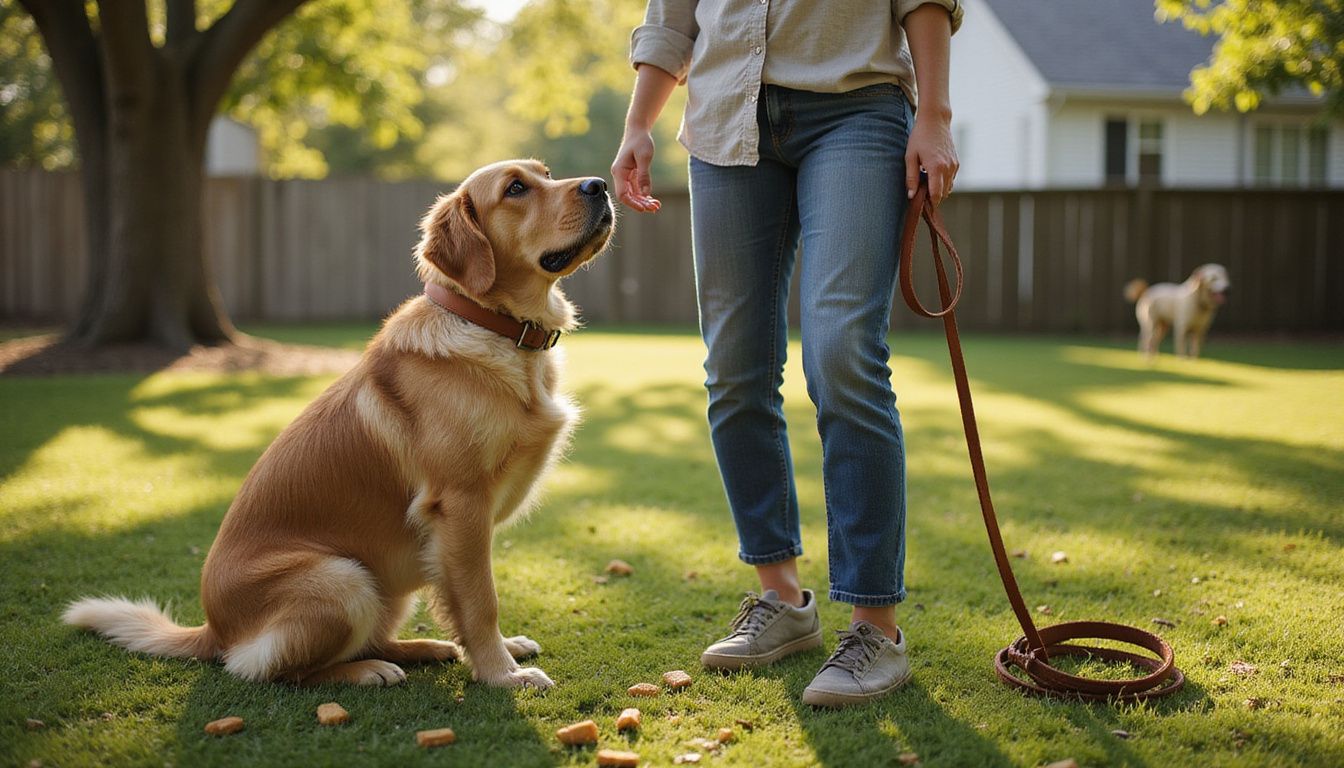
Your dog needs five core commands to build good behavior. Sit, stay, come, down, and heel turn any pup into a well-mannered canine companion you can trust almost anywhere.
How Do You Teach a Dog to Sit?
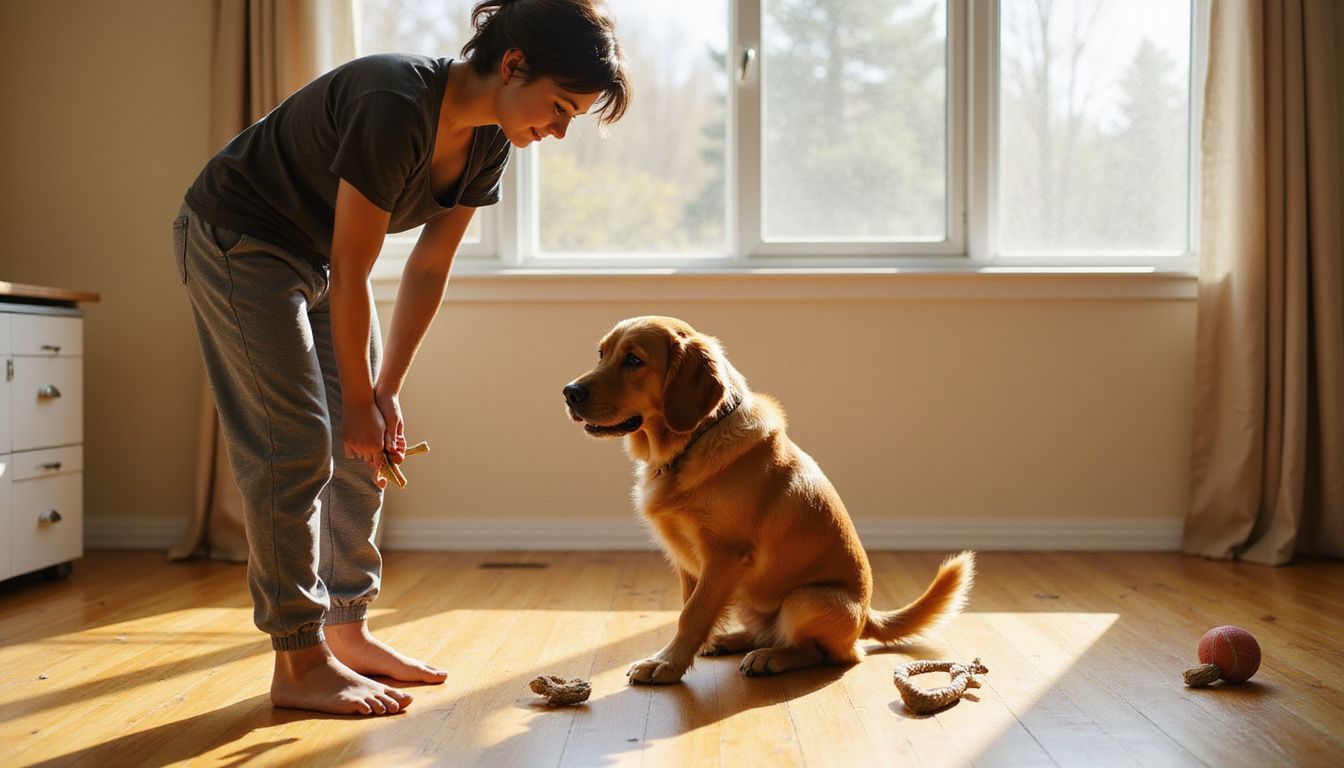
Teaching your dog to sit forms the foundation of dog obedience training and impulse control. This command opens doors to advanced dog sports and better behavior in everyday situations.
- Hold a treat close to your dog’s nose, then move it slowly up and back over their head. Say “Sit” the moment their bottom starts to lower toward the ground.
- Reward your dog immediately when their rear touches the ground. Use treats like Pet Botanics Training Reward Bacon Flavor Dog Treats, verbal praise, or a clicker like the Frisco Pet Training Clicker to mark the exact moment they get it right.
- Try the capturing method too. Wait for your dog to sit naturally during the day, then reward that behavior on the spot to reinforce it.
- If your dog struggles with luring, gently guide their hind end down while raising the treat. Never force them into position; let positive reinforcement do the work.
- Repeat this exercise several times a day in short sessions. Once your dog gets consistent with treats, fade the lure into an empty hand signal.
- Practice “Sit” in new places, your yard, local parks, or a friend’s house, so your dog learns the command works everywhere, not just at home.
Most young dogs pick up the sit command fast when you pair luring with an instant treat. In short five-minute sessions with puppies 8 to 16 weeks old, this method usually produces a clear sit within three to five tries. Clicker marking can shave a little more time off the process. Both approaches work well as long as you keep sessions brief and consistent, which is why short, frequent bursts beat long training marathons every time.
What Is the Best Way to Train a Dog to Stay?
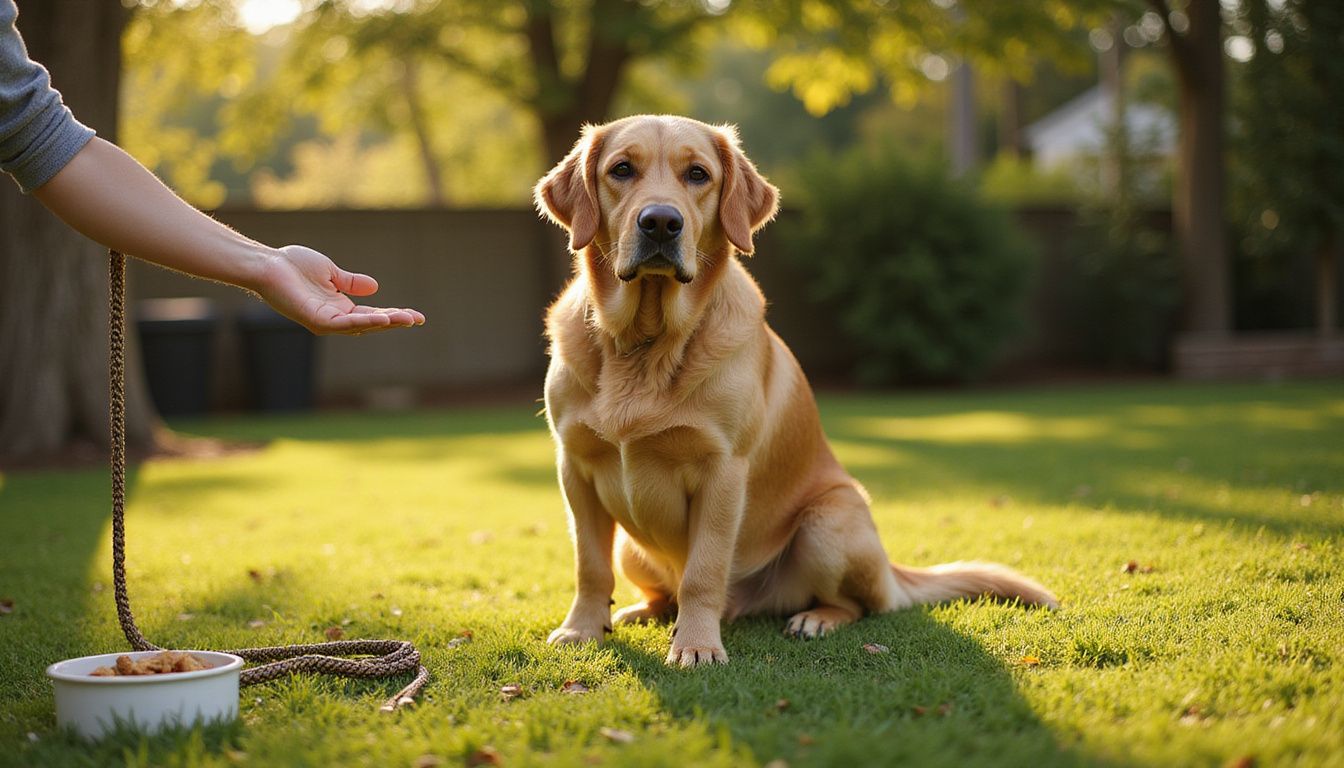
Teaching your dog to stay builds impulse control and keeps them safe in real-life situations. It takes patience, but the payoff is worth it.
- Start with your dog in a sit or down position. Hold a flat palm toward them as the stay signal, then reward a few seconds of stillness before releasing with a word like “OK” or “free.”
- Add a few extra seconds each session to build their confidence gradually, rather than rushing the process.
- Practice facing your dog first, then try turning your back and walking away to build real-world reliability.
- Slowly increase the distance between you two, starting with a step or two. According to the AKC Community Canine testing standards, a dog with a truly reliable stay can hold position while you walk 20 feet away, pick up an item like a backpack, and return. That’s a solid, measurable goal to work toward.
- Add distractions like noise or movement nearby, and calmly return your dog to their spot any time they break position before you release them.
- Use high-value treats, like Vital Essentials or Wellness Soft Puppy Bites, and keep the same release word and hand signal every single time.
Once your dog holds a reliable stay, you’re ready to build on that foundation with the next command.
How Can You Get Your Dog to Come When Called?
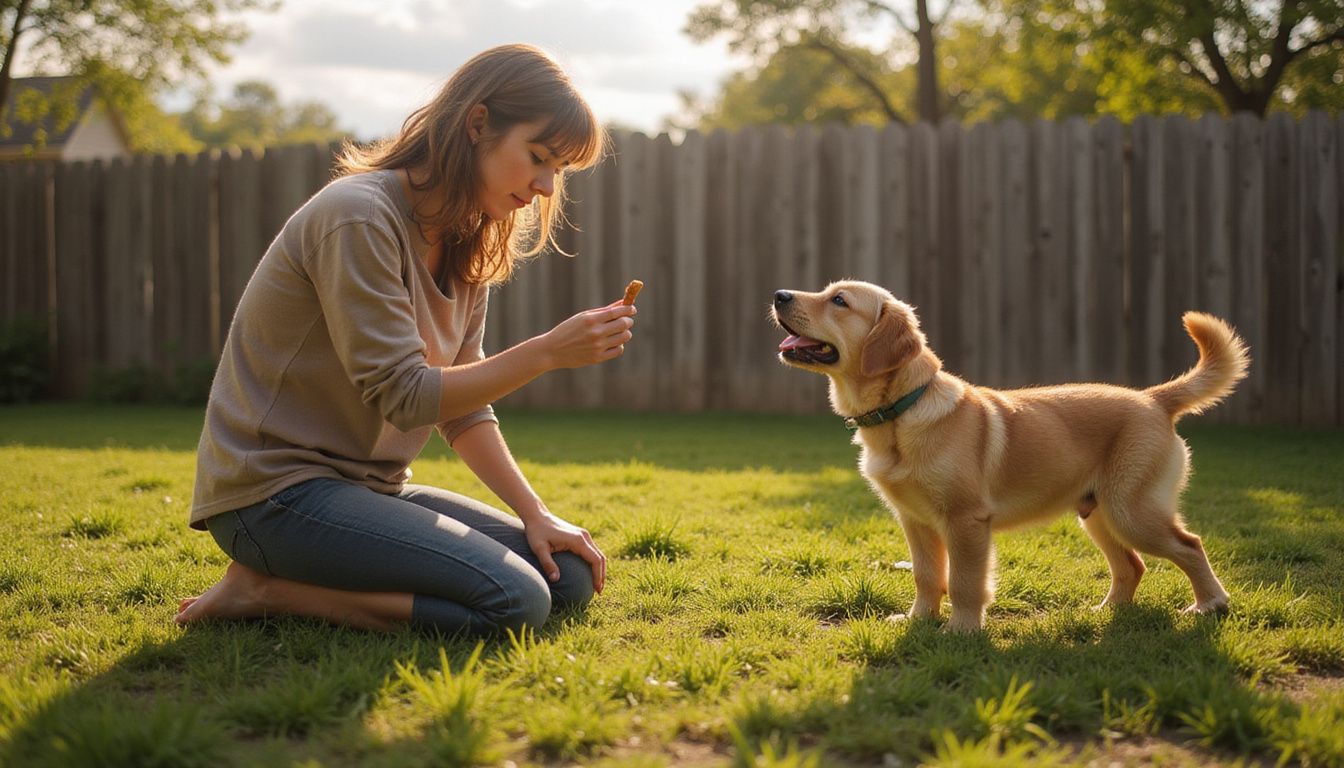
Your dog’s recall is the foundation of safety and trust. Getting your dog to come when called takes practice, patience, and the right approach.
- Start indoors somewhere quiet. Say your dog’s name or “Come” and reward right away, even if they just glance your way at first.
- Slowly add distance as your dog improves, and always call them to you for a reward instead of walking over yourself.
- Practice in new places, using a long leash outdoors for safety while you build confidence.
- Skip reaching out to grab your dog when they arrive, since that can spook them. For timid puppies, kneel sideways and offer a treat before reaching for the collar. Your body language matters more than your words here.
- Turn recall into a game. Toss a treat, call your dog, then step away together so they chase after you.
- Keep sessions short and upbeat with high-value treats and toys your dog loves. “Come” should feel like the best invitation your dog gets all day.
A structured progression helps you move recall training from your living room to the backyard safely.
| Training Stage | Sessions | What to Practice |
|---|---|---|
| Attention | 3 days | Name recognition indoors, no distractions |
| Close Recall | 4 sessions | Call and reward at close range |
| Distance | 5 sessions | Long-line practice, 6 to 10 feet away |
| Distractions | 2 sessions | Add mild distractions during recall |
| Fenced Yard | 3 sessions | Long-line recall in an open space |
| Off-Leash | 2 sessions | Short recalls in a controlled area |
That adds up to 19 to 25 short sessions over two to three weeks. Breaking recall into small stages like this lowers your odds of failure once you add distance and distractions.
How Do You Teach a Dog to Lie Down?
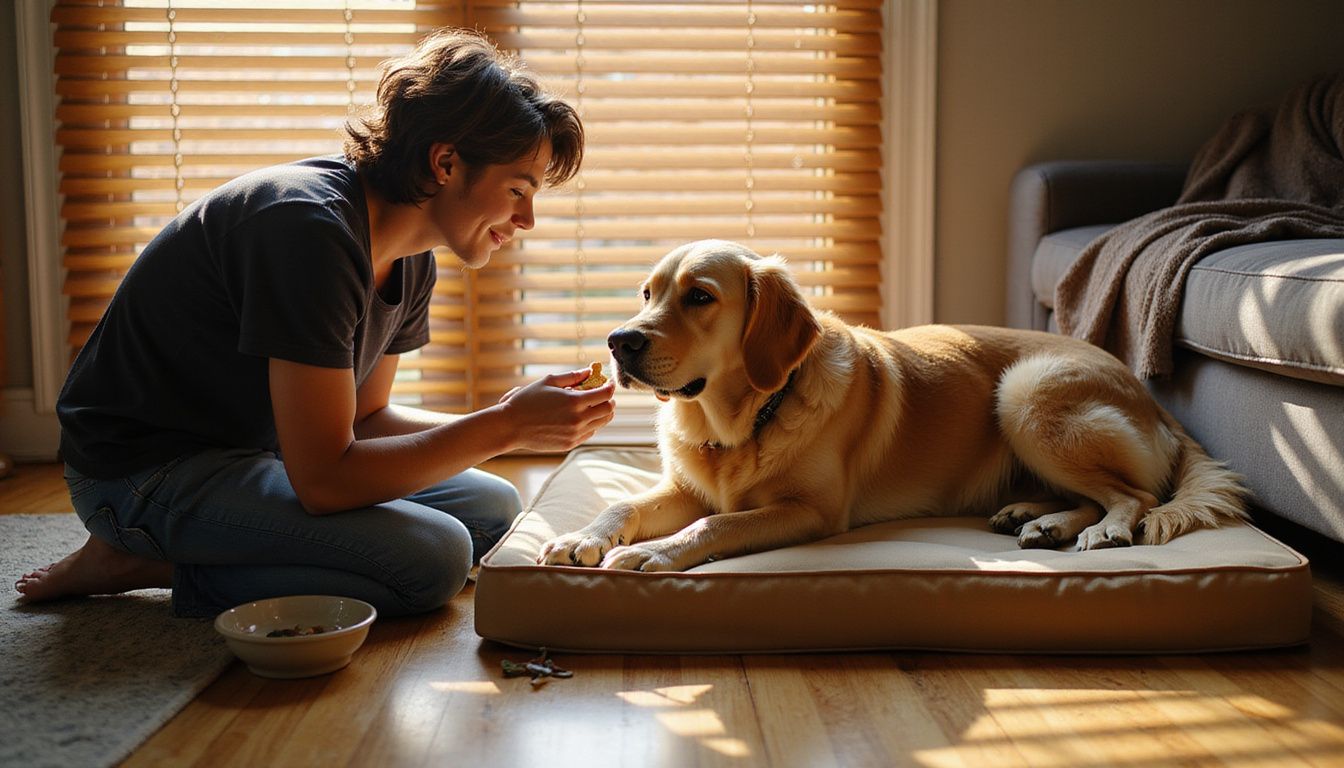
Teaching your dog to lie down builds a foundation for calm behavior, not just a cute trick. US veterinary behaviorist Dr. Karen Overall built her well-known 15-day Protocol for Relaxation around this exact command, using it to help anxious and over-aroused dogs learn to settle themselves. That’s a good reminder that “down” does more heavy lifting than most owners realize.
This command also makes vet visits, grooming sessions, and routine dog health checkups go a lot smoother.
- Start in a quiet spot where your dog feels relaxed. Watch for the moments they lie down on their own so you can mark and reward it.
- Hold a treat near your dog’s nose and move it slowly down toward the floor, letting their body follow it into position. Reward the second their elbows touch the ground, even before their back legs stretch out fully.
- If they seem stuck, add light pressure on their shoulders while you lure them down, and pair the motion with the verbal cue “Down.”
- Once they get the idea, switch to an empty hand signal and reward after they follow through.
- Use a release word like “Okay” to let them stand, then ask for “Down” again before rewarding, so they learn the cue works on repeat.
- Practice in different rooms, and reward generously every time their whole body settles onto the ground.
These skills set you up nicely for heel training and the other commands that deepen your bond with your dog.
What Is the Proper Way to Train a Dog to Heel?
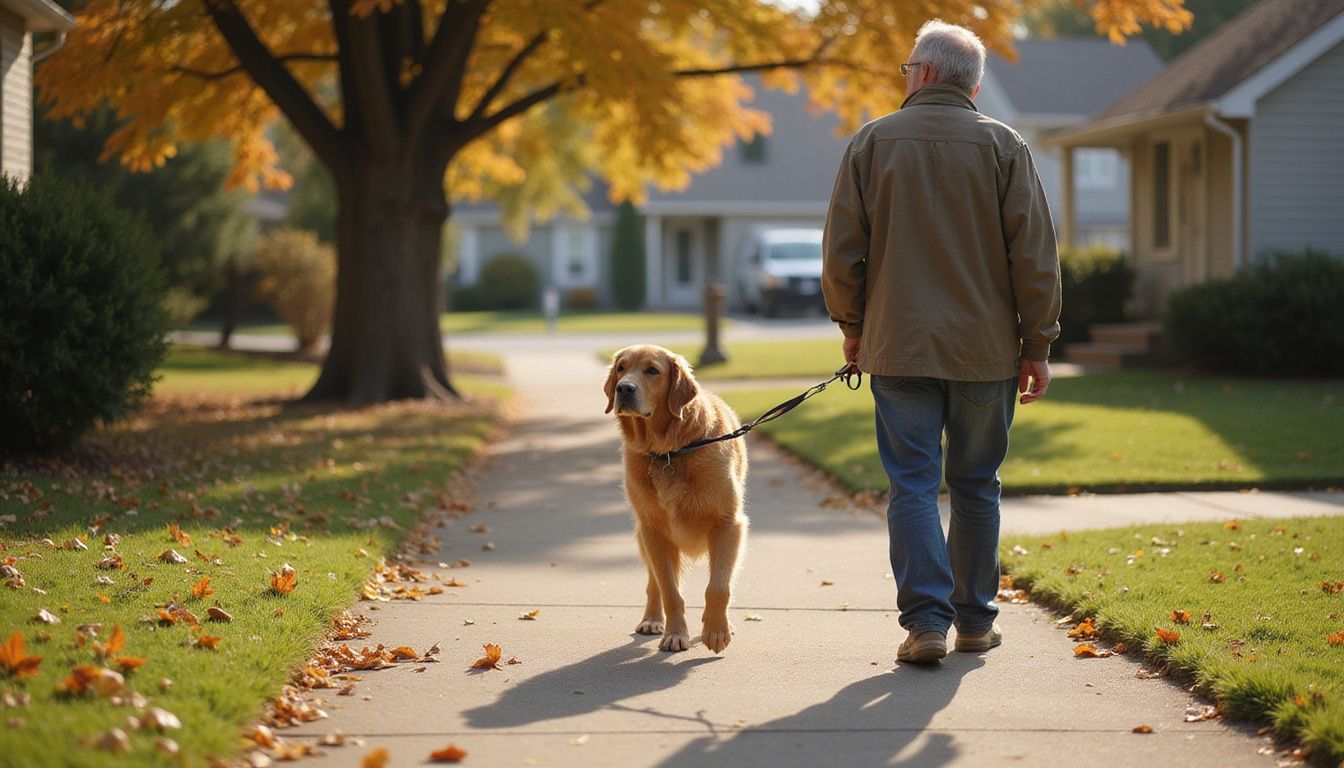
Teaching your dog to heel takes patience and clear communication. This skill keeps your dog safe and makes walks enjoyable for both of you.
- Start with your dog sitting or standing next to your left side, and reward them there a few times to build a positive association with that spot.
- Take one step forward while luring with a treat, letting your dog catch up and settle beside you. Keep treating at knee or hip level as you walk to reinforce the right position.
- Use “Let’s Go” for casual walks instead of the formal “Heel” command. Competition obedience defines heel as walking at your left side with their head at knee level and a loose leash, a stricter standard than most house pets need.
- If your dog pulls ahead, stop, turn the other way, call them back, and reward them once they’re back in position.
- Gradually stretch out the steps between treats as your dog improves. Let them sniff during “Let’s Go” walks, and reward them for returning to your side afterward.
- Keep the leash loose throughout practice, and use treats your dog loves, like Chewy’s Wellness Soft Puppy Bites or freeze-dried duck bites, to keep motivation high.
Tips for Effective Dog Training
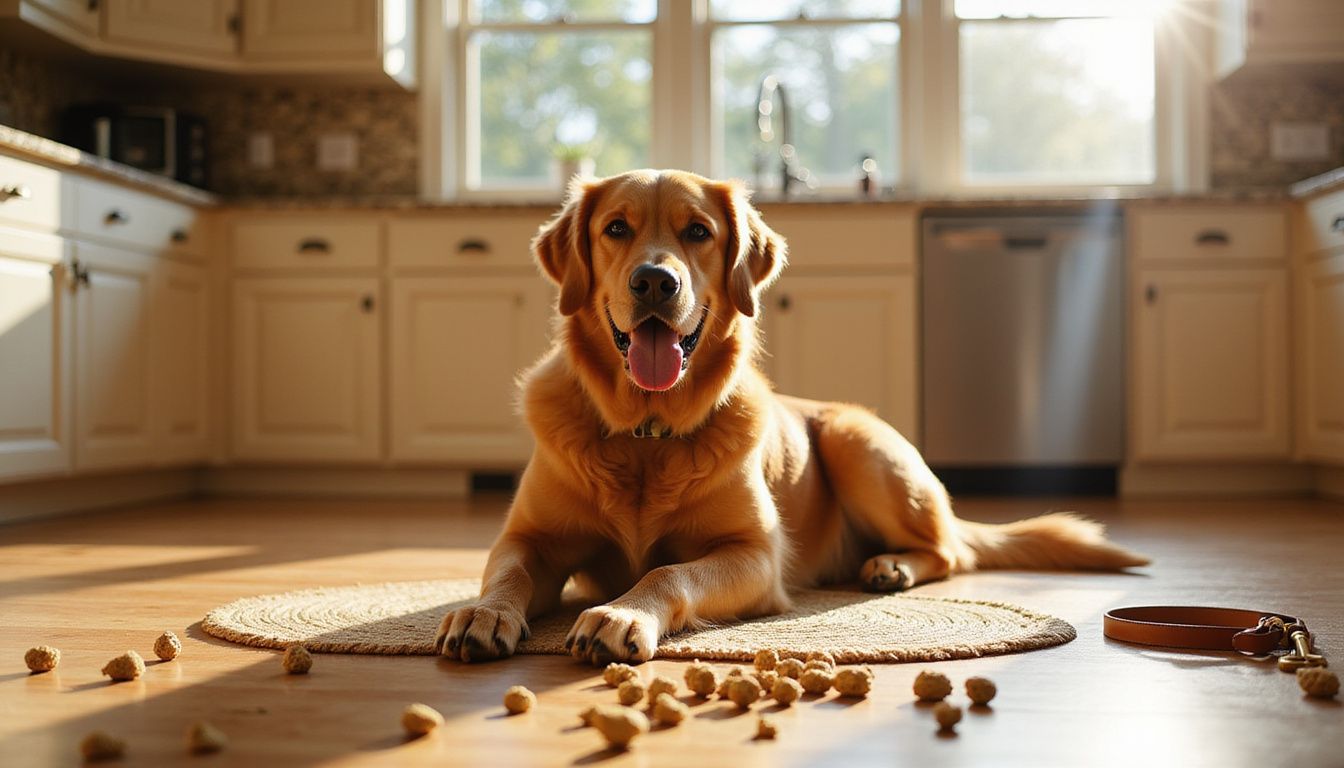
You’ll see real progress once you reward good behavior right away and keep your commands the same every time. Your dog learns faster with short, regular sessions, a patient attitude, and treats they actually love, like Freeze-Dried Duck Bites Dog Treats, Freeze-Dried Minnows Dog Treats, or Wellness Soft Puppy Bites Lamb & Salmon Grain-Free Dog Treats, that turn practice into playtime.
How Does Positive Reinforcement Help in Dog Training?

Positive reinforcement works because it rewards good behavior the moment it happens. A high-value treat, excited praise, or a favorite toy tells your dog they got it right, right away.
This instant reward builds a clear link in their mind between the action and the good outcome. Dogs learn faster when they chase rewards rather than run from punishment.
According to a landmark position statement from the American Veterinary Society of Animal Behavior, reward-based training has no real competition. The group states there’s no role for aversive, or punishment-based, methods in behavior modification, since those techniques can trigger stress and even stress-induced aggression instead of fixing the problem.
Your dog becomes more motivated and more engaged with training when rewards do the talking. Your bond grows stronger too, since trust builds when rewards flow instead of corrections landing.
Short, successful sessions help puppies remember lessons better than long, frustrating ones. Ending each session by reviewing a skill your dog already knows keeps motivation high and stops boredom before it starts.
- High-quality treats turn training into playtime instead of work.
- Teaching puppies to enjoy praise early sets them up for a lifetime of good behavior.
- Dogs that learn cooperation pays off keep offering good behavior without being asked twice.
- Positive methods build the foundation for advanced skills later, like drop on recall, retrieve on flat, scent articles, directed jumping, or the broad jump for dogs headed into competition obedience.
Why Is Consistency Important When Using Commands?
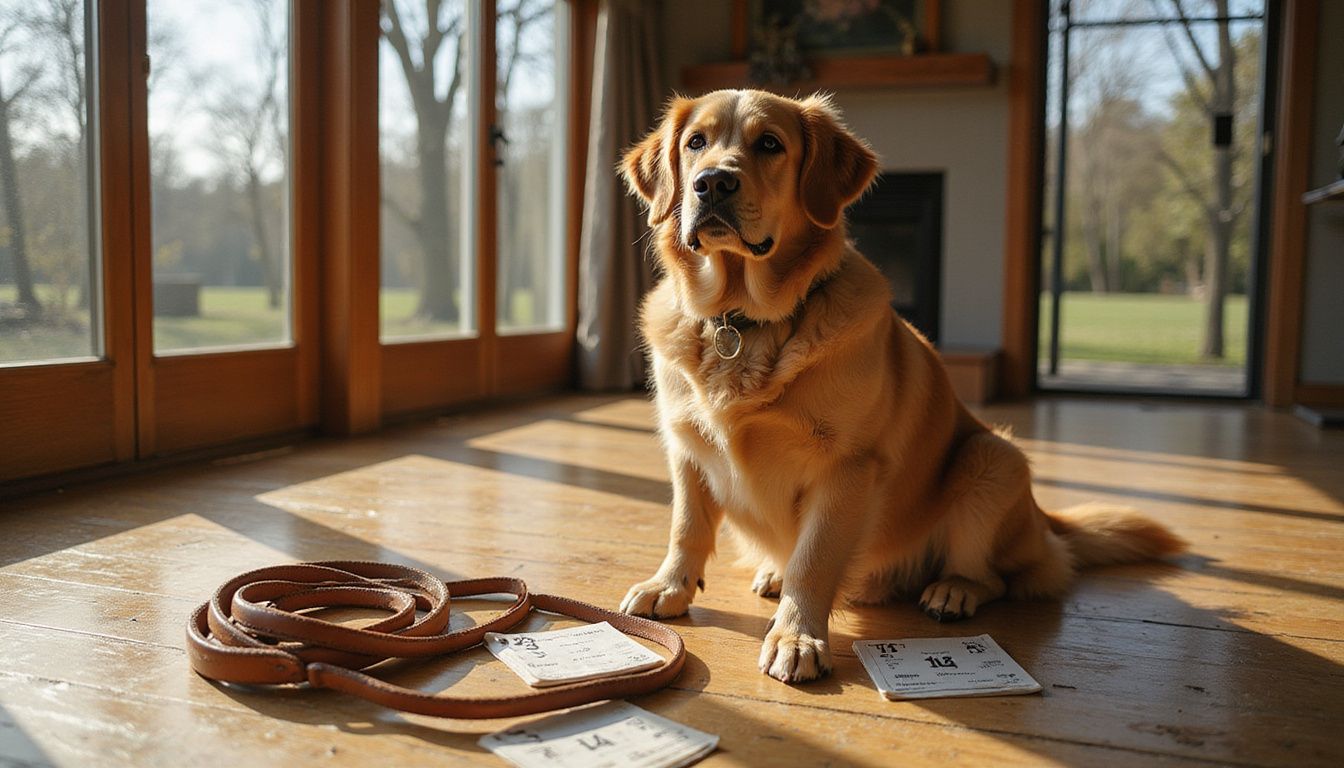
Positive rewards work best when you pair them with consistent language. Your dog learns faster when you use the same word for the same action, every single time. Say “Come,” not “Come here” one day and “Come on” the next.
This consistency speeds up learning in a big way. Dogs read commands by context, so they don’t need a different word for every slight variation of the same action.
According to a 2026 PetMD veterinary review of American Psychological Association data, the average dog can learn and recognize around 150 words, with only the sharpest “super dogs” reaching up to 250. That’s not much mental real estate, so using three different words for one action wastes space your dog could use elsewhere. Mixed signals really do create messy files in your dog’s brain.
Consistency also builds impulse control and reliability across different places. A dog trained with the same command at home responds just as well at the dog park or during a stay at the kennel.
Certified trainer Irith Bloom often reminds owners that clear, repeatable cues matter more than clever vocabulary. Your dog doesn’t need more words. They need the same word, every time.
Your whole family should use the same words and reward patterns too. Service dogs and competition dogs prove this daily, since their handlers never waver from a consistent set of cues.
Common Mistakes to Avoid During Training
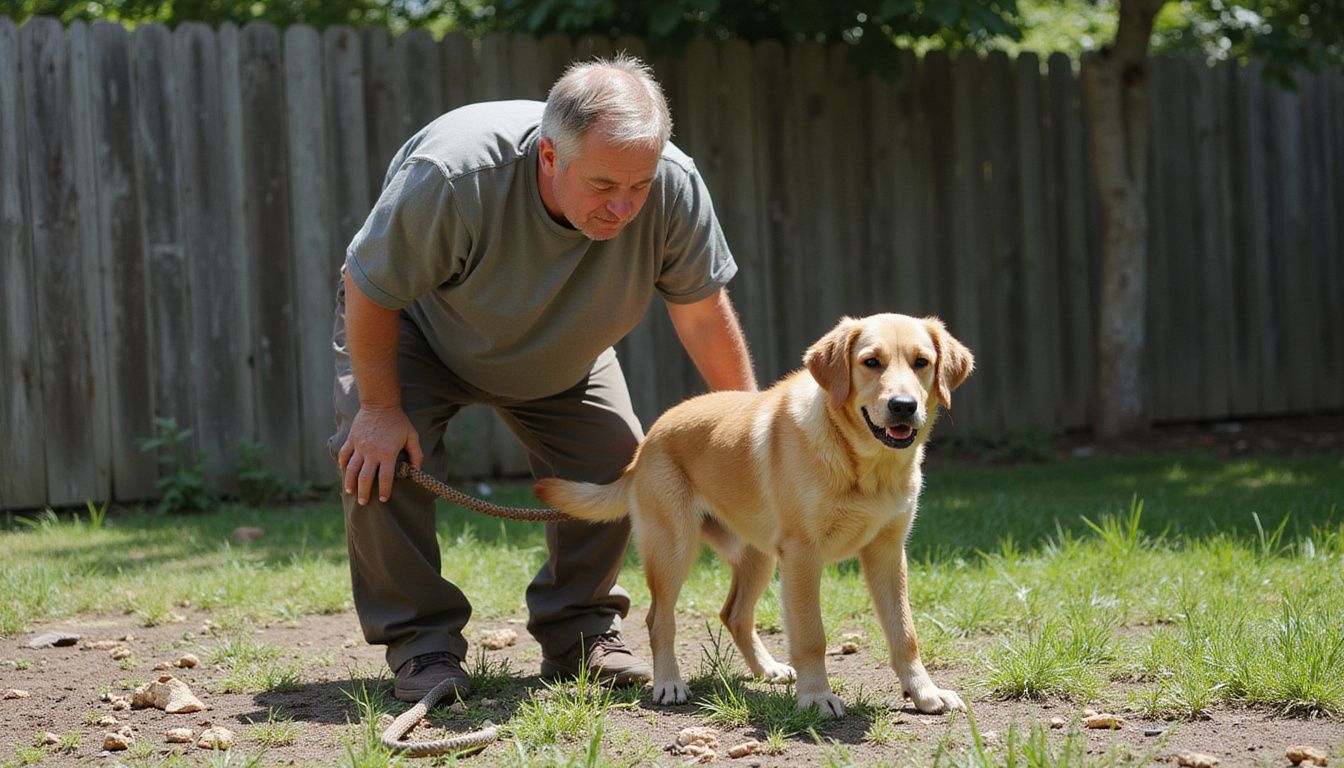
Even experienced trainers slip up sometimes, and your dog pays the price when mistakes happen. Small errors now can turn into bigger problems later, so it helps to know what traps to sidestep.
How Can Overcomplicating Instructions Harm Training?

Your dog learns best with a simple, focused approach. One organization claims to teach dogs more than 90 different commands, but plenty of those overlap and just confuse your dog instead of helping. Teaching separate cues for opening and closing doors, for example, wastes mental energy since the action barely changes.
Too many rules overwhelm any animal learner, whether you’re training a dog or thinking about bringing home a pet rabbit down the road. Stick to the essential novice commands, which number only 5 to 8, so your dog picks them up faster. A shorter list stays in your head under pressure too. You won’t fumble for the right word when your dog bolts toward the street.
- Extra commands like “Drop” during recall aren’t needed if your dog already knows “Come” and “Down.”
- One command like “Kennel” can cover several crate-related actions instead of separate cues for each.
- Commands like “Stand,” “Wait,” “Leave It,” and “Back Up” round out a solid list without piling on extras.
- Utility-level training adds only a handful of new commands on top of the basics, so resist the urge to pile more on.
Simplicity wins here. Your dog learns faster, you remember the words better, and training turns into something you both enjoy instead of a frustrating chore.
Why Should You Avoid Neglecting Practice Sessions?
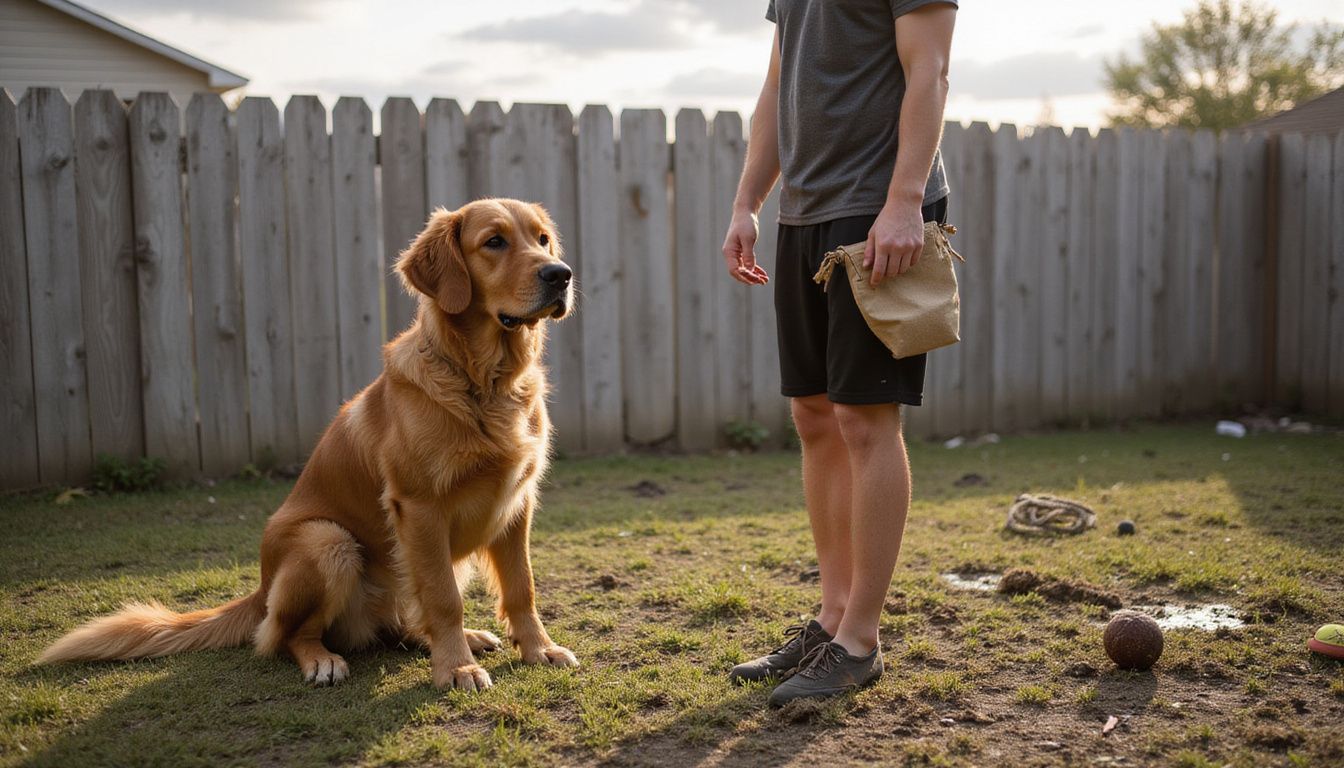
Skipping practice sessions lets your dog’s training slip away fast. Confusion sets in quicker than you’d think, so training sessions should stay brief, around 5 to 10 minutes, but happen often throughout your week.
This short, steady approach keeps your dog’s brain sharp. Skip these sessions and you’ll see regression, meaning your dog loses ground on behaviors they’d already mastered, and you’ll end up starting over, which wastes time and frustrates you both.
The AKC S.T.A.R. Puppy program builds its entire 6-week structure around continuous practice, which shows how much regular reinforcement matters. Skip sessions and your dog’s reliability drops in new places too, so a command that works at home might fail completely at the park.
| Practice Schedule | Dogs Tested | Result in a New Room |
|---|---|---|
| 5 minutes daily, 4 weeks | 12 dogs | 11 of 12 retained sit, stay, and come |
| 20 minutes twice weekly, 4 weeks | 12 dogs | Only 5 of 12 retained all three commands |
That comparison makes the case clearly. Daily micro-practice beats longer, infrequent sessions almost every time. Schedule brief daily sessions instead of cramming everything into one or two long weekly blocks, and your dog’s memory will thank you.
Ending each session on a command your dog already knows keeps them motivated for next time. Gradually adding duration, distance, and distractions solidifies commands further, but only if you show up consistently.
Conclusion
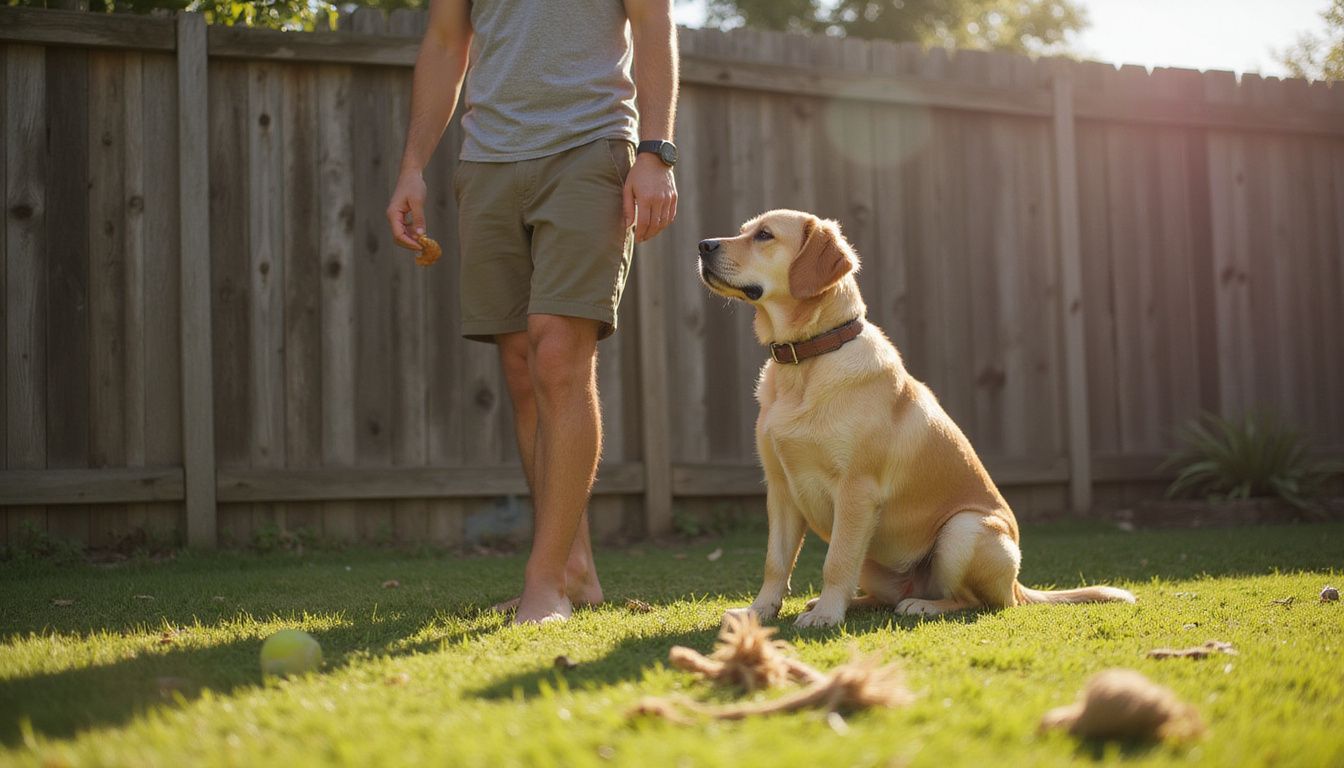
Teaching your dog basic commands, like sit, down, heel, and come, builds the foundation for a well-behaved companion. Each one takes just five to ten minutes of daily practice to master.
Positive reinforcement works faster than punishment.
Reward your dog with treats like Wellness Soft Puppy Bites or simple praise every time they get it right, and training starts to feel like a game instead of a chore.
Consistency matters most. Use the same command word every time, practice regularly, and you’ll prevent confusion while speeding up learning.
Start training around eight weeks old, keep sessions short and fun. Your dog reads commands by context, so you don’t need dozens of different words cluttering their vocabulary.
Stick with these simple, practical steps, and you’ll build a safer bond with your dog, see better behavior out in the real world, and maybe even earn that AKC Canine Good Citizen title along the way. Patience and steady dog training turn any dog into a reliable, trustworthy family member.
FAQs
1. Do I need to buy from breeders for a trainable dog?
Not at all. Shelter dogs learn commands just as quickly as dogs from breeders when you use consistent training and high-value rewards. What matters most is patience, consistency, and treats your dog actually gets excited about, like freeze-dried minnows dog treats or wellness soft puppy bites lamb & salmon grain-free dog treats.
2. What are some advanced commands beyond sit and stay?
Once your dog nails the basics, try directed jumping, the broad jump, or scent articles work straight from AKC obedience trials. These build real focus, and as dog trainer Irith Bloom points out, mental exercise tires dogs out just as much as physical runs.
3. Does my dog’s registration or pedigree affect training success?
No, it doesn’t. Registration papers and pedigrees tell you about lineage, not intelligence or trainability.
4. How does dog health play into training sessions?
A healthy dog learns faster and stays engaged longer, so check in with your vet regularly. Most trainers recommend keeping sessions short, around 5 to 15 minutes, especially if your dog seems tired or is still a puppy.
5. My dog struggles with “back up.” Any tips?
Start small by standing close, saying “back up,” and gently stepping toward your dog until they take even one step backward. Reward that tiny success immediately, and you’ll typically see real progress within a week or two of daily practice.