
To manage dog hair and shedding at home, understand your dog’s coat type and shedding patterns. Utilize tools like deshedding brushes and lint rollers for efficient fur control, and establish a regular grooming schedule to maintain coat health. Incorporate de-shedding shampoos and a nutrient-rich diet with essential fatty acids. Regular cleaning with a robotic vacuum and air purifiers can reduce allergens. Consulting with a vet can reveal underlying causes of excessive shedding. Discover more to achieve a pet-friendly environment.
Key Takeaways
- Regularly groom your dog using tools like the FURminator to manage shedding and remove loose fur effectively.
- Implement a balanced diet rich in essential fatty acids to enhance coat health and minimize shedding.
- Use robotic vacuums and lint rollers for quick removal of pet hair from surfaces and clothing.
- Bathe your dog every two to four months with de-shedding shampoos formulated for their coat type.
- Consult a veterinarian if excessive shedding occurs to rule out potential health issues.
Understand Why Dogs Shed
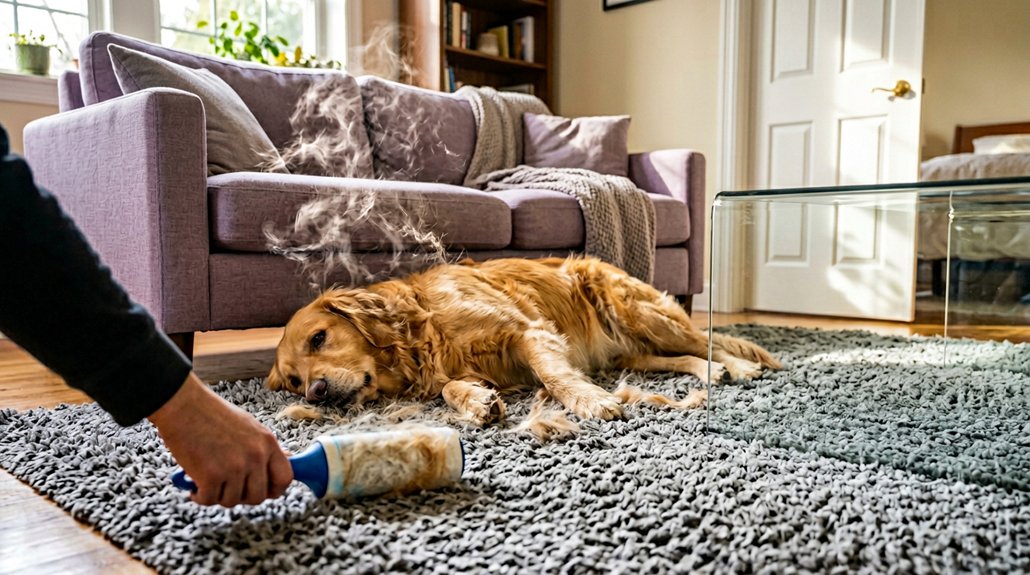
Understanding why dogs shed is essential to managing their fur and ensuring their well-being. Shedding myths often suggest random hair loss, but in reality, dogs shed to expel damaged, old, and excess hair. This is a natural grooming process. Various coat types, including single and double coats, dictate shedding extent and frequency. Double-coated breeds typically shed more, especially when adapting from a winter to a summer coat.
Genetic factors, alongside seasonal changes, heavily influence shedding. During spring and fall, expect increased shedding. It’s critical to differentiate between normal and excessive shedding, which can signal underlying health issues like allergies, hormonal imbalances, or stress. Understanding your dog’s specific shedding tendencies allows you to manage their coat health more effectively.
Identify Your Dog’s Shedding Patterns
To fully manage your dog’s fur, it’s important to grasp their distinct shedding patterns. Various breed characteristics influence shedding. Double coat breeds, like Huskies, experience shedding seasonality with significant hair loss during spring and fall changes. Conversely, single coat breeds shed consistently year-round. By understanding these patterns, you can establish tailored grooming schedules. Anticipating seasonal fluctuations allows for adjustments in brushing frequency to minimize hair accumulation at home. Further, tracking your dog’s shedding patterns aids in identifying sudden excessive shedding. This can be a sign of dermatological issues or nutritional deficiencies, warranting veterinary consultation. Adequate knowledge of your dog’s shedding cycle not only maintains coat health but also manages shedding, promoting cleaner living spaces and a happier, healthier pet.
Choose the Right Tools for Fur Management
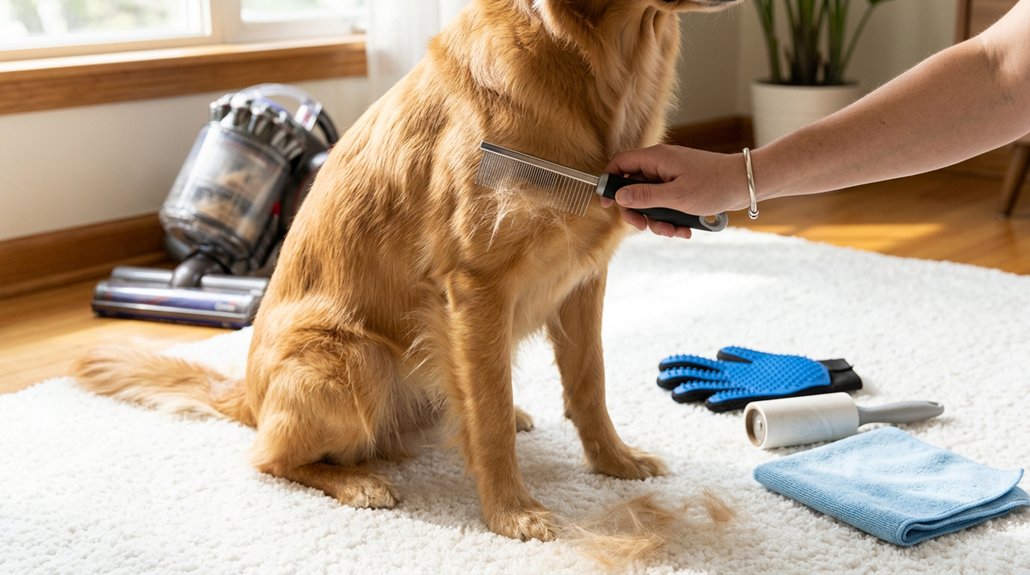
A plethora of specialized tools is available for effective dog fur management, allowing homeowners to maintain both a clean environment and a healthy pet. Investing in a FURminator Long Hair Dog Deshedding Tool is a top-tier grooming product recommendation, effective in reducing loose fur and promoting a sleek coat. For quick fur management techniques, employ lint rollers on fabrics to capture stray hairs before stepping out. Integrate a robotic vacuum into your routine for automatic, daily removal of hair and dander, minimizing allergens at home. Protect furniture using seat covers and washable throws, making cleaning straightforward. Maintain peak vacuum efficiency by regularly cleaning the filter, ensuring enhanced extraction of pet hair during each session. These fur management techniques streamline household maintenance.
Develop a Regular Grooming Routine
To effectively manage your dog’s shedding and promote a healthy coat, establish a consistent grooming routine by brushing every couple of days with tools suited to your dog’s specific coat type. Select a slicker brush for double coats or a pin brush for single coats to optimize the benefits. Complement this routine with regular bathing using a gentle, dog-specific shampoo, following intervals that align with veterinary guidelines.
Brush Frequently for Health
Brushing is essential for maintaining your dog’s coat health and controlling shedding. Regular brushing, ideally every couple of days, offers numerous brushing benefits, contributing considerably to fur maintenance by removing dead hair and minimizing shedding indoors. This practice also stimulates hair follicles, enhancing overall coat health and reducing matting risks.
| Coat Type | Recommended Brush |
|---|---|
| Short Coat | Slicker Brush |
| Long Coat | Pin-Head Brush |
| Double Coat | Slicker for Undercoat |
| Curly Coat | Wide-Toothed Comb |
| Wiry Coat | Firm Bristle Brush |
Establishing a consistent grooming routine prepares you for seasonal shed cycles, especially in double-coated breeds. It also plays a role in pet health, preventing conditions that lead to excessive shedding. By implementing this grooming strategy, you guarantee a healthier, happier pet and a cleaner home environment.
Use Appropriate Grooming Tools
While regular brushing establishes the groundwork for managing shedding, selecting the appropriate grooming tools is key to maximizing coat care. Invest in high-quality tools tailored to your dog’s specific coat type for ideal grooming tool benefits. Pin-head brushes work wonders for short-haired breeds, while slicker brushes are ideal for detangling the luscious locks of long-haired dogs. Don’t overlook the FURminator; it excels at targeting loose hairs in double-coated breeds draining their winter coats as spring arrives.
- Pin-head brushes: Great for short-haired breeds
- Slicker brushes: Detangles long-haired coats
- Deshedding tools: FURminator reduces loose hair
- Regular brushings: Stimulates follicles and minimizes matting
- Consult experts: Professional recommendations enhance coat care
Consult grooming experts or resources to verify you’re using the right tools for efficient grooming.
Schedule Regular Bathing Sessions
Regular bathing sessions serve as an essential pillar of a thorough grooming routine for managing your dog’s shedding efficiently. Schedule baths every two to four months to reap bath time benefits without stripping the natural oils from your dog’s skin. Use gentle, dog-specific shampoos, ideally with de-shedding formulas, to maximize the cleaning effects. Establishing a routine contributes to reduced shedding. Additionally, integrate regular brushing to eliminate loose hair and avert matting, enhancing shedding management. Pay close attention during heavier shedding periods in spring and fall, adjusting the bathing frequency to suit your dog’s unique coat condition.
| Key Aspect | Recommended Approach |
|---|---|
| Bathing Frequency | Every 2 to 4 months |
| Shampoo Type | Gentle, dog-specific, de-shedding |
| Grooming Environment | Calm, controlled |
| Seasonal Considerations | Increased during spring and fall |
Implement Effective Bathing Strategies
To manage shedding effectively, bathe your dog every two to four months, utilizing gentle, dog-specific shampoos that preserve natural oils. Select de-shedding formulas to effectively target loose hair while enhancing coat texture. Before bathing, verify all necessary tools are at hand and follow with thorough drying and brushing to maximize dead hair removal.
Frequency and Timing Tips
Understanding the intricacies of your dog’s shedding cycle can greatly inform effective bathing strategies to minimize loose fur. Establishing a proper bathing schedule every two to four months is key to maintaining skin health while preventing excessive sebum removal. Tailor your approach with insights from seasonal shifts and increased exercise, ensuring ideal timing to complement daily grooming rewards, such as regular brushing, which augments bath effectiveness. Employ evidence-based timing to enhance overall coat health and minimize shedding.
- Observe shedding cycles to identify when increased grooming is needed.
- Align baths with seasonal changes like spring and fall for enhanced efficiency.
- Prioritize exercise-induced bathing needs to match activity levels.
- Enhance with dog-specific shampoos to bolster coat health.
- Integrate frequent brushing to reduce fur loss and boost bath benefits.
Appropriate Bathing Products
When it comes to implementing effective bathing strategies, selecting appropriate products is essential for maintaining your dog’s coat health. Using gentle, dog-specific shampoos or de-shedding formulas every two to four months can greatly curtail shedding. Prioritize products with natural ingredients and hypoallergenic options, particularly if your dog has sensitive skin. Shampoos enriched with fatty acids support dermal health and enhance coat luster, actively reducing excessive shedding.
Thorough rinsing is imperative to remove shampoo residues that might irritate your dog’s skin, potentially exacerbating shedding issues. For personalized care, consult with your veterinarian to tailor an effective bathing regimen based on your dog’s coat type. This evidence-based approach guarantees coat maintenance while minimizing fur accumulation around your home, optimizing the bathing process.
Pre-Bath Preparation Steps
A crucial first step in pre-bath preparation is thoroughly brushing your dog’s coat to eliminate loose hair and prevent mats that water might worsen. Adopting evidence-based grooming techniques addressing bathroom safety guarantees an efficient process. Prepare a secure and slip-free bathing area to protect both you and your dog. Necessary supplies should be ready prior to starting, avoiding stress and disarray.
- Lay down a non-slip mat to enhance bathroom safety.
- Gather dog-specific shampoo, towels, and a detachable showerhead for rinsing.
- Confirm water is lukewarm to maintain ideal dermal comfort.
- Use a waterproof cover for easier cleanup post-bath.
- Check for matted hair and eradicate to improve grooming efficiency.
Optimize Your Dog’s Diet for Coat Health
To effectively enhance your dog’s coat health, consider focusing on a balanced diet rich in digestible protein and essential fatty acids. Prioritize nutrient selection by choosing dog food labeled “nutritionally complete.” This guarantees your canine companion receives the necessary vitamins and minerals critical for strong hair follicles and reduced shedding. Incorporating omega fatty acid supplements can further augment coat luster and skin integrity, minimizing excessive hair loss. Nutritional deficiencies, particularly in proteins and essential fatty acids, often result in undesirable coat quality and increased shedding. Collaborate with your veterinarian to customize your dog’s diet based on breed, age, and health status. This personalized approach aids in optimizing shedding control and achieving overall coat health. Remember, scientifically-backed dietary interventions are fundamental.
Finding Home Cleaning Hacks

Managing pet hair in your home can feel overwhelming, yet integrating strategic cleaning hacks into your routine transforms this challenge into a more manageable task. Prioritize routine maintenance by programming a robot vacuum to handle daily debris. Implement smart storage solutions and clutter management techniques, like using washable couch covers for surface protection and fabric selection optimized for easy cleaning. Dryer sheets can be effective in seasonal adjustments, lifting hair from surfaces with static absorption. For embedded hair on clothing or upholstery, employ lint rollers to enhance your cleaning strategies. Additionally, invest in air purifiers like the LEVOIT Core P350-RAC-P to reduce airborne dander, safeguarding your environment with pet friendly materials.
- Robot vacuums for maintenance
- Washable couch covers
- Lint rollers
- Dryer sheet magic
- Air purifiers
Consult a Vet About Excessive Shedding Causes
Ever wonder why your dog might be shedding more than usual? Excessive or patchy shedding often signals underlying medical issues requiring vet consultations. These professionals are adept at identifying causes like allergies, hormonal imbalances, or skin infections. During a veterinary evaluation, vets perform thorough tests to determine the root of the problem, crafting shedding solutions tailored to your pet’s needs. Discussions regarding specific concerns can lead to dietary changes or topical treatments enhancing coat health. Regular check-ups offer crucial insights into your dog’s health condition, catching shedding pattern shifts that could signify health risks. Acting early based on expert veterinary advice prevents further issues, boosts your pet’s health, and contributes to maintaining a clean home environment.
Creating a Fur-Free Environment
If your vet has ruled out medical causes for your dog’s excessive shedding, focusing on creating a fur-free environment becomes vital. Incorporating effective fur removal strategies and pet-friendly cleaning routines can make a significant difference. Regular vacuuming of high-traffic areas with specialized attachments is essential, reaching concealed areas on furniture and stairs. Air purifiers, like the LEVOIT Core P350, are indispensable for filtering pet dander, enhancing indoor air quality. Implement washable couch covers and throws to protect surfaces and simplify fur removal.
- Vacuum furniture and stairs with special attachments
- Utilize air purifiers to capture airborne pet hair
- Wash couch covers for simplified fur removal
- Empower weekly cleaning with dander trapping techniques
- Brush your dog daily to decrease interior shedding
This holistic approach fosters both a cleaner home and healthier environment.
Frequently Asked Questions
How Do I Stop My Dog From Shedding so Much in the House?
You can’t completely stop shedding, but minimizing it involves consistent grooming techniques. Regular brushing and dietary adjustments, focusing on high-quality protein, can markedly reduce hair loss. Consult a vet if shedding appears excessive or abnormal for medical evaluation.
Which Month Do Dogs Shed the Most?
Imagine the seasons’ dance guiding your dog’s fur. In spring, like nature’s grand shedding, your dog sheds most. It’s a chance for you to embrace grooming tips, optimizing coat health during this peak seasonal shedding time.
How Do People Live With Dogs That Shed?
You optimize dog grooming routines using specialized brushes to effectively manage fur. Implement shedding solutions like vacuuming and washing pet bedding regularly. Maintain coat health through nutrition and vet care for a hygienic, fur-controlled environment.
What Are Signs of Excessive Shedding in Dogs?
You know excessive shedding’s at play when fur accumulates like autumn leaves, revealing bald patches. Look for health concerns: itching, poor coat, lethargy. Incorporate grooming techniques, consult a vet to verify your dog’s well-being.
Conclusion
You’ve learned the science behind shedding and identified your dog’s patterns. Armed with appropriate grooming tools and techniques, you’ve integrated regular grooming rituals and optimized bathing strategies. Does your dog’s diet support a lustrous coat? By incorporating nutrient-rich foods, you’ve certainly set a foundation for their fur health. Home cleaning and vet consultations tackle any excessive shedding concerns. With these evidence-based strategies, creating a fur-free environment becomes not just plausible but perfectly achievable.