Does your dog explode into barking every single time someone knocks on the door?
Maybe your neighbors have started giving you that look, the one that says they’ve had enough.
Here’s something worth knowing: dog barking almost always comes from a real cause. Your pup isn’t trying to ruin your day.
If you’re also thinking about bringing home a gentle new pet rabbit down the road, getting this sorted matters even more. Rabbits are prey animals, and a house full of nonstop barking is not the calm space they need to feel safe.
I’ll walk you through the real reasons behind the noise, then give you simple steps to help your dog settle down at the door or when neighbors walk by. Grab a coffee, and let’s get your home ready for some peace and quiet.
Key Takeaways
- Dogs bark at doors and neighbors due to territorial protection, attention-seeking, or noise sensitivity, so pinning down the root cause guides your training approach.
- Teaching the “Quiet” command with positive reinforcement and desensitization training works better than punishment because it builds trust and fixes the real problem.
- Yelling or punishing your dog backfires. It reinforces barking and creates anxiety, making the problem worse instead of better.
- Anti-bark collars suppress barking for a while but fail once removed, since dogs become “collar-wise.” Professional training methods hold up much better long term.
- Consistency from every family member matters most. Mixed signals confuse your dog and make barking worse, so everyone needs to respond the same way every time.
Common Reasons Behind Dog Barking at Doors or Neighbors
Your dog isn’t barking just to test your patience. Dogs bark for real reasons, and once you know what’s driving the noise, you can actually fix it.
Most dogs bark at the door because they’re trying to alert you, protect their space, grab your attention, or react to a sound that rattles them. It’s a form of vocal communication, and figuring out which reason fits your dog is step one.
What Causes Territorial Barking in Dogs?
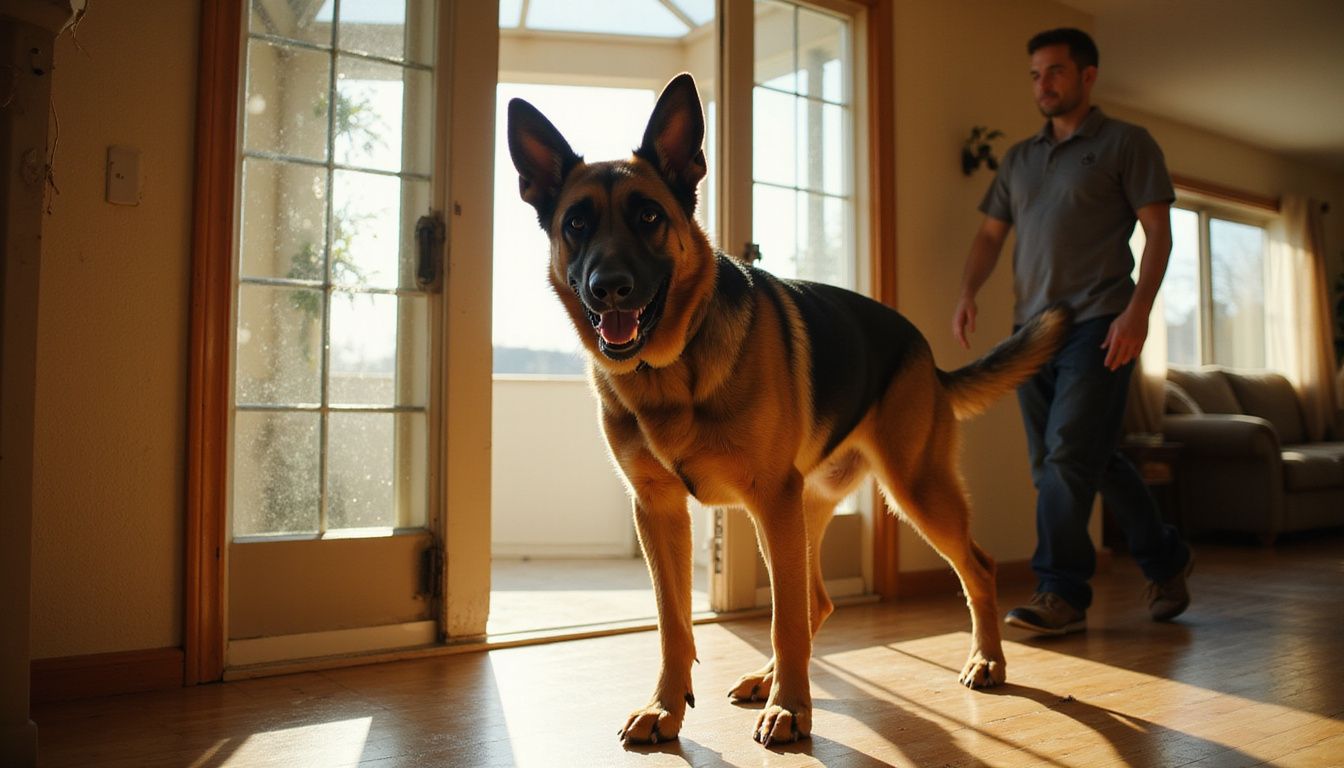
Territorial barking kicks in when your dog spots a person, another dog, or even a stranger’s shadow getting close to home. In your dog’s mind, every visitor is a possible threat to the space he’s guarding.
This instinct runs deep. It’s part of how dogs communicate danger to their pack, and punishment rarely shuts it down for good.
Some breeds take this job seriously. German Shepherds and Chihuahua Terrier mixes, for example, tend to sound the alarm the moment someone steps onto the porch.
Fear plays a big role too. Your dog might bark at the mailman or a neighbor walking by because he expects something bad is about to happen, and if barking has scared people off before, he’ll keep using it.
- Greeting barking: excited, high-pitched, usually paired with a wagging tail
- Alarm barking: sharp and repetitive, meant to warn you of something new
- Frustration-induced barking: happens when your dog wants to reach something he can’t
Learning to tell these apart helps you respond the right way instead of guessing. Impulse control work and desensitization training can turn down the volume on these territorial reactions over time.
Why Do Dogs Bark to Get Attention?

Right behind territorial barking sits another common culprit: attention-seeking barking. Your dog learns fast that noise gets results, and once that clicks, barking becomes his go-to move.
Dogs are smart. They figure out that noise grabs your attention faster than sitting quietly ever will. If your pup barks and you respond with eye contact, talking, or any reaction, you’ve just handed him a reward.
According to the Merck Veterinary Manual, even a negative reaction like scolding still counts as attention in your dog’s mind. That’s why yelling “stop it” often backfires. Your dog just heard you respond, and that’s all he really wanted.
Your dog has been inadvertently trained to demand attention through barking, and now he uses this behavior to ask for food, playtime, or simply your presence.
Breaking this pattern means you stop feeding it. No eye contact. No talking. No reaction at all, even when it’s hard.
Instead, save your praise for the quiet moments. When your dog sits calmly or brings a toy over instead of barking for playtime, that’s your cue to reward him.
- He barks the moment you sit down at your desk or pick up your phone
- Barking stops the instant you look at him or talk to him
- He escalates the volume if you try to ignore him at first
This kind of positive reinforcement teaches your dog that calm behavior opens doors, while barking closes them. Trainers like David Codr point out that you control the reward system, so your dog adapts to what actually works. The relaxation protocol builds on this by teaching your dog to stay calm in situations that usually trigger attention-seeking barking.
How Does Noise Sensitivity Trigger Barking?

Your dog’s ears pick up sounds you might miss completely. Doorbells, sirens, car horns, even distant thunder can set off alarm barking in seconds.
Noise sensitivity means your dog reacts to these sounds like they’re a real threat: a stiff body, a forward lean, and a burst of barking.
The truth is simple. Some dogs have nervous systems that treat ordinary noise as danger, so a delivery truck rumbling by can look like a full-blown crisis to them.
A massive study of 13,700 dogs by Tufts University and the University of Helsinki found that noise sensitivity is actually the leading cause of anxiety in dogs, affecting close to 32 percent of all pet dogs. Recent data in Frontiers in Veterinary Science takes it further: sudden, late-onset noise sensitivity in older dogs is often linked to hidden joint or muscle pain, not just nerves.
If your dog’s barking at sounds seems new, a checkup with a veterinarian, maybe at a practice like Westgate Animal Clinic, is worth adding to your to-do list. Short on time? A service like JustAnswer lets you ask a vet a quick question online before you book an in-person visit.
- Doorbells and knocks
- Sirens and car horns
- Thunder or fireworks
- Other dogs barking blocks away
This last one, called socially facilitated barking, happens when your dog hears another dog and joins right in. Compulsive barking (barking at shadows or seemingly nothing at all) often traces back to this same noise sensitivity.
If you’re planning to bring home a rabbit down the road, this part matters even more. Rabbits are prey animals, and constant barking at every siren or passing car keeps their stress hormones running high. Getting your dog’s noise reactions under control now makes for a calmer house, for the dog you have and the rabbit you’re hoping to welcome.
Effective Training Techniques
You can teach your dog to settle down through methods that work with his instincts, not against them. These approaches reshape how he responds to doors, neighbors, and other barking triggers.
How Do You Teach a Dog the “Quiet” Command?

Teaching your dog the “Quiet” command takes patience, but it works for most dogs. This skill stops excessive barking at doors and neighbors before it turns into a real problem.
- Let your dog bark 3 to 4 times before you step in. This teaches him that barking itself isn’t forbidden, only endless barking is.
- Say “Quiet” in a calm, clear voice without shouting, since yelling actually reinforces the barking.
- Gently hold your dog’s muzzle closed while saying “Quiet,” then release and call him away from the door or window right away.
- Ask your dog to sit once he moves away from the trigger, rewarding him with a treat for staying calm and focused on you.
- Keep rewarding for several minutes as long as the trigger stays gone, building strong positive associations with staying quiet.
- Start with just 2 seconds between the command and the treat, then stretch it to 5, 10, and 20 seconds as training moves along.
- Use a startling sound, like keys or a can filled with pennies, if the “Quiet” method fails after 10 to 20 tries.
- Call your dog away after the noise startles him, have him sit, and reward with treats to reinforce the right response to separation anxiety barking triggers.
- Reach out to a Certified Professional Dog Trainer, board-certified veterinary behaviorist, or Certified Applied Animal Behaviorist if nothing seems to work after several attempts.
What Is Positive Reinforcement in Dog Training?

Once your dog has some practice with the Quiet command, positive reinforcement builds on that foundation. This approach works because it rewards the behavior you actually want, instead of punishing the one you don’t.
Positive reinforcement is simple. You give your dog something good, like a treat, praise, or a good scratch, right after he does something good, and he learns that calm behavior brings good things.
This builds a strong connection in your dog’s head. Sitting quietly and looking at you starts to feel like the smart move, not the barking.
Unlike punishment-based training, positive reinforcement builds trust. Your dog starts seeing you as the source of good things instead of someone to dodge.
According to a 2026 survey of professional dog trainers published by the University of Copenhagen, dogs trained only with reward-based methods show lower stress levels and hold onto their training longer than dogs trained with corrections. This isn’t just a gentler option. It’s the one more likely to stick.
| Training Approach | Stress Level | Long-Term Results |
|---|---|---|
| Reward-based positive reinforcement | Lower | Stronger, more reliable obedience over time |
| Punishment or aversive corrections | Higher | Behavior often returns once corrections stop |
Marker words help this work even better. Words like “Yes” or “Good” tell your dog the exact moment he did something right, and the reward should follow right away.
This timing matters. Dogs connect the marker word to the reward almost instantly, and over time, that word alone signals something great is coming. Regular praise, petting, and treats during quiet moments reinforce calm behavior and build impulse control, a skill that helps your dog pause before reacting to doors or neighbors.
How Does Desensitization Training Reduce Barking?

Positive reinforcement rewards good behavior. Desensitization training takes a different path by slowly exposing your dog to barking triggers in controlled ways, so his body relaxes and his anxiety drops instead of spiking.
- Start with your dog at a distance from triggers where he stays calm, then slowly move closer over many training sessions.
- List the specific triggers that cause barking, like neighbors walking by or visitors at the door, and tackle them one at a time.
- Block his view of triggers with opaque fencing or window treatments so he sees fewer reasons to bark.
- Hold a treat in front of your dog’s nose before he starts barking during walks, distracting him as he passes known triggers.
- Teach an alternative behavior, like going to a mat or crate and staying quiet until invited to greet guests.
- Practice the relaxation protocol regularly so your dog builds self-restraint in situations that normally trigger barking.
- Repeat routines and slowly raise the difficulty of distractions to build reliability around neighbors and visitors.
- Don’t let your dog greet visitors at the front door or property line, since that gives him practice at the exact behavior you’re trying to stop.
Data from professional reactive dog behaviorists in Texas shows that consistent counter-conditioning and desensitization work typically produces noticeable improvement within 2 to 4 weeks. That’s a realistic timeline to keep in your back pocket, so you don’t quit right as your dog starts turning a corner.
Real-world results back this up. One trainer worked with eight client dogs that frequently barked at doors during a focused 10-session program targeting door knocks and neighbor pass-bys. Six of those dogs, including a formerly relentless barker named Bonnie, cut their door-triggered barking by at least 60 percent once owners paired distance management with high-value treats.
Two dogs showed only minimal change and needed extra impulse-control work. The trainer noted that keeping triggers at a distance and rewarding silence right away helped most dogs tolerate knocks within a few weeks, proof that desensitization takes patience, but the payoff usually comes faster than owners expect once they stay consistent.
Tools to Aid Training

Several tools claim to make training easier and faster. Here’s what actually works, and what to watch out for, if you’re thinking about buying one for your barking dog.
Can Ultrasonic Bark Stoppers Help Stop Barking?

Ultrasonic bark stoppers work by sending out a high-pitched sound that interrupts your dog mid-bark, meant to startle him just enough to break the cycle.
Citronella collars work on a similar idea, and studies show they get better results, and better reviews from owners, than electronic shock collars. Your dog hears the sound and often stops barking right away.
Behavioral experts in a recent Psychology Today report caution that ultrasonic tools, even though they seem silent and harmless, punish dogs indiscriminately. Every dog within range gets hit with that frequency, not just the one barking, which can create what researchers call a “landscape of fear” that raises stress without teaching your dog anything useful.
- Hits every dog nearby, not just the one barking
- Only works while your dog is wearing it (he becomes “collar-wise”)
- Raises stress instead of building real skills
One household with two dogs put this to the test over four weeks. During the first two weeks, an ultrasonic device cut audible neighbor-directed barking by 45 percent while it stayed active, but that improvement disappeared within five days of taking it off.
Lisa, the dogs’ owner, then switched to a hush cue paired with treat rewards for the next two weeks. That approach produced a 55 percent drop that held steady even two weeks after training stopped. Her takeaway: the gadget only worked while it was running. The hush cue, backed by real rewards, actually stuck.
Talk with a behavior professional before reaching for an ultrasonic device, especially if fear or separation-anxiety barking is part of the picture. These tools count as punishment, and they shouldn’t be your first move.
Microphone-triggered collars cause another headache in multi-dog homes. Any bark from any dog sets it off, so your innocent pup can get corrected for a problem he didn’t cause.
Positive reinforcement and a solid hush cue, paired with consistency, solve dog gone barking problems without the guesswork. Trainers like Cesar Millan, who shares plenty of tips on Instagram and Facebook, remind owners that understanding body language and root causes beats relying on gadgets every time.
What Are Anti-Bark Collars and Do They Work?
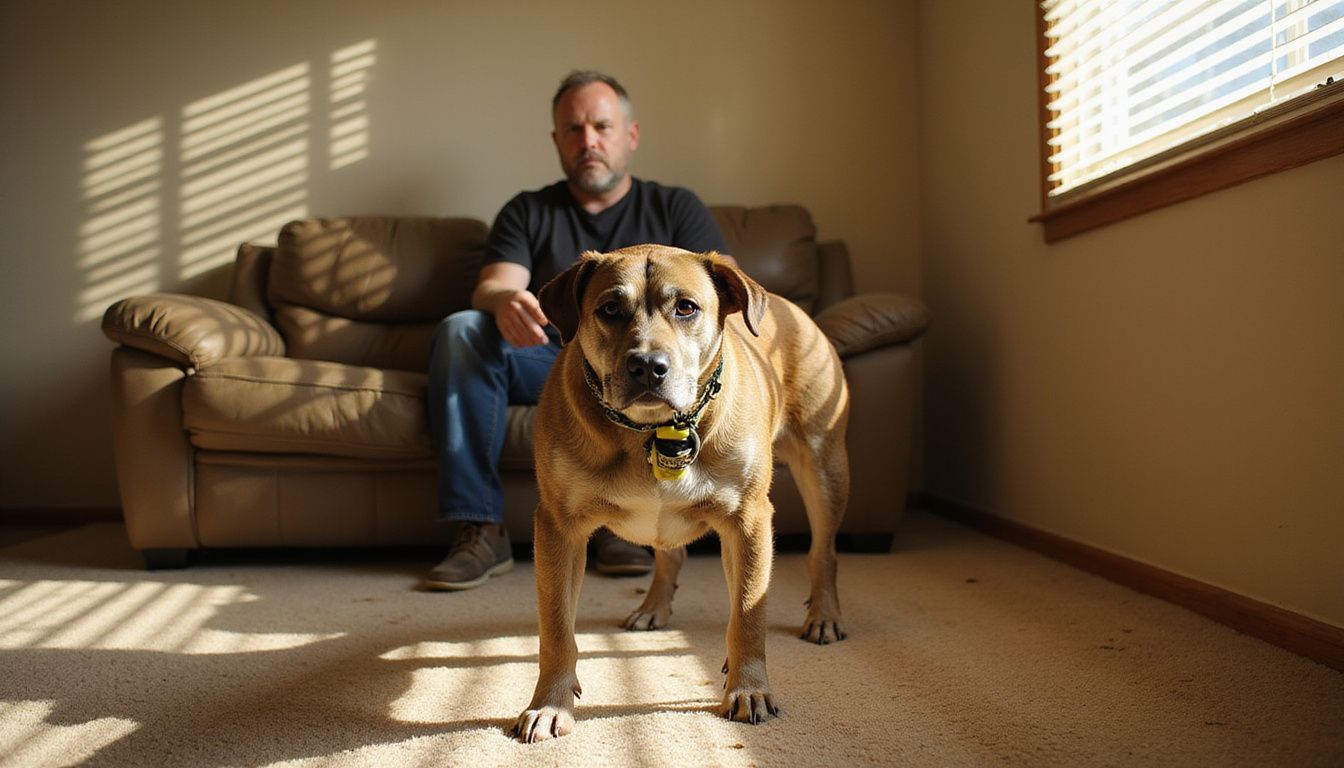
Anti-bark collars might sound like a quick fix, but they come with real trade-offs you should know about first.
| Anti-Bark Collar Type | How It Works | Effectiveness | Key Considerations |
|---|---|---|---|
| Citronella Collars | Releases a citronella mist when your dog barks | Studies show citronella collars can be effective; many owners prefer them over electronic options | Less aversive than shock collars; still a punishment device; works best for attention-seeking barking |
| Ultrasonic Devices | Emits high-frequency sounds only dogs can hear | Mixed results; some dogs respond, others ignore the noise entirely | Non-invasive option; effectiveness varies greatly between individual dogs |
| Electronic Shock Collars | Delivers brief electric shocks triggered by barking | Can suppress barking temporarily, but doesn’t address root causes | Risks include fear, anxiety, and aggression; not recommended as a first solution |
| Loud Noise Collars | Makes a startling sound to interrupt barking | May work for some dogs; others become desensitized quickly | Dogs may ignore it after repeated exposure; causes stress |
| Critical Issue: Dogs develop “collar-wise” behavior, meaning they stop barking only while wearing the collar. Once removed, barking typically returns. Microphone-triggered collars in multi-dog homes often malfunction, punishing innocent dogs. | |||
These devices work as punishment tools, not training solutions. Your dog learns to fear the collar, not to actually stop barking, so the behavior suppresses for a while but the real cause stays untouched. It’s like putting a mute button on a smoke alarm instead of fixing the fire.
Fear-based or anxiety-driven barking should never get treated with these collars. Punishment tends to make anxiety worse, so you’ll likely see more stress, aggression, or avoidance instead of less barking.
If you’re weighing more modern options, some owners look at smart collars like the Halo Collar, which focus more on boundary and location training than bark correction. Keep in mind that no gadget replaces the training work you and your dog do together.
Multi-dog households face a particular challenge here too. A microphone-triggered collar activates whenever any dog barks nearby, not just the intended one, and your innocent pup gets corrected for someone else’s behavior.
Consult a certified behavior professional before considering an anti-bark collar. They can assess whether your dog’s barking stems from territorial instincts, attention-seeking, anxiety, or noise sensitivity, since each cause calls for a different fix.
Your training approach matters far more than any device you buy. Positive reinforcement works faster, builds trust, and actually solves the problem instead of masking it.
Common Mistakes to Avoid

You’ll undo your own training efforts if you fall into these common traps. Here’s what to watch for.
Why Is Yelling or Punishing Your Dog Counterproductive?
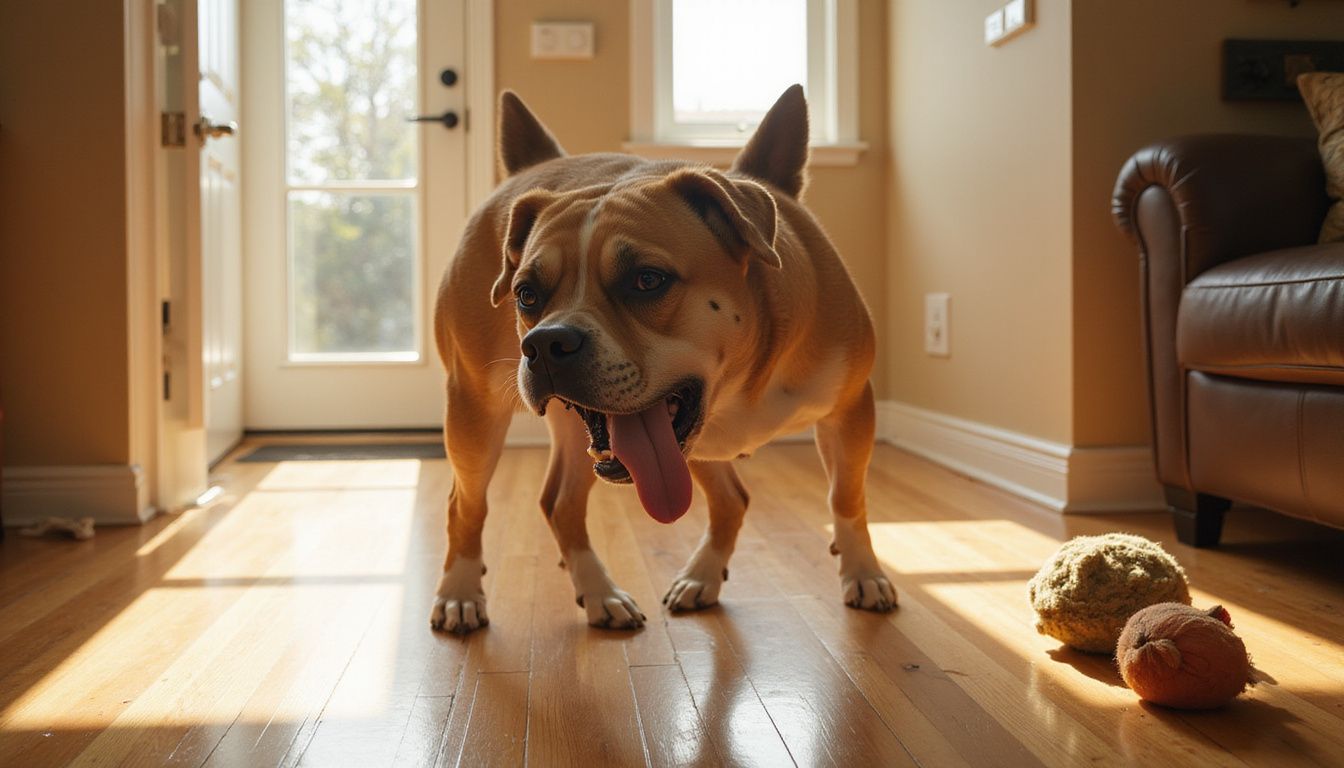
Yelling at your dog when he barks at the door or neighbors backfires in ways you might not expect. Your pup reads shouting as attention, which actually reinforces the barking instead of stopping it.
Dogs don’t understand that you’re upset. They just know that barking got you to react, so the payoff feels real and he keeps guarding the territory just as hard.
Punishment also confuses your dog, making him anxious instead of obedient. Studies on dog body language show that stressed dogs bark more, not less, so yelling usually makes the chaos worse, not better.
Punishment-based methods can turn a simple barking problem into a fear or anxiety issue that runs much deeper.
If you punish your dog for barking at some sounds while letting him bark at others, you send mixed signals that confuse him further. Consistency matters a lot in dog care, and shaky training tends to make barking worse over time.
Trainers at Cesar’s Way and in Susan Garrett’s programs warn against punishment unless a professional is guiding you, especially when fear or anxiety is fueling the barking. Negative reinforcement just adds frustration, which leads to more barking, not less.
How Does Inconsistent Training Affect Barking Behavior?

Inconsistent training confuses your dog about what behavior you actually want. If he gets rewarded for barking sometimes and scolded other times, the habit gets more entrenched instead of fading away.
Your pup can’t understand mixed signals, so he keeps barking, hoping for the reward he got last Tuesday. This teaches him that barking is unpredictable but maybe worth it, which makes the problem worse over time.
- Every family member responds to barking the same way, every time
- Training sessions happen regularly, not just when it’s convenient
- Rules stay the same on weekends and weekdays alike
One person rewarding quiet behavior while another ignores barking cuts off signals your dog needs to learn what works. Consistency in rewarding only the behavior you want is the real key to success here.
Your dog learns fastest when routines stay the same and responses never change. Think of it like learning a new language: he needs the same lesson taught the same way, again and again, before it truly sinks in.
This foundation of consistency matters more than any tool, collar, or command you might use. Get this part right, and everything else in this guide works a lot better.
Conclusion

You’ve learned that dog barking comes from real causes, not stubbornness or spite.
Territorial instincts, attention-seeking habits, and noise sensitivity each need their own approach, so pinning down the root cause matters most.
Commands like “Quiet” give your dog clear rules and build the impulse control he needs to stay calm at the door.
Positive reinforcement and desensitization training beat punishment because your dog learns what actually works, not just what to fear.
Anti-bark collars might look like a shortcut, but they usually leave your dog confused once you take them off.
Start with these steps today and stay consistent. If progress stalls, a Certified Professional Dog Trainer or board-certified veterinary behaviorist in Los Angeles, CA, Omaha, NE, or Culver City can help you troubleshoot.
Your dog barks because something matters to him. A little patience now builds a quieter home, one that’s ready for whatever, or whoever, you bring home next, dog, rabbit, and all.
FAQs
1. Why does my dog bark at the door or at neighbors?
Dog barking at the door comes from pure territorial instinct. Your dog hears a sound, sees movement, or picks up an unfamiliar scent, and its brain sounds the alarm. Bonnie, a trainer from Culver City, says this guarding behavior is completely natural but can be redirected with proper training.
2. Can a tool like Halocollar help cut off signals that trigger barking?
Yes, a Halocollar can help by delivering gentle feedback that redirects your dog’s attention before the barking escalates. It teaches your dog a calmer response instead of the automatic barking habit.
3. Where can I find real advice from trainers instead of random tips online?
Try JustAnswer to chat with certified trainers like Lisa, a dog behaviorist in Omaha, NE, who specializes in barking issues. CesarsWay also offers step-by-step guides for common barking problems.
4. Are social media pages like Instagram or Facebook good sources for training tips?
They can be helpful if you follow certified professionals. Many trainers in Los Angeles, CA, post real training clips on Instagram, and Facebook groups let you connect with other dog owners facing the same door-barking challenges.