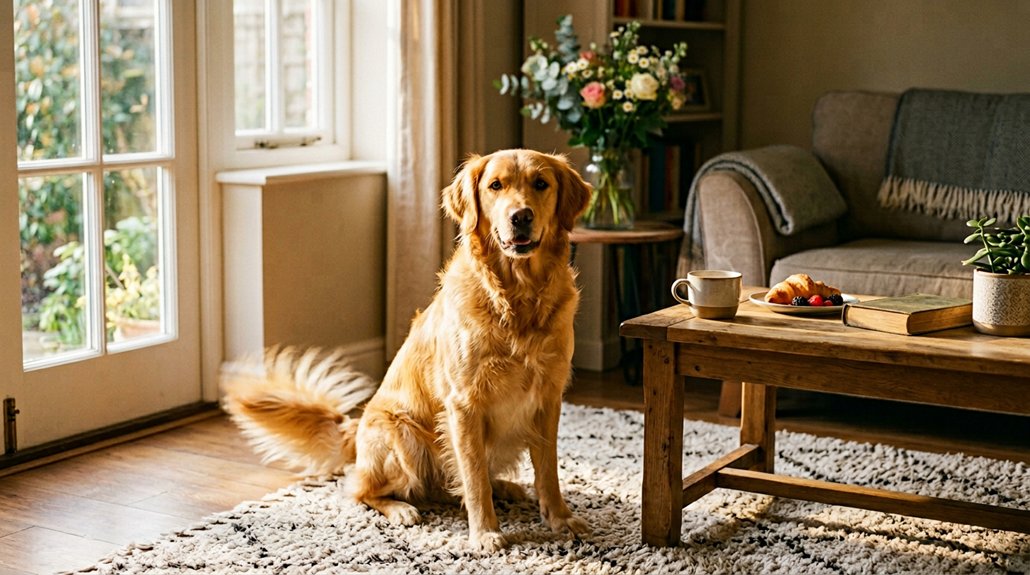
Getting a dog changes your lifestyle in many ways. You’ll need to adjust to early mornings for feeding and walks, which help improve time management. Daily walks keep both you and your dog healthy and bolster social interactions. Preparing for varying weather is vital, as is keeping your home tidy amidst shedding. Financial planning for your dog’s needs is essential, and you’ll find emotional fulfillment through the companionship. To explore the depth of these changes, consider the broader context.
Key Takeaways
- Adjust daily routines to accommodate early mornings and regular feeding schedules for the dog’s needs.
- Increase in physical activity and social interactions through daily walks and community events.
- Improve time management and mental health by embracing structured morning routines with the pet.
- Financial planning becomes essential due to lifetime expenses, including vet bills and training costs.
- Home cleanliness requires regular grooming and efficient strategies to control pet hair and shedding.
Embracing Early Mornings
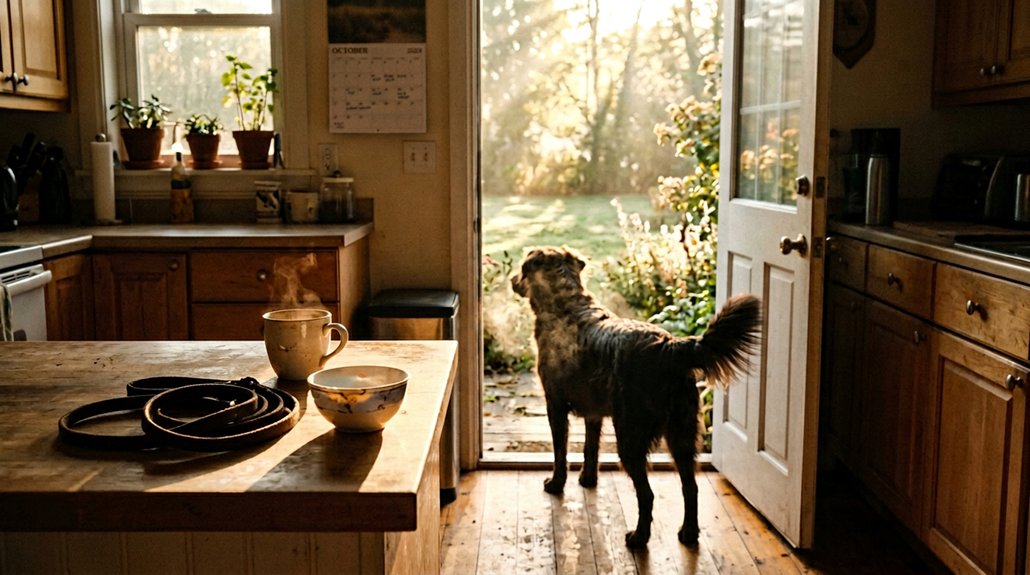
When you get a dog, especially a puppy, adapting to early mornings becomes a necessary adjustment. Puppies require consistent potty breaks and feeding schedules, meaning your mornings shift alongside theirs. These early routines prompt you to establish morning mindfulness, offering a quiet time to appreciate your surroundings and the companionship of your pet. Practical clothing, like waterproofs and wellies, becomes essential for comfort, and soon you’ll find that these routine rewards of structured mornings improve your time management. Adopting these rhythms enhances your mental well-being, providing a purposeful start to the day. Knowing that you’re supporting your dog’s needs, you gain a sense of accomplishment and joy, ensuring your mornings transform into an integral part of your daily life.
Committing to Daily Walks
Just as early mornings become a routine part of life with a dog, committing to daily walks is another significant change. It’s crucial to recognize that dog walking benefits both you and your furry companion. By partaking in routine exercise, you’re more likely to meet the recommended daily physical activity guidelines, achieving nearly 300 minutes of walking each week, compared to non-dog owners. These walks offer mental stimulation for both parties, strengthening the bond through shared outings. Additionally, such regular outside activity can improve your overall health, reducing stress and boosting cardiovascular well-being. You’ll also find that daily walks enhance social interactions; your dog becomes a natural conversation starter, providing increased engagement in your community and neighborhood.
Dressing for the Weather
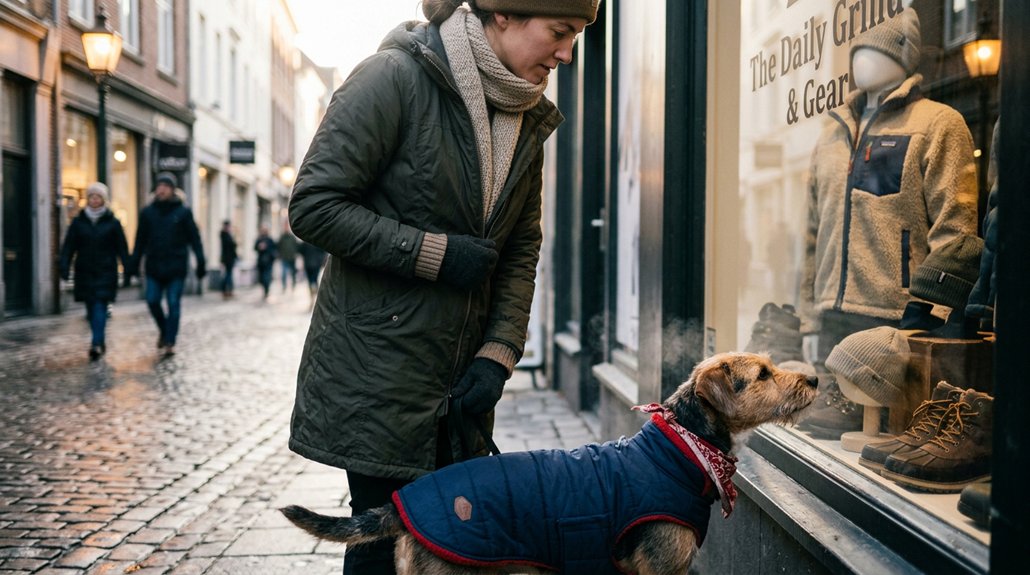
Preparing for daily walks with your dog means adapting your wardrobe to various weather conditions to guarantee maximum comfort and safety. Achieving ideal weather readiness starts with selecting suitable seasonal attire. For rainy days, waterproof jackets and sturdy footwear provide the necessary protection against moisture. As temperatures drop, invest in insulated clothing and thermal layers, making sure you’re warm during chilly outdoor ventures. Accessories like gloves, hats, and scarves offer added comfort in frigid environments. Conversely, hot weather calls for lightweight, breathable fabrics to keep you cool when walking your canine during peak temperatures. By embracing diverse attire for different seasons, you enhance your outdoor experience and guarantee continuous comfort and safety. Weather readiness is crucial in maintaining an enjoyable routine with your furry companion.
Keeping Your Home Hair-Free
When you bring a dog into your home, efficient cleaning strategies and managing shedding become essential. Investing in a high-quality vacuum cleaner and engaging in regular grooming sessions will help maintain a hair-free environment. Additionally, choosing the right tools, such as lint rollers and pet hair removal devices, guarantees you can quickly address any fur on clothing and furniture.
Efficient Cleaning Strategies
Many pet owners will find that maintaining a hair-free home becomes considerably easier with the right tools and strategies. Start by investing in a quality vacuum cleaner designed for pet hair, known for its ability to capture fur and dander efficiently. Incorporate effective grooming routines with pet-friendly products to minimize loose hair. Also, designate specific areas for your dog to reduce shedding throughout your home.
Here’s a quick guide to help you:
| Task | Frequency |
|---|---|
| Vacuum pet areas | Daily |
| Groom your dog | Weekly |
| Wash dog bedding | Weekly |
| Use lint rollers | As needed |
| Damp mop floors | Weekly |
Creating a regular cleaning schedule and using washable covers will further guarantee a cleaner, hair-free environment.
Managing Shedding Solutions
Although you can’t completely eliminate shedding, managing it effectively can greatly enhance the cleanliness of your home. Shedding management begins with grooming techniques like weekly brushing to remove loose fur before it spreads. Regular grooming not only reduces hair accumulation but also keeps your dog’s coat healthy. Here are key strategies for tackling pet hair in your living space:
- Invest in a specialized vacuum cleaner: Use a vacuum designed for pet hair to clean carpets and upholstery efficiently.
- Apply lint rollers or brushes: They’re quick solutions for removing hair from clothing and furniture, especially when guests are expected.
- Utilize washable furniture covers: Protect sofas from fur build-up with throws, easily refreshed through washing.
- Establish a cleaning routine: Regular vacuuming and dusting prevent hair accumulation, ensuring a fresher home.
Choosing the Right Tools
To effectively keep your home free of dog hair, selecting the right tools is essential. Investing in high-quality cleaning supplies like vacuum cleaners with strong suction and HEPA filters is vital for managing pet hair efficiently. Incorporate grooming tools such as slicker brushes and grooming gloves into your routine to reduce shedding and limit hair accumulation on furniture and clothing. Using lint rollers or pet hair-specific removal tools offers a quick solution for stray hairs on fabric surfaces. Enhance cleaning with anti-static sprays and pet-specific fabric protectors to repel hair, making routine cleaning easier. Establish a consistent grooming and cleaning schedule to maintain a hair-free environment, ensuring your space remains comfortable and inviting despite your furry friend’s presence.
Adapting Your Social Life Around Dog Care
Owning a dog inevitably alters your social life as you learn to balance companionship with the needs of your pet. Dog care requires social adjustments, influencing spontaneous plans and social routines. Here’s how your social life might shift:
Balancing companionship with pet needs reshapes your social life, affecting plans and routines.
- Careful Planning: You’ll need to plan social outings around your dog’s schedule, factoring in walks, feedings, and training.
- Alternative Arrangements: For longer events, arranging for pet-sitting or boarding becomes necessary.
- New Social Opportunities: Dog ownership opens doors to meeting people, whether through dog parks or community events, enhancing your sociability.
- Natural Conversations: Walking your dog often leads to spontaneous interactions, making you feel more approachable.
Adapt your social commitments to accommodate these changes, ensuring your dog’s needs are met consistently.
Including Your Dog in Holiday Plans
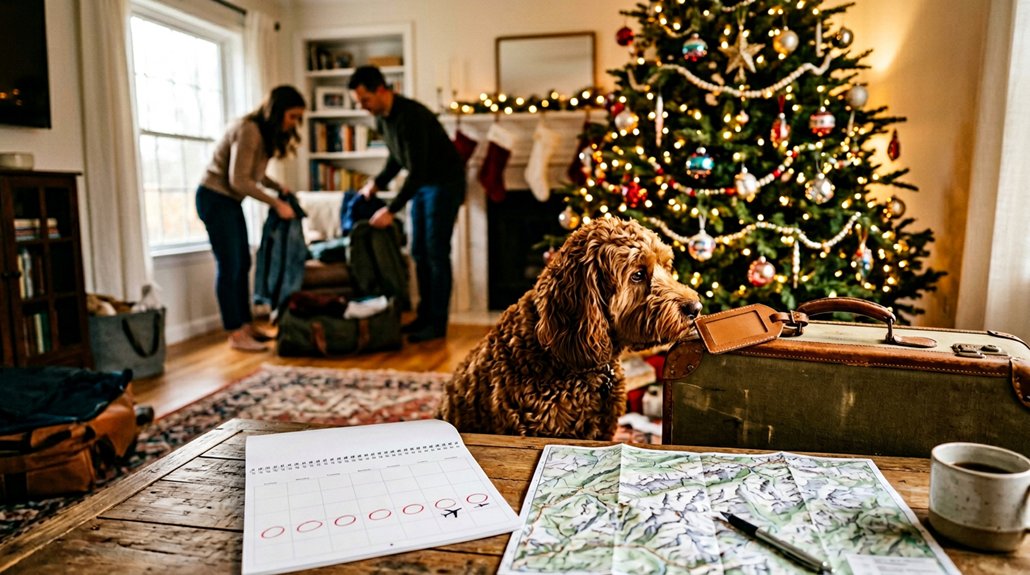
When planning your holiday, integrating your dog into the agenda requires careful thought to secure a seamless experience for both you and your pet. Start by identifying pet-friendly accommodations well in advance; many hotels and rental properties now welcome dogs, enhancing pet travel comfort. Consider dog friendly activities like visiting local parks or attending pet inclusive events, which enrich your holiday routines. Incorporate planning essentials such as packing your dog’s food, maintaining their routine, and guaranteeing adequate exercise to aid stress reduction. Prioritize safety measures by designating a quiet space for your dog at gatherings, mitigating noise-induced stress. Thoughtful preparation secures your dog enjoys the holiday as much as you do, while maintaining a harmonious environment for everyone involved.
Budgeting and Saving on Dog Expenses
How can you effectively manage the financial responsibilities that come with dog ownership? With lifetime expenses surpassing £30,000, strategic planning is essential. Here’s how:
- Emergency Fund: Establish a reserve for unexpected bills. Vet emergencies can’t be foreseen, so set aside a small amount monthly for peace of mind.
- Pet Insurance: Consider purchasing insurance to help cover costly medical treatments and safeguard against large, unforeseen vet bills.
- Training Costs and Nutrition Needs: Include these in your budget. Regular training and quality food support your dog’s health and behavior.
- Grooming Schedules and Long-Term Expenses: Plan for regular grooming and other long-term needs, like quality equipment and boarding during holidays.
Enhance Your Social Life With Your Dog
Owning a dog greatly boosts your social life by making you more approachable during daily walks, where about 40% of owners find it easier to make friends. Dogs naturally act as icebreakers, facilitating conversations with strangers and creating opportunities to connect in parks or community spaces. Furthermore, these interactions can build lasting community connections and support networks, contributing to an enriched, dynamic social experience.
Socialize Through Daily Walks
Walking your dog doesn’t just benefit their health—it enhances your social life too. With dog walking, you’re increasing your approachability, which fosters community bonding. Imagine how conversation starters spring to life when you encounter fellow dog owners on your route. These spontaneous interactions can lead to friendship opportunities, enriching your social dynamics. As approximately 40% of dog owners affirm, neighborhood connections are remarkably easier through shared experiences with dogs.
Harness these interactions by:
- Changing routes: Introduce yourself to diverse individuals or pet friendly events—each walk presents an opportunity for new connections.
- Exploring dog parks: These venues serve as hubs for canine camaraderie.
- Scheduling regular walks: The predictability fosters familiarity and social networks.
- Engaging in neighborhood events: Participate in local gatherings to boost your presence.
Dogs as Icebreakers
Moving from enhancing your social routine through dog walks, let’s examine how dogs become instrumental in breaking the ice and boosting your social life. As a dog owner, dynamics shift; you become more approachable, fostering natural interactions with other pet owners or passersby. Dogs act as perfect canine conversation starters, making it easier to find common ground in parks or neighborhoods. Approximately 40% of dog owners find friendships more accessible with their furry companions. A dog accompanying you can enhance likability, as people naturally appear happier and more attractive in the presence of a dog. Moreover, engaging in dog-related activities like obedience classes or community events offers ideal networking opportunities, strengthening bonds with fellow dog lovers and expanding social circles effortlessly.
Building Community Connections
While you might already know about the benefits of dog ownership on individual social lives, it’s important to recognize how these extend to broader community connections. Owning a dog can transform your social landscape by facilitating neighborhood gatherings and community events. Here’s how your furry companion can help ignite a sense of community:
- Increased Approachability: 40% of dog owners find it easier to make friends, rendering you more approachable during daily walks.
- Natural Conversation Starters: Dogs encourage interactions with fellow pet lovers in parks, boosting your circle.
- Shared Activities: Weekly 300-minute walks bolster community bonds and inspire organized neighborhood gatherings.
- Enhanced Socialization: Obedience classes and dog parks foster engagement with like-minded individuals, combating isolation.
Embrace these moments, enriching your community ties.
Finding Emotional Fulfillment With Your Dog’s Love
Emotional fulfillment is deeply intertwined with the unconditional love and support dogs provide. This emotional bonding offers more than just comfort, as it profoundly impacts your overall well-being. Interactions with your dog, such as petting, can serve as powerful stress relief, reducing cortisol levels within just ten minutes. Simultaneously, your oxytocin levels—the hormone responsible for love and attachment—soar, creating a cycle of mutual affection and support.
The presence of dogs alleviates feelings of loneliness and depression, providing considerable emotional support especially for those facing chronic illnesses. The bond you form with your dog transcends companionship, deeply enhancing your quality of life and emotional resilience. Through their unwavering affection, dogs create an environment where emotional fulfillment flourishes.
Growing and Learning Through Dog Ownership
When you initiate dog ownership, you’ll discover it’s not just a commitment but a profound journey of growth and learning. This process promotes both responsibility development and emotional growth in numerous ways:
- Responsibility Development: Caring for a dog requires nurturing skills, fostering responsibility in daily tasks like feeding and grooming.
- Emotional Growth: Engaging with a dog enhances mindfulness, allowing you to appreciate life’s simple joys and increasing overall satisfaction.
- Patience and Dedication: Training your dog improves patience as you endeavor to communicate and instruct effectively, further developing your character.
- Social and Mental Well-being: Activities such as walking and playing bolster the owner-dog bond while positively impacting mental health and social interactions.
Dog ownership transforms you, tackling doubts and empowering personal growth.
Frequently Asked Questions
How Does Getting a Dog Change You?
Getting a dog changes you by creating an emotional bond and a responsibility shift. You’ll experience increased physical activity, improved mental health, enhanced social connections, and a deeper empathy, shaped by your dog’s unconditional love and companionship.
What Is the 3-3-3 Rule With Dogs?
The 3-3-3 rule is a timeline for dog adjustment: in 3 days, 44% are still stressed; in 3 weeks, they reveal more of their personality; by 3 months, you’ve established clear behavioral expectations and trust.
Where Should a New Dog Sleep the First Night?
Your new dog should sleep in a crate the first night to establish a secure bedtime routine. This creates a safe space where they can adjust comfortably, feeling protected and less anxious as they acclimate.
How Long Does 1 Hour Feel to a Dog?
One hour feels much longer to a dog due to their time perception influenced by canine emotions. Their sensory experiences and shorter attention span make time crawl, especially during periods of waiting and separation from their humans.
Conclusion
Owning a dog mirrors the hero’s journey—a quest for companionship, where every morning walk unfolds like a new adventure. You’ll learn to navigate weather’s whims with resilience akin to sailors braving stormy seas. Your home’s upkeep becomes a noble battle against the siege of fur, and social life reshapes into a collaborative dance. Financially, a strategic chess match guarantees their comfort. Ultimately, your dog offers love’s deepest treasure, a fulfillment akin to ancient quests for truth.