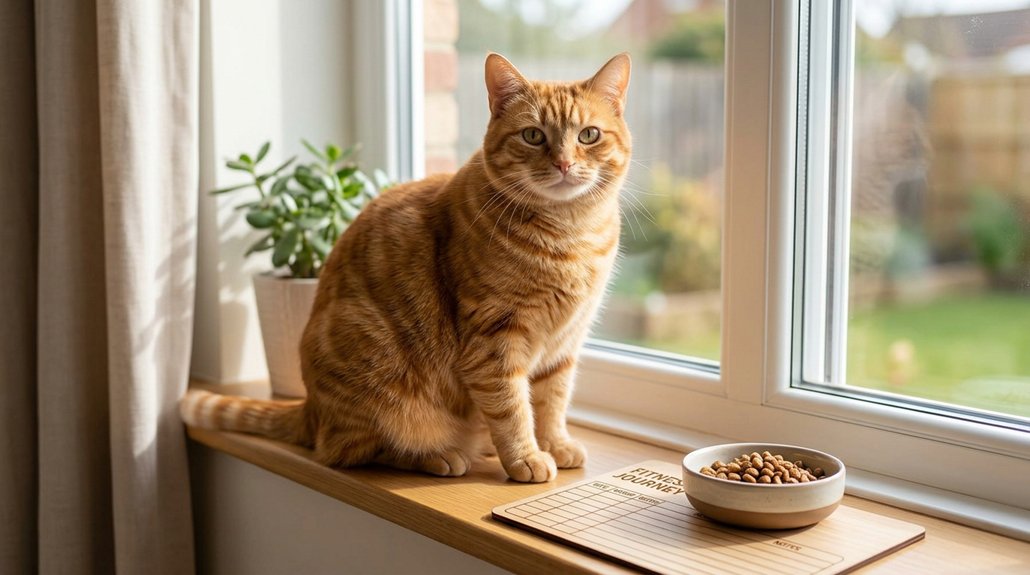
To help your overweight cat lose weight, consult your veterinarian for a customized weight loss plan and Body Condition Score assessment. Shift to a veterinary-prescribed diet with controlled portions, spacing 3-6 small meals daily to enhance metabolism. Integrate interactive play sessions daily for increased activity. Monitor your cat’s progress with regular weigh-ins and keep detailed records of food intake and exercise. Adjustments made along the way can greatly impact your cat’s health trajectory, offering more insights into effective practices.
Key Takeaways
- Consult a veterinarian to assess the cat’s weight and set safe weight-loss goals.
- Implement a structured feeding schedule with 3-6 small meals to enhance metabolic control.
- Transition to a vet-prescribed diet gradually to prevent gastrointestinal distress and ensure nutrient adequacy.
- Integrate daily interactive play sessions of 15-20 minutes to promote exercise and movement.
- Regular weigh-ins and detailed tracking of food intake and activity are essential for monitoring progress and adjusting the plan.
Spotting Signs of Weight Gain in Cats
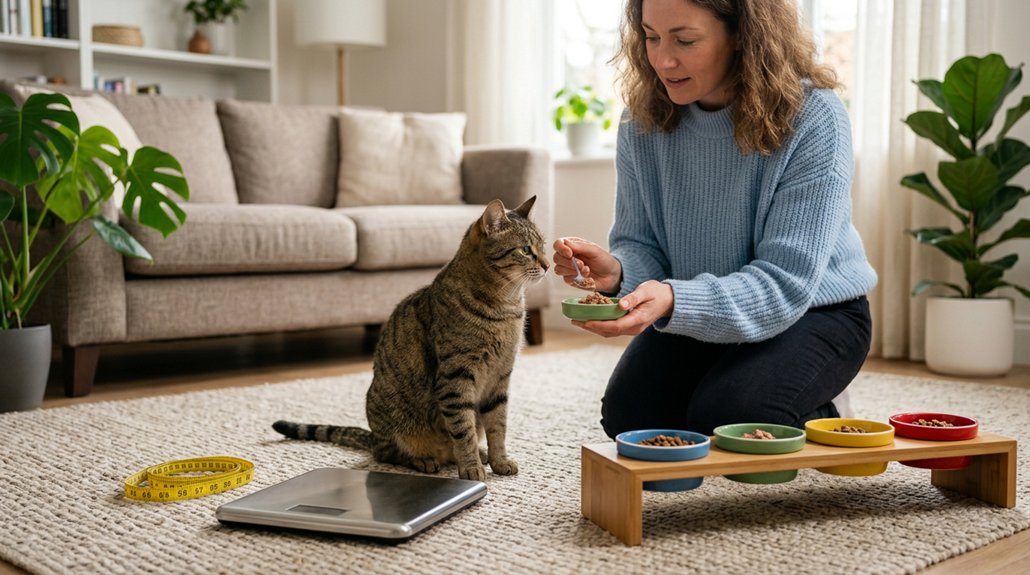
Recognizing weight gain in cats is an important step in maintaining their overall health. Weight gain indicators include difficulty feeling the ribs under a layer of fat and the absence of a defined waistline, where the belly appears rounded. Conducting a thorough body condition assessment is essential. Cats are considered overweight if their weight exceeds 10% of their ideal, and obese if surpassing 20%. During routine veterinary check-ups, confirm the spine is easily palpable; any difficulty in doing so may indicate excess weight. Monitoring weight fluctuations is critical, as even minimal gains, such as two pounds on a ten-pound cat, can greatly heighten risks of diabetes and arthritis. Early detection through these indicators helps mitigate potential health issues.
Developing a Vet-Approved Weight Loss Strategy
After identifying the signs of weight gain in your cat, the next step is to implement a thorough weight loss strategy backed by veterinary guidance. Begin with a vet consultation to perform a weight assessment, including determining your cat’s Body Condition Score (BCS). This allows the establishment of a safe weight-loss goal, typically targeting 0.5-1.0 lbs per month, mitigating rapid weight loss health risks. Calculate daily energy requirements based on the target weight, not the current weight. Shift to a veterinary-prescribed diet over 2-3 weeks, ensuring gradual dietary changes. Establish a structured feeding schedule of three to six small meals daily to manage hunger. Regular vet follow-ups are important for monitoring progress and adjusting the plan as necessary.
Unpacking Health Risks of Overweight Cats
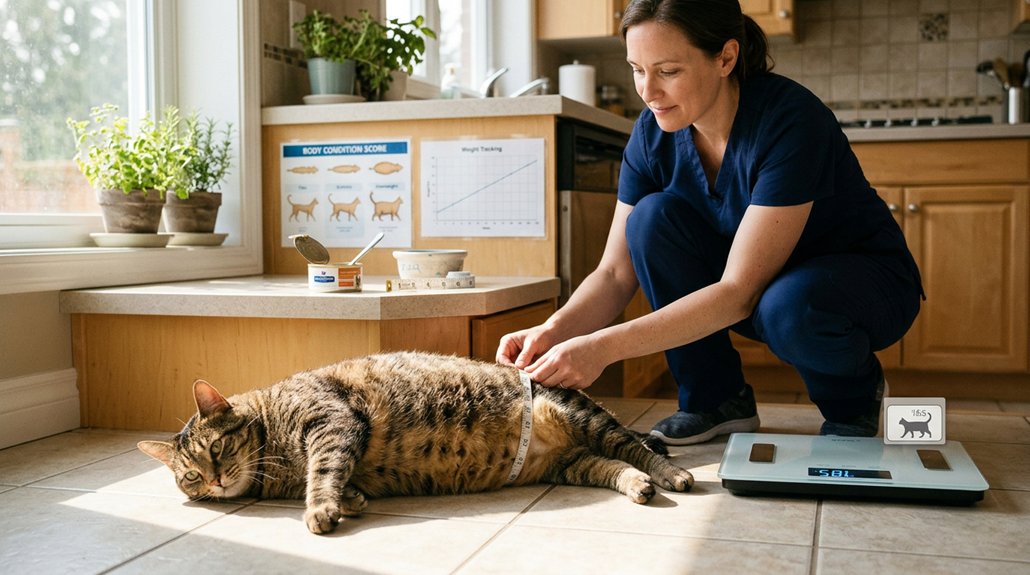
You should be aware that overweight cats face an elevated risk of developing type 2 diabetes, necessitating complex long-term management. Obesity not only elevates the likelihood of urinary tract issues due to altered urine concentration and abdominal pressure but also exacerbates joint problems like arthritis, reducing mobility. Recognizing these health risks is essential for implementing effective weight management strategies to improve your cat’s overall wellbeing.
Diabetes and Overweight Cats
While obesity in felines can indeed pose numerous health issues, one of the most serious consequences remains its strong connection to diabetes. Overweight cats exhibit an increased risk of insulin resistance, considerably affecting their overall health. Understanding proper diabetes management can lead to improved outcomes. Address these critical aspects for your cat’s health:
- Increased Risk: Obese cats are three times more likely to develop type 2 diabetes.
- Clinical Signs: Watch for excessive thirst, increased urination, and weight loss.
- Glycemic Control: A weight reduction of 5-10% may enhance glycemic control.
- Potential Remission: Proper weight management could lead to diabetes remission.
- Regular Monitoring: Frequent veterinary check-ups are essential for early detection.
Ensure a focus on managing weight through appropriate dietary changes.
Urinary Issues and Obesity
Since obesity greatly impacts a cat’s health, it’s important to examine its effect on the urinary system. Overweight cats face heightened risks of urinary tract infections and obstructive issues, largely attributed to concentrated urine and inflammation. Bladder stone formation, an uncomfortable and potentially dangerous condition, is also more common in such cats. Studies show cats exceeding their ideal weight by 10% face a higher probability of urinary conditions, underscoring the need for vigilant urinary health monitoring and consulting a veterinarian. Furthermore, obesity can lead to decreased grooming behavior, increasing the potential for skin conditions that further complicate urinary health. Maintaining ideal hydration is crucial, as it dilutes urine concentration and reduces the risk of these urinary issues.
Joint Pressure Effects
Even minor increases in weight can lead to significant joint pressure in cats, exacerbating conditions such as arthritis and resulting in chronic pain and mobility challenges. Overweight cats must deal with increased joint strain, prompting chronic inflammation that compromises their joint health over time. Such strain often leads to osteoarthritis, presenting as persistent pain and impaired mobility. Understanding the causes and consequences of feline joint strain is vital for managing these issues and improving your cat’s quality of life.
Consider these key points regarding the impact of excess weight on your cat’s joints:
- Increased load on joints during daily activities.
- Exacerbation of arthritis symptoms.
- Decreased physical activity due to pain.
- Chronic inflammation leading to reduced joint health.
- Potential improvement with weight reduction.
Designing a Feasible Weight Loss Plan
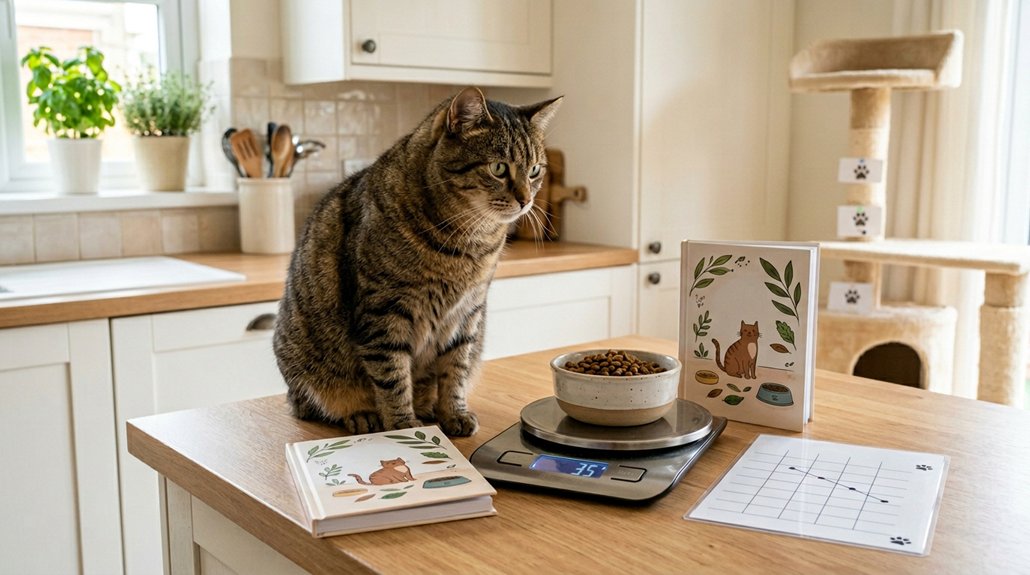
To design a feasible weight loss plan for your overweight cat, it’s vital to start with a thorough veterinary examination to assess body condition and exclude any underlying health issues. Determining the cat’s daily energy requirements (DER) is essential to implement a safe calorie deficit, promoting effective weight management. Shifting from free-feeding to scheduled meals disperses the daily allowance into smaller portions, optimizing metabolic rate control. Integrate interactive play sessions for added exercise, aiming for 5-10 minutes several times daily.
Here’s a concise plan for reference:
| Task | Frequency | Purpose |
|---|---|---|
| Calculate DER | Initial setup | Guarantee proper calorie deficit |
| Scheduled meals | 3-6 times daily | Promote regulated intake |
| Interactive play | Multiple times daily | Stimulate exercise and weight loss |
Monitor progress by regularly checking your cat’s weight, adjusting as necessary.
Implementing a Regular Feeding Routine
Implementing a structured feeding schedule is vital for effective weight management in overweight cats. By establishing consistent meal times and portion control, you’ll regulate your cat’s appetite, minimizing excessive feeding behavior and aiding in achieving a calorie deficit. It’s important to accurately measure servings using recommended tools, moving from free-feeding to scheduled meals, to guarantee that your cat’s dietary needs are met without exceeding caloric limits.
Portion Control Strategies
When attempting to help your overweight cat lose weight, establishing a regular feeding routine is crucial for effective portion control. Accurate portion sizes are essential, and employing measuring tools like a measuring cup guarantees precise control over calorie intake, which promotes weight loss. Shifting from free-feeding to scheduled meals aids in regulating hunger and reducing overeating.
To develop an effective feeding regimen, consider these elements:
- Use a measuring cup: Accurately measure each meal to meet caloric requirements.
- Provide 3-6 small meals daily: Increases satiety and prevents hunger-induced stress.
- Monitor portion sizes: Evaluate and adjust based on your cat’s progress.
- Establish consistency: A consistent routine reduces begging behaviors.
- Consult your vet: Tailor serving sizes to your cat’s specific needs.
Implementing these strategies supports healthy eating habits.
Scheduled Meal Times
Shifting your cat from free-feeding to scheduled meal times is a strategic approach that can positively influence weight management. By regulating meal timing, you help control your cat’s caloric intake, vital for preventing further weight gain. Consistent feeding routines enhance your cat’s digestive efficiency and improve metabolic function. Structuring the day with three to six small meals aids in maximizing satiety and curbing unwanted feeding behaviors, such as incessant begging. Importantly, it’s effective to plan meals to avoid prolonged fasting intervals. Feeding your cat just before you depart for the day helps manage late-night snacking tendencies. Monitoring your cat’s food intake alongside scheduled meals guarantees you can document progress, enabling real-time adjustment of the feeding plan to optimize weight loss.
Consistent Feeding Practices
Building on the strategic advantages of scheduled meal times, establishing consistent feeding practices is pivotal in managing your cat’s weight effectively. Dividing daily food intake into smaller, frequent meals promotes satiety and discourages overeating. By gradually moving from free-feeding to a regular plan, you can regulate calorie intake and minimize begging behaviors. It is crucial to measure food with precision, ensuring portions align with veterinary guidance.
- Implement meal variety: Cater to your cat’s food preferences without overindulging.
- Optimize the feeding environment: A controlled setting enhances eating habits.
- Understand cat behavior: Fixed schedules foster better appetite regulation.
- Adopt a gradual change: Ease into new routines to reduce stress.
- Utilize rewarding systems: Reinforce positive feeding practices.
This systematic approach facilitates a healthier weight trajectory for your pet.
Selecting Foods for Healthy Weight Reduction
Selecting the right foods is essential for facilitating healthy weight reduction in an overweight cat. When selecting brands, prioritize veterinary-prescribed weight-loss foods, as they are specifically designed with lower energy density and higher protein to preserve lean muscle. Examining labels is vital; look for increased fiber levels, which aid in satiety and control hunger without added calories. Be wary of over-the-counter weight-loss options, often misclassified as maintenance diets, potentially lacking needed nutrients. Shift gradually to any new diet over a 10-14 day period, mixing the new with the old to minimize gastrointestinal distress. Always consult a veterinarian for tailored feeding recommendations, ensuring that calorie intake and portion sizes align with your cat’s ideal weight and specific needs.
Increasing Exercise With Fun Play Ideas
While achieving weight loss for your overweight cat can seem challenging, incorporating structured play into their daily routine is crucial for success. Engaging in 15-20 minutes of daily indoor activities, divided into 5-10 minute sessions, effectively stimulates movement and supports weight loss goals. Utilize interactive toys and hunting games to promote natural instincts and cat agility. Integrate movement challenges like hiding food to blend exercise with mealtime. Varying playtime with engaging routines and introducing new toys guarantees mental stimulation and maintains interest. Social play and outdoor adventures enhance these activities by providing diverse playtime variety.
- Interactive toys like feather wands
- Hunting games using laser pointers
- Movement challenges with hidden food
- Playtime variety with new games
- Mental stimulation via puzzle feeders
How to Treat Your Cat Without Overfeeding
When attempting to balance your cat’s diet, it’s critical to manage treat portions meticulously. Limit treats to no more than 10% of their daily caloric intake, selecting options with only 1 to 3 calories each to avoid excess weight gain. Consider using regular kibble as low-calorie alternative treats instead of high-calorie commercial snacks. Shift from free-feeding to scheduled feeding times, embracing interactive rewards like play or grooming to supplant food-based reinforcement and mitigate begging. Accurate meal measurement aids in maintaining precise portion control.
| Strategy | Benefits | Implementation |
|---|---|---|
| Limit Treat Calories | Prevents excessive weight gain | 1-3 calories per treat |
| Use Kibble as Treats | Lowers calorie consumption | Swap with snacks |
| Interactive Rewards | Reduces reliance on food rewards | Play, groom, affection |
Tracking Progress and Making Necessary Adjustments
Monitoring your cat’s weight regularly is essential in gauging the effectiveness of the weight loss plan. Regular weigh-ins every one to two weeks support precise weight tracking, guaranteeing the program’s success. If weight loss stalls for more than 90 days, consider calorie adjustments to maintain momentum. Aim for a gradual weight reduction, ideally 0.5 to 1 pound per month, minimizing health risks like hepatic lipidosis. Keep detailed records of food intake and activity levels to identify patterns that may affect progress. Collaborate with your veterinarian to ensure the dietary regimen remains balanced and doesn’t negatively impact your cat’s health.
- Conduct routine weigh-ins every 1-2 weeks
- Adjust calories if no progress in 90 days
- Target 0.5 to 1-pound monthly weight loss
- Document food and activity
- Consult veterinarian regularly
Frequently Asked Questions
How Can I Slim Down My Obese Cat?
You can slim down your obese cat by incorporating diet adjustments and structured exercise routines. Implement portion control with veterinary-prescribed food for satiety and muscle preservation, while integrating twice-daily play sessions to enhance your cat’s physical activity levels.
How Long Does It Take for an Overweight Cat to Lose Weight?
It’ll take 6 to 12 months for your overweight cat to reach a healthy weight. A safe weight loss timeline emphasizes losing 0.5 to 1.0 pounds monthly, guided by consistent monitoring and veterinary oversight to guarantee well-being.
Is a 20 Lb Cat Considered Obese?
A 20-pound cat is like a ticking time bomb, definitely considered obese. Obesity risks, such as diabetes and arthritis, necessitate urgent weight management. Regular veterinary oversight guarantees tailored strategies, transforming your pet’s health and improving their quality of life.
Can a Chubby Cat Still Be Healthy?
Yes, a chubby cat can still exhibit health, yet it’s essential to monitor feline weight management. Regular veterinary assessments guarantee underlying health issues aren’t overlooked, optimizing their well-being and helping prevent diabetes, heart disease, or arthritis.
Conclusion
Caring for your overweight cat is akin to nurturing a garden—intentional, consistent actions are key. Just as overwatering can harm plants, excessive feeding hinders your cat’s health. Studies reveal that a mere 10% reduction in caloric intake can greatly enhance feline metabolism. Implementing a vet-approved plan, integrating nutritious food, and increasing exercise mirrors the careful pruning and sunlight balance needed for flourishing growth. Monitor progress, adjust as needed, and your feline companion will thrive, healthier than ever.