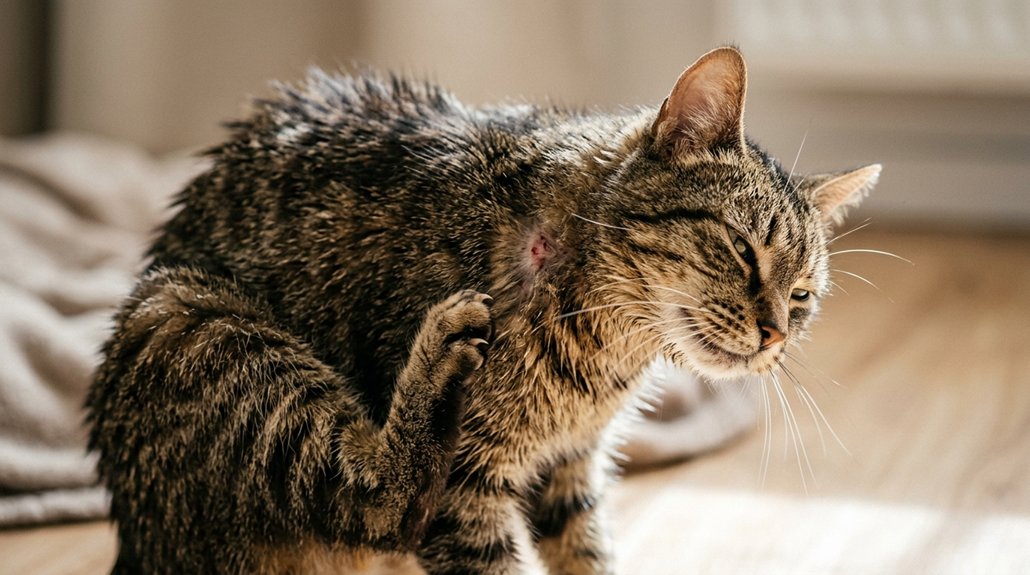
Your cat’s itching can stem from various causes such as parasites like fleas or mites, allergens including pollen and certain foods, or underlying conditions like infections. A thorough diagnostic process with your vet can pinpoint the exact trigger. Treatments may involve antihistamines, corticosteroids, medicated shampoos, or specialized diets tailored to address the root cause. If unchecked, persistent scratching might lead to further complications; gaining insights into preventive measures can help maintain your cat’s comfort and health.
Key Takeaways
- Parasites such as fleas and mites can cause intense itching due to irritation and allergic reactions like Flea Allergy Dermatitis.
- Environmental allergens, including pollen and dust mites, can lead to skin inflammation and excessive scratching in cats.
- Food allergies, often linked to proteins, may cause itching and require dietary adjustments for relief.
- Bacterial and fungal infections, such as ringworm, complicate skin irritation and increase itchiness.
- Serious underlying conditions like hyperthyroidism or autoimmune disorders can contribute to persistent itching in cats.
Quick Solutions to Relieve Your Cat’s Itching
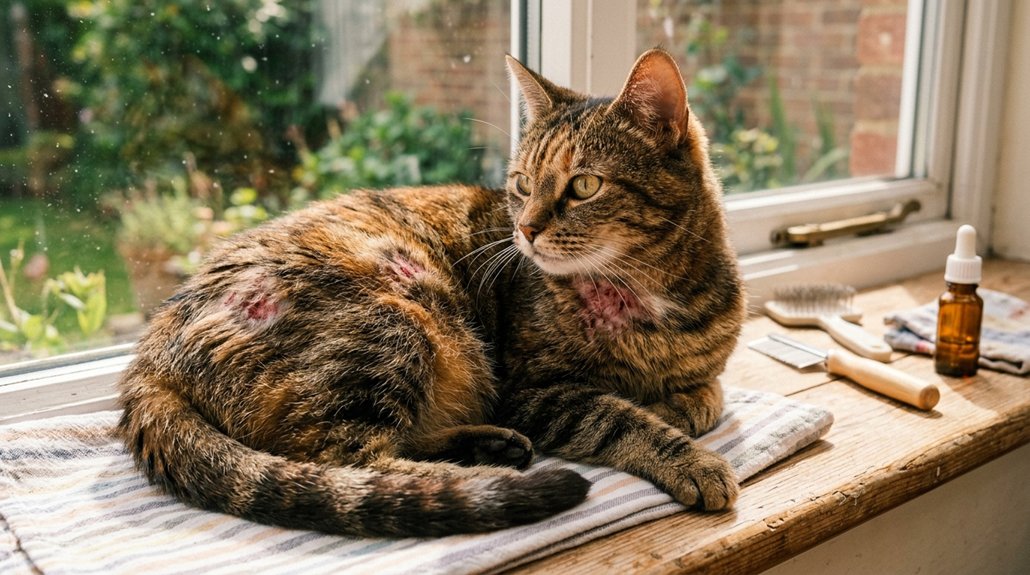
One of the quickest solutions to relieve your cat’s itching involves addressing potential flea infestations. Despite being indoors, fleas can still be a nuisance, so using topical or oral flea preventatives is critical. Consider home remedies like regular, gentle baths with a vet-recommended medicated shampoo. This soothing treatment not only helps with inflamed skin but also tackles underlying skin infections. Meanwhile, veterinary-prescribed antihistamines or corticosteroids offer swift relief for allergy-related itching.
For a holistic approach, implement dietary changes. Starting an elimination diet with novel proteins might reveal food allergies contributing to your cat’s discomfort. Additionally, using a recovery collar or suit is essential in preventing further skin damage as it allows ongoing treatments to work without your cat’s interference.
Common Causes of Itching in Cats
When your cat starts itching incessantly, it’s essential to reflect on common culprits like parasites and allergies. Fleas, even in indoor cats, can trigger severe allergic reactions, while environmental factors and dietary ingredients can lead to significant skin irritation. Additionally, infections and other medical conditions such as hyperthyroidism or autoimmune disorders may exacerbate itching, necessitating a thorough evaluation if symptoms persist.
Parasites and Allergies
Even though cats are meticulous groomers, they can still fall victim to various parasites and allergens that lead to relentless itching. Fleas top the list of itch-inducing culprits, with even a few bites causing significant irritation. Maintaining strict parasite control is essential. Other troublesome parasites include mites and lice, with sarcoptic and demodectic mange mites causing profound itching and requiring prompt veterinary care.
Environmental allergens like pollen, dust mites, and mold can also trigger discomfort, while food allergies, commonly linked to proteins such as chicken, beef, and fish, can result in severe skin reactions. Pinpointing the exact cause demands a thorough diagnostic approach, often necessitating allergy testing and skin scrapings to differentiate between allergies, infections, and parasitic infestations.
Infections and Other Issues
Though cats are naturally clean animals, infections can be a significant cause of their itching woes. Bacterial infections, often occurring when your cat excessively scratches due to allergies, can lead to sores and inflammation. Fungal infections, like ringworm, are particularly concerning as they’re not only itchy but also highly contagious, affecting humans and other pets as well. These infections are often symptomatic of underlying issues like skin barrier damage, requiring prompt diagnosis. Keep an eye out for signs like sores, scabs, or unusual skin texture—these can indicate infections demanding veterinary evaluation. Treatments often involve medicated shampoos and targeted therapies, and resolving skin infections might take several weeks. Early intervention is key to alleviating your cat’s itch.
Diagnosing Itching and Treatment Options
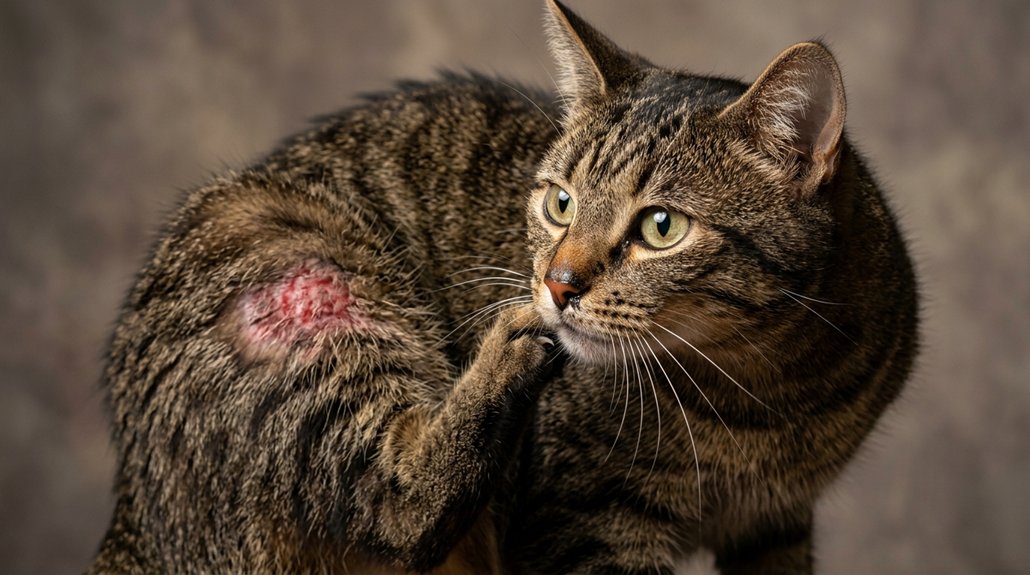
Identifying the root cause of your cat’s relentless itching involves several critical diagnostic steps. Initially, your veterinarian will gather an extensive symptom history and observe the scratching behavior to pinpoint patterns. Diagnostic tests are essential, including skin scrapings, tape prep, and flea combing to look for signs of external parasites or infections. Sometimes, fungal cultures are necessary if a deeper infection is suspected. Allergy testing by a veterinary dermatologist can uncover environmental or food allergies contributing to the irritation.
Treatment options depend on the specific cause. They might include topical or oral medications, such as antihistamines or corticosteroids, to address inflammation and itching. Specialized diets and preventive measures, like regular parasite control, may be required for effective long-term management.
How Parasites Make Your Cat Itch
You’ll find that external parasites, including fleas, mites, and ticks, are often a key culprit behind your cat’s relentless itching. Flea allergy dermatitis arises from the proteins in flea saliva, triggering severe allergic reactions and intense itchiness. Meanwhile, mite infestations and tick-borne skin irritations contribute to further discomfort, requiring vigilant observation for signs such as incessant scratching, hair loss, and skin lesions.
Flea Allergy Dermatitis
Have you ever noticed your cat incessantly scratching and wondered what’s causing such discomfort? Flea Allergy Dermatitis (FAD) might be the underlying issue. This common condition occurs when hypersensitive cats react to flea saliva. Just one flea bite can ignite intense itching, leading your cat to scratch, lick, or bite the affected areas—often the base of the tail, lower back, or thighs. Without intervention, secondary infections might develop. Diagnosing FAD involves ruling out other itching causes and observing for fleas or characteristic lesions. Effective management mandates eliminating fleas using topical or oral treatments and preventing future infestations.
| Symptom | Detail |
|---|---|
| Scratching | Base of the tail, thighs |
| Licking, biting | Prompted by flea bites |
| Flea presence | Causes hypersensitive response |
| Secondary infections | From excessive grooming |
Mite Infestation Issues
While fleas are a frequent culprit of feline discomfort, parasites such as mites pose another significant threat to your cat’s skin health. Mite infestations, including sarcoptic mange and ear mites, can wreak havoc on your cat’s well-being. The mite life cycle naturally involves phases that include surviving on your cat and potentially spreading to others. Recognizing mite symptoms early, such as intense itching, hair loss, and skin sores, is essential for timely intervention.
Sarcoptic mange mites are notorious for their contagious nature and ability to transmit to humans, causing skin irritation. Ear mites might drive your cat to incessantly scratch its ears, leading to head shaking and possible secondary infections. Effective treatment might involve vet-prescribed medications and rigorous environmental cleaning to eradicate these persistent parasites.
Tick-Borne Skin Irritations
If you’ve noticed your cat frequently scratching or developing sore patches, tick-borne skin irritations might be at play. Ticks, small yet troublesome parasites, can cause significant skin irritation in felines. During tick identification, you might find a single tick can trigger allergic reactions in sensitive cats, leading to excessive scratching. Symptoms such as hair loss and localized inflammation often appear around the bite site. These parasites aren’t just irritants; they can also transmit diseases that worsen the itching and potentially lead to serious health concerns. To prevent such issues, regularly check your cat for ticks, especially after time outdoors. Employ effective tick prevention, like topical treatments and flea/tick collars, to substantially minimize infestations and associated itching.
How Allergies Impact Cat Skin Health
Understanding how allergies impact cat skin health is essential for addressing your feline friend’s incessant itching. Cats exposed to allergens—like pollen, mold, dust mites, or food proteins—can experience significant allergy symptoms, leading to skin inflammation. This inflammation often manifests as excessive scratching, hair loss, and skin lesions, typically concentrated around sensitive areas such as the ears and belly. When your cat’s immune system mistakenly reacts to these allergens, conditions like atopic dermatitis may develop, resulting in red, itchy, and inflamed skin. Diagnosing allergies often involves ruling out other causes, such as fleas, and may require dietary trials to pinpoint food sensitivities. By identifying the specific triggers, you can better manage your cat’s health and alleviate their irritating symptoms.
Medications, Special Diets, and Topical Solutions for Itchy Skin
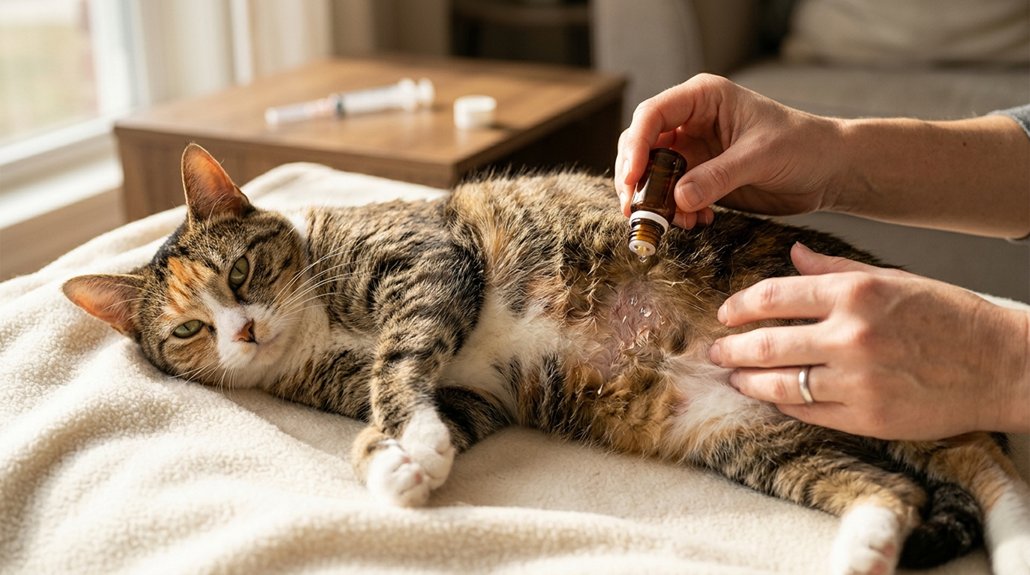
Finding effective solutions for your cat’s itchy skin is essential in ensuring their comfort and well-being. Determining the right medication type can make all the difference. Antihistamines might be effective for allergies, corticosteroids can reduce inflammation, and antibiotics may address bacterial infections. These medication types should align with your cat’s specific condition. Dietary considerations also play a critical role; special elimination diets with novel or hydrolyzed protein sources can reveal food allergies—a process requiring 6-8 weeks. For immediate relief, topical solutions, like medicated shampoos, are beneficial, especially those containing soothing agents to heal skin and ease scratching. Additionally, integrating probiotic and prebiotic supplements can restore gut health, potentially alleviating skin issues by supporting immune function.
Preventive Measures to Ensure Your Cat Remains Itch-Free
Guaranteeing your cat remains itch-free involves not only addressing current issues but also prioritizing preventive care. Regular veterinary check-ups are essential for catching skin problems early, allowing for timely interventions. You can adopt natural remedies and environmental controls to manage allergens effectively. Keeping your home clean helps reduce irritants like dust and mold, both of which can trigger allergic reactions. During dry months, using pet-friendly humidifiers alleviates dry skin, minimizing itchiness. Routine grooming distributes natural oils, removes dead fur, and prevents matting, all of which support skin health. Also, a diet rich in omega-3 and omega-6 fatty acids can be beneficial; these nutrients promote skin hydration and reduce allergy-induced dryness. Implementing these strategies will help guarantee your cat remains comfortable and itch-free.
Red Flags for Immediate Veterinary Attention
Your cat’s itching can sometimes escalate into serious matters needing immediate veterinary attention. Recognizing the red flags can prevent complications. Here are critical signs that warrant urgent care:
- Severe Reactions: If your cat’s itching is accompanied by facial swelling or difficulty breathing, it could signify an allergic reaction needing prompt intervention.
- Skin Infections: Deep scratches, open wounds, or significant skin damage from over-grooming may lead to infections, requiring immediate veterinary care.
- Persistent Itching: Itching lasting more than a few days might indicate underlying health issues like allergies or skin infections and should be checked.
- Behavior Changes: Abrupt changes such as increased restlessness or irritability alongside itching can signify distress and need professional evaluation.
These indicators demonstrate potential health risks; don’t delay in seeking a vet’s expertise.
Frequently Asked Questions
How Can I Help My Cat From Itching?
You’ll want to consult a vet for antihistamine options. Grooming techniques like regular brushing help. Focus on vet-recommended flea control, omega-rich supplements, and a clean environment to reduce allergens and support your cat’s skin health.
What Is “I Love You” in Cat Language?
“I love you” in cat language includes slow blinks, purring, head-butting, kneading, and a raised tail. These gestures are key in cat communication, showcasing feline emotions like trust and affection towards you, their beloved human.
Why Is My Cat Itching so Much but Doesn’t Have Fleas?
Your cat’s itching could be due to allergies’ symptoms, like those from food or environmental triggers. Skin conditions such as dermatitis or infections may also be responsible. It’s important to identify these factors for appropriate treatment.
How Do I Get My Cat to Stop Scratching Herself?
Just like soothing a tangled storm, you can manage your cat’s scratching with allergy treatments and focused skin care. Use prescribed antihistamines, enrich their diet with essential fatty acids, and maintain a low-allergen, calm home environment.
Conclusion
If your cat’s itchiness becomes relentless, you’re guided by knowledge and solutions. From parasites crawling unseen to allergies flaring unexpectedly, your understanding transforms worry into action. With medications soothing the skin, special diets boosting immunity, and topical solutions providing instant relief, you’re equipped to intervene effectively. Preventive measures keep itchiness at bay, while knowing red flags prompts immediate veterinary care. Your vigilant attention and informed choices guarantee a comfortable, itch-free life for your cherished feline.