
As your dog ages, expect common health issues like joint pain from arthritis, cognitive decline, and chronic diseases such as heart disease and kidney problems. Obesity in seniors often exacerbates these conditions, impacting their quality of life. Early detection of cancer types like lymphoma can greatly enhance outcomes. Regular vet check-ups, tailored nutrition, mental stimulation, and controlled exercise are essential for managing these challenges. Discover more insights into effectively supporting your senior dog’s health.
Key Takeaways
- Senior dogs commonly face joint issues like arthritis, causing stiffness and discomfort.
- Heart disease affects many older dogs, leading to potential congestive heart failure.
- Cognitive decline in aging dogs manifests as disorientation and altered sleep patterns.
- Cancer, including lymphoma and osteosarcoma, poses a significant risk to senior dogs.
- Chronic kidney disease in older dogs can lead to increased thirst and weight loss.
Understanding Senior Dogs and Their Aging Process

Aging is an inevitable process that varies greatly among dogs depending on their breed and size. You’ll notice small breeds often become seniors at 8-10 years, while larger breeds reach this stage around 5-7 years. As they undergo a change, observing geriatric behavior such as decreased energy, longer naps, and changes in their coats is commonplace. These are natural signs of aging, but be vigilant because not every change is normal. Consulting your vet guarantees you’re catching any underlying health issues early. Another vital aspect is dietary adjustments. As your dog ages, their nutritional needs shift, requiring a recalibration of their diet to maintain health. Regular vet check-ups, ideally twice annually, help monitor behavior, appetite, and necessary dietary modifications.
Common Health Challenges in Senior Dogs
As your dog ages, it’s vital to be vigilant about health challenges such as cancer, which can present in forms like lymphoma and hemangiosarcoma, each with its own set of symptoms. Monitoring heart and kidney health is essential since these organs often undergo changes, requiring regular veterinary evaluations to prevent progression to heart failure or manage chronic kidney disease effectively. Additionally, cognitive and sensory decline, characterized by disorientation or altered sleep patterns, demands attention for maintaining your senior dog’s quality of life.
Cancer Types and Symptoms
In the domain of common health challenges affecting senior dogs, cancer stands out as a notable concern. You might notice cancer symptoms such as lumps, non-healing wounds, or unexplained lameness. These signs shouldn’t be ignored and warrant a consultation. Early detection greatly enhances treatment options and outcomes, especially with diagnosis tools like the Nu.Q Vet Cancer Screening Test. Regular veterinary visits enable the early identification of subtle signs. Common cancer types affecting senior dogs include:
- Lymphoma, often appearing in lymph nodes or the lymphatic system
- Hemangiosarcoma, affecting blood vessels
- Squamous cell carcinoma, commonly seen on the skin
- Oral melanomas, impacting the mouth
- Osteosarcoma, targeting bones
Early diagnosis enables timely intervention, improving prognosis and quality of life for your pet.
Heart and Kidney Health
Senior dog health often hinges on the well-being of the heart and kidneys, as these organs are indispensable but vulnerable with age. Heart disease is prevalent in senior dogs, affecting approximately 75%, with many cases progressing to congestive heart failure. Symptoms like coughing and difficulty breathing might signal a serious cardiac issue. Early detection is critical since untreated heart disease can considerably reduce effective blood circulation. Likewise, monitoring kidney function is fundamental. Chronic kidney disease, another common condition in older dogs, leads to increased thirst and weight loss. Although irreversible, early diagnosis through regular check-ups, blood work, and urinalysis can improve life quality. Tailored treatment plans are crucial to manage symptoms, ensuring a longer, healthier life for your pet.
Cognitive and Sensory Decline
Alongside heart and kidney health, the cognitive and sensory functions of older dogs merit careful attention. Cognitive dysfunction can manifest as disorientation and sleep pattern changes, similar to canine cognitive dysfunction syndrome (CDS). Senior dogs often experience sensory deficits like hearing and vision impairments, which might lead to anxiety. Regular check-ups are essential for early detection and management. You can engage your dog’s mental stimulation with puzzle toys and support their navigation using scent and touch cues. Consistency in their environment minimizes stress and confusion.
- Disorientation and confusion, akin to Alzheimer’s symptoms
- Hearing and vision impairments leading to behavioral changes
- Anxiety from sensory deficits mitigated through environmental consistency
- Puzzle toys for cognitive engagement
- Scent cues enhancing communication and comfort
Taking Care of Joint Health and Pain
When caring for senior dogs, it’s important to recognize arthritis symptoms such as stiffness and limping, which can greatly impact their mobility and comfort. You can enhance joint mobility through regular low-impact exercises and dietary adjustments, incorporating supplements like glucosamine and omega-3 fatty acids. Creating a supportive living environment with orthopedic beds and non-slip surfaces can further alleviate pain and improve your dog’s quality of life.
Recognizing Arthritis Symptoms
As dogs age, the likelihood of developing arthritis, particularly osteoarthritis, increases, making it essential for pet owners to recognize the symptoms early. Early detection leads to effective pain relief and the potential integration of mobility aids. Look for these signs in your aging dog:
- Hesitance to climb stairs or jump onto furniture
- Difficulty standing after lying down
- Limping or noticeable lameness, especially after exercise
- Decreased interest in play and physical activities
- Sensitivity to touch around affected joints
Recognizing these symptoms is vital for initiating appropriate management strategies. Consulting your veterinarian for a thorough diagnosis allows for timely intervention, including possible medications and low-impact exercises. With the right care, your dog’s comfort and mobility can be greatly improved.
Enhancing Joint Mobility
Proper recognition and treatment of arthritis symptoms can greatly improve your dog’s quality of life. Incorporating routine check-ups, your vet can assess joint health and offer a personalized plan. Joint supplements, like glucosamine and omega-3 fatty acids, can alleviate discomfort and bolster joint health. Implement a thoughtful exercise routine, focusing on low-impact activities such as swimming or gentle walks. These exercises maintain joint health while minimizing stress on weight-bearing joints like hips, knees, and elbows. Enhancing comfort at home with an orthopedic dog bed and non-slip surfaces can notably aid mobility and provide relief. By proactively managing joint health, you’re ensuring that your senior dog enjoys a more active, pain-free life in their golden years.
Managing Heart Conditions in Older Dogs
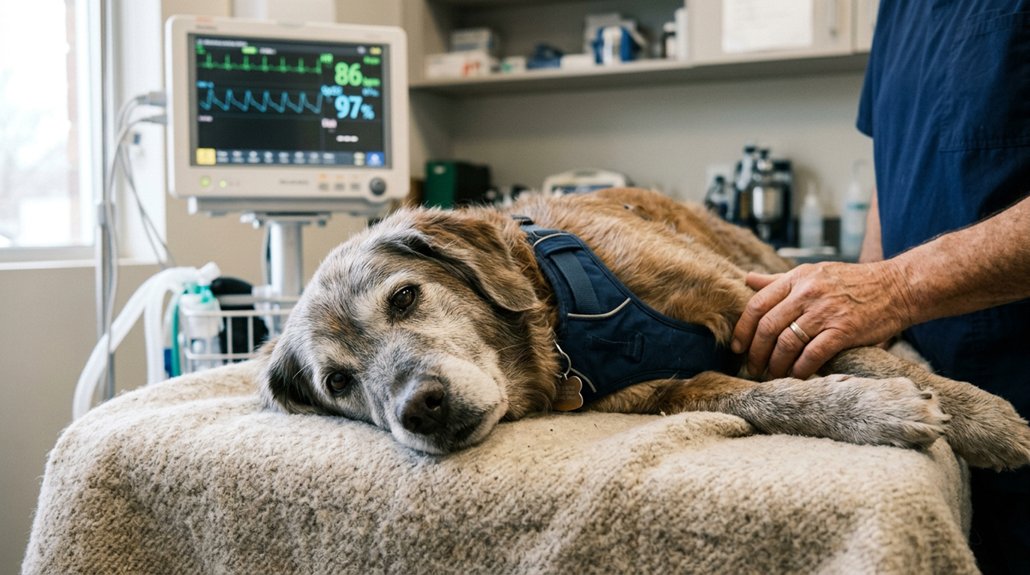
Although heart disease is prevalent in senior dogs, effective management can greatly enhance their quality of life. Heart screening is essential, enabling early detection through routine veterinary check-ups. Recognizing symptoms like coughing and fatigue guarantees timely intervention. Implementing diet modifications, such as introducing low-sodium diets, can alleviate fluid retention and reduce the heart’s workload, making lifestyle adjustments critical.
Medications may be required to enhance cardiac function, providing additional support. Consider these management strategies:
- Regular heart screenings to identify issues early.
- Diet modifications to support cardiac health.
- Consistent exercise routines tailored to their condition.
- Close monitoring for signs of worsening, such as difficulty breathing.
- Timely medication administration as prescribed by the veterinarian.
These approaches collectively contribute to managing heart conditions effectively.
Preventing and Managing Kidney Issues
When addressing kidney issues in older dogs, it’s important to understand that these problems often progress gradually, manifesting through symptoms like increased thirst, urination, and lethargy. Regular veterinary check-ups, including blood work and urinalysis, are crucial for early detection. The significance of hydration can’t be overstated, as maintaining adequate water intake supports kidney function and prevents dehydration. Encourage drinking habits to reduce the kidneys’ workload.
Diet management is essential, involving prescription diets low in protein, phosphorus, and sodium to manage symptoms. Monitoring changes in appetite and water consumption helps prevent complications. Consistent health screenings can improve outcomes and enhance your dog’s quality of life.
| Key Aspect | Importance | Action Steps |
|---|---|---|
| Hydration | Supports kidney function | Encourage water intake |
| Diet Management | Slows disease progression | Feed prescription kidney diets |
| Regular Screening | Enables early detection | Conduct scheduled veterinary visits |
| Symptom Monitoring | Prevents severe complications | Observe appetite and drinking habits |
Enhancing Cognitive and Sensory Health
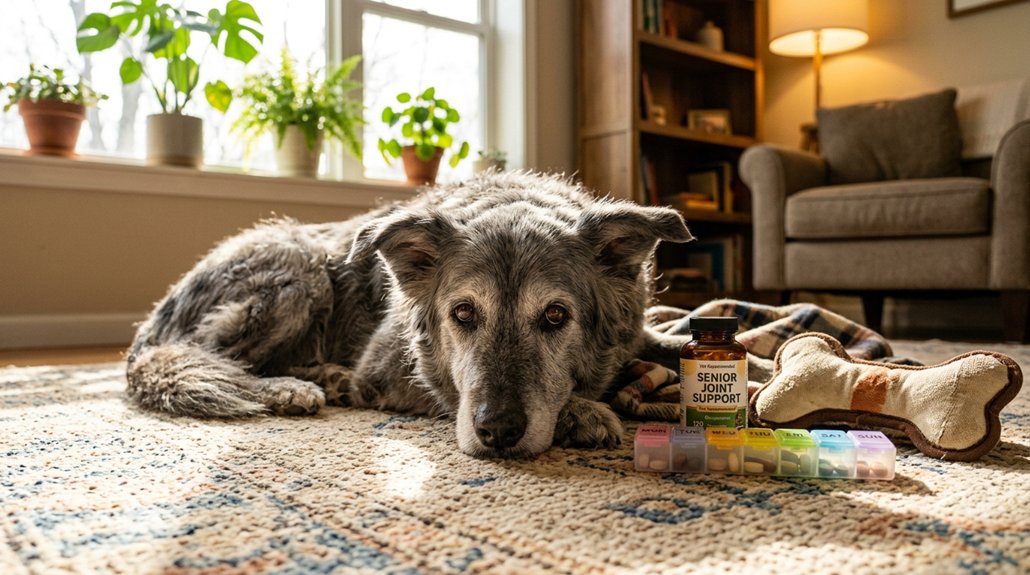
Addressing the cognitive and sensory health of aging dogs requires a multifaceted approach. Recognizing early signs of cognitive decline, akin to human Alzheimer’s, is essential for timely management. You can enhance your dog’s brain health through environmental enrichment. Integrate puzzle toys and introduce new scents to provide sensory stimulation that helps slow cognitive dysfunction syndrome (CDS). Consistent routines and stable environments aid dogs with sensory deficits, helping them manage hearing and vision loss.
Antioxidant-rich diets and supplements can further support brain function. Use scent and tactile cues to reassure and communicate, reducing anxiety and fostering security. Consider these strategies to enhance cognitive and sensory health:
- Puzzle toys
- New scent introductions
- Routine maintenance
- Scent and touch communication
- Antioxidant-rich nutrition
Addressing Obesity and Its Health Impact
Maintaining a dog’s overall health is vital as they age, and managing obesity is an essential aspect of this care. Over 50% of senior dogs are classified as obese, undermining their quality of life by exacerbating conditions like arthritis and heart disease. Effective weight management involves tailored dietary needs, regular exercise routines, and consistent health assessments. In collaboration with your veterinarian, identify behavioral changes and implement weight loss strategies. Body condition assessments, such as waist visibility and rib checks, are significant. Veterinarian involvement guarantees diet and calorie intake align with your dog’s unique requirements, addressing metabolic slowdowns and fostering long-term health. Excess weight can lead to joint pain and inflammation, particularly impacting older, larger breeds.
Recognizing Cancer in Senior Dogs: Early Detection
Detecting cancer early in senior dogs is essential for enhancing treatment outcomes and improving their quality of life. As lymphoma, a common canine cancer, primarily affects the lymphatic system, recognizing early signs is important. Watch for clinical signs such as unusual lumps and non-healing wounds. Regular diagnostic tests, like the Nu.Q Vet Cancer Screening Test, facilitate early intervention.
- Unusual lumps or swellings
- Persistent sores or wounds
- Unexplained vomiting or lack of appetite
- Lameness or difficulty in eating
- Regular physical check-ups and blood work
Understanding risk factors and utilizing appropriate treatment options, including chemotherapy, can improve prognosis. Engaging in robust support systems can ease the journey, fostering a better quality of life for your senior companion.
Frequently Asked Questions
What Are the Most Common Health Issues for Senior Dogs?
Senior dogs frequently face issues like arthritis, requiring proper arthritis management, and dental problems, highlighting the need for regular dental care. Keep an eye on their behavior; consult your vet for the best treatment strategies.
What Is the 7 7 7 Rule for Dogs?
A stitch in time saves nine: the 7 7 7 Rule postulates that dogs age seven years for every human year, especially early on. Understanding this aids in grasping their aging process and optimizing canine care effectively.
How Do Dogs Say “I Love You”?
Dogs say “I love you” through body language, like leaning against you or wagging their tails. Canine vocalizations, such as soft whines or barks, also express affection. Their physical affection strengthens the bond with you.
What to Expect From a 14-Year-Old Dog?
“Aging’s inevitable, don’t fight it.” In a 14-year-old dog, expect common aging signs like reduced mobility. Guarantee senior nutrition is prioritized, consulting your vet for tailored dietary needs to maintain health and manage age-related changes effectively.
Conclusion
Caring for your senior dog is like trying to turn back the tides of time, but with expert attention, you can improve their quality of life. By understanding their common health challenges, from aching joints to heart woes, you’re better equipped to manage their well-being. Vigilance in monitoring kidney health, cognitive functions, and obesity can make a world of difference. Remember, early detection is key, especially with cancer—spotting it early can be the lifeline your dog needs.