
To keep your puppy healthy in their first months, guarantee they have a secure environment with structured routines and regular vet visits. Opt for high-quality, nutrient-rich puppy food to support growth. Start socialization and training early to foster confidence. Maintain hygiene with basic grooming and establish a consistent potty schedule. Include stimulating playtime for physical and mental development. By following these steps, you’ll set the foundation for your puppy’s thriving future filled with wellness and joy.
Key Takeaways
- Schedule a vet appointment within the first week for health assessments and vaccinations.
- Feed high-quality, age-appropriate puppy food to support growth and development.
- Establish a consistent daily routine with meal times, potty breaks, and sleep schedules.
- Begin socialization and training using positive reinforcement from 3 to 16 weeks.
- Maintain hygiene with regular grooming, ear cleaning, and nail trimming.
Immediate Steps to Ensure Your Puppy’s Health and Comfort
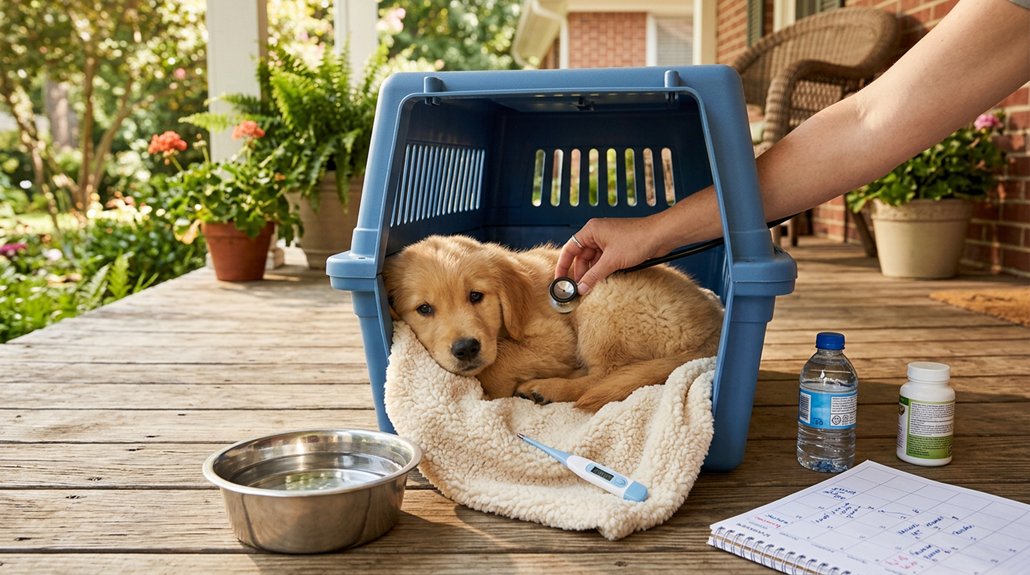
To guarantee your puppy’s health and comfort from the very start, it’s vital to create a secure and cozy environment. Make sure your puppy has a designated space featuring a comfy bed, a crate or playpen, and strategically placed baby gates to keep them safe from potential hazards. Health monitoring begins with scheduling your puppy’s first vet appointment within the initial week. This visit is essential for a complete health check, necessary vaccinations, and guidance on deworming and flea/tick prevention. Pay close attention to signs of stress or illness, such as excessive crying or a lack of appetite, to catch potential issues early. Therefore, fostering a nurturing environment supports your puppy’s physical well-being and sets the stage for a healthy, happy life.
Select a Balanced Diet for Puppy Growth
To guarantee your puppy’s ideal growth, it’s vital to select high-quality commercial puppy food that meets AAFCO standards, focusing on age-appropriate products rich in essential nutrients like DHA. Shift your puppy to solid food gradually, observing their intake to maintain a healthy weight gain of 5-10% daily in the early weeks. Consult with your veterinarian to tailor the diet further, considering your puppy’s specific breed, age, and activity level.
Choose Age-Appropriate Food
Selecting the right diet is essential for your puppy’s growth and development. Following puppy food guidelines guarantees that your puppy meets its specific nutritional needs. Start by choosing a high-quality puppy food formulated for growth and meeting AAFCO nutritional standards. This confirms your puppy receives essential nutrients, including omega-3 fatty acids, important for brain and eye development. It’s important to shift gradually from milk to solid food around 3.5 to 4.5 weeks of age, to prevent digestive issues. Monitor your puppy’s weight gain, targeting a 5-10% increase daily in the first two weeks for ideal growth. Always consult your veterinarian for advice on age-appropriate food, and avoid generic dog foods or human foods to prevent nutritional deficiencies.
Ensure Nutrient-Rich Options
Although selecting a balanced diet is essential for a puppy’s healthy development, ensuring it is nutrient-rich takes precedence. Prioritize high-quality puppy food adhering to AAFCO standards, offering important nutrient sources such as proteins, fats, vitamins, and minerals. Omega-3 fatty acid DHA is particularly critical for supporting brain and eye development during these key growth months. Commercial options specifically crafted for puppies will typically include these essential ingredients, unlike generic dog foods and human food that often fall short in important nutrients. At 3.5 to 4.5 weeks, begin gradually introducing solid foods. Consider using commercial milk replacers to ease the shift. Monitor feeding closely and adjust based on activity levels, as puppies require frequent meals to support their energy and growth.
Early Health Checks and Vet Visits
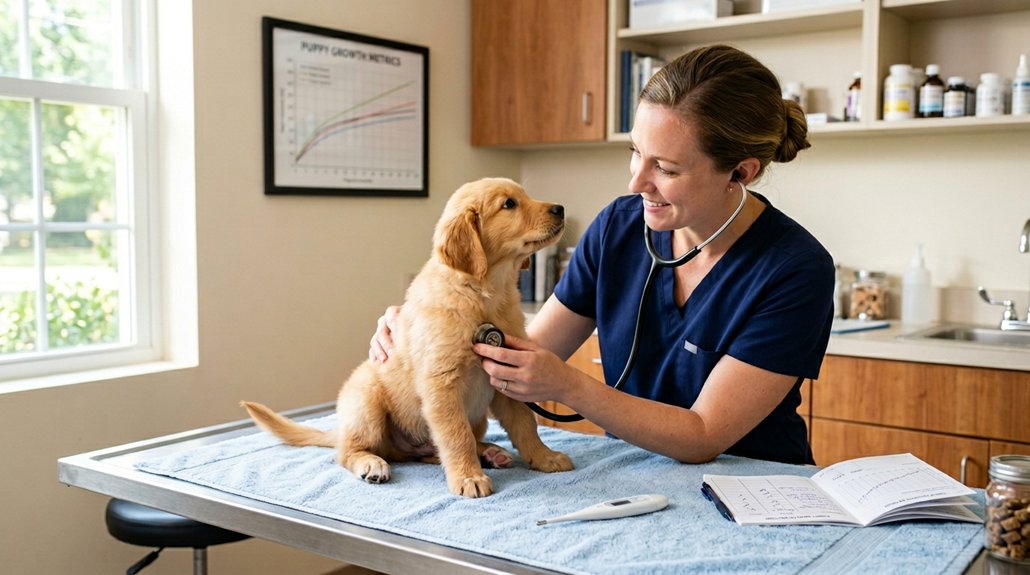
When you bring your new puppy home, it’s important to promptly schedule their first veterinary appointment within the first week. Addressing veterinary concerns early allows for a thorough health assessment to establish a baseline for your puppy’s well-being. During this initial visit, the vet will check for birth defects, evaluate overall health, and discuss vaccination protocols necessary for a strong immune system. Puppies need a series of vaccinations beginning at eight weeks, including rabies, distemper, and parvovirus. Deworming is also vital each month until six months due to a high risk of intestinal parasites. Regular check-ups every three to four weeks will monitor growth, detect early health issues, and help follow vaccination schedules, safeguarding your puppy’s health during these important months.
Initiating Socialization and Training Practices
Initiating socialization and training practices is essential to your puppy’s development, particularly between 3 to 16 weeks, when their capacity to adapt and learn is at its peak. Use this period to introduce your puppy to various people, animals, and environments, promoting a well-rounded and confident demeanor while using positive reinforcement techniques, like treats or praise, which are scientifically proven to enhance learning. Enrolling in puppy training classes not only provides expert guidance but also enriches your puppy’s socialization experiences, vital in preventing future fear-based behaviors.
Early Exposure Opportunities
A crucial step in raising a healthy puppy involves leveraging the critical socialization window—typically between 3 to 16 weeks—to expose your pup to a variety of stimuli. During this period, you should initiate playdate experiences with other puppies and arrange outdoor adventures to build your puppy’s confidence. Aim for at least five different socialization experiences per week. These might include short car rides or visits to pet-friendly stores. Encountering diverse environments, people, and sounds enhances a puppy’s ability to adapt to new situations and reduces fear-based behaviors. Introducing basic commands like “sit” and “stay” further helps instill good behavior patterns. Consider enrolling your puppy in training classes that focus on socialization and obedience to foster a well-adjusted temperament.
Positive Reinforcement Techniques
Implementing positive reinforcement techniques is essential in shaping your puppy’s behavior through socialization and training. By using treat motivation, you can encourage positive behavior, making learning sessions enjoyable and rewarding. Here are some scientifically-backed strategies:
- Treat Motivation: Utilize treats as rewards during socialization and training to motivate your puppy. Treats should be healthy and varied to maintain interest.
- Consistent Cues: Establish clear, consistent cues for commands. This helps your puppy better understand and respond, enhancing communication.
- Clicker Training: Use clicker training to build a reliable association between specific sounds and desired behaviors, improving clarity and responsiveness.
- Gradual Challenges: As your puppy’s skills improve, gradually introduce more complex tasks. This balances difficulty and achievement, making training engaging yet rewarding.
Socialization Window Importance
Understanding the significance of early learning is as important as practicing positive reinforcement techniques. The socialization window, from 3 to 16 weeks, is vital for fostering a puppy’s confidence through varied experiences. Introducing socialization games and new environments during this period is essential for fear prevention. Positive reinforcement with treats and praise will encourage exploration and trust in unfamiliar settings.
| Activity | Purpose |
|---|---|
| Meeting new people | Enhances social skills |
| Visiting pet stores | Builds adaptability |
| Exposure to sounds | Reduces fear responses |
| Socialization games | Promotes confidence |
| Car rides | Eases travel anxieties |
Consistently, gently introducing different animals and people can notably improve a puppy’s overall socialization, reducing fear-based behaviors later in life and ensuring a smooth adulthood progression.
Engaging in Basic Grooming to Keep Your Puppy Clean
While maintaining a puppy’s cleanliness is essential, engaging in basic grooming goes beyond mere hygiene and plays a crucial role in their overall health and comfort. Here’s how you can effectively care for your puppy:
Basic grooming is vital for overall puppy health and comfort, beyond just maintaining cleanliness.
- Grooming Tools: Invest in quality brushes to prevent matting, especially for long-haired breeds, and regularly check for skin issues.
- Bath Tips: Use puppy-safe shampoos every 4-6 weeks to avoid irritations on sensitive skin and enjoy a smoother bathing experience.
- Nail Trimming: Keep their paws healthy by trimming nails every 3-4 weeks, preventing discomfort and potential injury.
- Dental Care: Start dental hygiene early with a puppy toothbrush and toothpaste to reduce the risk of periodontal disease later in life.
These routines contribute to a comfortable, healthy, and happy puppy.
How to Establish a Daily Routine for Stability
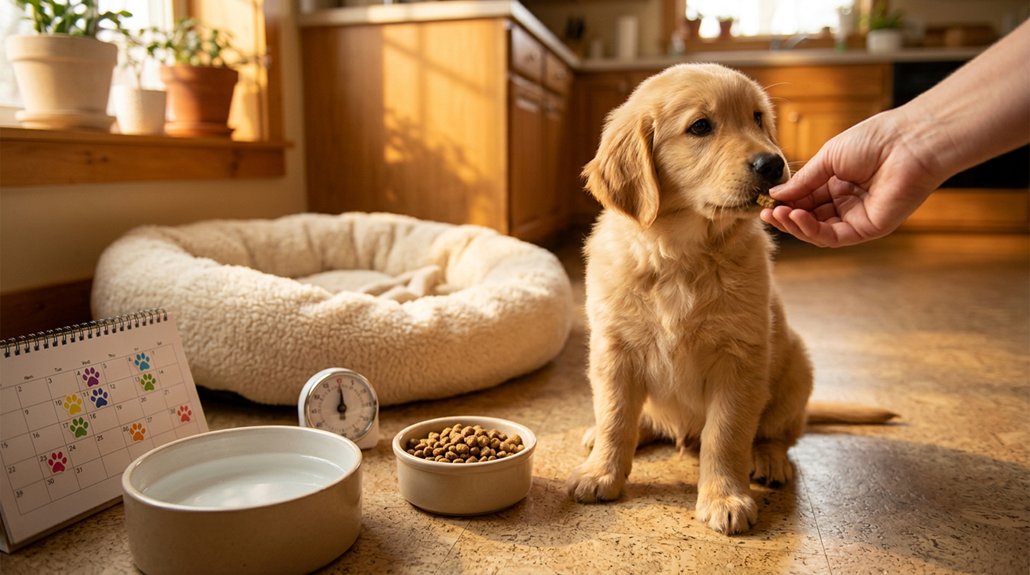
Establishing a daily routine for your puppy is essential for their growth and wellbeing. A structured puppy schedule offers routine benefits like promoting consistent behavior, easing house-training efforts, and ensuring proper socialization. Begin by setting regular meal times, followed by scheduled potty breaks every 1-2 hours and immediately after eating or playing. Puppies thrive on consistent play and training sessions, which should be short and engaging to stimulate their mind and body. Remember that your puppy needs 18-20 hours of sleep, so designate specific downtime periods. As your puppy grows, adapt the routine to accommodate more complex exercises and social opportunities. Flexibility in your schedule will cater to their developing needs while maintaining stability and promoting healthy development.
Effective Potty Training Techniques
Being consistent with daily routines naturally leads to the implementation of effective potty training techniques, a critical aspect of raising a well-adjusted puppy. Start as soon as you bring your pup home to establish training consistency. Keep an eye on puppy behavior by monitoring for signs like sniffing or circling. Here’s a streamlined approach:
- Frequent Outings: Take your puppy outside frequently—especially post-meal, after playtime, and following naps—to reinforce the desired bathroom routine.
- Training Pads: Use these indoors initially, gradually moving them near the door.
- Command Consistency: Use a consistent cue like “go potty” paired with praise and treats post-relief.
- Bell System: Consider installing a doorbell for your puppy to signal their need to go out.
Implementing these methods enhances their understanding and minimizes accidents.
Tracking Growth While Ensuring Healthy Development
To guarantee your puppy’s healthy development, it’s essential to track their growth meticulously from the very start. Weekly weight monitoring is significant—aim for a 5-10% body weight increase. Document developmental milestones like eye-opening (7-14 days) and first steps (four weeks) to assess progress.
| Age | Milestone |
|---|---|
| 7-14 days | Eyes open |
| 2 weeks | Ears begin to open |
| 3 weeks | Teeth begin to emerge |
| 4 weeks | Walking begins |
| 3.5-4.5 weeks | Introduce solid food |
Create a warm, nurturing environment (85F-90F) and frequent nursing sessions. Around 3.5 to 4.5 weeks, gradually move to solid food, easing moisture levels for digestion. Regular vet visits will help ensure growth tracking aligns with expected patterns and address potential health issues.
Ensuring Fun With Safe and Stimulating Play
While tracking your puppy’s growth is important, making certain they have fun and safe playtime is equally significant. Engaging in diverse play activities will enhance puppy engagement and foster physical and mental development. Here’s how to keep playtime safe and stimulating:
- Provide a Selection of Safe Toys: Offer chew toys like KONG and Nylabone to promote healthy chewing habits and keep them engaged.
- Incorporate Interactive Toys: Utilize puzzle toys to stimulate mental development and avoid boredom by encouraging problem-solving.
- Play Fetch: Using balls or ropes encourages physical exercise and strengthens your bond with your puppy.
- Supervise Plush Toy Play: Make certain playtime safety by monitoring to prevent choking hazards from small parts.
Establish daily 15-30 minute structured play sessions for balanced rest and play.
Frequently Asked Questions
What Is the 3-3-3 Rule for Puppies?
The 3-3-3 rule involves a puppy’s first three days adjusting to a new home, three weeks acclimating socially, and three months establishing routine. Prioritize puppy nutrition and socialization opportunities for healthy, confident development.
What Is the Hardest Month of a Puppy?
The hardest month for a puppy is usually between 3 to 4 months. You’ll face puppy challenges like growth milestones, socialization tips, and training difficulties that demand attention. Focus on consistent training and positive reinforcement to navigate this critical period.
What Is the 7 7 7 Rule for Puppies?
The 7 7 7 rule is critical for puppy development, emphasizing early socialization. Did you know only 30% of puppies receive proper socialization? Guarantee their growth with a balanced puppy nutrition plan and a regular vaccination schedule.
How Do Dogs Say “I Love You”?
Dogs say “I love you” through puppy body language such as cuddling, eye contact, and trusting gestures like exposing their belly. Dog vocalizations, like soft whining, and bringing you toys, further express their affection scientifically and convincingly.
Conclusion
Your puppy’s inaugural months are pivotal, setting the stage for a lifetime of health and joy. Imagine the wagging tail, enthusiastic eyes, and playful spirit thriving in your care. With a balanced diet, meticulous vet check-ups, and structured routines, your pup’s future unfolds like a blossoming adventure. Every grooming session and training moment solidifies your bond, painting the canvas of a vibrant, healthy life. As you commence this journey together, the suspense of each discovery awaits.