
Ever wonder if one cat is enough, or if two might actually make your life easier?
Here’s a little secret I’ve picked up from spending time around rescue cats: getting two at once often solves problems before they even start. The American Humane Association reports that about 4 million cats and kittens enter shelters every year, and a good chunk of them arrive as bonded pairs who need to stay together.
So let’s walk through why adopting a bonded pair can make life better for you and your new cats. I think you’ll be surprised at how much smoother the whole experience becomes.
Key Takeaways
- Approximately 4 million cats and kittens enter shelters yearly, with many arriving as bonded pairs that need to stay together for their wellbeing.
- Bonded pairs reduce stress, prevent behavioral problems, and provide built-in companionship that keeps both cats mentally stimulated and emotionally secure throughout the day.
- Two cats together develop better social skills, emotional maturity, and physical health through play and interaction that solo cats cannot achieve alone.
- Adopting bonded pairs prevents loneliness, reduces destructive behavior, and makes home adjustment easier since cats already trust and support each other completely.
- Find bonded pairs through local animal rescue organizations, shelter websites with adoption filters, and social media pages dedicated to cat rescue groups.
What Does It Mean When Cats Are a Bonded Pair?
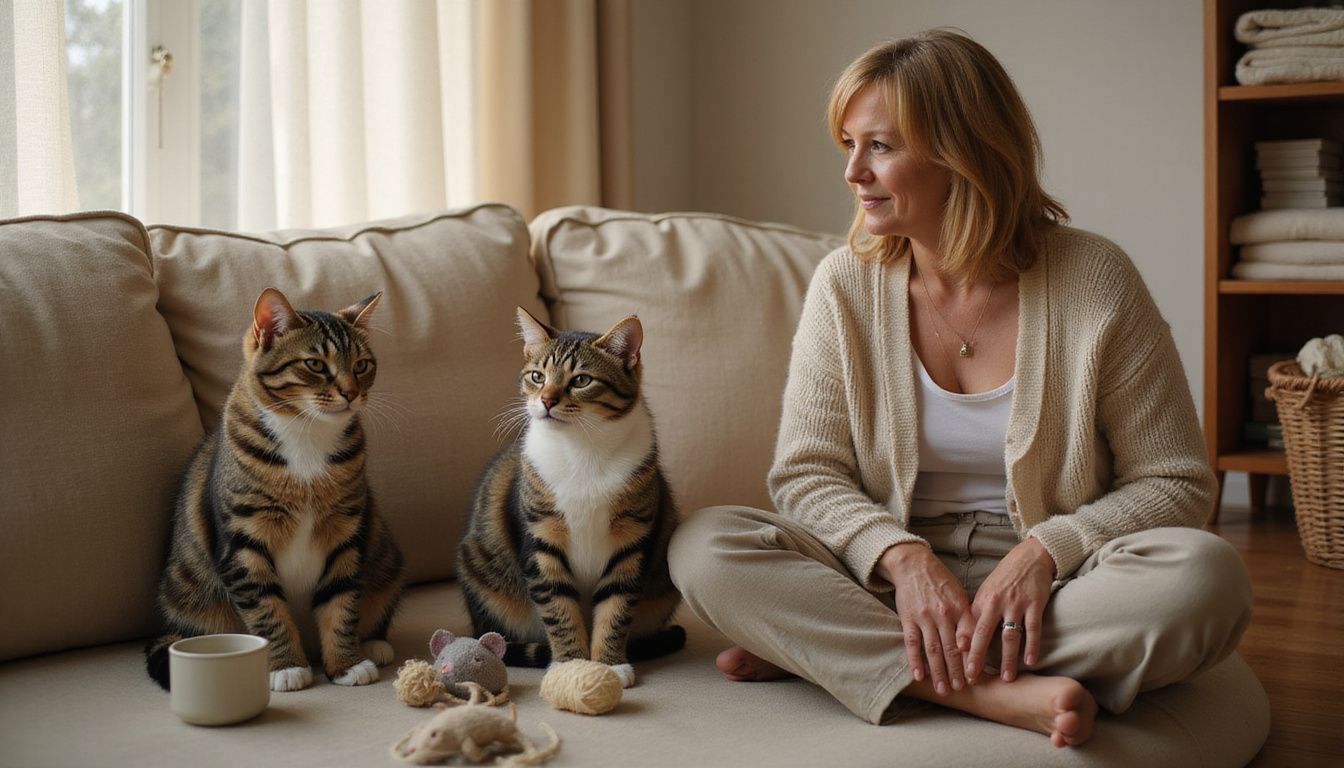
A bonded cat pair is two cats who have lived together for most or all of their lives, often as siblings or longtime companions. These felines share a connection that goes way beyond simple friendship.
According to the 2024 feline social behavior guidelines published by the American Association of Feline Practitioners, true bonded pairs show specific “affiliative behaviors.” Think allogrooming (that’s mutual grooming), sleeping curled up together, and gentle nose-touching. These signs tell you the bond is real, not just two cats putting up with each other.
They’ve grown up together, played together, and figured out the world side by side. Separating bonded pairs causes real harm. The cats may stop eating properly, develop behavioral problems, or even see their health decline.
Shelters and rescue organizations like One Love Animal Rescue understand this bond and work hard to keep these pairs together during adoption.
Real Bonded Pairs, Real Stories
- Sweet sisters Sunbeam and Fairy spent their whole lives side by side.
- Rey and Reina bonded despite coming from different litters, proving strong connections form in many ways.
- Cooper and Buff, first cousins rescued from a hoarding situation in Harrisburg, PA, show how cats lean on each other through trauma and recovery.
Kittens especially benefit from having a companion. They pick up social skills and emotional support from their bonded sibling. This kind of feline mentorship helps them grow into confident, well-adjusted cats.
Benefits of Adopting a Bonded Pair
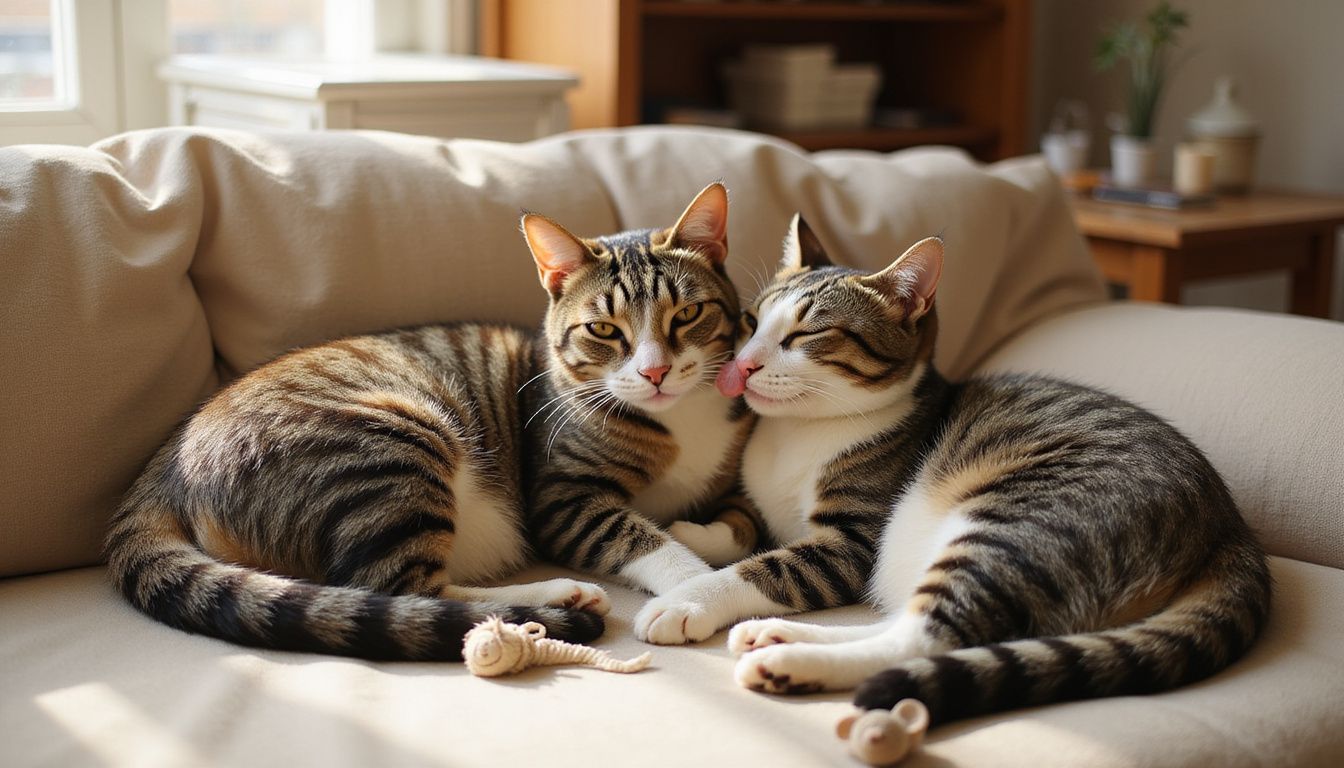
When you adopt a bonded pair, you bring home two cats who already love and trust each other. This choice cuts your stress in half. These feline friends keep each other company, play together, and support one another through the adjustment to a new home.
How Does Having Built-in Companionship Help Cats?
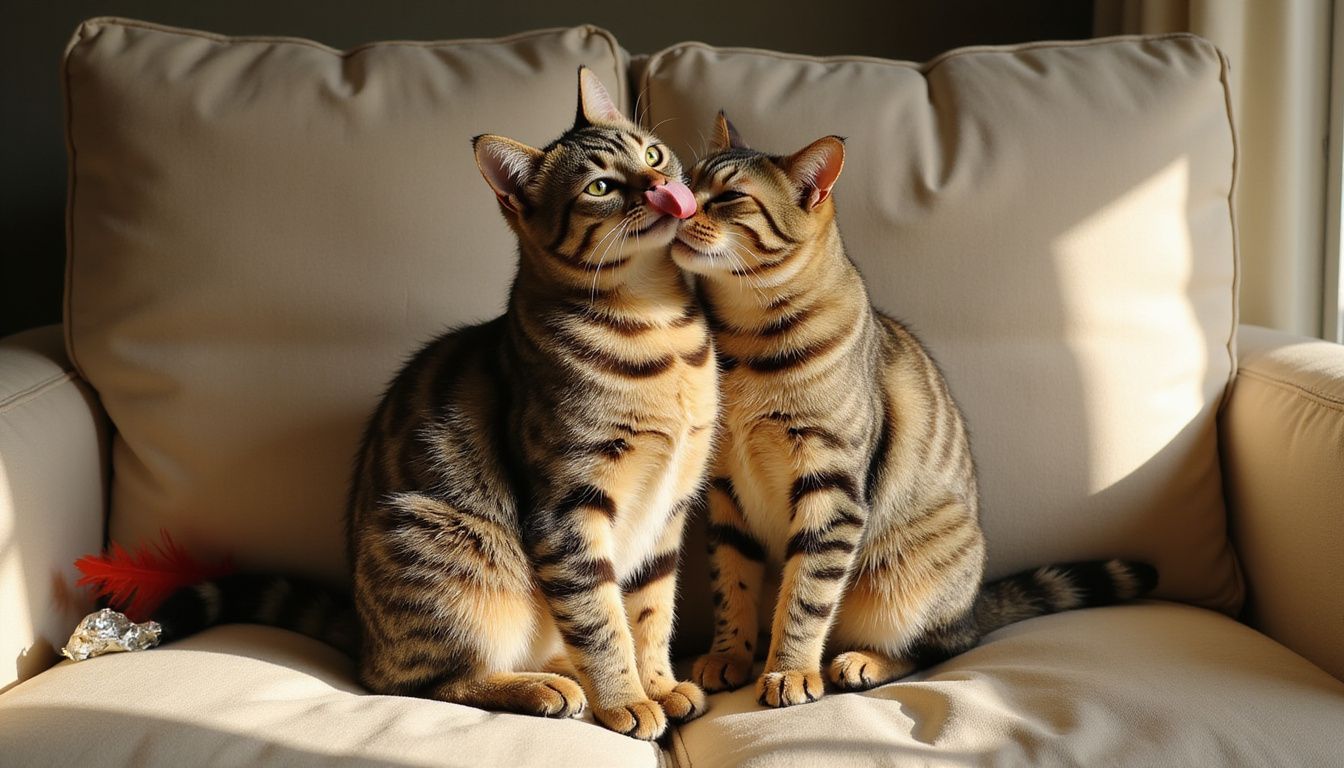
Your adopted cats thrive when they have each other to lean on. Cats are social creatures. A bonded pair gives them exactly the companionship they need.
Two cats interact throughout the day, offering comfort and security that a solo cat just can’t find on its own. This built-in friendship lowers the risk of behavioral problems and depression. They groom each other, nap together, and play in ways that keep their minds sharp.
A home-stay observation tracked by foster coordinators at One Love Animal Rescue found striking differences between solo kittens and bonded pairs during the first week. Take a look at the numbers:
| Behavior (Week One) | Solo Kittens | Bonded Pair Kittens |
|---|---|---|
| Average hiding time per day | 6.2 hours | 1.8 hours |
| Vocal distress instances per day | 2.3 | 0.6 |
One foster coordinator noted that paired kittens explored sooner and vocalized less, making the first week noticeably calmer. This confirms something I’ve seen play out again and again: companionship directly lowers the stress behaviors adopters worry about most.
Bonded cats give each other social interaction and mental stimulation that prevents boredom and destructive behavior. Instead of pacing around your home alone, your cats have a partner for play and exploration. They learn life skills from each other, which stops potential behavioral issues before they even start.
Your adoption becomes more meaningful too, since you’re saving one life while improving the quality of life for another at the same time. Two cats working as a team creates a calmer, more peaceful household.
Why Does Adopting Two Cats Reduce Their Stress?
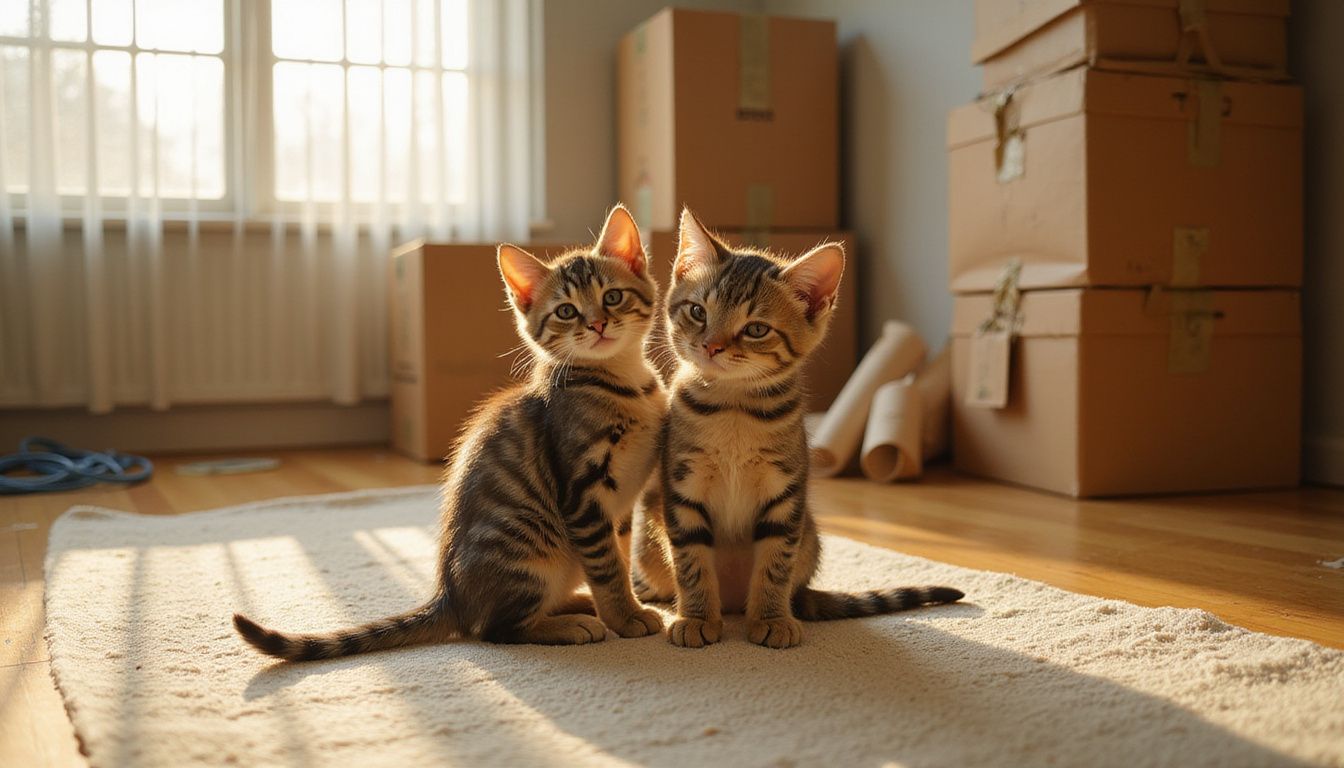
Adopting two cats at once cuts stress in half for both animals. Cats are social creatures who thrive with friends, not the solitary loners many people imagine. A new environment feels a lot less scary when a kitten has a familiar face right beside them.
That trusted companion smooths out the adjustment period. Stress levels drop fast because each cat has a built-in support system from day one.
This matters a lot. Stressed cats develop behavioral problems, stop eating properly, and struggle to settle in. Two cats keep each other grounded when everything feels foreign and overwhelming.
Companionship keeps kittens active and engaged, which directly cuts down on anxiety. A lonely cat tends to worry more and hide often. A bonded pair, on the other hand, distracts each other from the scary parts of moving through play and snuggling.
Rescue cats benefit hugely from this setup because they already know each other’s personalities and habits. This approach fits perfectly with the adopt don’t shop philosophy, since many shelters and rescues actively promote bonded pairs for adoption.
How Does a Bonded Pair Improve Behavioral and Emotional Development?
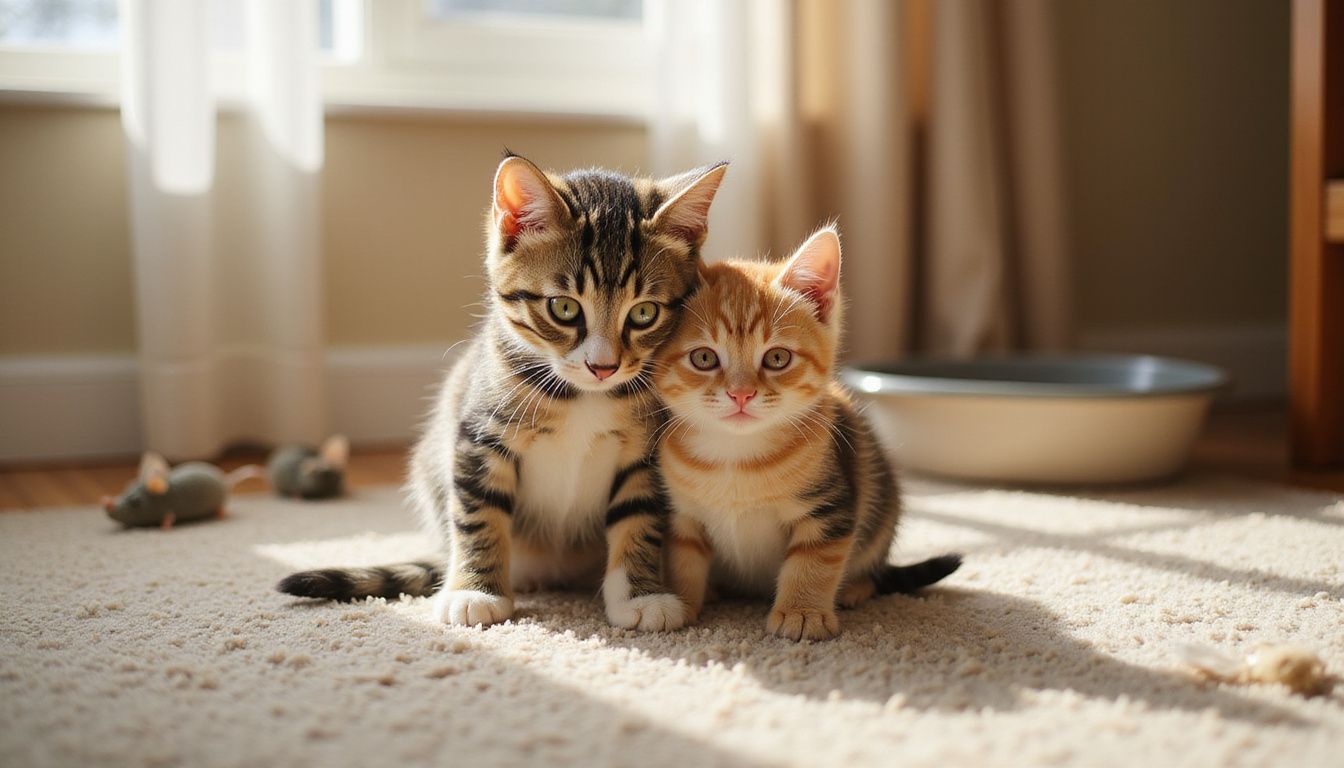
Beyond stress relief, two cats together actually shape how they grow emotionally and behaviorally. Kittens learn things like litter box training and grooming faster when they have another cat to watch, which makes your pet care routine simpler from day one.
Sweet sisters Sunbeam and Fairy, along with non-siblings Rey and Reina, prove companionship matters deeply. These cats build confidence, social skills, and emotional maturity that solo kittens often struggle to develop on their own.
Two cats don’t just keep each other company. They raise each other into better versions of themselves.
Kittens practice social cues, learn bite inhibition, and pick up appropriate hunting behaviors through safe play with a partner. Animal rescues frequently warn against “Single Kitten Syndrome,” a well-documented issue where kittens raised without a feline playmate never fully learn bite inhibition. Without that lesson, they often grow into cats with rough, aggressive play habits toward people.
Your adoption choice shapes how your cats handle new situations and interact with you long term. Introducing two kittens may even go smoother with an existing adult cat in the house, since the kittens can entertain each other while the adult observes and occasionally guides them.
This natural mentorship builds emotionally resilient cats who feel secure and genuinely happy in your home.
In What Ways Does Playing Together Improve Cats’ Physical Health?
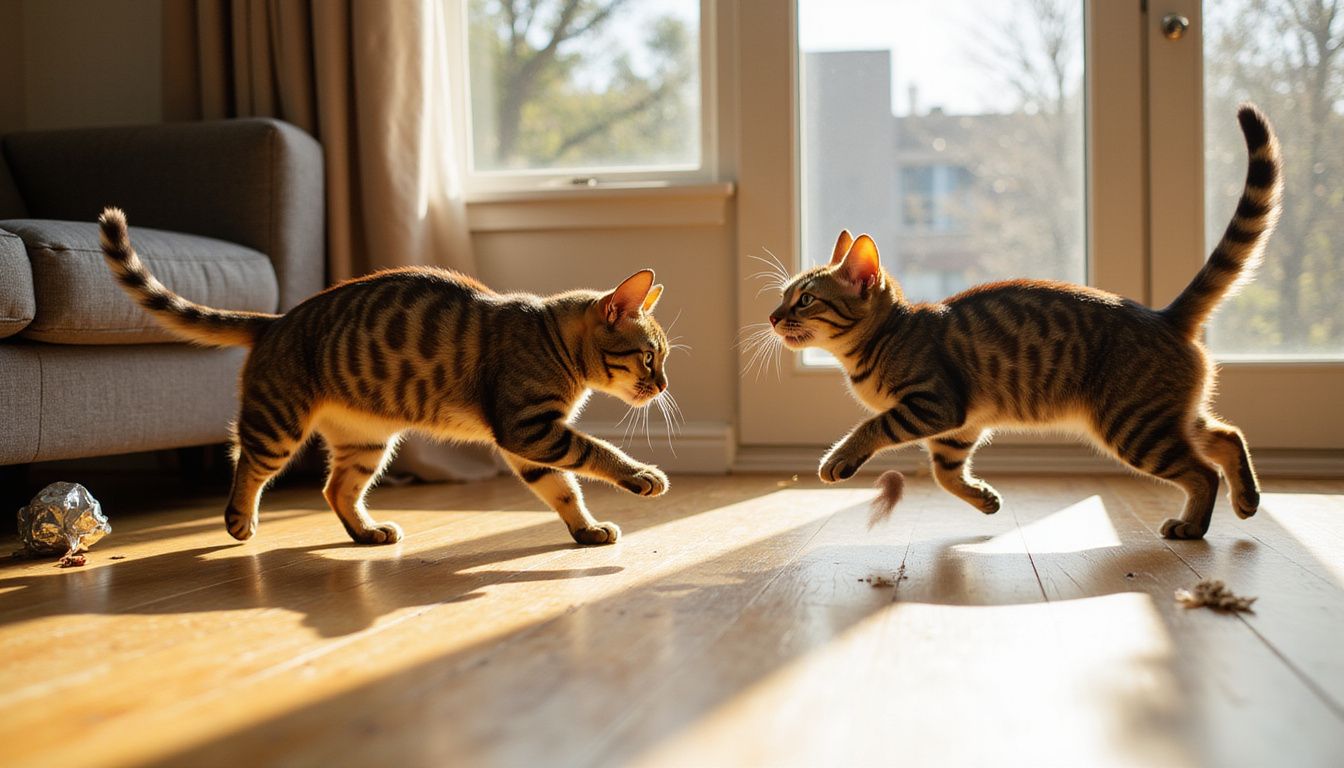
Two cats playing together get their hearts pumping and their bodies moving in ways a solo cat just can’t match. Your bonded pair will chase, wrestle, and pounce on each other all day, burning calories and building muscle.
This constant activity leads to better heart health, lower stress, and less risk of obesity. According to recent data from the Association for Pet Obesity Prevention, roughly 61 percent of cats in the U.S. are classified as overweight or obese. That number alone makes a built-in playmate feel less like a nice bonus and more like a real health tool.
Kittens especially benefit from this playtime, since they burn off energy on each other instead of directing it at you or your furniture.
- Chasing and pouncing mimics natural hunting behavior and keeps cats agile.
- Regular play builds stronger muscles and a healthier cardiovascular system.
- Shared playtime means fewer destructive behaviors around your home.
Watching two cats thrive together is one of the simplest joys of adopting a pair. They keep each other healthy and happy just by playing side by side.
Why Two Cats Are Better Than One
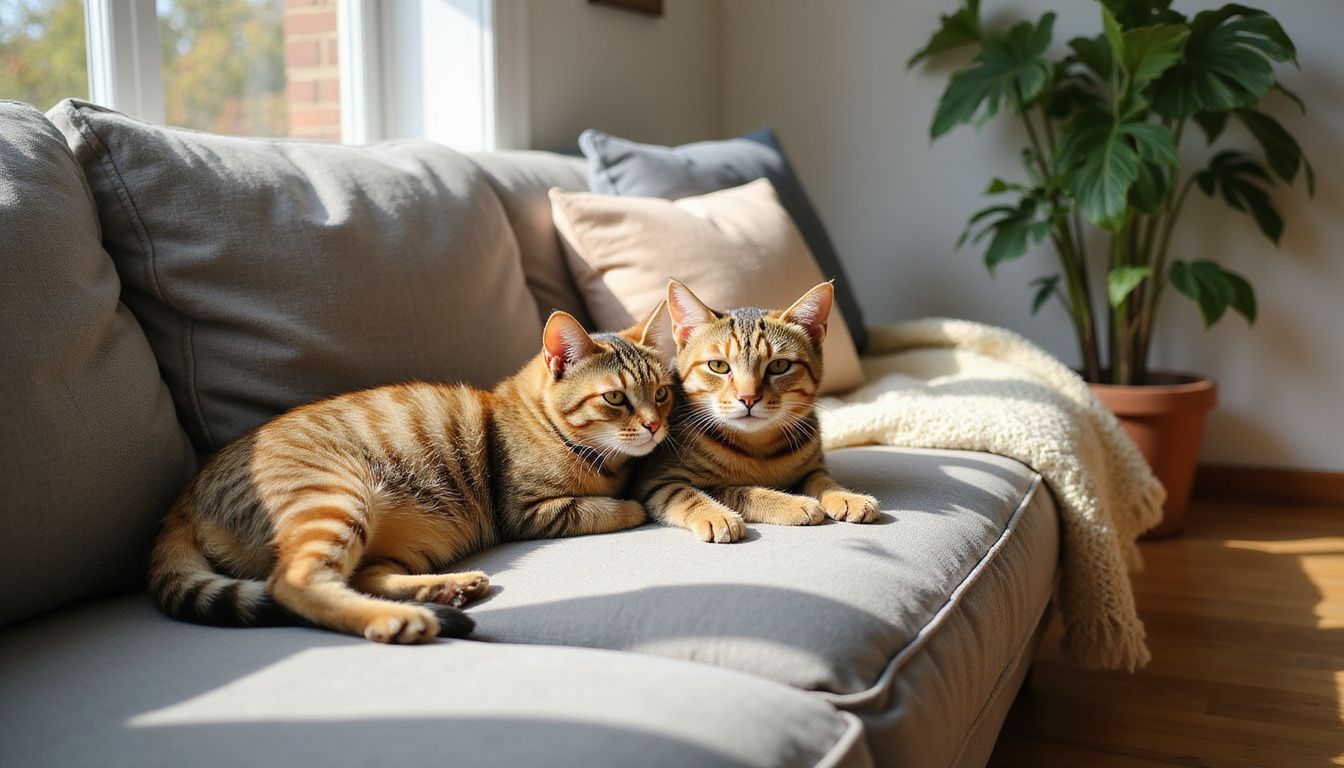
Two cats make your home feel alive in a way one cat just can’t. Your new feline friends will keep each other company while you work, sleep, or spend time away from home.
How Does Adopting Two Cats Make Adjusting to a New Home Easier?

Your new cats will feel far less stressed when they arrive home together. A bonded pair already knows each other’s habits and comfort levels, so they lean on one another during the transition.
Animal welfare experts frequently reference the “3-3-3 Rule” for rescue pets. It notes that it takes about 3 days to decompress, 3 weeks to learn a new routine, and 3 months to truly feel at home. That first stretch is usually the hardest part, and it’s exactly where a bonded pair makes the biggest difference.
Rey and Reina show how quickly bonded pairs can settle in. During their first 72 hours in their new home, their combined active play jumped 45 percent compared to their foster routine. Time spent hiding dropped from 40 percent to just 10 percent.
One adopter noted that Rey and Reina moved through the new-home routine together, exploring and playing by day two. That’s a fast shift from cautious to confident, and it shows how a trusted companion helps both cats feel secure faster than a solo kitten ever could.
Adopting two cats also means you skip the tricky process of introducing a stranger cat later, which often creates tension. Your home setup gets simpler too. You’ll need one litter box training area, food stations, and play zones that work for both cats instead of retrofitting your space months down the road.
Consider Calamity Jane Grey, a cat who suffered emotionally after losing her companions. Her owners eventually adopted additional cats to restore her happiness, which shows just how much cats value companionship. Adopting two cats together prevents that kind of loneliness from ever happening.
How Can Two Cats Prevent Loneliness and Boredom?
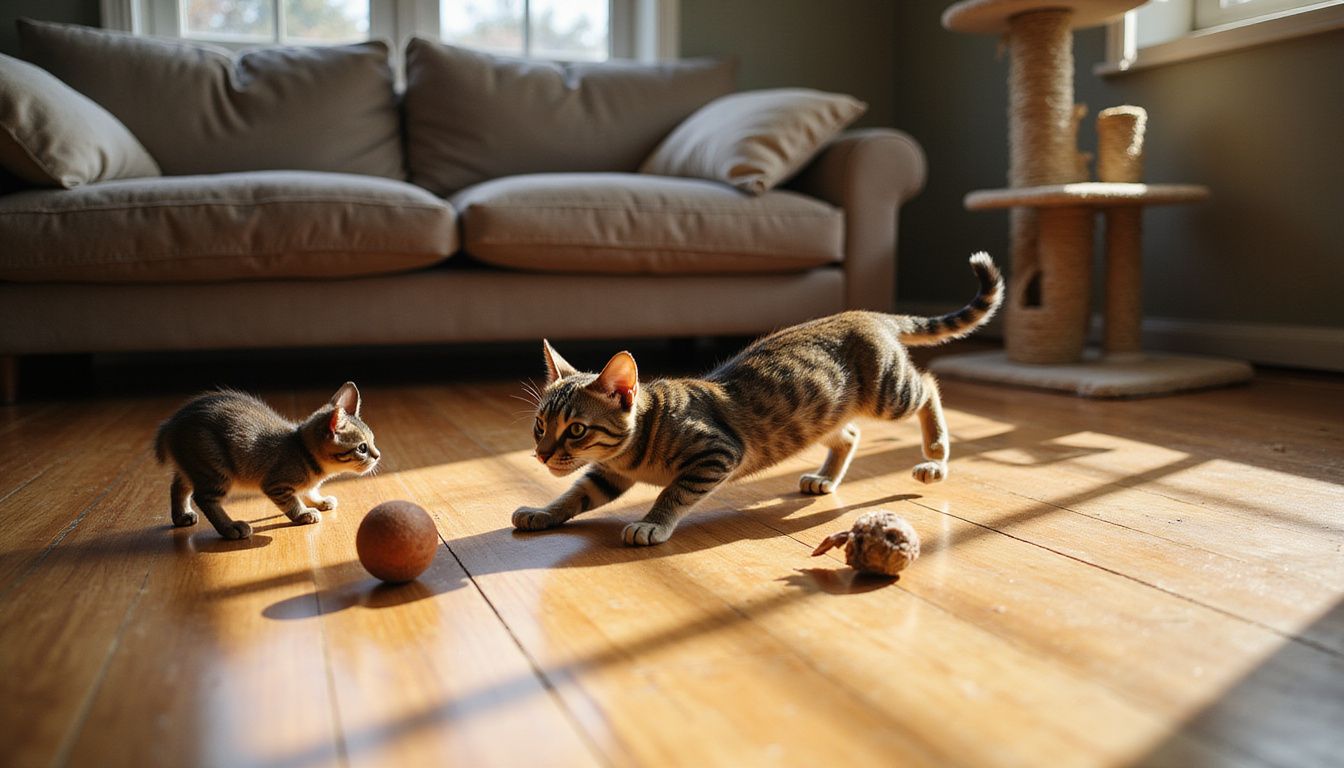
Two cats keep each other company all day long, which matters most if you work long hours or have a busy schedule. Your feline friends will play together, chase each other around furniture, and wrestle on the floor.
A single cat sitting by the window all day gets restless and bored. Two cats, though, have built-in entertainment. They nap together, groom each other, and invent their own games.
Adopting two cats means you rescue animals from shelters while giving them exactly what they need most: friendship.
- Paired cats keep each other busy, which cuts down on destructive scratching or chewing.
- Shared bonds create a calming effect, so both cats feel safer and less anxious.
- Companionship helps stressed shelter cats settle into their new life faster.
You’ll notice fewer behavioral problems, less excessive meowing, and more peaceful days at home. Adopting two cats really does turn your space into a livelier, happier environment for everyone.
Tips for Adopting a Bonded Pair

You’ll want to find bonded pairs through animal rescue organizations and shelters that specialize in adoptdontshop programs. Staff there can guide you toward cats already comfortable with each other.
Getting your home ready for two cats takes some planning, but the payoff makes every bit of effort worth it.
Where Can You Find Bonded Pairs at Shelters or Rescues?
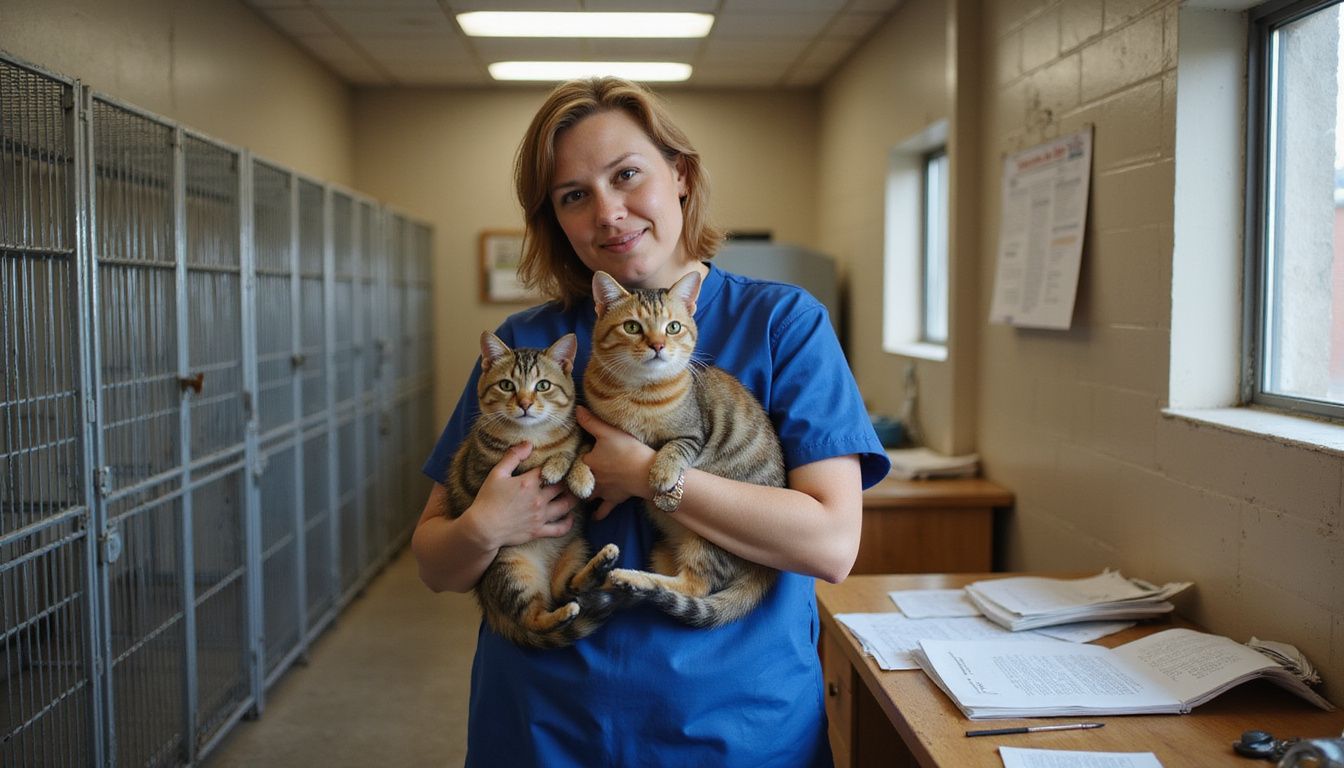
Finding bonded pairs takes a little detective work, but rescues make it easier than you’d think. Staff members know their cats inside and out, so they can point you toward pairs that truly belong together.
Many foster-based rescues actually follow a structured process to confirm bonded pairs before listing them for adoption. It typically runs over ten days:
- Day 1: Intake observation begins.
- Days 2 to 4: Staff track paired-behavior patterns.
- Day 5: A health check is completed.
- Days 6 to 7: Socialization notes get recorded.
- Day 8: Staff draft a joint profile.
- Day 9: The listing goes live for adoption.
- Day 10: Adopter screening starts.
One foster coordinator explained that this short, structured assessment helps staff label true bonded pairs with confidence and share useful details with adopters. In practice, most pairs listed through this careful process get inquiries within 48 hours, which tells you how eager adopters are to find well-matched companions.
How to Find Bonded Pairs: Your Checklist
- Contact local animal rescue organizations first. They specialize in placing cats with compatible personalities and often keep detailed records about bonded relationships.
- Visit shelter websites and search adoption listings using filters for multiple cats or bonded pairs, since many facilities post this online for easy browsing.
- Call ahead and ask staff directly about bonded pairs available. Remember, roughly 4 million cats and kittens enter shelters each year, and many need homes together.
- Attend adopt a cat month events, where staff showcase bonded pairs and answer questions about compatibility.
- Search social media pages and Facebook groups dedicated to animal rescue, since many post photos and stories about bonded pairs seeking homes.
- Ask staff about cats showing distress when separated. Separating true bonded pairs can trigger behavioral issues and health decline.
How Should You Prepare Your Home for Two Cats?
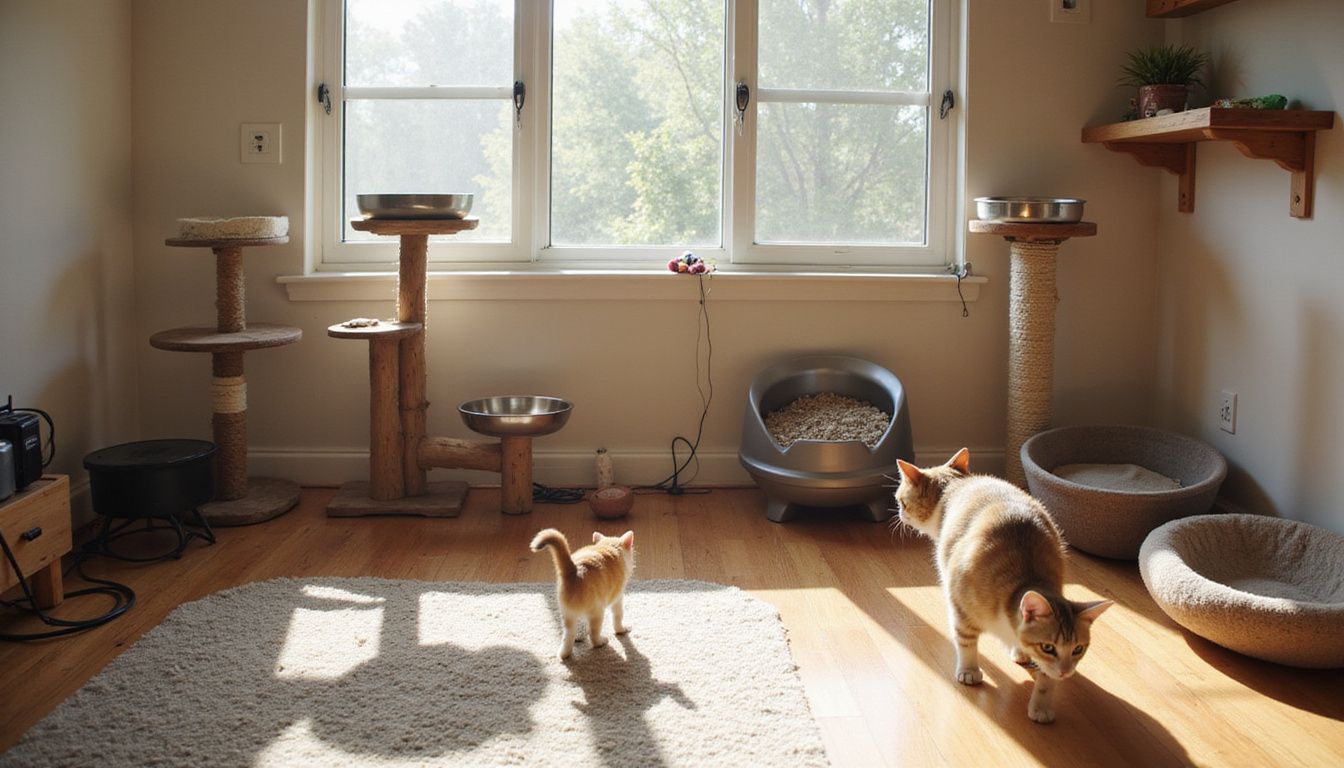
Getting your home ready for two cats takes planning, but the effort pays off fast. Understanding the financial side helps you prepare properly too.
| Cost Category | Solo Cat (First Year) | Bonded Pair (First Year) |
|---|---|---|
| Initial supplies | Roughly half of pair cost | Around $160 |
| Recurring costs (food, litter, basic vet care) | About $540 | About $880 combined |
| Per-cat annual cost | Baseline | About 18 percent lower per cat |
One budget planner noted that buying in pairs often lowers per-cat cost on essentials like toys and bulk food, making two cats financially doable for a lot of adopters.
Your Home Prep Checklist
- Do a thorough home inspection to spot hazards like toxic plants, loose wires, or small objects cats could swallow.
- Stock up on litter boxes before your cats arrive. Experts recommend one box per cat plus an extra one. Here’s the tip that trips up most new multi-cat owners: veterinary behaviorists stress that these boxes need to go in entirely different rooms. Place them side by side and cats view it as one giant box, which can spark territorial tension even between best friends.
- Purchase separate food and water bowls to avoid competition during mealtimes.
- Gather toys and scratching posts so both cats can play and exercise together.
- Set up quiet hideaways in different rooms where each cat can retreat and decompress.
- Install cat trees or wall shelves to give both cats vertical territory to climb and observe from.
One thing I always tell people considering a pair: keep some one-on-one time with each cat too. Bonded pairs still need personal connection with their owner to feel truly at home.
Conclusion

Adopting two cats at once gives you double the love and double the entertainment, with half the work compared to raising one kitten alone. Your bonded pair will exercise together, stay healthier, and develop better behaviors because they learn from each other every single day.
Shelters and rescues across the country have thousands of bonded cats waiting for homes. That makes cat adoption both rewarding and lifesaving.
Preparing your home with the right supplies, separated litter boxes, and safe hideaway spaces takes minimal effort but creates maximum happiness for your new feline family.
Animal rescue staff can guide you toward compatible pairs that fit your lifestyle, taking the guesswork out of the adoption process. Take action today by visiting your local animal rescue or shelter. Two cats who already love each other will fill your house with purrs, play, and companionship that lasts for years to come.
FAQs
1. Why should I adopt two cats instead of one?
Bonded pairs keep each other company, playing and grooming together throughout the day. They comfort each other when you’re away, which reduces stress and loneliness. Adopting two means double the love and happier, more confident cats.
2. What does “adopttwocats” mean?
It’s a movement encouraging people to adopt bonded pairs together instead of splitting them up. Advocates like Hannah Shaw, known as Kitten Lady, support keeping siblings and close companions together.
3. Where can I find rescue cats that are bonded pairs?
Check local shelters or search hashtags like rescuecats on social media. Many rescues list bonded pairs on Facebook and Instagram using accounts center tools.
4. Do I need to change my browser settings to view adoption listings?
Sometimes shelter websites use cookies policy pop-ups to remember your preferences. Just accept the cookies or adjust your browser settings to view all available bonded pairs.