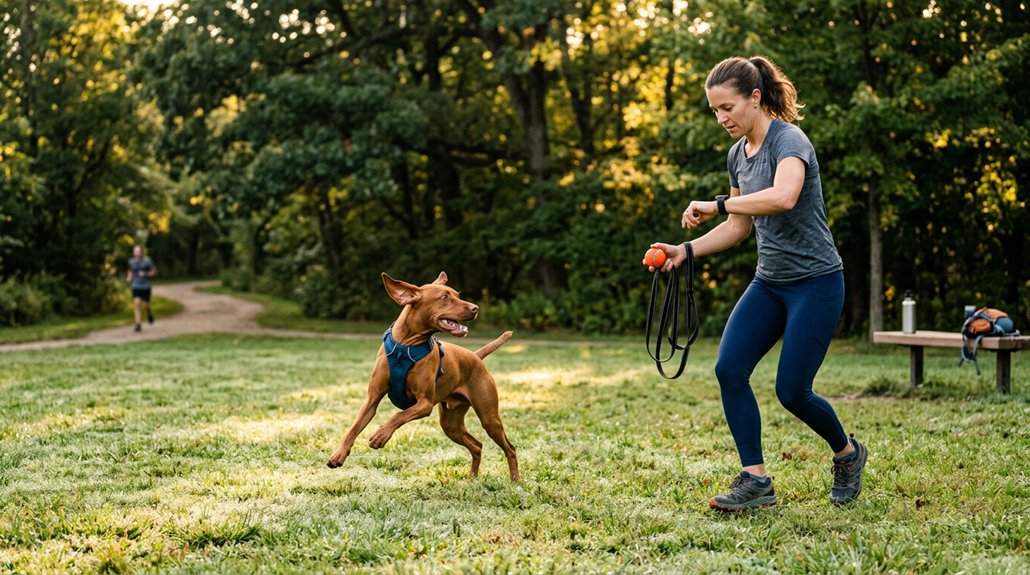
To exercise your dog daily, engage them in at least 30 minutes of tailored physical activity based on their breed, age, and health. Puppies need frequent play; adult high-energy breeds require vigorous activity, while seniors benefit from gentle, low-impact exercises. Include indoor games like hide-and-seek or stair climbs. Prioritize outdoor safety by using leashes, providing water, and protecting against harsh weather. Ensuring your dog’s physical health and behavior is key, and there’s more to explore for their well-being.
Key Takeaways
- Engage dogs in 30-minute walks daily to maintain physical health and allow for socialization opportunities at parks.
- Tailor exercise routines based on your dog’s breed, age, and health condition for optimal wellness.
- Incorporate indoor activities like hide-and-seek and agility courses to stimulate both mind and body.
- Adjust exercise intensity according to life stage, with puppies needing frequent activity bursts and seniors requiring gentle exercise.
- Ensure safety during outdoor adventures by using leashes, providing hydration, and wearing visibility gear.
Why Daily Exercise Matters for Dogs
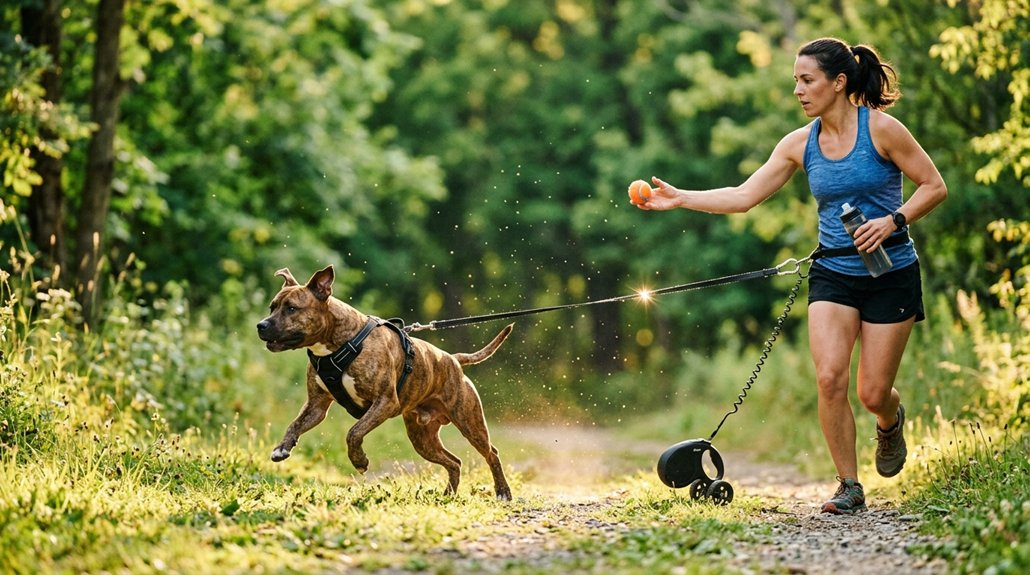
Regular exercise is essential for your dog’s health, as it plays a fundamental role in preventing obesity, arthritis, and a host of other health complications. From a clinical perspective, the health benefits gained through daily exercise are immense. Ensuring your dog gets at least 30 minutes of aerobic activity daily maintains muscle mass, strengthens joints, and boosts overall immunity. The natural movement refines physical health and fosters behavior improvement. A physically fit dog is less prone to anxiety and destructive behaviors often driven by boredom. Tailoring exercise routines based on breed, age, and health condition is critical. Customization accommodates specific energy levels, ensuring that high-energy breeds reap maximum health and behavioral benefits, elevating both their quality of life and lifespan.
Integrating Dog Exercise Into Your Routine
Understanding the importance of daily exercise in your dog’s health empowers you to seamlessly incorporate activity into both your lives. Regular walks of at least 30 minutes are essential, providing the foundation for your dog’s physical and mental well-being. Integrate dog-friendly errands to ascertain your pet gets the mental stimulation it needs. Visits to pet-friendly stores or coffee shops transform routine trips into enriching experiences. Convert school pickups or trips to the farmer’s market into productive outings, maximizing your time and your dog’s exercise. On busier days, hiring a dog walker or enrolling your pet in doggy daycare guarantees they receive adequate activity. Utilize dog parks for quick exercise and socialization opportunities, fostering a healthy and balanced lifestyle.
Tailor Exercise for Puppies, Adults, and Seniors
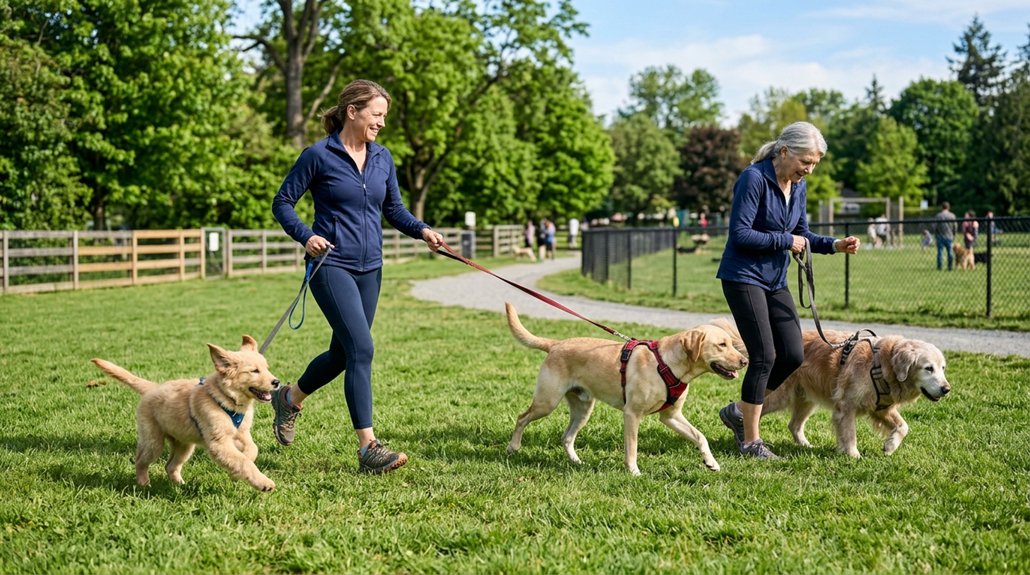
Understanding the distinct exercise needs of puppies, adults, and seniors is crucial for maintaining your dog’s health and well-being. You’ll want to provide puppies with frequent short play sessions to match their energetic nature, while adult dogs benefit from structured daily activity tailored to their breed’s energy levels. For senior dogs, prioritize gentle, regular exercise, mindful of their stamina and any health limitations, and consult your veterinarian to craft an effective routine.
Puppy Energy Requirements
With their boundless energy, puppies demand a particular focus on exercise tailored to their developmental stages. Puppy playfulness requires structured energy outlets, such as short bursts of activity, to prevent disruptions like destructive behavior. Aim to provide around five minutes of action per month of age—for instance, a three-month-old puppy should enjoy roughly 15 minutes of exercise. Keep sessions frequent and gentle to support growth while mitigating risks of injury. Adjust routines gradually to cater to evolving capabilities, always taking into account breed-specific needs and any health concerns. Continuous veterinary consultation will guarantee proper guidance in boosting your puppy’s health, while promoting essential developmental milestones. Properly managed exercise fosters a well-adjusted puppy, paving the way for lifelong healthy habits.
Adult Activity Levels
For adult dogs, finding the right balance of exercise is key to maintaining a healthy lifestyle. The ideal activity types and duration guidelines vary depending on your dog’s breed, age, and health. Generally, adult dogs need 30-60 minutes of daily aerobic activity. High-energy breeds, such as Border Collies and Huskies, often thrive with more than 1-2 hours of vigorous exercise to stay mentally and physically stimulated. For moderate-energy breeds, 30-45 minutes suffices when including brisk walks, fetch, or agility training. Consulting with a veterinarian guarantees these exercise recommendations align with your dog’s health and fitness level. They’ll help you customize activity plans fitting your dog’s unique needs, ensuring they receive safe and effective exercise without risking overexertion or injury.
Senior Exercise Modifications
As dogs shift into their senior years, exercise routines must adapt to accommodate their changing physical needs. Prioritize senior mobility and joint health by engaging in gentle, low-impact activities like short, frequent walks and swimming. These exercises help maintain mobility without overexertion, essential for preventing joint strain. Always monitor your dog’s behavior during these routines and be ready to adjust based on their comfort and health conditions, consulting a vet if needed.
Alongside physical exercise, mental stimulation plays an important role. Incorporate interactive play and puzzle toys to guarantee overall well-being. Consistency is key, so maintaining a regular exercise schedule can help prevent obesity and related health issues, thereby enhancing your senior dog’s quality of life as they age.
Breed-Specific Exercise Tips
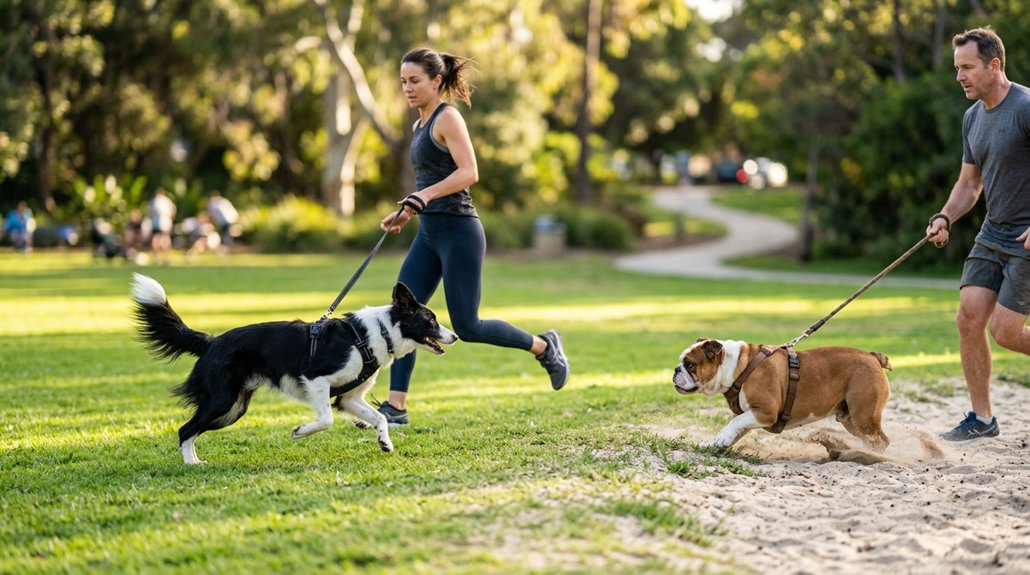
When planning exercise routines for your dog, it’s vital to take into account their breed, as activity levels need to be tailored to meet specific energy requirements. High-energy breeds demand rigorous daily exercise to promote mental and physical health, whereas low-energy breeds flourish with more leisurely activities. Incorporate breed-appropriate play styles into your dog’s regimen—structured workouts for those with herding instincts and gentle engagements for toy breeds—to guarantee a well-balanced fitness plan.
Tailored Activity Levels
Understanding the distinct exercise needs of different dog breeds is essential for promoting their physical and mental well-being. Tailoring activity levels requires creating individualized plans based on specific breed requirements and behavior assessments. For instance, high-energy breeds like Border Collies often require vigorous daily routines to prevent behavioral issues. In contrast, low-energy breeds such as Bulldogs benefit from shorter, moderate activities to maintain health without overexertion. Puppies possess unique exercise needs due to their developmental stage, demanding several short bursts of active play for peak growth.
Consider these factors when tailoring activity levels:
- Elderly dogs benefit from low-intensity exercises for joint health.
- Mixed breeds require custom plans reflecting inherited traits.
- Behavioral cues help guide suitable exercise intensity.
Appropriate exercise fosters holistic health and prevents obesity.
Energy-Specific Workouts
Each breed possesses unique energy levels requiring tailored exercise regimes. High-energy breeds like Border Collies and Siberian Huskies thrive with 1-2 hours of vigorous daily exercise. Activities such as running and agility courses maximize exercise benefits, maintaining their physical health and mental well-being. Moderate-energy breeds, including Bulldogs and Cocker Spaniels, benefit from 30-60 minutes of daily activity. Brisk walks and interactive play maintain their fitness and prevent obesity, an essential health focus. For low-energy breeds like Basset Hounds or Shih Tzus, 20-30 minutes of gentle exercise suffices. These short walks support cardiovascular health without overexertion. Puppies require multiple short bursts of play tailored to their developmental stage, while senior dogs benefit from regular, low-impact activity for joint health.
Breed-Appropriate Play Styles
Considering the unique energy levels of each breed, tailoring exercise to their play preferences enhances not only physical fitness but also mental stimulation. High-energy working breeds, like Border Collies, demand vigorous activities exceeding one to two daily hours to accommodate their breed traits. Their exercise preferences include agility training and interactive games. Sporting breeds, favoring retrieval, thrive on fetch or swimming to fulfill their activity needs, leveraging their natural inclinations.
On the other hand, toy breeds favor shorter, more frequent indoor sessions due to their diminutive size. Utilize the following for effective breed-specific exercise:
- Long walks with scent trails: Ideal for hound breeds to engage their olfactory senses.
- Water-based activities: Perfect for sporting breeds with a penchant for swimming.
- Indoor exploration games: Suitable for toy breeds’ exercise preferences within small spaces.
These considerations guarantee balanced health and well-being.
Get Creative: Indoor Dog Exercise Ideas
Energize your dog’s indoor routine with inventive exercises that maintain both physical health and mental sharpness. Utilize dog-friendly games like hide-and-seek to blend movement and cognitive challenges. Implement indoor workouts by encouraging stair climbs under close supervision to build muscle strength safely. For high-energy breeds, a dog-specific treadmill offers an ideal aerobic exercise solution, especially when adverse weather strikes.
Construct a mini agility course using chairs for jumps and cardboard boxes as tunnels, perfect for enhancing agility and mental acuity. Engage in tug-of-war with a durable toy, mindful to moderate sessions to avoid overstimulation. These creative indoor exercise strategies not only address your dog’s physical needs but also greatly influence their overall wellbeing, keeping them engaged and healthy even when confined indoors.
Outdoor Adventures: Exercising Your Dog Safely
While indoor exercises can efficiently maintain your dog’s fitness and mental stimulation, outdoor adventures provide incomparable opportunities for broadening their horizons. Prioritize outdoor safety by keeping your dog leashed during hikes, following local leash laws, and practicing park etiquette. This minimizes risks from wildlife encounters and maintains control. Remember, dog-safe sunscreen and reflective gear are your allies for sun protection and visibility.
Outdoor adventures enrich your dog’s life; remember leash laws, park etiquette, and sun protection for safety.
Hydration is vital—carry water to prevent dehydration and heatstroke, especially in summer. Opt for walks during cooler early mornings or later evenings to avoid scorching surfaces. Protecting their paws from hot pavement is essential.
- Make sure your dog stays hydrated with ample water.
- Use protective gear to shield against sun and maintain visibility.
- Adhere to leash laws and etiquette for a safe environment.
Recognizing Exercise Needs: Is Your Dog Getting Enough?
Many dog owners struggle to ascertain if their furry companions are receiving adequate exercise. Conducting an exercise assessment is essential to guarantee their well-being. Each dog has unique needs, largely influenced by breed, age, and health status. For instance, working breeds often require one to two hours of activity daily. Puppies benefit from multiple short bursts of exercise, while senior dogs may need gentler routines. Pay attention to behavior observations; signs like boredom or destructive tendencies might indicate insufficient activity. Tailor their exercise to prevent obesity and enhance overall health. Consult a veterinarian to develop a customized plan, considering any medical conditions. This professional guidance guarantees that your dog’s physical activity aligns perfectly with their specific fitness requirements.
Safety Precautions for Dog Exercise
Guaranteeing your dog’s safety during exercise is essential for their health and well-being. Equip your dog with appropriate safety gear, including an ID tag on their collar, which is both a legal necessity and crucial for safety during outdoor activities. Avoid using extendable leashes in high-traffic areas. They could compromise your control, increasing the risk of accidents. Environmental awareness is key:
- Summer: Carry water and avoid hot surfaces to prevent dehydration and heatstroke.
- Winter: Choose paths free of ice to avoid slips and injuries.
- General: Keep your dog leashed in areas with traffic or wildlife.
Develop emergency protocols for unexpected situations, such as having a vet’s contact handy. This proactive approach guarantees a safer, healthier exercise experience for your dog.
Frequently Asked Questions
What Is the 3-3-3 Rule With Dogs?
The 3-3-3 rule guides new dog owners through acclimation: first three days for reducing initial stress, three weeks to adapt to routines, and three months to settle fully. Focus on training tips, playtime activities, patience, and consistency.
Should You Exercise Your Dog Every Day?
Exercising your dog every day is imperative for ideal dog health. Daily exercise not only prevents obesity and arthritis but also supports mental well-being, reducing behavioral issues. Tailor activities to your dog’s age, breed, and health status.
Will Exercise Help With Neuropathy?
Yes, exercise helps with neuropathy management by improving blood circulation and reducing pain. You should focus on exercise benefits like maintaining a healthy weight and promoting mental stimulation. Always consult with your vet for a tailored plan.
How Do You Say “I Love You” in Dog Speak?
In dog speak, “I love you” is expressed through vocalizations like soft whining and body language such as wagging tails, soft eyes, and relaxed postures. These demonstrate your dog’s comfort, affection, and desire to connect with you.
Conclusion
Ensuring your dog gets daily exercise is essential for their physical and mental health. Surprisingly, nearly 56% of dogs in the U.S. are overweight or obese, underscoring the importance of regular activity. By tailoring exercise to your dog’s age and breed and integrating creative routines into indoor and outdoor settings, you’re actively contributing to their well-being. Keep an eye on their needs and prioritize safety to maintain their health and happiness for years to come.