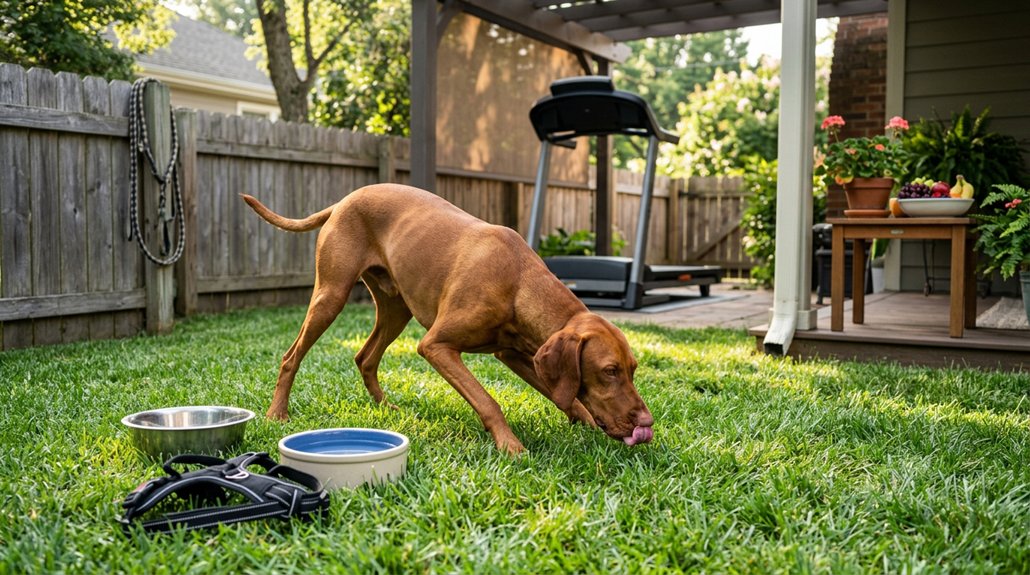
To establish a healthy daily routine for your dog, guarantee balanced sleep, feeding, and exercise plans tailored to their breed, age, and energy. Adult dogs generally need 12-14 hours of sleep, while puppies and seniors may require more. Feed adults two meals daily, with regular potty breaks. Exercise should match their energy level and include both physical and mental activities. Monitoring behavior and engagement will indicate a successful routine. Discover more about optimizing their well-being.
Key Takeaways
- Establish consistent feeding times, with two meals for adults and 3-4 for puppies, spaced evenly throughout the day.
- Provide exercise tailored to the dog’s breed, age, and energy level, combining physical and mental activities.
- Ensure dogs receive adequate sleep with a tranquil environment, aiming for 12-14 hours for adults and up to 20 hours for puppies.
- Incorporate regular play and training sessions to maintain engagement and reinforce skills, using both indoor and outdoor settings.
- Monitor behaviors such as appetite, sleep, and playfulness to assess the dog’s overall well-being and adjust routines accordingly.
Why Routines Benefit Your Dog’s Health

While it might seem like a simple approach, establishing a daily routine can profoundly influence your dog’s mental and physical well-being. By creating a consistent schedule, you provide a framework for behavioral stability, which notably reduces anxiety. When your dog knows what to expect—regular feeding, structured playtimes, and consistent potty breaks—they feel secure, understanding their needs will be met. This enhances their overall health, allowing them to thrive.
Furthermore, routines play an essential role in alleviating behavioral issues. Regular exercise sessions are particularly critical for active breeds, requiring 1–2 hours of activity daily to prevent potential problems. Structured activities not only improve physical health but also maintain digestive health and prevent obesity. Consequently, implementing a daily routine fosters a healthier, happier dog.
How Much Sleep Does Your Dog Need?
Understanding your dog’s sleep requirements is fundamental to their overall well-being. Adult dogs generally need 12 to 14 hours of sleep daily, with puppies and seniors often sleeping up to 20 hours, and ensuring quality rest—including deep and REM sleep—is essential. To enhance their sleep quality, create a tranquil sleep environment and maintain a consistent routine that aligns with their natural circadian rhythms.
Optimal Sleep Durations
Ensuring your dog gets the right amount of sleep is vital for their health and well-being. Understanding sleep behavior and circadian rhythms can greatly enhance your dog’s rest. Adult dogs typically need 12–14 hours of sleep each day, while puppies and older dogs might require as much as 18–20 hours for growth and rejuvenation. For working breeds, adequate physical and mental stimulation can slightly reduce their sleep demands.
To improve your dog’s sleep duration:
- Align their sleep schedule with natural circadian rhythms to promote better sleep quality.
- Create a quiet and comfortable environment to minimize disruptions and improve restfulness.
- Ensure both deep and REM sleep, as they are essential for maintaining ideal health.
This tailored approach to sleep is fundamental in supporting your dog’s overall well-being.
Importance of Sleep Cycles
In light of its fundamental importance, understanding your dog’s sleep cycles can drastically enhance their quality of life. Dogs’ sleep patterns include essential deep and REM sleep stages that support cognitive and emotional well-being. Adult dogs typically need 12-14 hours of sleep, while puppies and seniors require 18-20 hours.
| Age Group | Sleep Duration (Hours) |
|---|---|
| Puppies | 18-20 |
| Adult Dogs | 12-14 |
| Senior Dogs | 18-20 |
| Disturbed Sleep | Can indicate sleep disorders |
Recognize that your dog’s circadian rhythms regulate their sleep and activity cycles. Maintaining a consistent schedule is key. A comfortable, quiet sleeping area can help, minimizing disturbances that might lead to sleep disorders. Prioritizing sufficient sleep is vital for their physical health, behavior, and daily energy levels.
Enhancing Sleep Quality
The foundation laid by understanding your dog’s sleep cycles naturally leads us to enhancing their sleep quality. Adult dogs typically need 12 to 14 hours of sleep daily, while puppies and older dogs may require 18 to 20 hours. Quality sleep is essential and includes deep and REM stages. Here’s how you can support your dog’s restful sleep:
- Sleep Environment: Create a quiet, comfortable sleeping area to help reduce disturbances.
- Calming Techniques: Introduce calming methods like gentle music or aromatherapy to ease anxiety.
- Structured Routine: Align feeding, playtime, and potty breaks with their natural rhythms for consistency.
Establish Your Dog’s Feeding Routine
While planning your dog’s feeding routine, it’s crucial to take into account the specific needs tied to their age and activity level. Adult dogs usually benefit from meal times set twice daily, roughly 12 hours apart, aligning with feeding guidelines that support digestion and ideal metabolism. Puppies necessitate three to four meals daily due to their increased energy demands and growth. Tailor meals based on your dog’s weight, activity level, and life stage to avert nutritional imbalances. Treats should comprise no more than 10% of daily caloric intake—refrain from offering human food to maintain a balanced diet. Always provide access to fresh water, and seek a veterinarian’s advice for personalized dietary recommendations tailored to your dog’s unique needs.
Designing Your Dog’s Exercise Routine
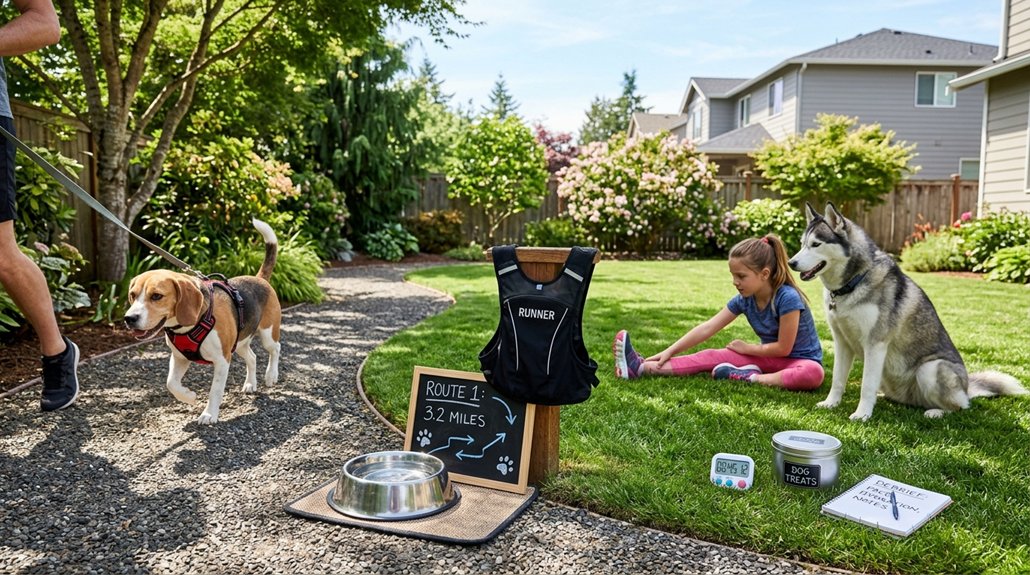
When designing your dog’s exercise routine, it’s important to tailor physical activities according to the breed’s specific needs and energy levels. Different breeds have varied exercise requirements, and balancing exercise with adequate rest is vital to prevent fatigue and promote recovery. Make certain activities include a combination of physical exertion and mental stimulation to maintain overall health and prevent behavioral problems.
Tailoring Activities By Breed
Before crafting an exercise routine for your dog, understanding that different breeds have unique needs is essential. Breed characteristics and activity preferences should guide how you structure their daily schedule. Larger and more active breeds like Border Collies and Labrador Retrievers thrive with 1–2 hours of exercise to support their physical and mental well-being. Meanwhile, smaller breeds, such as Chihuahuas and Pomeranians, are content with 30–60 minutes of shorter walks and playful interactions. Working breeds, including German Shepherds and Australian Cattle Dogs, require a combination of demanding physical activities and cognitive challenges to stave off boredom.
- Consider your dog’s age, health, and temperament before deciding on exercise intensity.
- Puppies benefit from brief yet frequent exercise paired with training.
- Adapt routines as your pet ages or if health issues arise.
Balancing Exercise And Rest
Recognizing your dog’s unique breed needs sets the stage for designing a balanced exercise routine. For small breeds, aim for 30–60 minutes of varied exercise types daily, while larger or active breeds may require 1–2 hours. Combining activities like fetch, agility training, and regular walks enhances both physical and mental engagement. Structured rest strategies are essential—adult dogs need 12–14 hours of sleep, whereas puppies and seniors may require up to 20 hours. Make sure your dog has at least 30 minutes post-meal before engaging in vigorous activity to prevent conditions like bloat.
| Breed | Daily Exercise | Rest Needs |
|---|---|---|
| Small breeds | 30-60 mins | 12-14 hours |
| Large/active breeds | 1-2 hours | 12-14 hours |
| Puppies | Varied, gentle play | 18-20 hours |
| Seniors | Low-impact, gentle | 18-20 hours |
| All breeds post-meal | 30 mins wait to exercise | Adequate digestion time |
Adapting Routines to Your Environment
Although every dog thrives on routine, the environment you live in plays an essential role in how you tailor your dog’s daily activities. Urban apartment living might limit space, requiring you to schedule more frequent outdoor access to fulfill exercise needs. On days when stepping out isn’t feasible, enrich their world with indoor activities. Interactive toys and games can mimic physical exertion, providing much-needed mental stimulation. Regardless of your living situation, construct a consistent but adaptable routine that guarantees your dog stays healthy and content. Focus on:
- Indoor activities: Use puzzles and interactive toys for mental engagement.
- Outdoor access: Plan regular outdoor trips, considering cooler times in urban settings.
- Routine adaptation: Adjust schedules to maintain ample exercise and comfort.
Adapting Routines for Puppies vs. Adults
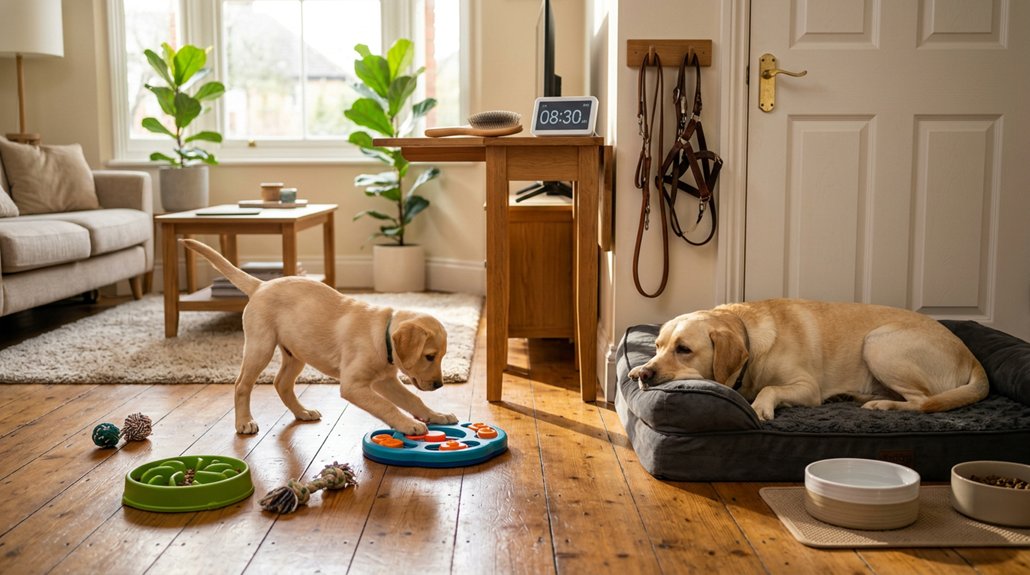
As you consider your dog’s environment, it’s important to recognize that adapting routines is particularly significant when distinguishing between puppies and adult dogs. Puppies need more frequent meals—3-4 times daily—and regular potty breaks every couple of hours for effective potty training and to prevent accidents. Incorporate short, playful exercise sessions into puppy playtime to accommodate their growth and energy levels. On the other hand, adult dogs typically thrive on two meals spaced about 12 hours apart. Their routines should include longer, more vigorous physical activities lasting 30–60 minutes or more, depending on breed and energy level. Training for puppies involves short, introductory sessions, whereas adult training focuses on longer, more intensive sessions to reinforce established skills.
A Day in the Life: Ideal Dog Routine
Crafting an ideal daily routine for your dog is essential for their health and happiness. Begin each day with morning rituals that include a walk or play session, allowing for both physical exercise and potty breaks. Ascertain your dog receives nutritious meals to maintain energy levels; adult dogs thrive on two meals about 12 hours apart.
Incorporate key elements into your dog’s schedule:
- Exercise: Smaller breeds require 30–60 minutes, while larger ones need 1–2 hours.
- Mental Stimulation: Engage your dog with 15-minute training sessions or interactive play.
- Sleep: Facilitate restful sleep, as adult dogs need up to 14 hours daily.
Conclude with evening routines that wind down activities, promoting relaxation and a peaceful night’s rest. A well-balanced daily routine enhances your dog’s overall well-being.
How Do I Know My Routine Is Working?
Ever wonder how to gauge whether your dog’s daily routine is actually benefiting them? Behavior monitoring and energy assessments are key. Watch for signs of contentment post-play or rest, a steady appetite, and regular bowel movements. These indicators guarantee the routine aligns with their needs. A predictable schedule reduces stress-related behaviors, while appropriate sleep fosters rejuvenation.
Sleep Requirements | Rest & Routine Indicators
— | —
Adults: 12–14 hours | Steady energy levels
Puppies/Elderly: 18–20 hours | Calm demeanor
Feeding: 2 meals for adults | Healthy appetite
Exercise: 30–60 mins for small breeds | Ready for play
Mental Stimulation: Daily | Engaged behavior
Consistent energy levels suggest you’re maintaining a proper balance tailored to their breed and age, guaranteeing a thriving, content canine companion.
Frequently Asked Questions
What Is a Good Daily Schedule for a Dog?
Focus on a feeding schedule with two meals, ensuring energy management. Tailor exercise needs to your dog’s size, include scheduled social interactions, and integrate varied playtime activities. This covers physical, mental, and emotional well-being thoroughly.
What Is the 3-3-3 Rule With Dogs?
The 3-3-3 rule symbolizes a journey of transformation in a dog’s behavior. Initially, stress clouds them; with time, socialization needs, exercise routines, and health monitoring guide them to adapt. Training tips and feeding schedules sustain balance.
What Is the 10-10-10 Rule for Dogs?
The 10-10-10 rule for dogs involves dedicating 10 minutes each to dog exercise, mental stimulation, and social interaction daily. This structured routine helps prevent behavioral issues by fulfilling their physical, mental, and social needs efficiently.
How Do Dogs Say “I Love You”?
It’s like fate when your dog wags its tail joyfully or snuggles close, making eye contact. They say “I love you” through playful behavior, gentle nudges, relaxed postures, vocalizations, and offering favorite toys.
Conclusion
Establishing a consistent routine for your dog is like building a sturdy bridge to peak health, creating a harmonious balance of sleep, nutrition, and exercise. By tailoring routines to your dog’s age and environment, you’re laying the groundwork for a thriving, happy pet. Monitor your dog’s well-being closely; a content and energetic companion signals success. Remember, just as Rome wasn’t built in a day, a solid routine takes time and dedication to perfect.