
If you’re looking for quiet dog breeds that don’t bark much, consider options like the Basenji, known for its unique yodeling, or larger breeds like Great Danes and Newfoundlands, which naturally communicate less vocally. These breeds have a calm demeanor, making them suitable for apartments and urban living. Their peaceful nature reduces stress and fosters positive relationships with neighbors. Explore how these gentle companions and effective training techniques can enhance your living environment.
Key Takeaways
- Basenjis are unique as they yodel instead of bark, making them a distinct quiet breed.
- Newfoundlands and Great Danes are large breeds known for minimal vocal communication.
- Cavalier King Charles Spaniels are calm, affectionate, and well-suited for families seeking quiet pets.
- French Bulldogs adapt well to apartments due to their easygoing nature and low barking tendencies.
- Shih Tzus, bred as indoor companions, excel as quiet, low-maintenance lap dogs.
Traits That Make Dog Breeds Quiet

Although there’s a wide variety of dog breeds, certain traits contribute to making some breeds quieter than others. Genetic influences play a significant role in these traits, as seen in breeds like the Basenji with their unique yodeling sound. This is an inherited characteristic distinguishing them from typical barkers. Breed characteristics also factor in, with larger breeds like Great Danes and Newfoundlands often relying on their size rather than vocalization to communicate, reducing the need for frequent barking. These breeds typically exhibit a calm demeanor, which aligns with their genetic predispositions. Additionally, strong bonds formed with owners enhance communication, minimizing unnecessary barking. Together, these elements make certain dog breeds better suited for peaceful living environments and less prone to excessive noise.
Techniques for Training Quiet Dog Breeds
Building upon the understanding of traits that make dog breeds quieter, it’s important to recognize the techniques that can help train these breeds effectively. Employing vocalization management involves consistent commands and positive reinforcement to encourage silence. Early socialization plays a vital role, making dogs comfortable and reducing their need to vocalize.
A core aspect of bark reduction techniques is regular mental and physical engagement, which keeps your dog stimulated and less prone to unnecessary barking. Here’s a concise guide:
| Technique | Description | Benefit |
|---|---|---|
| Consistent Commands | Use clear, repeated instructions | Establishes understanding |
| Positive Reinforcement | Reward silence and calm behavior with treats | Encourages quiet behavior |
| Early Socialization | Expose to various environments early | Reduces natural barking |
Consult professional trainers for tailored assistance.
Quiet Breeds Ideal for Families
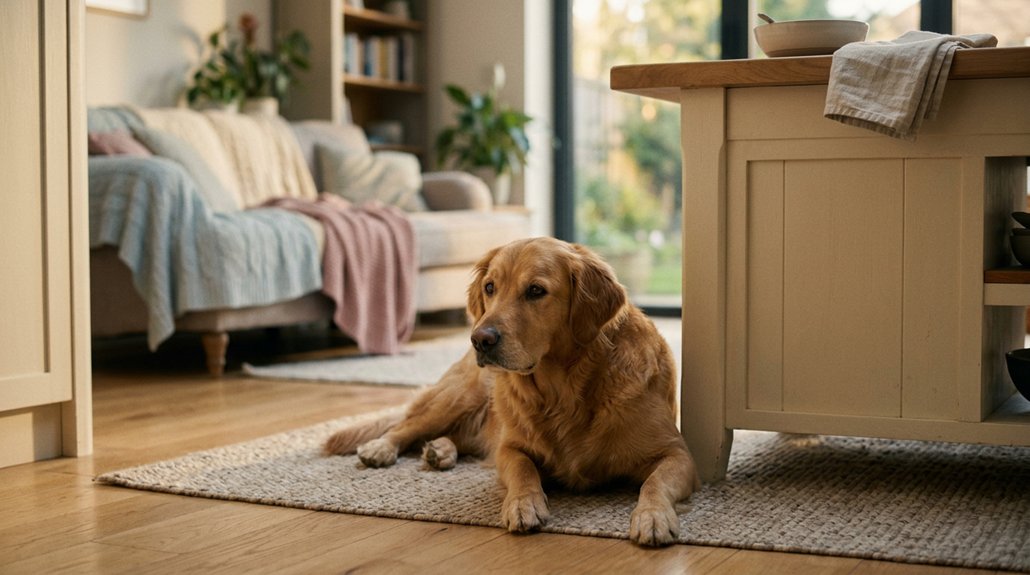
When considering the perfect addition to your family, several quiet dog breeds fit the bill admirably. Family friendly breeds like the Cavalier King Charles Spaniel stand out with their affectionate nature and calm demeanor. They’re excellent for households seeking affectionate companions without the hassle of constant barking. Newfoundlands are known as “gentle giants;” their sweet temperament and patience, especially with children, make them ideal family members who rarely vocalize unnecessarily. Similarly, Bernese Mountain Dogs are gentle and friendly, thriving in family settings while seldom barking. For apartment dwellers, French Bulldogs are perfect, offering easygoing companionship with little barking. Finally, Shih Tzus are bred as indoor companions, their friendly nature making them superb lap dogs for families or seniors.
Why Larger Breeds Can Be Quieter
While many assume that larger dogs may be more prone to barking due to their size, it’s often quite the opposite. Larger breeds like the Great Dane and Newfoundland demonstrate how size influence can actually result in quieter barking behavior. Here’s why:
- Innate Calmness: Many large breeds have inherently calm temperaments, which curtail excessive vocalization compared to their smaller, more energetic counterparts.
- Guarding Instincts: Breeds such as the Akita rely on their imposing presence more than vocal alerts to deter threats.
- Working Heritage: Historically bred for specific tasks, larger dogs were selected for their ability to communicate without noise.
- Training and Socialization: Proper training guarantees minimal barking, making them ideal for situations where noise should be kept to a minimum.
Small Quiet Breeds for Apartments

In choosing a canine companion for your apartment, consider small breeds like the French Bulldog and Cavalier King Charles Spaniel that boast a naturally quiet temperament. These dogs, along with the unique vocalizing Basenji, and gentle Shih Tzu, are known for their minimal barking and friendly natures, making them ideal for close-living spaces. Effective training in these breeds further enhances their peaceful coexistence in urban environments, ensuring a harmonious household for you and your neighbors.
Ideal Apartment Companions
Selecting the right dog breed is essential for harmonious apartment living. Consider how a breed fits with your lifestyle compatibility and noise tolerance. Here are some ideal small quiet breeds for apartments:
- French Bulldog: These pups are playful yet calm, offering a perfect mix of companionship without the noise often associated with dogs.
- Cavalier King Charles Spaniel: Their affectionate nature means they adapt well to apartment life, barking minimally.
- Basenji: Known as the “barkless dog,” Basenjis communicate with unique sounds, ideal for those valuing quieter surroundings.
- Whippet: Gentle and serene, Whippets seldom bark, proving tranquil in smaller spaces.
Each of these breeds guarantees you enjoy a peaceful living environment while fitting seamlessly into your urban lifestyle.
Quiet Temperament Factors
Understanding the quiet temperament of certain dog breeds is crucial for selecting the perfect apartment companion. Breeds like the Cavalier King Charles Spaniel and French Bulldog are renowned for their calm demeanor and low barking, attributes that are invaluable for apartment dwellers. The Basenji provides a unique alternative with its yodel-like vocalizations, catering to those desiring a quieter household. Shih Tzus, known for their relaxed indoor nature, enjoy companionship without excessive noise. Whippets and Italian Greyhounds stand out for their minimal vocalizations, typically only expressing themselves when excited, thereby supporting a serene home environment. These traits help guarantee these breeds stay well-adjusted to compact living spaces, embodying the foundational elements of tranquility and contentment in an apartment setting.
Training for Peaceful Living
Training is pivotal for nurturing peaceful living with small quiet breeds in apartment settings. By focusing on behavior adjustment and training consistency, you’ll guarantee a tranquil home environment. Here’s how to get started:
- Use Positive Reinforcement: Reward calm behavior with treats or affection to reinforce peacefulness.
- Consistent Commands: Employ the same verbal cues consistently to manage vocalizations and encourage compliance.
- Socialization and Engagement: Breeds like the Basenji and Shiba Inu benefit from socialization and mental challenges to prevent territorial barking.
- Exercise Regularly: Small breeds need adequate physical and mental stimulation to channel energy positively, reducing unnecessary noise.
Visiting professional trainers can provide tailored advice, guaranteeing that your apartment remains a haven of calm for both you and your pet.
Activities for Silent Active Dogs
Although silent active dogs, like the Basenji and Shiba Inu, aren’t known for their vocalizations, they still require engaging activities to manage their energy levels effectively. Agility training is an excellent way to merge physical exercise with mental stimulation, offering these breeds a thorough outlet. Engaging them in scent work or interactive puzzle toys further enhances mental sharpness, helping prevent unnecessary vocalizations. Regular activities such as fetch or tug-of-war allow dogs to release energy constructively.
| Activity Type | Description | Benefits |
|---|---|---|
| Agility Training | Obstacle courses and commands | Physical, mental exercise |
| Scent Work | Using their nose to find objects | Mental stimulation |
| Interactive Toys | Puzzle games and challenges | Cognitive engagement |
Structured activities like hiking also foster overall well-being.
Advantages of Having a Quiet Dog
Quiet dog breeds offer a unique advantage by contributing to a serene living environment, which greatly reduces noise-related stress for both you and your neighbors. Embracing the benefits of quietness, these breeds create a peaceful home that many seek, especially in urban settings. Here are the key advantages of having a quiet dog in your life:
Quiet dog breeds are ideal for creating serene, stress-free homes, especially in bustling urban environments.
- Reduced Noise Stress: Their calm nature means less frequent disturbances, lowering stress for you and those around you.
- Neighborly Relations: Maintaining positive relationships becomes easier, minimizing conflicts over noise in shared living spaces.
- Ideal for First-Time Owners: With fewer vocal outbursts, they require less intensive training.
- Compatibility with Urban Living: Quiet breeds often excel in apartments or condos, perfect for city dwellers.
These qualities make them excellent companions.
Frequently Asked Questions
Which Dog Barks the Least and Is the Most Quiet?
The Basenji is your best bet for silent companions, known as the “barkless dog,” offering a unique yodel. If you’re seeking low noise pets, these dogs excel in providing a tranquil environment without constant barking.
What Is the 3 Bark Rule?
The “3 Bark Rule” gently encourages concise communication by allowing three barks before implementing bark reduction strategies. With consistent training techniques, you’ll foster your dog’s polite expressions and create a peaceful atmosphere for everyone involved.
What Dogs Are Usually Not Allowed in Apartments?
You’re steering through breeds restrictions, so typically, high-energy, vocal dogs like Beagles and Huskies aren’t allowed. Apartment guidelines often exclude breeds prone to barking, such as Boxers or German Shepherds, to comply with noise management standards.
What Is the Quietest Calmest Dog Breed?
When seeking silent companions, consider the Basenji for its calm temperament and unique yodels over traditional barking. You’ll find their serene nature perfect for peaceful environments, blending seamlessly into households craving tranquility rather than noise.
Conclusion
In choosing a quiet dog breed, you’re embracing tranquility akin to a gentle breeze on a calm day. These breeds, whether large or small, seamlessly integrate into family life and apartment living alike. Through thoughtful training and engaging activities, you can nurture their natural quietude, allowing their serene qualities to shine. The advantages are numerous—less stress, fewer disturbances, and a peaceful home environment—where both you and your silent companion can thrive harmoniously.