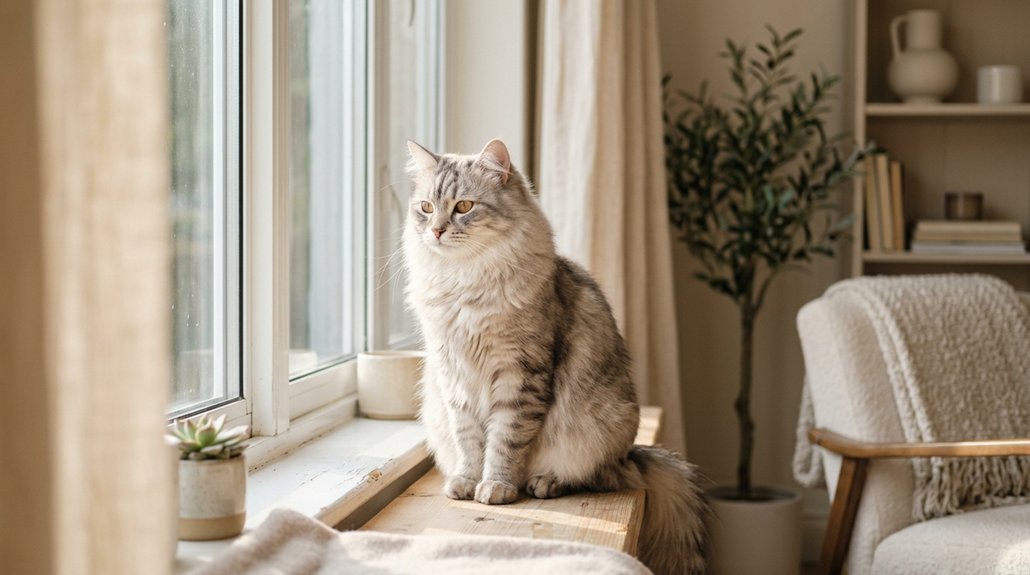
If you have cat allergies but adore felines, consider breeds like the Siberian, Balinese, and Devon Rex. These breeds produce less of the allergenic Fel d 1 protein. Siberians and Balinese have unique coats contributing to their hypoallergenic reputation, while the Devon Rex has lower allergen production. Regular grooming and maintaining a clean environment can help minimize allergens. By exploring further, you’ll discover how to harmonize your love for cats with allergy management strategies.
Key Takeaways
- Siberian cats have long fur but produce lower Fel d 1, making them suitable for mild allergy sufferers.
- Balinese lack an undercoat, resulting in reduced Fel d 1 allergen levels.
- Devon Rex cats have a curly coat and low allergen production, ideal for severe allergies.
- Russian Blue cats’ dense coats trap allergens, reducing airborne spread.
- Sphynx cats require regular bathing to manage skin oils and allergens.
Demystifying Hypoallergenic Cats: Facts You Should Know
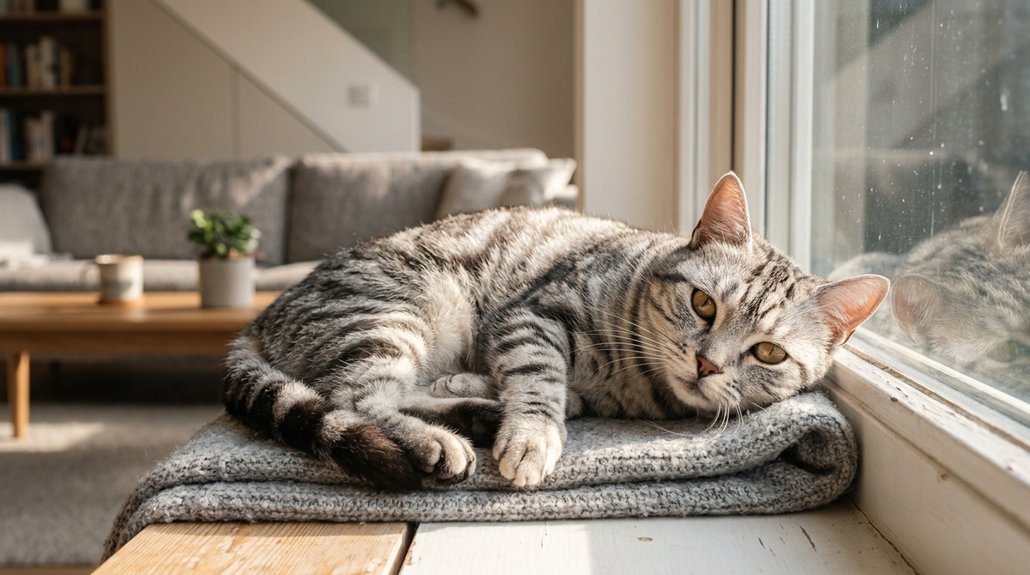
Ever wondered what makes some cats considered hypoallergenic? It’s a common misconception that hypoallergenic cats completely lack allergens. In truth, all cats produce allergens, mainly the Fel d 1 protein present in their saliva, skin, and dander. However, certain breeds, like the Siberian and Balinese, naturally generate lower amounts of this protein, making them more tolerable for allergy sufferers.
While short-haired or hairless breeds like the Sphynx might seem ideal due to less shedding, remember they still produce allergens through skin and saliva. Understanding these allergen sources is essential in managing allergies. Regular grooming can help minimize allergen spread by reducing loose fur and dander. Your allergy response may differ, so spend time with a cat breed before deciding.
Top Hypoallergenic Cat Breeds: A Detailed Guide
If you’re looking for cat breeds with lower allergenic properties, understanding which ones produce less of the Fel d 1 protein is essential. Selecting breeds such as the Siberian or Balinese, known for their reduced allergen production, can be beneficial in managing allergy symptoms. Coupling these choices with regular grooming and home cleaning practices will further minimize the exposure to potential allergens.
Breeds With Low Allergens
Despite common misconceptions, some cat breeds are more suitable for allergy sufferers due to lower allergen production. Explore the world of Siberian cats; they may surprise you as their long fur doesn’t equate to more allergens. They shed less dander and are ideal if your allergies are mild. The Balinese breed, with its stunning coat, lacks an undercoat, reducing Fel d 1 protein levels, perfect for sensitive households. Sphynx traits include hairlessness and a unique need for regular bathing, which keeps allergens minimal. Devon Rex features a manageable curly coat and lower allergen production, excellent for severe allergy cases. Finally, the Russian Blue’s dense coat traps allergens, reducing airborne spread while maintaining a soothing presence.
Managing Allergy Symptoms
Allergy management hinges on understanding and controlling the triggers present in your environment. To effectively reduce allergic reactions, focus on symptom management and regular cleaning routines. Since you’re dealing with the Fel d 1 protein, strategize your home care.
- Invest in HEPA air filters to trap allergenic particles, keeping the air cleaner.
- Regular grooming and bathing of your cat, especially if they’re a Sphynx, can minimize skin oils and allergens.
- Routine vacuuming with a vacuum cleaner designed for pet hair helps reduce allergen buildups.
- Consider allergy medications prescribed by your healthcare provider for added symptom relief.
Choosing hypoallergenic breeds like Siberian or Balinese helps, but supplementary strategies are essential to improving your quality of life.
Choosing Hypoallergenic Cats for Your Lifestyle
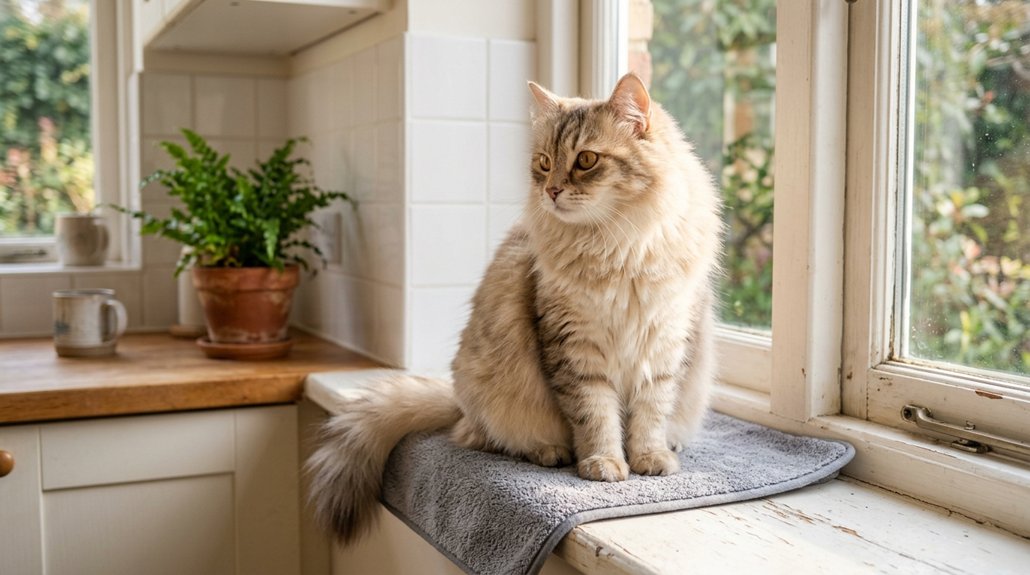
Why do some cat breeds seem more suitable for people with allergies than others? It primarily revolves around the levels of Fel d 1 protein they produce, a major allergen source in cats. Breeds like the Siberian and Balinese might challenge allergy myths, as they’re considered more tolerable due to lower Fel d 1 levels. Meanwhile, minimal-fur breeds like the Sphynx or Devon Rex limit dander spread and impact overall cat behavior since they require regular grooming. Short-haired cats like Burmese and Siamese further reduce allergen exposure thanks to less shedding. Since individual allergy responses vary, it’s crucial to interact with different breeds to gauge your reactions. Choose a breed that matches your lifestyle, keeping your potential allergy discomfort in mind.
Tips for an Allergy-Friendly Home
To minimize allergen exposure in your home, designate key areas like bedrooms as cat-free zones. Employ high-quality HEPA air filters to effectively capture airborne dander and allergens, enhancing your indoor air quality. Prioritize a regular cleaning routine, including vacuuming with a HEPA cleaner and washing household items, to manage allergen levels efficiently.
Create Cat-Free Zones
Creating cat-free zones in your home is an effective strategy to substantially lower allergen exposure for allergy sufferers. By implementing cat-free strategies in designated areas, you guarantee significant allergen reduction, offering a refuge for those sensitive to allergens. Start by assigning specific spaces, like bedrooms or home offices, as feline-restricted zones. Consistency is key; maintain these areas by keeping doors tightly closed and introducing physical barriers to deter cats.
Here’s a structured approach to cat-free zones:
- Regularly vacuum and wash bedding to eliminate stray dander.
- Use allergen-proof covers on pillows and mattresses.
- Install HEPA air purifiers for enhanced air quality.
- Create a strict cleaning schedule to uphold allergen-free environments.
These scientifically-backed methods promote healthier living spaces for individuals prone to pet allergies.
Utilize Effective Air Filters
Implementing high-quality air filters is vital for homeowners seeking an allergy-friendly environment, especially if they’re living with cats. High-efficiency filters like HEPA capture up to 99.97% of airborne allergens, including pet dander, thereby considerably improving indoor air quality. When installed in central air systems, these filters enhance air circulation, helping clean the air throughout your home and reducing overall allergen loads. It’s essential to adhere to filter maintenance schedules by replacing filters every 1-3 months to guarantee peak performance in trapping allergens. To further alleviate symptoms, consider utilizing portable air purifiers in bedrooms and common areas to create designated allergen-free spaces. Studies confirm that consistent use of air filters can measurably decrease allergy symptoms in households with these furry companions.
Prioritize Regular Cleaning
Beyond air filters, maintaining a clean home environment is pivotal for those sharing their living space with feline friends. Implementing effective cleaning strategies greatly aids in allergen management. Utilizing vacuum cleaners with HEPA filters regularly helps minimize hair and dander accumulation. Establish a consistent routine to keep pet bedding, toys, and frequently touched surfaces free from allergens. Minimizing carpeting in favor of hardwood or tile flooring further reduces dust and dander build-up, making cleaning more efficient. Consider these key practices:
- Vacuum with HEPA filters
- Regularly wash pet bedding and toys
- Maintain a strict cleaning schedule for high-traffic areas
- Opt for non-carpeted flooring
Care Hacks for Your Low-Allergen Cat
While grooming is essential for overall pet health, regularly maintaining the coats of low-allergen cats like the Devon Rex and Sphynx is particularly vital in minimizing allergens. Efficient grooming techniques, including gentle bathing and consistent brushing, help reduce dander accumulation markedly. Use hypoallergenic shampoos formulated for sensitive skin to further aid in maintaining skin health and reducing allergens.
Beyond grooming, consider nutrition tips like integrating specialized cat food such as Purina Pro Plan LIVECLEAR. This formula is specifically designed to reduce the level of Fel d 1 in the cat’s saliva, lowering allergen levels. Additionally, managing your environment with air purifiers equipped with HEPA filters, and establishing cat-free zones can enhance allergy control, paving the way for a harmonious companionship.
Getting Professional Advice: Tips From Vets and Allergy Pros
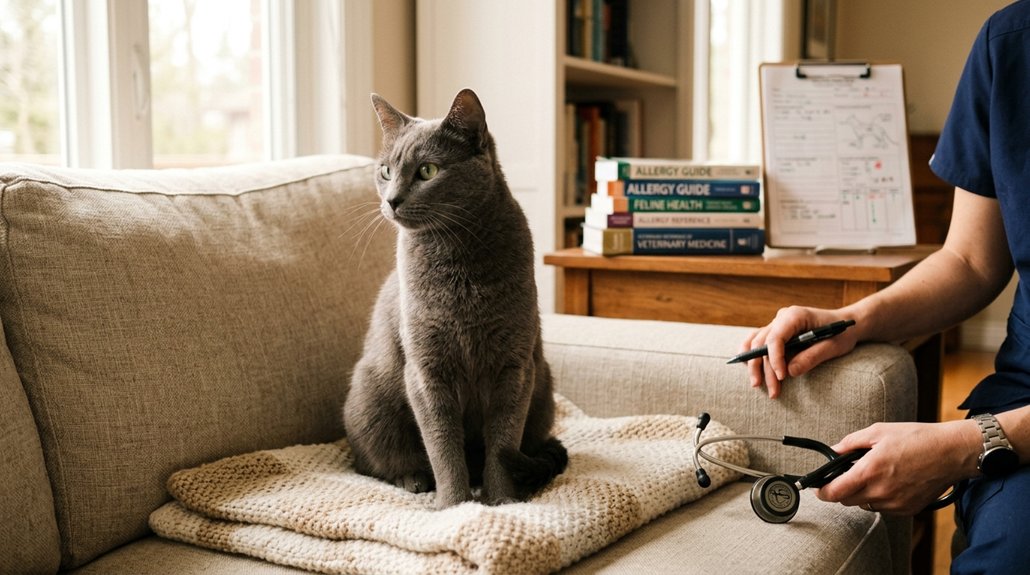
Grooming and nutrition play significant roles in managing allergens, but professional advice elevates your strategies to another level. Seek veterinary consultations to evaluate allergy triggers and explore hypoallergenic breeds aligned with your lifestyle. Regular visits guarantee your cat’s health, potentially reducing dander and allergens. Allergy assessments from specialists guide you in symptom management and offer medication strategies for a more comfortable coexistence with your feline friend. Here’s a focused approach to tackle pet allergies effectively:
- Veterinary consultations: Assess allergy triggers and breeds ideal for your conditions.
- Regular vet visits: Keep your cat healthy, minimizing allergen presence.
- Medication guidance: Receive professional advice on managing allergic reactions.
- Allergy assessments: Determine specific sensitivities to gauge cat ownership feasibility.
Proactive Measures: Keep Allergies in Check While Owning a Cat
Although managing cat allergies might seem challenging, implementing proactive measures can greatly alleviate symptoms and improve your quality of life. Regular grooming techniques, especially for low-shedding breeds, efficiently remove loose fur and dander, reducing allergen levels in your home. Employing high-quality HEPA air purifiers enhances allergen management by capturing airborne particles, ensuring cleaner air. Establish cat-free zones, like bedrooms, to minimize allergen exposure, providing safe spaces for allergy sufferers. Feeding your cat specially formulated foods, such as Purina Pro Plan LIVECLEAR, can decrease Fel d 1 protein in saliva, mitigating allergic reactions. Finally, consistent cleaning routines—washing pet bedding and using HEPA-filter vacuums—are crucial for ideal allergen management, maintaining a hypoallergenic environment for you and your cat.
Frequently Asked Questions
What Is the Most Allergy Friendly Cat?
You’d find hypoallergenic breeds like the Siberian or the Balinese quite suitable, thanks to their allergen reduction properties. Their lower Fel d 1 production and unique coat structures considerably minimize allergen exposure for those with sensitivities.
What Annoys Cats the Most?
Imagine a cat’s world turned upside down: sudden loud noises, unfamiliar changes, or territorial invasions can disrupt feline preferences. Cats’ behavior reveals defensiveness with rough handling, excessive petting, or invading their personal space. Maintain an ideal environment.
What Cat Is Worth $20,000?
You’re talking about the Savannah cat, which can worth up to $20,000. This exotic breed commands high prices due to its unique lineage, limited breeding practices, and the investment of resources required to maintain such a rare lineage.
What Cat Breed Should I Get if I’m Allergic?
Imagine traversing pollen-laden air in spring; choosing a Siberian cat is like finding clear skies amid allergies. Their hypoallergenic qualities ease symptoms, making them a scientific choice for managing allergies, alongside Balinese or Devon Rex breeds.
Conclusion
Living with allergies and a cat isn’t an impossible puzzle; it’s a dance of balance and understanding. By choosing a hypoallergenic breed and optimizing your home environment, you’re not just coexisting but thriving. Consider your cat a living filter—each deliberate step you take reduces allergens swirling like dust in the wind. Trust in expert guidance and stay proactive; armed with knowledge, you can lead an allergy-managed life with your feline companion by your side.