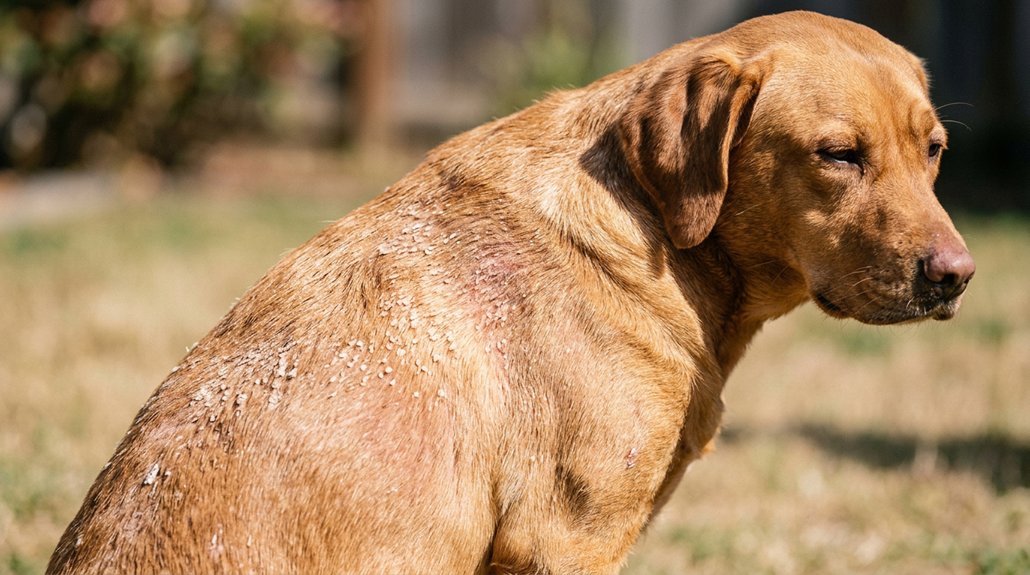
Your dog’s dry or flaky skin can stem from environmental conditions like low humidity, nutritional deficits in essential fatty acids, parasites such as fleas, and allergies, all causing discomfort and skin inflammation. Frequent bathing strips natural oils, exacerbating dryness. Itching, redness, or an unpleasant odor are warning signs. Understanding these factors is essential to maintaining your dog’s skin health effectively. Explore further to learn how to address these issues for a healthier, happier pet.
Key Takeaways
- Seasonal changes and dry indoor air can exacerbate your dog’s skin dryness.
- Nutritional deficiencies in essential fatty acids undermine the skin’s ability to retain moisture.
- Parasites and allergies provoke inflammation, increasing the likelihood of dry, flaky skin.
- Hormonal imbalances disrupt normal skin function, contributing to skin dryness in dogs.
- Frequent bathing strips natural oils, worsening dryness and skin irritation.
Identifying Dry Skin in Dogs: Symptoms and Quick Relief
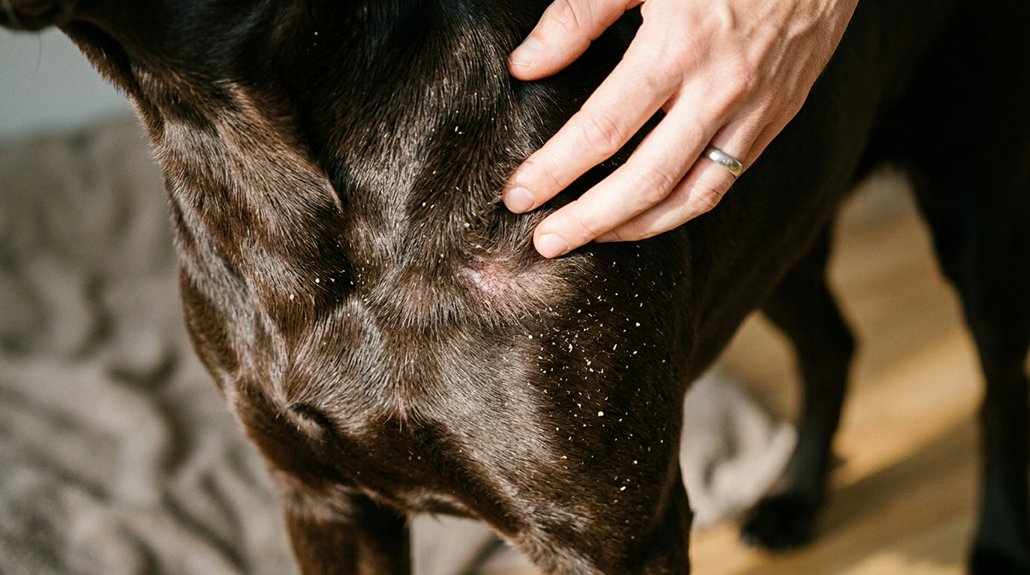
When your dog is dealing with dry skin, you’ll often notice specific symptoms like excessive itching and visible flakes along the back and tail. These signs suggest compromised skin integrity that needs immediate attention. Monitoring your dog’s hydration habits is essential; ensuring they’re consuming the proper amount of water daily aids skin moisture retention. Modify grooming routines to include gentle brushing, promoting skin circulation and reducing flakiness. Observe changes in habits, like increased licking or rubbing against surfaces, which may indicate skin discomfort. Address excessive scratching swiftly to prevent the formation of scabs and sores. Remember, a dull or thinning coat and any unpleasant odors might signal deeper issues, reinforcing the importance of addressing dry skin promptly.
Exploring Common Causes of Dog Dry Skin
Dry skin in dogs can stem from numerous causes, each impacting their comfort and health. Seasonal changes greatly influence skin condition, where dry indoor air during winter exacerbates dryness, highlighting the need for ideal grooming techniques. Nutritional deficiencies, specifically in essential fatty acids, detrimentally affect skin integrity, often resulting in scaling and flakiness. Parasites such as Demodex mites and fleas introduce irritation, causing inflammation and dryness, and require meticulous grooming and preventive measures to alleviate discomfort. Hormonal imbalances like Cushing’s disease and hypothyroidism disrupt normal skin function, manifesting as dry skin, and necessitate professional veterinary intervention for accurate diagnosis and management. Understanding these diverse factors enables you to better manage your dog’s skin health and enhance their overall well-being.
How Allergies Lead to Dog Skin Problems
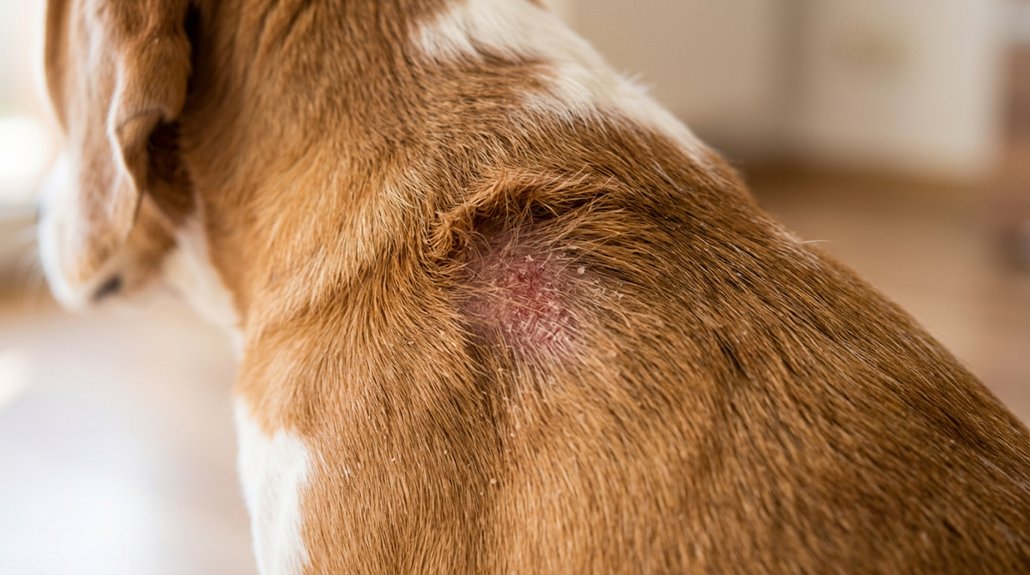
Although allergies often go unnoticed until symptoms worsen, they can greatly impact your dog’s skin health. Food allergies, environmental allergens, and flea allergy dermatitis can lead to significant irritation, manifesting as dryness, flakiness, and itchiness. Flea allergy dermatitis alone affects about 10% of the canine population in the U.S., causing severe discomfort. These allergies provoke an immune response causing inflammation, which disrupts the natural skin barrier. This disruption leads to moisture loss and exacerbates dry skin conditions. Without proper allergy management, conditions can escalate to atopic dermatitis, characterized by constant itching and potential secondary infections. Consulting a veterinarian for an accurate diagnosis is essential in identifying specific allergens and establishing a targeted treatment plan to effectively alleviate these allergic skin reactions.
Understanding Parasites: A Cause of Flaky Dog Skin
While skin issues in dogs can arise from various sources, parasites are a significant cause of flaky skin that you shouldn’t overlook. Parasite identification is vital, as external parasites like fleas, ticks, and mites lead to skin irritation, prompting an immune response that results in dryness and flakiness. Mite infestations, such as those from Cheyletiella or Sarcoptes mites, are known for causing “walking dandruff” and intense itching. Demodex mites, typically harmless, can proliferate if a dog’s immune response is compromised, leading to dry patches and hair loss. Implementing flea control and tick prevention in your dog’s grooming habits is essential to managing these issues. Treatment options should be discussed with your veterinarian to tailor a plan that suits your dog’s specific needs.
Infections: How They Aggravate Dry Skin in Dogs
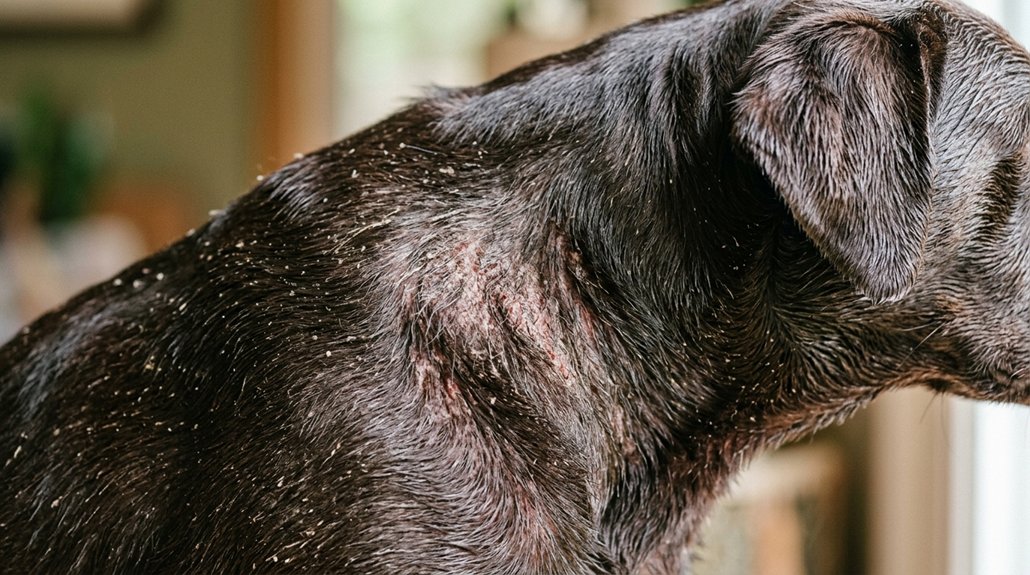
Infections play an essential role in aggravating dry skin conditions in dogs, often becoming the hidden culprits beneath flaky skin. Bacterial infections can lead to redness, scabs, and excessive itching. If not promptly addressed, fungal infections like ringworm cause skin irritation and secondary complications, worsening dryness. External parasites, including Demodex mites and Cheyletiella, mimic other skin problems and exacerbate skin irritants. Accurate diagnosis methods, such as skin scrapings and cytology tests, performed by a veterinarian are important for identifying these issues.
Effective treatment options are crucial to preventing infections from perpetuating cycles of discomfort and dryness. Implementing appropriate prevention strategies can greatly reduce the risk of these infections developing, ensuring your dog maintains healthy, unblemished skin.
Linking Systemic Disorders to Skin Issues in Dogs
When systemic disorders like Cushing’s disease and hypothyroidism strike, they can have a profound impact on your dog’s skin health, often resulting in dry and irritated skin due to hormonal imbalances. Conditions such as Cushing’s disease elevate cortisol levels, diminishing skin hydration by reducing sebum production and disrupting the skin’s turnover cycle. The excess cortisol can lead to symptoms like hair thinning and skin lesions. Similarly, hypothyroidism lowers the metabolic rate, compromising nutrient absorption essential for maintaining robust skin hydration and integrity, leaving the skin flaky and susceptible to infections. Accurately diagnosing these disorders is crucial. Addressing the underlying hormonal imbalance will not only enhance skin health but also greatly improve your dog’s overall well-being and health by restoring proper metabolic function.
Breed-Specific Susceptibilities and Skin Health
Dry skin issues in dogs are often linked to breed-specific susceptibilities, as varying anatomical and physiological traits can predispose certain breeds to skin problems. Understanding these breed vulnerabilities is essential for managing your dog’s skin health. Breeds like the Xoloitzcuintli and Chinese Crested lack hair, increasing exposure to environmental irritants. Siberian Huskies and Alaskan Malamutes may suffer from zinc-responsive dermatosis, necessitating dietary adjustments to maintain skin moisture. Here are some important considerations:
- Know your breed’s skin predispositions: This helps in identifying potential hereditary conditions.
- Implement proper skincare practices: Regular cleaning can reduce irritant exposure.
- Consider breed-specific dietary adjustments: This can improve overall skin health.
- Monitor for allergies: Breeds like Boxers may benefit from hypoallergenic diets.
Impact of Nutritional Deficiencies on Your Dog’s Skin
Your dog’s skin health is intricately linked to its diet, as deficiencies in essential fatty acids like omega-3 and omega-6 can impair skin barrier function and hydration. Without a balanced diet rich in crucial vitamins like Vitamin E and minerals such as zinc, your dog may experience increased dryness and skin conditions. Ensuring a diet that’s well-rounded with high-quality nutrients can support the immune system and enhance skin and coat quality, effectively addressing issues stemming from dietary shortcomings.
Essential Fatty Acids Importance
Although often overlooked, vital fatty acids play an integral role in maintaining your dog’s skin health. Deficiencies in omega-3 and omega-6 can lead to dry, flaky skin and increased susceptibility to irritations and allergies. Making sure your dog receives enough omega-3 sources, like fish oil and flaxseed oil, is essential for reducing inflammation and supporting a shiny coat. Flaxseed benefits include enhancing hydration and skin condition, particularly in dogs with dermatitis.
To maintain your dog’s skin health, consider the following:
- Supplementing with fish oil: Rich in omega-3, it supports skin hydration.
- Including flaxseed oil in the diet: Offers essential fatty acids for reducing dryness.
- Monitoring dietary intake: Regular checks guarantee adequate nutrient levels.
- Consulting a vet: Guidance on tailored supplementation.
Role of Balanced Diet
Understanding the role of a balanced diet is fundamental when addressing your dog’s skin health. Nutritional deficiencies, especially in essential fatty acids like omega-3 and omega-6, can lead to dryness and flakiness. Adhering to dietary guidelines guarantees your dog gets high-quality proteins vital for skin repair. Holistic approaches emphasize both nutrition and hydration as essential. A lack of proper hydration exacerbates dry skin conditions.
Here’s a quick guideline:
| Nutrient Type | Importance |
|---|---|
| Essential Fatty Acids | Supports healthy skin and coat |
| High-Quality Proteins | Aids in skin repair and regeneration |
| Vitamins A & E | Contributes to overall skin health |
| Zinc | Prevents symptoms like dry, flaky skin |
| Fresh Water | Maintains hydration, prevents dryness |
Guarantee the alignment of your dog’s diet with its specific nutritional needs for ideal skin health.
Vitamin and Mineral Deficiencies
When a dog’s diet lacks essential vitamins and minerals, its skin might suffer visibly, displaying dryness and irritation. Nutritional deficiencies compromise skin integrity. Without adequate omega-3 and omega-6 fatty acids, dogs risk a weakened skin barrier. Zinc sources are essential to prevent conditions like zinc-responsive dermatosis, leading to scaly patches. Effective vitamin absorption, particularly A, E, and D, is key to maintain skin health and resist infections. Protein quality affects skin texture; insufficient protein intake diminishes skin regeneration, causing dryness and a dull coat. Maintaining mineral balance, including calcium and phosphorus levels, is critical to support normal skin functions. Consider the following:
- Improve zinc sources for dermatological health.
- Boost vitamin absorption efficiency.
- Guarantee optimal fatty acid intake.
- Evaluate protein quality meticulously.
Environmental Factors Exacerbating Dry Dog Skin
Exposure to certain environmental factors can markedly worsen the dryness of your dog’s skin. Low humidity levels, often present during seasonal changes, coupled with indoor heating deteriorate air quality, leading to increased skin irritation. Weather extremes, encompassing hot sun and cold wind, intensify dehydration below the coat’s surface. Grooming habits, especially frequent bathing without adequate moisturizing products, further strip natural oils, exacerbating skin irritants. Environmental stressors like allergens demand precise coat care to preserve skin health.
| Factor | Influence on Dog’s Skin |
|---|---|
| Low Humidity Levels | Reduces skin moisture, increasing dryness and flakiness. |
| Indoor Heating | Decreases air moisture, negatively affecting skin hydration. |
| Extreme Weather | Causes chapping, worsening skin dryness. |
Effective management guarantees ideal skin health in diverse conditions.
When to Visit the Vet for Your Dog’s Skin Concerns
Even with ideal management of environmental factors, some skin conditions in dogs may persist, demanding professional assessment. You might try home remedies or grooming tips, but certain symptoms necessitate veterinary care:
Veterinary care is crucial for persistent skin issues in dogs, despite home remedies and grooming efforts.
- Excessive Scratching: If your dog scratches persistently for more than a few days, seek a vet’s input to rule out infections or allergies.
- Visible Skin Changes: Scabs, sores, or redness on your dog’s skin can signify serious issues requiring immediate veterinary evaluation.
- Coat Alterations: Dullness, thinning, or excessive dandruff suggest the need for a vet’s diagnosis to address potential health concerns.
- Behavioral Changes: Excessive licking or grooming often hints at underlying skin problems, prompting a professional check-up despite at-home treatments.
Persistent cases need expert investigation.
Frequently Asked Questions
What to Do if My Dog’s Skin Is Dry and Flaky?
Start by incorporating home remedies like regular baths with moisturizing shampoos and using a humidifier. Evaluate dietary adjustments to include omega-3s. Regular grooming is essential. If problems persist, don’t delay consulting a veterinarian for expert advice.
What Human Cream Can Be Used on Dogs?
When considering safe creams for dogs, opt for those with skin-soothing ingredients like aloe vera or coconut oil, avoiding fragrances. However, always consult your vet first to guarantee it’s appropriate for your dog’s specific needs.
What Causes a Dog’s Skin to Flake Off?
Your dog’s skin could flake off due to allergies symptoms like excessive scratching, environmental factors such as dry air, or nutritional deficiencies. Consider consulting a vet to identify the underlying cause and explore effective treatment options.
Can I Put Coconut Oil on My Dog’s Flaky Skin?
Sure, go ahead, apply coconut oil on your dog’s dry skin. Who knew nature’s lubricant provides skin moisture and doubles as an aromatic delight? Just remember: organic, unscented, and consult a vet for elusive underlying problems.
Conclusion
In managing your dog’s dry or flaky skin, understanding potential causes and solutions is essential. Could overlooking factors like allergies, parasites, infections, or nutritional deficiencies be exacerbating your pet’s discomfort? By addressing these issues and considering breed-specific susceptibilities, you’re taking the first step toward healthier skin. Don’t forget environmental elements that might play a role. Always consult a vet when conditions persist or worsen, ensuring your beloved canine receives the care they truly deserve.