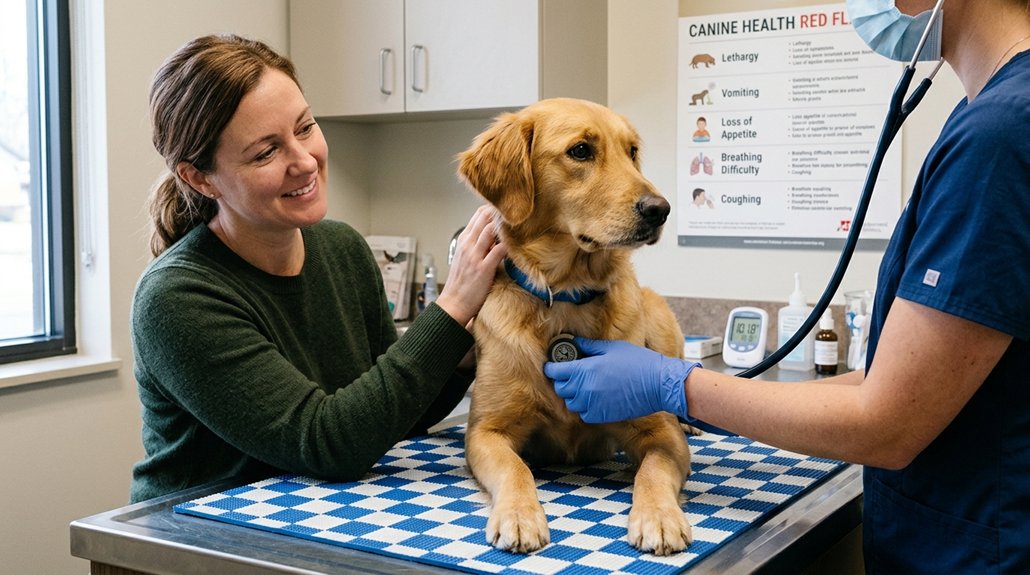
You’ll need to take your dog to the vet when they refuse food for over 24 hours, exhibit excessive thirst, or show severe lethargy. Frequent vomiting, diarrhea, or breathing difficulties also demand immediate care. Guarantee regular check-ups tailored by their life stage: puppies require frequent visits, while seniors need biannual evaluations. Monitor eye health, coat condition, and mobility for early detection of problems. Understanding these guidelines keeps your pet healthy. Explore further to gain thorough insights.
Key Takeaways
- Seek immediate veterinary care if your dog refuses food or experiences vomiting or diarrhea for over 24 hours.
- Visit the vet urgently if your dog displays breathing difficulties, lethargy, or unresponsiveness.
- Schedule regular vet visits for puppies every 3-4 weeks until 4-5 months old, focusing on vaccinations.
- Ensure senior dogs see the vet biannually to manage age-related concerns and chronic conditions.
- Address red or cloudy eyes, or changes in coat condition, which may indicate infections or allergies requiring attention.
Urgent Dog Symptoms and Immediate Actions
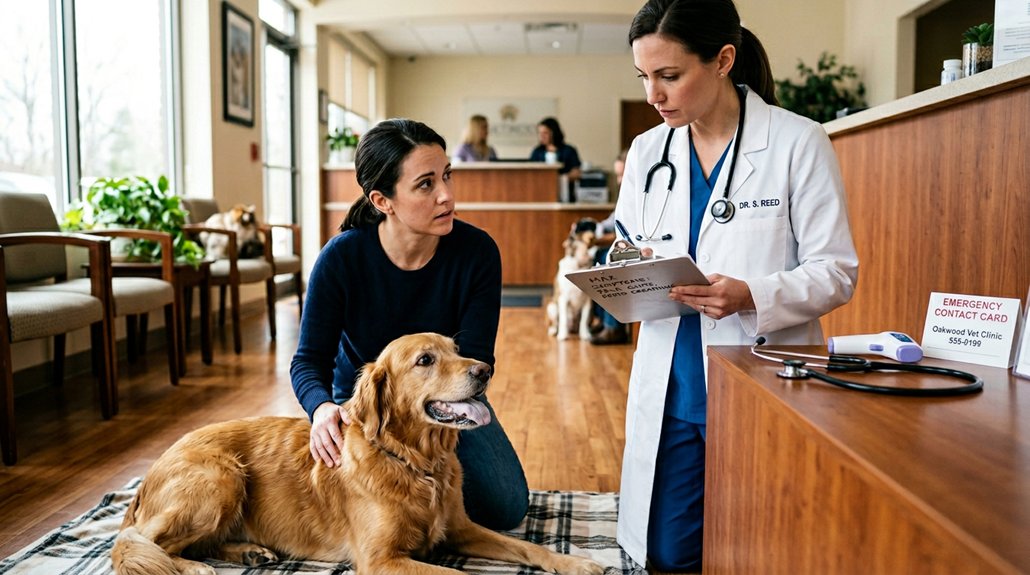
When it comes to your dog’s health, it’s crucial to recognize urgent symptoms that require immediate veterinary attention. If your dog refuses food for over 24 hours or shows excessive thirst without a weather-related cause, these are urgent symptoms necessitating prompt veterinary responses. Lethargy and unresponsiveness could indicate severe underlying conditions demanding immediate care. Also, frequent vomiting, especially if blood is present, or diarrhea persisting beyond a day, need swift intervention to avoid critical dehydration. Difficulties in breathing, severe coughing, or gasping suggest an acute emergency that must be evaluated quickly. Additionally, signs of injuries like uncontrolled bleeding or a bloated abdomen require decisive veterinary responses to mitigate potential life-threatening consequences. Act promptly to secure your dog’s well-being.
Tailored Veterinary Visits: A Guide by Life Stage
Understanding the specific veterinary needs at each life stage of your dog is essential for maintaining their health and well-being. For puppies, make sure they start vet visits at 6-8 weeks old and continue every 3 to 4 weeks for important vaccinations and health checks. As your dog matures into a young adult and eventually a senior, their checkup frequency and healthcare focus will need to adjust, emphasizing preventive care in young adults and more frequent visits for seniors to manage age-related conditions effectively.
Puppy Care Essentials
Ensuring your puppy receives the appropriate veterinary care from the start is vital for fostering a lifetime of health and happiness. Begin with your puppy’s first vet visit at around 6 to 8 weeks for essential puppy vaccinations, deworming, and a thorough health evaluation. Core vaccines—covering distemper, parvovirus, adenovirus, and parainfluenza—are fundamental for protecting against serious diseases. Rabies vaccination should follow at about 16 weeks. These vaccinations, alongside regular visits every 3 to 4 weeks until 4 to 5 months, help bridge the immunity gap left by maternal antibodies. Additionally, early veterinary guidance on puppy socialization is vital, laying the groundwork for well-adjusted behavior. Regular exams can identify potential health issues early, ensuring your pup gets the healthiest start possible.
Young Adult Checkups
For young adult dogs, attentive veterinary care remains essential as it bridges the change from puppyhood to adulthood, ensuring sustained health and well-being. Routine vet visits, scheduled at least annually, focus on preventative care tailored to your dog’s lifestyle and specific needs. By this stage, a nutrition alteration is crucial; veterinarians will guide you in shifting from puppy food to adult formulations that support ideal growth and energy levels. Breeds predisposed to health issues might benefit from biannual checks, enhancing early detection efforts. Key elements of these visits include health screenings for chronic conditions, parasite control, dental hygiene, and vaccinations. Early interventions can greatly enhance your pet’s longevity and quality of life, ensuring health issues are addressed promptly.
Senior Dog Wellness
As dogs mature into their senior years, typically starting at around seven years of age, their healthcare needs evolve in complexity and frequency. It’s essential to schedule vet visits at least every six months to proactively manage age-related concerns. Senior wellness exams are extensive, focusing on blood tests to monitor kidney, liver, and thyroid function, ensuring any issues are caught early. In these visits, discuss senior nutrition adjustments to address changing dietary needs. Additionally, mobility concerns become more prevalent, requiring specialized medications or therapies to maintain quality of life. For stress-free checkups, consider home veterinary services, which can be particularly beneficial. These tailored approaches directly improve the lifespan and comfort of your seasoned canine companion.
Unusual Eating/Drinking Behaviors: Spotting Health Alarms
When should you worry about your dog’s eating and drinking habits? As an authoritative guide, significant health indicators include:
- Appetite changes: Skipping meals for over 24 hours requires veterinary consultation. Two days without eating demands immediate attention.
- Thirst levels: Pay close attention to hydration habits. Excessive thirst may hint at kidney disease or diabetes.
- Stool consistency: Look for changes like dry or bloody stools—markers of potential digestive issues.
- Behavioral shifts: Increased lethargy with altered feeding patterns suggests underlying health problems.
- Persistent excessive drinking: Often a behavioral alarm for serious conditions needing prompt vet evaluation.
Abnormalities in these areas should never be ignored. Recognizing these health indicators early guarantees prompt intervention, safeguarding your dog’s well-being. Timely veterinary assessment can diagnose and address critical health issues efficiently.
Eye and Coat Health Warnings Every Owner Should Know
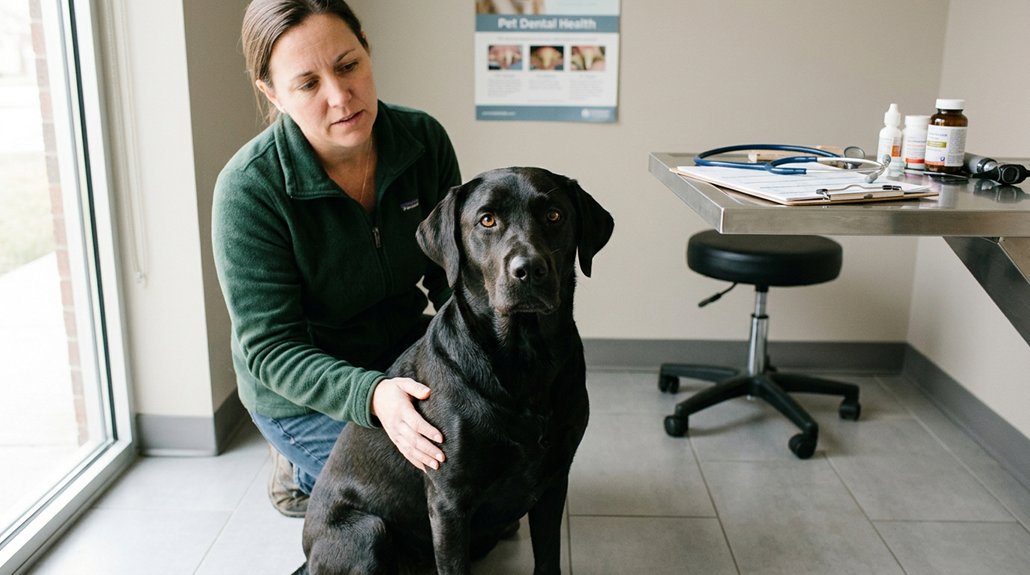
Pay close attention to your dog’s eye and coat conditions, as changes can signal serious underlying health issues requiring prompt veterinary intervention. Red or cloudy eyes, squinting, or frequent pawing could indicate infections or other conditions that might lead to vision loss if untreated. Similarly, monitoring your dog’s coat for dullness, itchiness, or excess shedding is essential, as these symptoms might highlight allergies, skin diseases, or nutritional problems needing professional care.
Symptoms Requiring Immediate Attention
How can you tell when your dog’s eye or coat symptoms require immediate veterinary attention? Recognizing signs of eye infections or coat disorders promptly is essential for your dog’s well-being. If you notice any sudden changes, seek a veterinarian’s advice without delay:
- Red or cloudy eyes: These might indicate eye infections or injuries needing prompt care.
- Squinting or pawing eyes: Your dog may experience discomfort pointing to serious issues.
- Dull or itchy coat: Such changes could signify coat disorders or other underlying health problems.
- Bald patches: Unexplained hair loss demands an urgent examination to prevent further complications.
- Routine coat checks: Any significant alterations should lead to an immediate consultation with your vet.
Early intervention can make a significant difference in maintaining your dog’s health.
Maintaining Healthy Appearance
Ensuring your dog’s eye and coat health is essential for their overall well-being, and regular attention to these aspects can often prevent more serious issues. A vibrant coat luster indicates peak health, while dull, dry fur suggests potential dietary deficiencies or medical conditions. Watch for skin sensitivity signs like excessive itchiness or bald patches which may signal allergies or parasites needing a vet’s attention.
| Symptoms | Possible Causes | Action Required |
|---|---|---|
| Dull, rough coat | Dietary issues | Vet consultation and diet review |
| Excessive itchiness | Allergies, parasites | Immediate veterinary examination |
| Cloudy/red eyes | Infections | Prompt veterinary care |
| Unequal pupil size | Neurological issues | Urgent veterinary evaluation |
Pay attention to your dog’s eyes for squinting or discharge. Regular grooming helps detect early signs of problems.
When Are Stomach Issues a Health Risk?
When exactly do stomach issues become a legitimate health risk for your dog? Understanding the severity of symptoms is essential. While occasional stomach discomfort in dogs is common, repeated episodes should raise concern. Pay attention to the vomiting frequency and consider a vet visit if:
- Vomiting persists frequently or involves blood, indicating serious health problems.
- Diarrhea lasts over 24 hours or contains blood/mucus, suggesting possible infections or parasites.
- Changes in stool consistency, like excessive dryness, could signal underlying issues needing evaluation.
- Lethargy paired with vomiting or diarrhea indicates possible dehydration, requiring urgent attention.
- Rapid weight loss exceeding 10% of body weight signals severe health concerns and calls for immediate veterinary intervention.
Ignoring these signs could lead to complications requiring emergency care.
Is Your Dog Struggling to Move Comfortably?
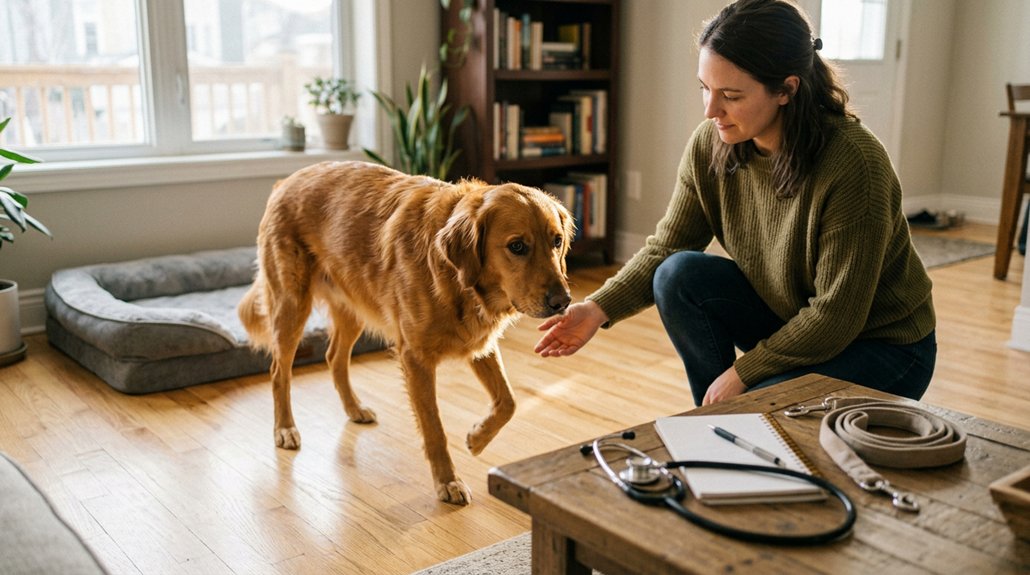
While stomach issues are often a common concern for dog owners, another equally important area of focus should be your dog’s mobility. If you notice signs such as limping, reluctance to walk, or play, these could be mobility challenges indicating injuries or arthritis. Pain indicators like difficulty getting up or lying down may reveal underlying health conditions needing evaluation. Sudden changes in movement or decreased activity, especially in senior dogs, necessitate an immediate vet visit to assess potential age-related disorders. Additionally, if your dog is dragging its rear or experiences difficulty sitting, they might be signaling issues such as anal gland problems. Regularly monitor your dog’s mobility, and consult your veterinarian at the first sign of discomfort for timely intervention.
Top Preventive Veterinary Care Tips for Dogs
Even though your dog might seem perfectly healthy, incorporating preventive veterinary care into their routine is essential for sustaining their well-being over the years. Proactive care guarantees early detection of potential issues and promotes long-term health. Key aspects of preventive care include:
- Preventive vaccinations: Keep your dog’s shots up to date to defend against severe illnesses.
- Regular dental care: Annual dental checks and cleanings prevent infections, as dental disease can lead to broader health issues.
- Routine vet visits: Schedule annual exams, or every six months for seniors, for early illness detection and age-related condition management.
- Balanced diet: Tailor meals to your dog’s age and health needs to enhance immune function and prevent obesity.
- Weight monitoring: Regularly track your dog’s weight and consult with a vet for necessary dietary adjustments.
Frequently Asked Questions
What Is the 3-3-3 Rule for Dogs?
The 3-3-3 rule for dogs guides dog acclimation and puppy integration, outlining a three-phase adjustment: 3 days for initial stress management, 3 weeks for routine adaptation, and 3 months for full settlement, forming bonds and confidence.
What Is the 7 7 7 Rule for Dogs?
“An ounce of prevention is worth a pound of cure.” The 7-7-7 rule helps you track your dog’s health. Monitor for changes over seven hours, seven days, and seven months to guarantee timely veterinary care and well-being.
What Is Silent Pain in Dogs?
Silent pain in dogs refers to discomfort that isn’t easily recognizable. You’re unlikely to see obvious symptoms, but recognizing signs like decreased activity or sensitivity can indicate pain. Regular checks are essential for effective pain recognition and management.
At What Point Do I Take My Dog to the Vet?
You should contact a vet if your dog’s symptom check reveals health signs like refusing food for 24 hours, persistent vomiting, unusual stool changes, excessive thirst, or sudden weight loss. Immediate attention guarantees proper diagnosis and treatment.
Conclusion
When it comes to your dog’s health, staying vigilant is key. Think of your attention to detail like a safety net, catching potential issues before they become serious. Prioritize regular vet visits tailored to your dog’s life stage, and always keep an eye out for unusual behaviors. If something seems off—whether it’s unusual eating habits, mobility issues, or changes in their eyes or coat—don’t hesitate to consult your vet. Prevention and quick action can safeguard your pet’s well-being.