
You’re bound to encounter common dog health problems like ear infections, skin allergies, dental disease, intestinal parasites, kennel cough, and parvovirus. Each condition has distinct signs—from head shaking to hacking coughs and lethargy. Effective management involves regular vet visits, preventive care, and tailored treatments such as vaccinations, dental hygiene, weight control, and parasite prevention. Addressing these issues can markedly improve your dog’s quality of life. Discover strategies to enhance their health and well-being further.
Key Takeaways
- Ear infections, common in dogs with floppy ears, cause head shaking and require regular cleaning and vet care.
- Skin allergies lead to persistent itching and need allergen management, flea prophylaxis, and veterinary assessments.
- Kennel cough is characterized by a dry, honking cough and spreads in communal settings, requiring supportive care.
- Parvovirus prevention involves timely core vaccinations and sanitation; symptoms demand urgent veterinary attention.
- Dental health is crucial, with daily brushing and annual cleanings, as most dogs show signs of dental disease by age three.
Ear Infections in Dogs: Symptoms and Solutions
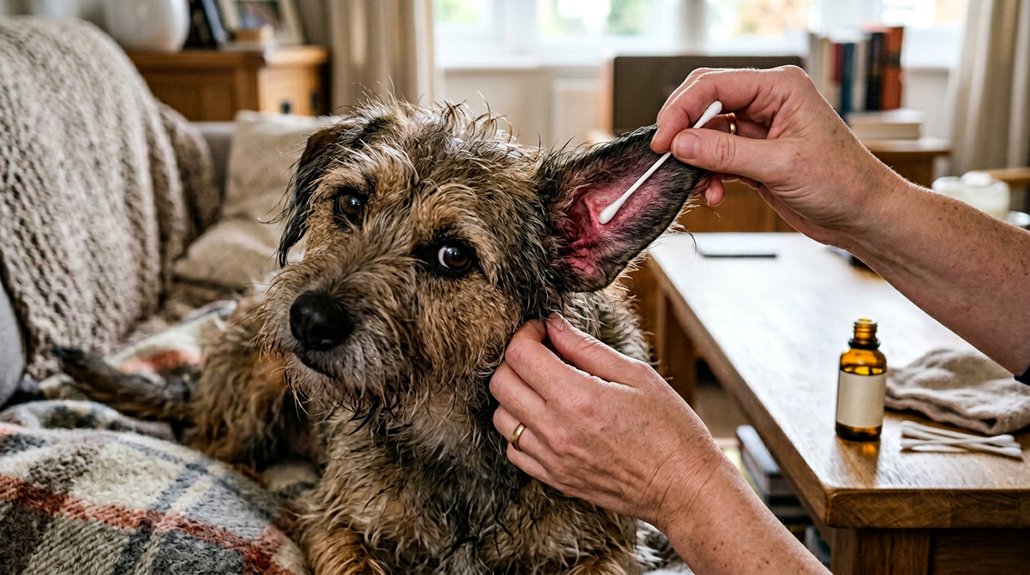
When it comes to canine health, ear infections are a prevalent concern, particularly in breeds with floppy ears or those that enjoy frequent swims. These conditions facilitate moisture and debris entrapment in the ear canal, promoting bacterial and yeast growth. Effective dog ear hygiene is crucial for infection prevention. Regularly clean your dog’s ears using a vet-recommended solution; this helps remove potential irritants. Recognize early signs like head shaking, ear scratching, redness, discharge, or foul odor. Prompt veterinary care is essential to prevent chronic issues, which entails lab analysis of samples and medication. Especially if you own susceptible breeds like Beagles or Cocker Spaniels, consistent monitoring can stave off infections and guarantee your dog’s auditory health remains ideal.
Identifying and Managing Skin Allergies in Dogs
In addressing skin allergies in dogs, it’s essential to recognize common triggers such as environmental allergens, specific food components, and flea bites, all of which can incite symptoms like persistent itching and dermatitis. Managing these conditions involves evidence-based strategies, including allergen avoidance, appropriate flea prophylaxis, nutritional adjustments, and pharmacological interventions like antihistamines. Preventing future episodes necessitates routine veterinary assessments to adjust treatment regimes and guarantee any new irritants are promptly identified and mitigated.
Common Allergy Triggers
Although managing skin allergies in dogs can be challenging, understanding common allergy triggers is essential for effective treatment and prevention. Environmental factors and food allergens play significant roles in triggering allergic reactions. Environmental triggers include pollen, dust mites, and mold, while food allergens often involve beef, dairy, and wheat. Recognizing these triggers helps in identifying and reducing exposure to potential allergens.
Here’s a checklist of potential triggers:
- Environmental factors: Pollen, dust mites, mold.
- Food allergens: Beef, dairy, wheat.
- Symptoms: Intense itching, redness, hair loss.
- Monitoring: Document behavioral changes for your veterinarian.
Effective Treatment Options
Successfully managing skin allergies in dogs often demands a multifaceted approach tailored to the individual canine’s needs. Begin with accurate identification of allergens; this might involve veterinary assessments such as elimination diets or skin tests. With triggers pinpointed, year-round flea control and dietary adjustments become foundational steps. Incorporate holistic remedies like fatty acid supplements which offer immune support and reduce inflammation. Medications such as antihistamines or corticosteroids may be needed to control severe symptoms. Regular baths using hypoallergenic or medicated shampoos effectively alleviate itching by cleansing allergens from the coat. Always consult a veterinarian to devise a thorough treatment plan, ensuring maximum therapeutic efficacy and preventing unnecessary exposure to allergens while enhancing your dog’s well-being and quality of life.
Preventing Future Flare-Ups
While effective treatment is paramount, addressing the prevention of future flare-ups remains a pivotal strategy in managing canine skin allergies. To orchestrate a preventive framework, begin with diligent allergen identification. Understanding whether your dog’s allergies are sparked by pollen, dietary components, or fleas is foundational. Integrating preventive measures can dramatically curtail allergy incidences.
- Regular Flea Control: Implement a consistent flea prevention routine to mitigate flea-induced allergies.
- Dietary Adjustments: Collaborate with your veterinarian to eliminate potential food allergens, customizing a hypoallergenic diet if necessary.
- Environmental Management: Reduce exposure to common triggers like pollen and dust through controlled environments and air purifiers.
- Regular Grooming: Maintain a grooming schedule that guarantees your dog’s coat and skin stay clean and free from potential allergens and irritants.
Maintain vigilance and communication with your vet for long-term allergy control.
Maintaining Healthy Teeth in Your Pets
Guaranteeing ideal dental health for your dog involves a multifaceted approach, given that nearly 80% of dogs display signs of dental disease by age three. Daily tooth brushing, employing proper toothbrush techniques with dog-specific toothpaste, remains the cornerstone of effective oral hygiene. Using a dental diet formulated to reduce plaque is also beneficial, as these foods are prepared to support oral health. Incorporating dental chews or toys can further control plaque and tartar accumulation. Additionally, scheduling professional dental cleanings with your veterinarian annually is essential to manage existing issues and prevent systemic health complications. Be vigilant for indicators of dental disease, such as halitosis, mastication difficulties, or gingivitis, to guarantee timely intervention and maintain your pet’s overall well-being.
Intestinal Parasites in Dogs: Prevention and Care
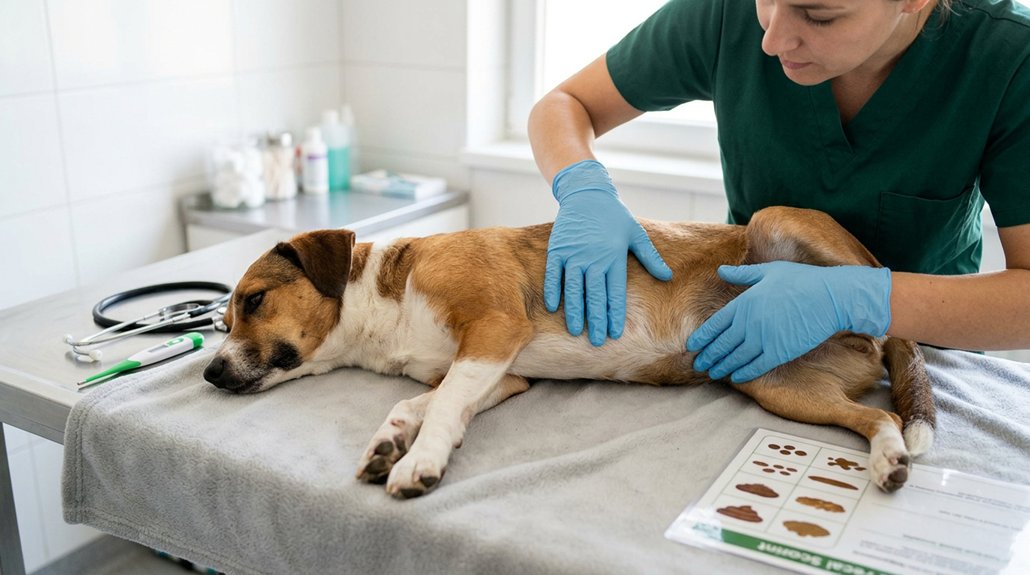
After addressing the dental health needs of your pet, attention must turn to another significant aspect of canine health: intestinal parasites. These parasites—roundworms, hookworms, tapeworms, and whipworms—pose serious health concerns. Symptom recognition is essential; look for diarrhea, weight loss, or a bloated belly. Contracted via contaminated environments, these parasites require stringent sanitation for prevention.
Intestinal parasites like roundworms and tapeworms threaten canine health; watch for diarrhea, weight loss, and bloated belly.
For best prevention and care, consider the following:
- Regular fecal exams to detect infections early.
- Prescription deworming medications as treatment options.
- Maintain routine deworming schedules advised by your veterinarian.
- Prevent exposure to raw or undercooked food.
Ensuring a clean living environment with regular grooming and effective flea control can mitigate infestation risks, safeguarding your dog’s health efficiently.
Recognizing Kennel Cough and Treatment Options
Kennel cough, formally known as canine infectious tracheobronchitis, is a prevalent concern for dog owners with its characteristic dry, hacking cough that resembles a honking sound. Symptom identification also includes nasal discharge and occasionally a mild fever. This condition is driven by viral and bacterial pathogens, primarily Bordetella bronchiseptica. It spreads rapidly via airborne particles in community environments like kennels and dog parks, thereby highlighting the importance of vaccination.
For treatment approaches, supportive care is generally recommended. Administer cough suppressants and guarantee proper hydration and rest. Although most healthy dogs recover within three weeks, you should monitor them for complications such as bronchitis or pneumonia, especially in vulnerable groups like puppies, seniors, or those with preexisting conditions. Severe cases might need antibiotics or advanced interventions.
Parvovirus: Symptoms and Prevention Strategies
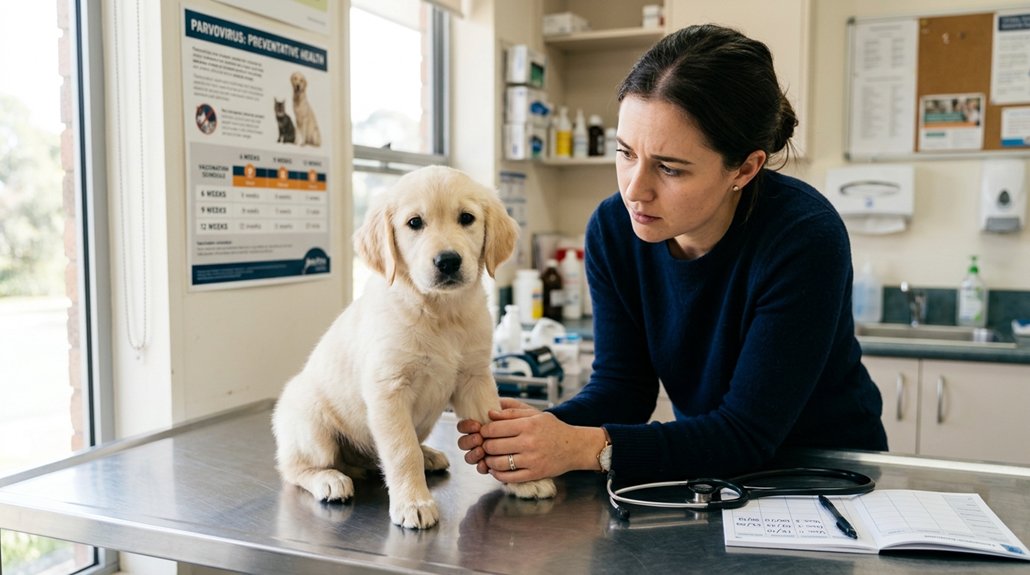
Identifying parvovirus symptoms promptly is critical; you’ll notice signs like lethargy, vomiting, and bloody diarrhea threatening your dog’s well-being. Due to the virus’s tenacity in the environment and rapid transmission through fecal contact, strategic prevention is paramount. Prioritize adherence to vaccination protocols, starting at 6-8 weeks, paired with stringent sanitation practices to robustly mitigate infection risks.
Recognizing Parvovirus Symptoms
Although parvovirus is notorious for its rapid onset and severe impact, recognizing its initial symptoms can be vital in guaranteeing timely medical intervention. Symptoms such as lethargy, vomiting, loss of appetite, and bloody diarrhea signal the necessity for emergency veterinary care. Don’t underestimate the vaccination importance; make sure your puppy gets vaccinated starting at 6-8 weeks, with boosters until 16-20 weeks. Early intervention after noticing symptoms is paramount to recovery, given the virus’s severe effect on the intestinal tract and immune system. It’s transmitted via contact with infected feces, persisting in environments for months.
- Lethargy: Sudden and extreme fatigue.
- Vomiting: Frequent vomiting episodes.
- Bloody diarrhea: Loose stools with blood.
- Loss of appetite: Refusal to eat.
Effective Parvovirus Prevention Strategies
Understanding the significance of early identification and treatment leads us directly to the topic of effective parvovirus prevention strategies. Prioritize puppy vaccination as the cornerstone of protection. Initiate core vaccinations at six to eight weeks, continuing with boosters until 16-20 weeks, and a follow-up at one year. This regimen guarantees robust immunity against the highly contagious virus. Alongside vaccination, rigorous feces sanitation is imperative. Parvovirus spreads through contact with infected feces and persists in the environment, making thorough cleaning essential. Regularly sanitize areas where dogs defecate to diminish the risk of viral transmission. If symptoms such as lethargy, vomiting, or bloody diarrhea appear, seek immediate veterinary care. Timely intervention is vital for improving survival rates in infected puppies.
Managing Obesity in Dogs: Prevention and Treatment
While obesity in dogs is a prevalent concern, impacting approximately 30-60% of canines, it can be effectively managed through careful prevention and treatment strategies. Prioritize these:
Obesity in dogs affects 30-60% of canines but can be managed with effective strategies.
- Caloric control is essential. Tailor your dog’s diet with careful portion regulation and high-quality ingredients.
- Establish consistent exercise routines. Engage your dog in daily walks and playful activities to support physical fitness and cognitive health.
- Routine weight assessments are crucial. Regularly check your dog’s body condition score (BCS), aiming for an ideal score of 4-5 out of 9.
- Schedule veterinary consultations. A vet’s guidance in crafting a personalized weight management plan guarantees your dog’s health, particularly if obesity is already present.
Addressing obesity minimizes risks of associated conditions, promoting longevity and wellness in your furry friend.
Spotting Arthritis in Dogs: Signs and Management
Arthritis, a degenerative joint disease, plagues a substantial number of aging dogs, noticeably impacting their mobility and quality of life. Your pooch might show signs like stiffness after rest, limping, or decreased activity, all affecting their dog mobility. Diagnosis typically involves a thorough veterinary examination, including radiographs to assess the severity. Effective management focuses on pain management and enhancing mobility through joint supplements, and modifying exercise routines. Maintaining a healthy weight is essential, as it reduces joint stress. Early intervention is vital; it not only alleviates discomfort but also improves life quality. Regular veterinary check-ups allow for timely adjustments in treatment, particularly in larger breeds prone to hip and elbow dysplasia, such as Labrador Retrievers and German Shepherds.
Frequently Asked Questions
What Is the 7 7 7 Rule for Dogs?
The 7 7 7 Rule explains dog aging: one human year equals seven dog years. It’s essential for pet wellness, though differences in breed and size matter. Smaller dogs often age slower, affecting their health management strategies.
What Is the Most Common Health Problem for Dogs?
Gum disease is the top culprit plaguing dogs, more rampant than airborne ear infections, lurking canine diabetes, sneakily developing hip dysplasia, or the silent march of heart disease. Regular dental care’s essential for your pup’s health!
What Is “I Love You” in Dog Language?
“I love you” in dog language is expressed through coordinated barking signals and tail wagging. A relaxed tail wag combined with gentle eye contact and a soft vocalization clinically indicates an affectionate bond, supported by evidence-based behavioral studies.
What Is the Silent Killer of Dogs?
The silent killer of dogs is often cancer, but don’t overlook heart disease or kidney failure. Obesity increases risks of respiratory and neurological disorders. Parasite infestations and dental issues can exacerbate underlying problems, all requiring vigilance and timely intervention.
Conclusion
As a conscientious dog owner, you’re now equipped with the knowledge to tackle common health issues like ear infections, skin allergies, and obesity. You might worry about the complexity of managing these conditions, but with vigilance and professional guidance, evidence shows timely intervention can greatly mitigate risks. Regular vet check-ups and preventive care—such as dental hygiene and parasite control—are clinically proven to enhance your pet’s well-being, ensuring they lead a long, healthy life by your side.