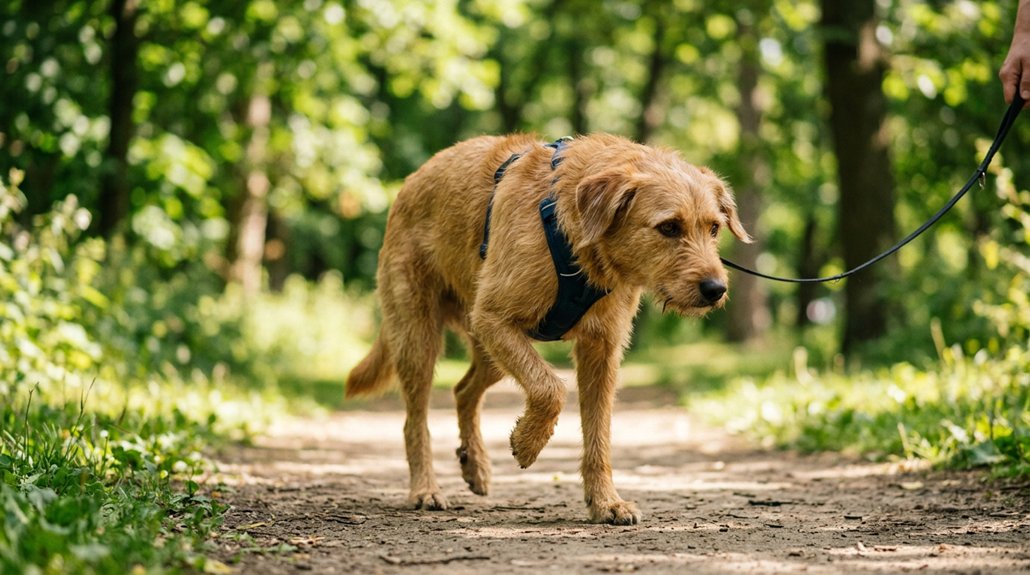
If your dog is limping, it may be due to muscle strains, joint injuries, or conditions like arthritis. Immediate veterinary care is essential if they refuse to bear weight, show severe pain, or if the limp persists beyond 24 hours with additional symptoms like fever or behavioral changes. Mild cases may benefit from rest and cold compresses. Observing for signs of serious complications is key, and seeking professional evaluation can provide further insights into care and prevention.
Key Takeaways
- Limping can be due to muscle strains, fractures, joint injuries, or conditions like osteoarthritis.
- Immediate veterinary care is crucial if your dog refuses to bear weight or exhibits severe symptoms.
- Check for swelling, visible deformities, or open wounds indicating potential serious injuries.
- Persistent limping beyond 24 hours, especially with fever, necessitates professional evaluation.
- Evaluate for lodged foreign objects in paws, which may cause limping and require urgent attention.
Is My Dog’s Limp Serious? Key Evaluation Tips
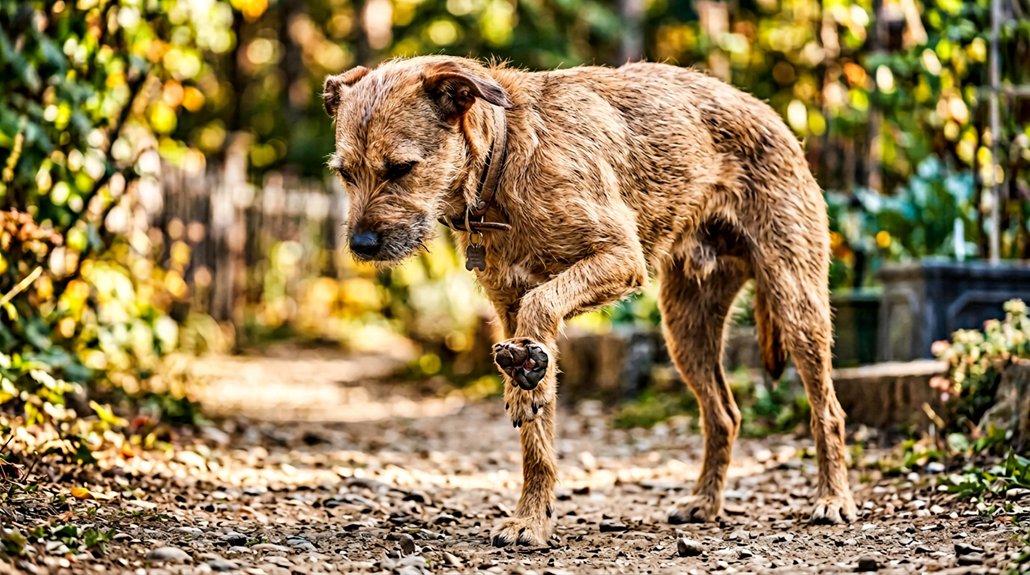
When should you be worried about your dog’s limp? It’s crucial to assess the severity through pain assessment and understanding dog anatomy. If your dog refuses to bear weight or exhibits severe pain, immediate veterinary care is imperative. Monitor if the limp persists for more than 24 hours without improvement; this warrants professional evaluation. Be vigilant for additional signs of concern such as swelling, vocalization, or behavioral changes, suggesting serious issues. Analyzing your dog’s anatomy for signs of hot limbs or severe swelling can indicate inflammation needing prompt attention. Always consult a veterinarian if limping follows significant trauma like a fall or fight, as these events can cause complications requiring expert intervention to guarantee your dog’s health and well-being.
Understanding Why Dogs Limp: Causes and Signs
Although dogs may exhibit limping for various reasons, identifying the root cause is vital for effective treatment. Limping causes can range from muscle strains, sprains, and joint injuries to conditions like osteoarthritis or ligament tears. Evaluating the severity and duration of the limp is essential. Mild limping might suggest minor issues, while severe cases require immediate veterinary attention. Conduct an examination of accompanying symptoms such as vocalization, swelling, or a refusal to bear weight. These signs indicate urgency and the need for professional care. Monitoring behavior changes, pain levels, and additional symptoms closely can guide whether a veterinary visit is necessary. A thorough veterinary examination, possibly involving X-rays, is often required to accurately diagnose and address the underlying issue.
Common Causes of Dog Limping You Should Know
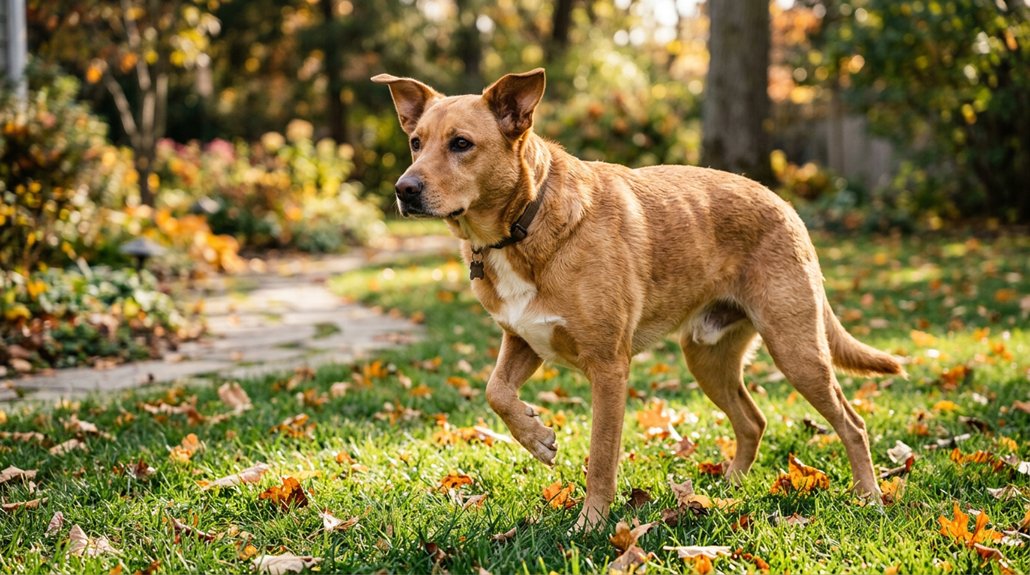
When your dog starts limping, it’s essential to understand the common causes that could be behind it. Injuries from accidents or strenuous activities often lead to issues like cranial cruciate ligament tears or muscle strains. Additionally, joint and bone conditions, such as osteoarthritis or luxating patella, and even foreign objects embedded in the paws, can greatly contribute to this problem, necessitating careful assessment and possibly veterinary care.
Injury From Accidents
Accidents frequently lead to injuries in dogs, often becoming a primary cause of limping due to sprains, strains, or fractures sustained during falls, collisions, or rough play. Accidental injuries can complicate your dog’s mobility and may require focused trauma recovery efforts. Recognizing common symptoms helps guarantee timely intervention:
- Cruciate Ligament Tears: Sporting breeds often suffer these painful injuries from sudden movements, leading to severe limping.
- Joint Dislocations: Typically due to trauma, they present as sudden, pronounced limping with the limb held at odd angles.
- Localized Paw Injuries: Torn toenails or stuck foreign objects can cause distressing limping.
Visible signs like swelling or deformities demand urgent veterinary care. Effective management of these conditions reduces further risks and enhances recovery prospects. Proactive attention guarantees your dog’s quick return to normal activities.
Joint and Bone Conditions
Joint and bone conditions are critical factors causing dog limping, and understanding these can aid in effective management. Joint inflammation, particularly due to osteoarthritis, often results in chronic limping in older dogs. Pain and swelling in the joints diminish their mobility. Ligament tears, like cranial cruciate ligament tears, are prevalent in active dogs, paralleling human ACL injuries, leading to persistent limping. Patellar luxation, common in small breeds, occurs when the kneecap shifts out of place, causing intermittent limping or skipping. Additionally, carpal instability, or canine carpal hyperextension, affects forelimb stability, causing discomfort and limping due to stress on the carpus joint. Trauma-induced fractures or dislocations may also result in immediate and severe limping, necessitating urgent veterinary evaluation.
Foreign Object Issues
- Visible Discomfort: Your dog may excessively lick or chew at the affected paw, indicating irritation and distress.
- Swelling and Bleeding: Foreign objects may cause swelling or bleeding around the area; immediate inspection is essential to prevent worsening injury.
- Insect Bites or Stings: These can also cause localized pain and inflammation, prompting limping as your dog tries to comfort themselves.
Prompt removal by a veterinarian is key to paw injury prevention and guarantees quicker recovery by mitigating risks of infection.
Recognizing When Your Dog Needs Emergency Care
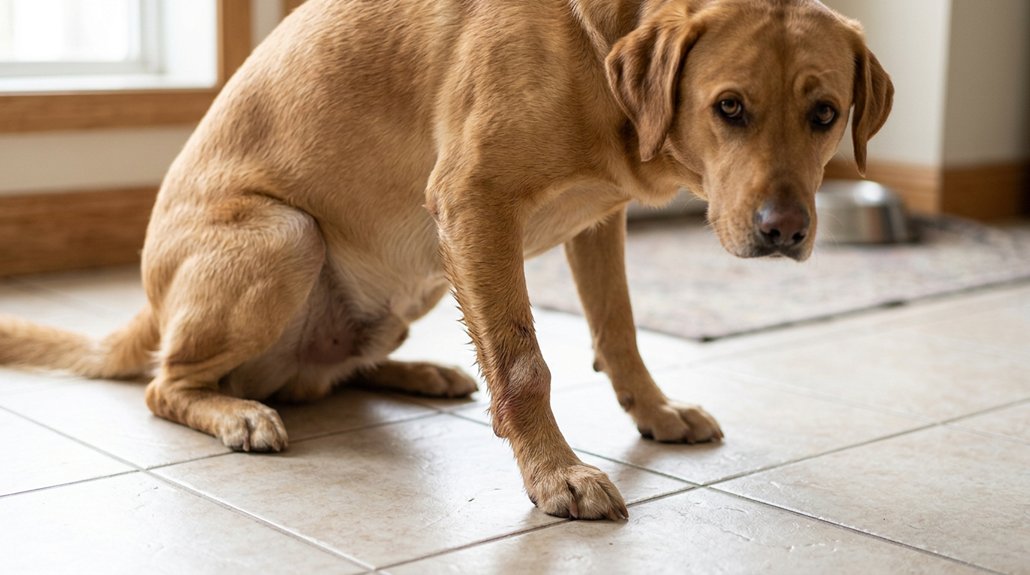
How do you know when a limping dog requires emergency care? As an observer, behavior changes such as refusal to bear weight on the affected limb are critical injury indications demanding urgent attention. Acute conditions are often flagged by visible swelling, deformities, or open wounds, suggesting potential fractures or severe trauma. Yelping when you touch or move the limb is a clear signal of extreme pain that necessitates immediate veterinary evaluation.
Moreover, any limp following trauma—like a fall, dog fight, or car accident—warrants prompt care to rule out significant injuries. Additionally, if your dog’s limping persists beyond 24 hours, especially with fever or a noticeably hot limb, seek urgent veterinary assistance. These signs all indicate scenarios that require a professional’s immediate assessment.
At-Home Care: Managing a Limping Dog Safely
Managing a limping dog at home requires you to first assess the severity of the injury by examining the affected limb for any abnormalities like cuts or swelling, guaranteeing minimal discomfort during this process. It’s essential to provide a rest period for your dog to facilitate healing and prevent further strain. Monitor their condition closely, and if there’s no improvement within 24 hours, seek veterinary assistance to guarantee proper care.
Assess Injury Severity
When evaluating the severity of your dog’s limp, determining the duration and intensity is essential. Conduct a thorough limp assessment, focusing on these injury indicators:
- Persistent Limp: If the limp lasts over 24 hours or is severe, seek veterinary advice promptly to rule out serious conditions.
- Visible Injuries: Examine the affected limb for cuts, swelling, or foreign objects causing discomfort. Immediate attention may be necessary if visible injuries are present.
- Behavioral Signs: Look for signs of pain, such as vocalization, reluctance to move, or favoring the injured limb. These may signify deeper issues needing professional evaluation.
Limit movement to prevent exacerbation and provide a soothing environment. Avoid using over-the-counter medications; choose ice therapy cautiously for managing swelling.
Provide Rest Period
While addressing your dog’s limp, ensuring a sufficient rest period is essential to effective recovery and preventing further injury. Implement resting strategies by providing a safe, comfortable environment that minimizes movement. Designate an area with soft bedding, away from household activity. Limit exercise to short, controlled leash walks, ensuring the affected limb isn’t stressed. Monitor your dog closely for any changes in behavior, appetite, or the limp’s severity, as these could signify complications that warrant veterinary consultation. Apply a cold compress to the injured area to alleviate swelling, but follow veterinary guidance for this treatment. Additionally, refrain from administering any over-the-counter pain medications without professional advice, as some human drugs can be harmful to dogs.
Exploring Treatments: From Home Solutions to Vet Help
If your dog is limping, it’s crucial to determine the best course of action based on the severity of the condition. Start with home remedies for mild cases:
- Rest and Cold Compresses: Limit your dog’s activity and apply cold compresses to reduce inflammation, observing for 24-48 hours.
- Monitor for Symptoms: Check for worsening signs like severe pain, swelling, or visible injuries.
- Vet Options: If limping persists or severe symptoms appear, seek professional veterinary assistance. Treatment may involve NSAIDs, surgery, or physical therapy.
Additionally, consider joint health supplements, such as glucosamine and omega-3s, to aid recovery and prevent future limping, particularly in older dogs or those with joint issues. Regular vet check-ups can help in early detection and preventive care.
How Vets Diagnose Dog Limping: What Happens at the Clinic
At the veterinary clinic, diagnosis of a dog’s limping often starts with an extensive review of its health history, which includes evaluating the animal’s activity level and recent incidents that might have caused an injury. This review forms the basis for effective diagnostic techniques. You can expect a thorough physical examination focusing on the affected limb to assess pain, swelling, and range of motion, identifying injury location and severity. Diagnostic imaging such as X-rays or MRIs is utilized to uncover hidden bone or soft tissue issues. Blood tests might be ordered to rule out infections or underlying conditions. Based on these findings, the veterinarian develops a tailored treatment plan, which may include medication, rest, physical therapy, or surgical referral if necessary.
Preventing Limping: Tips to Keep Your Dog Healthy
After effective diagnosis at the clinic, proactive measures are essential to prevent future episodes of limping in your dog. Maintaining a thorough wellness strategy can safeguard your pet’s health. Here’s what you can do:
- Nutritional Supplements: Guarantee a balanced diet with essential supplements to support joint health and overall vitality.
- Exercise Routines: Implement consistent, safe routines to build muscle and reduce the risk of limping-related injuries. Always use a leash in unsecured areas.
- Regular Maintenance: Schedule nail trimming every 2 to 4 weeks and keep up with flea and tick preventives to protect against injuries and disease.
Furthermore, regular weight management is crucial. Keeping your dog at a healthy weight considerably reduces joint stress, thwarting potential limping episodes.
Typical Duration of a Limp in Dogs and What to Expect
When evaluating how long a dog’s limp might persist, the specific cause and severity largely determine the timeline. Short term limping, typically due to minor injuries, may resolve in a few days. However, should limping persist for over 24 hours without signs of improvement, seek a veterinary evaluation to rule out more serious issues. Long term limping, lasting two weeks or more, often indicates chronic conditions such as osteoarthritis or fractures. These require veterinary consultation to develop a management plan. In some cases, dogs might experience intermittent limping due to underlying conditions like arthritis, where factors such as activity level and weather can exacerbate symptoms. Monitoring for swelling or pain can aid in understanding the limp’s duration and severity.
Frequently Asked Questions
How to Tell if a Dog’s Limp Is Serious?
To determine if a dog’s limp is serious, observe for persistent duration, inability to bear weight, swelling, and signs of pain such as yelping. Evaluate if the causes of limping include severe injury or underlying health issues.
How Do I Treat My Limping Dog at Home?
Sure, why not turn into a canine physiotherapist overnight? Start with home remedies: rest, icing, and gentle exercises. Monitor their condition. If they’re not magically cured, perhaps schedule that all-important vet visit. You knew that already, right?
What Is the 10 Minute Rule for Dogs?
The 10 Minute Rule advises observing dog injury signs. If after 10 minutes of rest your dog still limps, it could suggest potential canine joint health issues, necessitating a prompt veterinary consultation to prevent further complications.
How Long Is Too Long for a Dog to Be Limping?
If your dog’s limping lasts over 24 hours without improvement, consult a vet. Common causes and signs of injury like swelling or inability to bear weight warrant professional evaluation to determine severity and appropriate treatment.
Conclusion
In understanding dog limping, you assess the signs, recognize the causes, and determine if it’s serious. You monitor for signs needing emergency care, manage minor limps at home, and explore treatment options. At the vet, you gain insights into diagnosis and treatment, guaranteeing thorough care. By preventing injuries, maintaining health, and acting promptly, you can enhance your dog’s well-being. Remember, a prompt response leads to quicker recovery; attentive care guarantees your dog’s comfort and health.