You should be aware of common cat health problems like dental disease, chronic kidney disease, hyperthyroidism, diabetes, and Feline Lower Urinary Tract Disease (FLUTD). Behavioral changes, appetite shifts, and urination difficulties can signal illnesses. Oral hygiene is essential for overall health, while regular vet check-ups aid early detection and management of chronic conditions. Knowledge of symptoms and prompt intervention can prevent severe outcomes. There’s more to learn about effective management and preventive measures.
Key Takeaways
- Behavioral changes in cats, such as increased hiding or less grooming, can indicate underlying health issues.
- Dental disease is common in cats, often going undetected until advanced stages, emphasizing the need for regular check-ups.
- Chronic conditions like Chronic Kidney Disease require monitoring for symptoms like increased thirst and weight loss.
- Feline Lower Urinary Tract Disease presents with symptoms like straining to urinate, which needs immediate veterinary attention.
- Hyperthyroidism often causes weight loss and increased appetite, necessitating regular blood tests for early detection and management.
Signs You Shouldn’t Ignore: Recognizing Cat Illness Symptoms
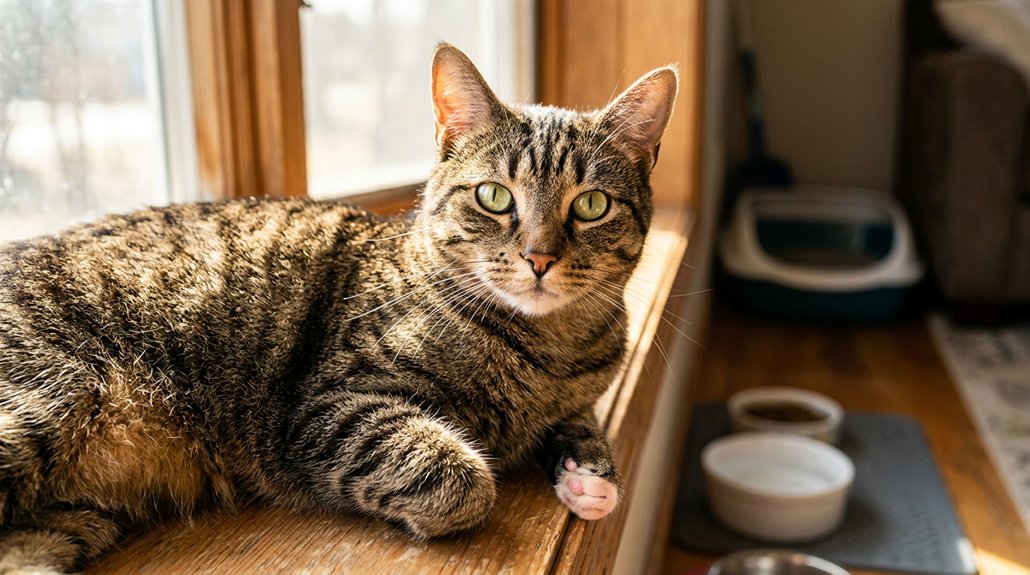
While cats often conceal signs of illness instinctively, it’s essential for you to recognize subtle changes that might indicate a health issue. Carefully observing behavioral changes is key, as increased hiding, reduced grooming, and alterations in drinking habits can suggest underlying problems. Appetite shifts are another important indicator—loss of appetite and sudden weight changes often signal distress. Consistent vigilance is critical; cats might sleep longer or show decreased playfulness, pointing to potential health concerns. Difficulty urinating or straining in the litter box could signify Feline Lower Urinary Tract Disease (FLUTD), demanding immediate veterinary intervention. Regular vet check-ups enhance early detection, especially in senior cats, ensuring timely treatment and better health outcomes. Your proactive attention can prevent minor symptoms from escalating into significant health issues.
Tips for Healthy Cat Teeth: Preventing Dental Disease
Although often overlooked, maintaining your cat’s oral hygiene is essential to their overall health. Implement effective cat toothbrushing techniques by using a soft-bristled pet toothbrush and feline toothpaste to brush your cat’s teeth several times a week. Aim for daily cleaning, focusing on areas where plaque accumulates. Regular dental checkups are vital, as many cats show no signs of dental disease until it’s advanced. Utilize dental health products, such as treats or commercial diets, specifically designed to enhance oral health and reduce tartar. Early recognition of symptoms like bad breath or inflamed gums helps prevent severe conditions that affect not only the mouth but potentially the heart and kidneys. Prioritize preventative care to maintain your cat’s dental wellness.
Strategies for Managing Chronic Kidney Disease in Cats
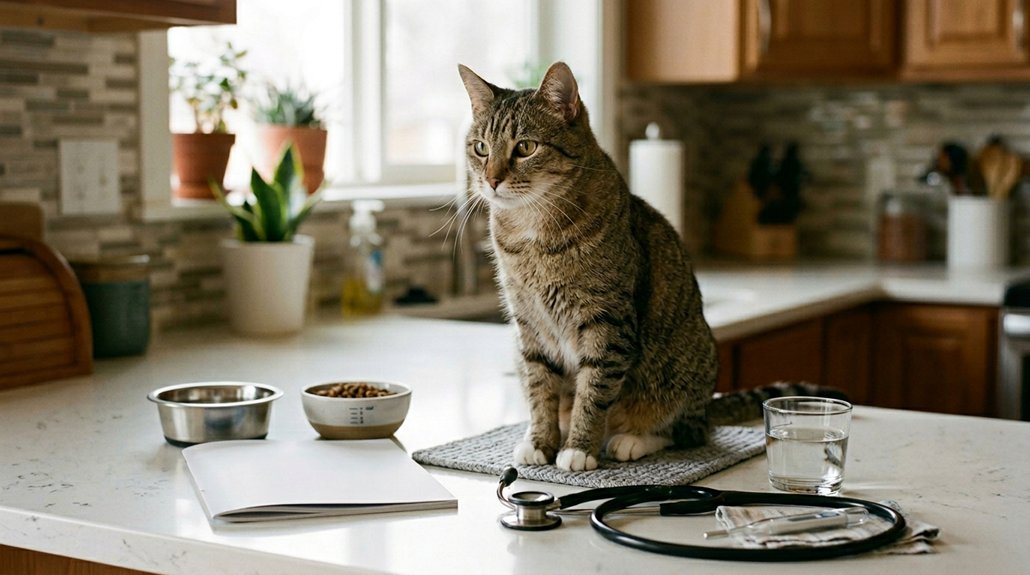
To effectively manage Chronic Kidney Disease (CKD) in your cat, it’s essential to first identify symptoms like increased thirst, urination, weight loss, and poor appetite. Implementing a dietary regimen low in phosphorus and protein is important, as it can slow disease progression and improve your cat’s quality of life. Ensuring adequate hydration by providing wet food or encouraging more water intake also supports kidney function and mitigates dehydration risks.
Identifying Disease Symptoms
Detecting early symptoms of Chronic Kidney Disease (CKD) in cats is essential for effective management and improving their quality of life. Early detection and symptom awareness can considerably aid in identifying CKD, which often manifests as increased thirst and urination, weight loss, poor appetite, and vomiting. Regular veterinary checkups are critical, particularly for senior cats, as CKD is a progressive disease common in older felines. Vets can monitor changes in your cat’s health, catch early signs, and implement necessary interventions. Be vigilant of subtle symptoms and report any changes to your vet promptly. Consistent veterinary care and keen observation can lead to timely diagnosis, fundamental for slowing CKD’s progression and ensuring ideal management strategies are in place.
Implementing Dietary Changes
A kidney-friendly diet is essential in managing chronic kidney disease (CKD) in cats, particularly given the progressive nature of the condition. Nutritional adjustments like lowering phosphorus and protein intake are vital, as these can exacerbate kidney damage. Shifting to canned food not only aids in hydration, but also supports meal planning to optimize nutrient absorption. Omega-3 fatty acids, found in fish oil, contribute to reducing kidney inflammation. Collaborate with a veterinarian to customize the diet plan according to your cat’s age, weight, and disease severity. Implementing these strategies effectively can enhance their overall health while slowing CKD progression.
| Nutritional Element | Benefit | Implementation |
|---|---|---|
| Low Phosphorus & Protein | Minimizes kidney strain | Adjust diet formula |
| Canned Food | Improves hydration | Offer wet meals |
| Omega-3 Fatty Acids | Reduces inflammation in kidneys | Incorporate fish oil supplements |
Providing Hydration Support
Why is hydration so important when managing chronic kidney disease (CKD) in cats? Proper fluid intake is essential as it can slow CKD progression and support renal function. Incorporating effective hydration techniques is fundamental. Start by offering multiple fresh water sources and consider pet water fountains to cater to cats’ water preferences, encouraging increased water consumption. Including wet or canned food boosts moisture intake, further aiding hydration. Additionally, subcutaneous fluid therapy is a direct hydration method, particularly useful for advanced CKD cases. Regular vet check-ups and monitoring urinary output are significant for evaluating hydration levels and adjusting care plans accordingly. Ensuring adequate hydration not only supports kidney health but also enhances your cat’s overall quality of life.
Hyperthyroidism in Cats: Early Detection and Treatment Options
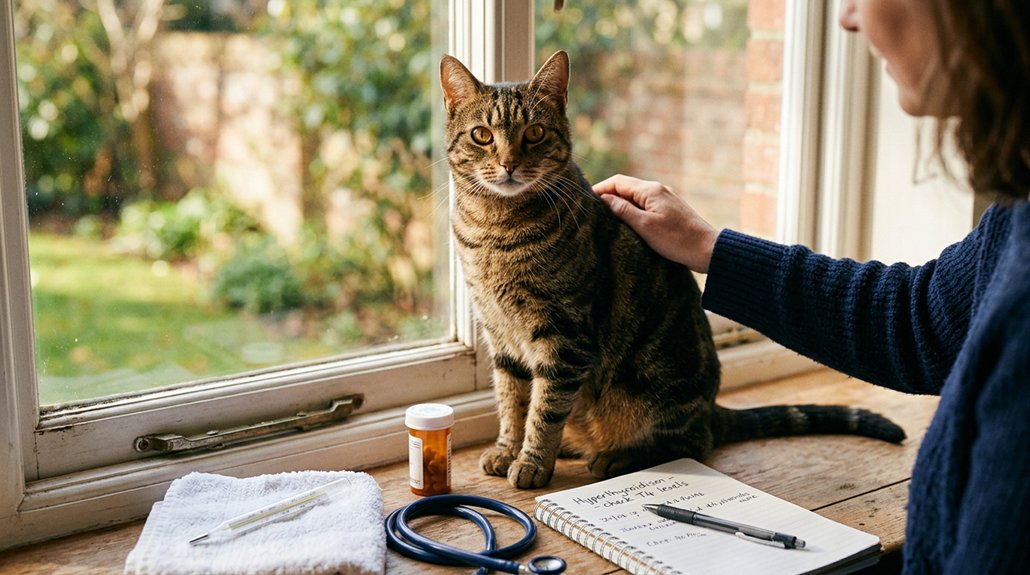
How can you guarantee your feline friend stays healthy as they age? Regular veterinary consultations and vigilant thyroid monitoring are key in detecting hyperthyroidism early. This common endocrine disorder in older cats results from an overproduction of thyroid hormone, often due to a benign tumor. Symptoms like weight loss, increased appetite, restlessness, and rapid heart rate should raise alarms.
| Symptom | Potential Complication |
|---|---|
| Weight Loss | Metabolic Issues |
| Increased Thirst | Heart Disease |
| Rapid Heart Rate | Advanced Complications |
Timely intervention is essential to prevent severe complications. Treatment options include medication to regulate hormones, radioactive iodine therapy to target overactive tissues, and surgical removal of the affected gland. Regular check-ups and blood tests help in adjusting treatment plans, ensuring your cat’s well-being.
Keeping Cat Diabetes in Check: A Guide to Management
While hyperthyroidism remains an important health issue in aging cats, diabetes mellitus equally demands attention due to its impact on feline metabolism. Overweight cats often develop diabetes mellitus due to insulin resistance, which disrupts glucose metabolism. Effective management involves several steps:
Diabetes mellitus in overweight cats disrupts glucose metabolism due to insulin resistance; effective management is crucial.
- Insulin Administration: Regular insulin injections help maintain stable blood sugar levels.
- Glucose Monitoring: Consistent veterinary check-ups are essential for adjusting insulin dosages and dietary plans based on glucose measurements.
- Dietary and Lifestyle Adjustments: Implement a balanced diet and encourage physical activity to support health and stabilize weight.
Recognizing symptoms like increased thirst, urination, and unexplained weight loss can prompt early veterinary intervention. Ensuring adequate hydration and regular glucose monitoring can greatly enhance your cat’s quality of life.
FLUTD in Cats: Recognizing Symptoms and Prevention Tips
To effectively safeguard your cat’s health against Feline Lower Urinary Tract Disease (FLUTD), recognize symptoms like frequent urination, straining, and blood in the urine. Address risk factors such as stress and obesity through environmental enrichment and a balanced diet to prevent FLUTD from developing into life-threatening complications. Early veterinary care and management strategies, including dietary adjustments and stress reduction, are crucial in maintaining your cat’s urinary health.
Symptoms and Warning Signs
Anyone caring for a feline should be vigilant about recognizing the symptoms of Feline Lower Urinary Tract Disease (FLUTD) as early detection is crucial. FLUTD manifests as straining to urinate, frequent urination, blood in urine, and excessive licking of the urinary opening. Feline anxiety is a significant contributor to FLUTD, impacting urinary health and causing severe discomfort. Immediate veterinary consultation is essential as urinary obstruction can be life-threatening. Monitor for these warning signs:
- Frequent Attempts to Urinate: Increases in urination frequency signal potential issues.
- Presence of Blood in Urine: Indicates inflammation or infection.
- Excessive Grooming: Licking the urinary opening is often a reaction to pain or discomfort.
Understanding these symptoms is key to safeguarding your cat’s urinary health.
Prevention and Management Tips
Effectively preventing and managing Feline Lower Urinary Tract Disease (FLUTD) requires a multifaceted approach involving lifestyle modifications and dietary adjustments. Addressing stress management and obesity prevention are essential. Introduce a well-balanced diet rich in moisture, primarily through wet foods, to maintain ideal urinary tract health. It’s vital to keep your cat at a healthy weight to minimize risk factors associated with FLUTD. Regularly providing fresh water encourages hydration, essential in reducing urinary issues. To lower stress, create a calm environment with hiding spaces and toys that engage them mentally and physically. Frequent veterinary check-ups will catch early signs of FLUTD, aiding in timely intervention. These steps collectively help in reducing the likelihood of obstruction in male cats.
Preventing Upper Respiratory Infections: Steps to Take
While maintaining your cat’s health, preventing upper respiratory infections (URIs) should be a top priority, particularly in environments with multiple cats or in shelters. Implementing effective strategies can greatly reduce the risk of URIs. To start:
Prioritize preventing URIs to safeguard your cat’s health, especially in multi-cat settings or shelters.
- Vaccinate: Verify your cat is vaccinated against feline herpesvirus and calicivirus for robust protection.
- Stress Reduction and Environmental Enrichment: Provide environmental enrichment—like toys and scratching posts—and maintain a calm atmosphere to decrease stress, which weakens their immune defenses.
- Limit Exposure and Maintain Hygiene: Prevent contact with infected cats and practice stringent hygiene like washing hands between handling different animals.
Moreover, regular veterinary check-ups can catch URIs early, mitigating severe outcomes. Adequate hydration and nutrition further bolster overall health, aiding quick recovery.
How to Keep Your Cat Parasite-Free: A Guide to Control
A thorough approach to keeping your cat parasite-free involves a few essential steps that contribute greatly to your pet’s overall health. Start by using FDA-approved preventative measures year-round to protect against fleas, ticks, and worms. Schedule regular veterinary check-ups to catch any early signs of parasitic infections like itching, weight loss, or diarrhea. Employ grooming techniques such as routine bathing and combing to eliminate fleas and ticks, especially if your cat frequents outdoor areas. Maintain a clean home environment by vacuuming regularly, washing your cat’s bedding, and applying flea control products as needed. Additionally, a nutritious diet and good hygiene bolster your cat’s immune system, further helping to ward off parasitic threats. By following these guidelines, you guarantee excellent health for your feline friend.
Frequently Asked Questions
What Is the 3-3-3 Rule of Cats?
The 3-3-3 rule provides guidance on a cat’s adjustment period. It outlines feline behavior changes: three days of anxiety, three weeks of exploration, and three months for full integration and security. Your patience supports their adjustment.
What Are the Most Common Health Issues for Cats?
Imagine discovering your beloved cat’s unexpected vulnerability. You’re probably wondering how serious feline diabetes, cat obesity, kidney disease, and respiratory issues like URIs can impact their health. Hyperthyroidism and dental problems silently wreak havoc, demanding your prompt attention.
What Is “I Love You” in Cat Language?
“I love you” in cat language involves feline communication through slow blinking, specific cat vocalizations like purring with kneading, bunting through rubbing, presenting gifts, and shadowing your movements—all indicating a deep bond and trust.
What Color Cat Is Least Desired?
Black cats often face adoption challenges due to preconceived notions and color preferences. Despite their affectionate nature, breed popularity doesn’t favor them, leading to longer wait times at shelters, and sometimes resulting in higher euthanasia rates.
Conclusion
Just like tending to a garden, nurturing your cat’s health is about understanding their needs and preventing problems before they take root. Recognize your cat’s cues as you would a wilting leaf, signaling when it’s time for immediate action. With diligent care, like providing water and sunlight, you can keep ailments at bay. Stay informed and proactive to guarantee your feline companion flourishes, avoiding the thorns of disease that can stealthily sprout if left unchecked.