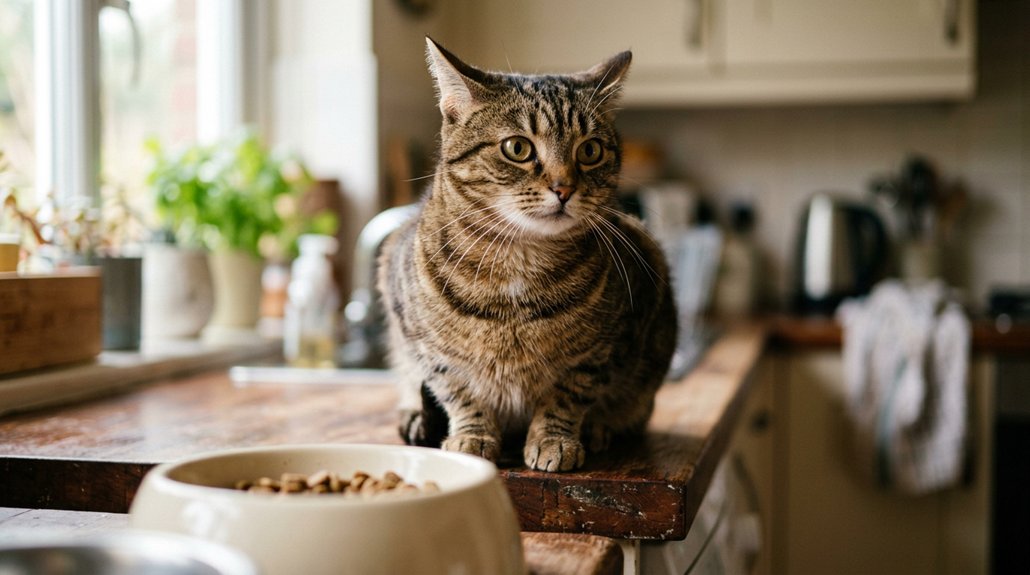
Your cat’s loss of appetite might signal health issues like dental problems, respiratory infections, or gastrointestinal concerns. Notice emergency signs such as labored breathing, vomiting, or yellow gums, and seek veterinary help if your cat hasn’t eaten in over 24 hours, particularly if it’s overweight. Environmental stressors or changes could also affect eating habits, so monitor your cat for other symptoms like anxiety. An understanding of these factors can guide you to a healthier feline companion.
Key Takeaways
- Appetite loss may signify underlying health problems like respiratory infections, dental issues, or gastrointestinal disorders in cats.
- Cats not eating for over 24 hours require urgent veterinary attention, particularly if labored breathing or vomiting occurs.
- Stress from environmental changes or anxiety can impact a cat’s appetite, requiring a calm feeding environment to mitigate.
- Experimenting with aromatic wet food may encourage eating, but persistent appetite loss needs veterinary assessment.
- Extended refusal to eat risks dehydration and organ stress, especially in overweight cats, indicating potential serious health issues.
Common Health Issues That Affect Your Cat’s Appetite
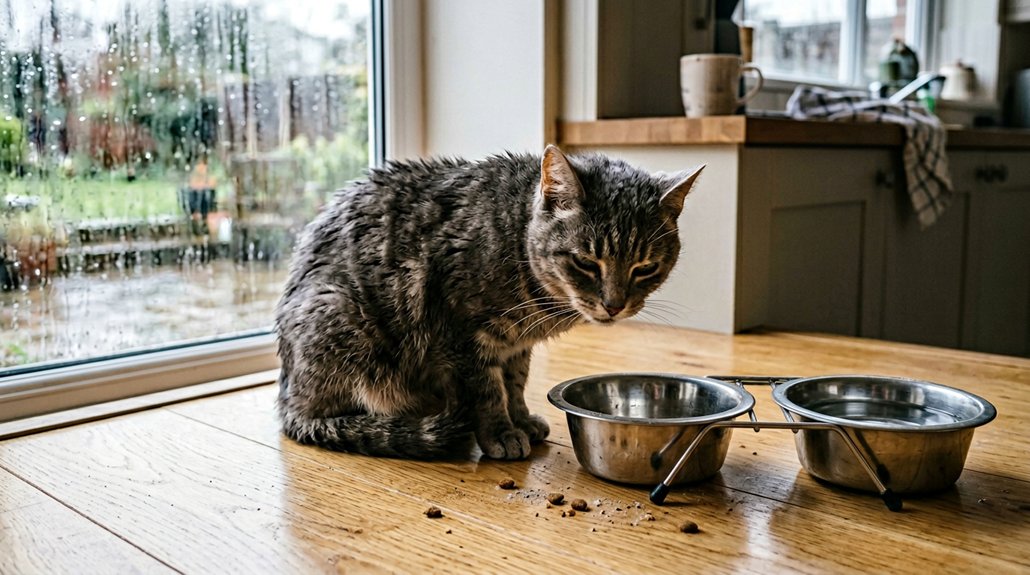
When your cat’s appetite wanes, it may signal underlying health concerns that require your attention. Sickness symptoms are often a primary culprit; upper respiratory infections can dull a cat’s sense of smell, making food less appealing. Dental issues, such as gingivitis and tartar buildup, might cause considerable pain, resulting in bad breath, drooling, and reduced eating. Gastrointestinal problems, including obstructions or inflammatory bowel disease, can also greatly affect appetite. Look for accompanying signs like drooling and nausea. Additionally, congestive heart failure can lead to a decreased appetite, fatigue, and difficulty breathing, often worsened by medications. It’s essential to monitor these symptoms, as early detection and intervention can alleviate discomfort and markedly improve your cat’s quality of life.
Watch for These Emergency Signs
If your cat hasn’t eaten for 24 hours, especially if they’re overweight, it’s time to seek veterinary attention due to the risk of hepatic lipidosis. Be vigilant for signs like labored breathing, vomiting, or extreme weakness, as these behavioral changes need immediate care. Additionally, if you notice your cat straining to urinate or developing yellow gums or eyes, contact a vet right away, as these can signal urgent health emergencies.
Critical Appetite Loss Indicators
A sudden loss of appetite in your cat can be alarming and sometimes signals more severe health conditions that require prompt veterinary attention. Cat health notably relies on monitoring appetite changes. If your cat hasn’t eaten for more than 24 hours, it’s important to consult a vet. Accompanying signs like labored breathing, vomiting, diarrhea, extreme weakness, disorientation, or unusual eye and gum color need immediate attention. These symptoms, combined with not eating, might indicate serious health issues. Kittens and senior cats are particularly at risk, where swift intervention is necessary to avoid rapid health decline. Additionally, straining to urinate without output, alongside appetite loss, is an urgent red flag. Quick action is essential to guarantee your companion returns to wellness.
Emergency Behavioral Changes
Sudden changes in your cat’s behavior should raise concern, as they often accompany severe health issues. It’s essential to act swiftly if your cat shows signs of behavioral stress, such as unusual aggression, lethargy, or disorientation, combined with a lack of appetite for over 24 hours. These are emergency warning signs that necessitate immediate veterinary evaluation. Kittens and senior cats are especially vulnerable, with rapid deterioration likely if not addressed. Watch for labored breathing, vomiting, or hiding alongside appetite loss—these indicate serious underlying conditions. Straining in the litter box or altered urine output should also prompt urgency, as they could signify life-threatening issues.
| Behavior Change | Possible Cause | Action Needed |
|---|---|---|
| Unusual aggression | Pain or discomfort | Consult vet immediately |
| Extreme lethargy | Severe illness | Urgent veterinary care |
| Disorientation | Neurological issue | Immediate evaluation |
| Vomiting or hiding | Toxic ingestion or stress | Emergency intervention |
| Straining in litter | Urinary obstruction | Rapid medical assistance |
Identifying Behavioral and Environmental Factors
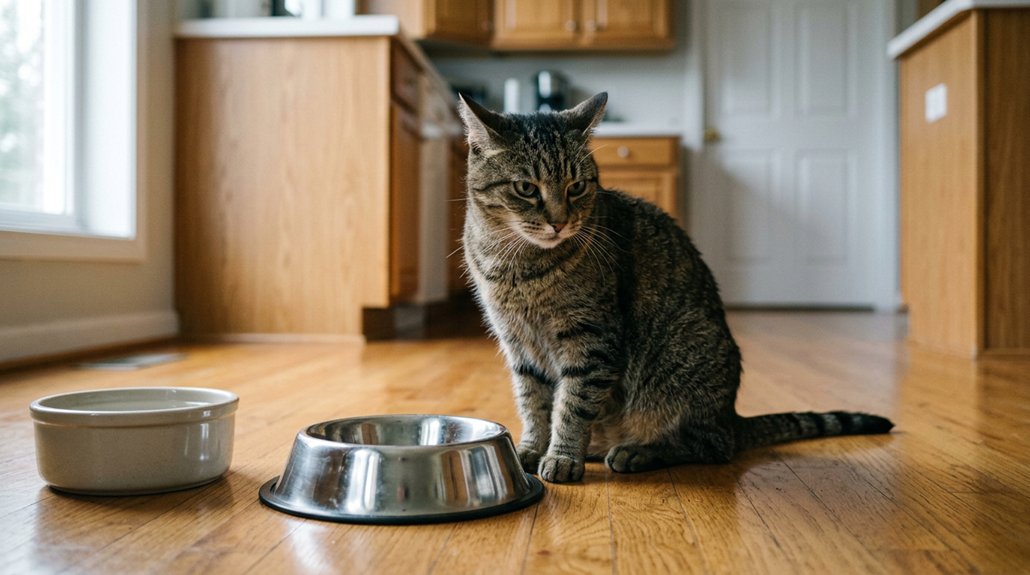
Your cat’s eating habits can be greatly impacted by behavioral and environmental factors, especially due to their preference for routine and stability. Recognizing changes in their eating environment, such as new additions to the household or loud disruptions, is essential as these can induce stress-related appetite loss. By identifying such triggers, you can take steps to create a more secure and comfortable feeding atmosphere for your pet.
Stress-Induced Appetite Loss
Several factors can contribute to stress-induced appetite loss in cats, making it vital to identify the underlying behavioral and environmental issues. Environmental changes, like moving or the arrival of new pets, can greatly disrupt your cat’s routine. Similarly, construction noise or alterations in their surroundings lead to anxiety, while emotional support becomes essential. Emotional factors, including anxiety and depression, may also diminish your cat’s willingness to eat. Recognizing signs of stress and providing a stable, quiet environment can help mitigate these issues. Observe if other pets create competition during meals, as this can increase anxiety. It’s important to track behavioral changes and stress triggers since prolonged appetite loss can result in serious health problems beyond 24 hours.
Changes in Eating Environment
In caring for a cat, one often discovers the remarkable sensitivity they possess towards their surroundings, particularly in their eating environment. Minor modifications, such as feeding bowl placement, can provoke stress and reluctance to eat. Cats thrive on routine, and altering their environment may lead to temporary appetite loss. Consider these factors:
- Adjust feeding bowl placement carefully to avoid cat anxiety.
- New pet introductions can intimidate and affect meal consumption.
- Unfamiliar settings, like moving or travel, disrupt a cat’s routine.
- Loud noises, such as construction, may trigger eating disturbances.
- Guarantee separate feeding areas for multiple pets to minimize competition.
Provide a calm, stable atmosphere, guaranteeing your cat feels secure during meals. This alleviates stress, promotes eating consistency, and improves their well-being.
How Dental Problems Can Stop Your Cat From Eating
When dental problems plague your cat, they can lead to more than just a pesky toothache; they can seriously disrupt your feline friend’s eating habits. Issues like gingivitis, tooth decay, or abscesses often cause pain, making chewing difficult and meals unappealing. Feline dental hygiene is essential for ensuring your cat maintains a healthy appetite. Symptoms such as bad breath, drooling, or tartar buildup require immediate oral health awareness and action. Cats rarely show dental pain until it’s severe, risking appetite loss until addressed. Professional care can prevent wider health complications like systemic infections. If your cat skips meals or eats only softened food, schedule a veterinary consultation. Keeping regular check-ups will safeguard against appetite disturbances.
Helping Cats Eat Despite Stress and Anxiety
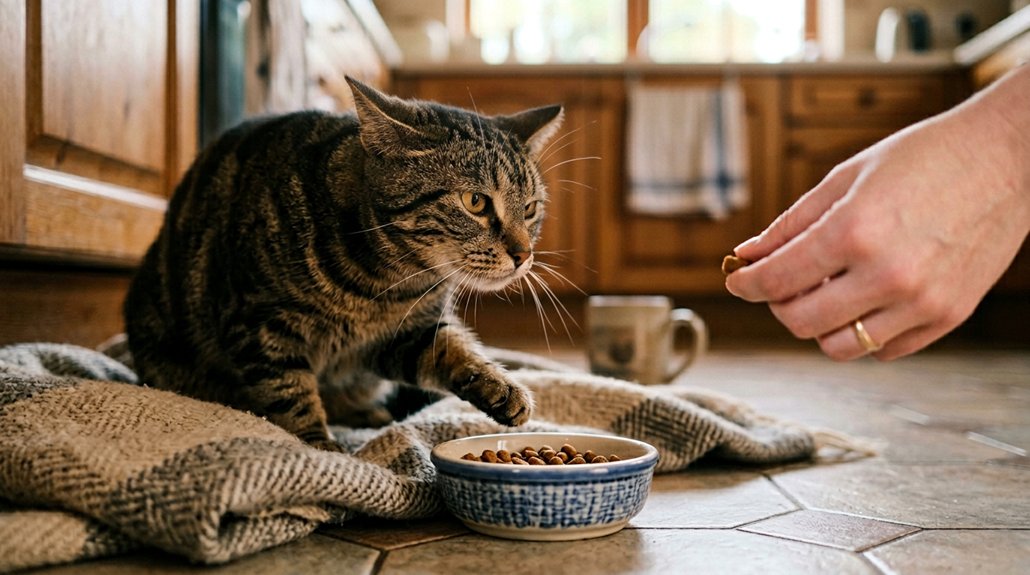
Understanding that stress and anxiety can hamper a cat’s appetite is essential for any cat owner aiming to maintain their pet’s health. Ensuring your cat’s mealtime routine is stress-free and predictable offers comfort and security. Here are some strategies to help your cat eat despite stress:
- Provide quiet, separate spaces for meals to avoid intimidation.
- Gradually introduce new foods over 7-10 days to reduce food aversion.
- Engage in interactive play before mealtime to lower stress and stimulate appetite.
- Monitor for signs of distress like hiding or excessive grooming, and adjust the environment accordingly.
- Enhance your cat’s surroundings with environmental enrichment, such as toys or scratching posts, creating a calm atmosphere that encourages eating.
When to Contact a Veterinarian for Help
How do you know when it’s time to seek veterinary help for your cat not eating? If your cat hasn’t eaten for over 24 hours, especially if they’re overweight, it’s essential to seek veterinary advice to prevent hepatic lipidosis. For kittens and seniors, immediate attention is required if they’ve skipped meals for 12-24 hours due to their vulnerability. Be alert to additional symptoms like vomiting, extreme lethargy, or difficulty breathing, which combined with appetite loss, necessitate prompt care. Appetite triggers might mask serious issues if unresolved, so watch for labored breathing or disorientation. Early intervention is important; prolonged refusal to eat can lead to dehydration and malnutrition. Trust your instincts; when in doubt, consult a veterinarian to guarantee your cat’s health.
What to Do When Your Cat Won’t Eat
If your cat refuses to eat, it’s important to take proactive steps to address the issue. First, recognize the urgency if your feline friend hasn’t eaten for over 24 hours, as this can lead to serious health problems. Monitor your cat for any concerning symptoms, such as vomiting or diarrhea. Create a calm and stable atmosphere to minimize stress. Stressors can stem from loud noises or changes in routine, impacting cat feeding behaviors.
Recognize the urgency of a cat not eating for over 24 hours; it can lead to serious health issues.
Consider these appetite tips:
- Experiment with wet foods with enticing aromas.
- Consult a vet if dental pain is suspected.
- Offer a variety of foods to combat food aversions.
- Confirm the feeding area is peaceful and comfortable.
- Contact your veterinarian promptly if issues persist.
Acting promptly guarantees your cat’s well-being.
How to Keep Your Cat’s Appetite Healthy
A proactive approach is imperative when dealing with feeding issues, but maintaining your cat’s appetite requires consistent care and attention. Start by establishing regular feeding patterns; cats thrive on routine, so stick to a strict schedule. Practice portion control, offering measured amounts to prevent obesity and encourage effective digestion. Gradually introduce new foods over a week to avoid digestive discomfort. Create a stress-free environment by feeding in a calm area, away from the litter box, with clean food and water bowls. Monitor your cat’s eating habits closely; any sudden changes might indicate a need for veterinary advice. Regular check-ups are essential for adapting feeding strategies to your cat’s evolving nutritional needs as they age, ensuring ongoing health and happiness.
The Dangers of Cats Not Eating
Many might not realize the significant dangers posed by a cat’s refusal to eat, but understanding these risks is essential for a pet owner’s awareness. Nutritional deficiencies develop rapidly in cats not maintaining regular feeding habits, leading to severe health problems. Be aware that just 24 hours without food can trigger significant issues, particularly hepatic lipidosis in overweight cats. Extended food deprivation poses grave threats:
- Hepatic lipidosis risk: Especially prevalent in overweight cats after just one day without food.
- Severe complications: Malnutrition, dehydration, and a decline in health after 48 hours.
- Underlying health signals: Appetite loss might indicate dental issues, infections, or chronic diseases.
- Increased dehydration risk: Organ stress and failure when water is also refused.
- Immediate veterinary need: Watch for symptoms like vomiting and lethargy.
Frequently Asked Questions
How Long Should I Worry About My Cat Not Eating?
If your cat’s not eating for over 24 hours, it’s time to worry. Monitor their eating habits as prolonged fasting affects health. A sudden change in cat appetite signals deeper issues needing immediate vet consultation. Be attentive and proactive.
What Is the 3-3-3 Rule for Cats?
The 3-3-3 rule helps manage cat behavior and guarantees ideal feline health during changes. Expect stress in the first three days, gradual adaptation over three weeks, and confident behavior after three months in a new environment.
What Are the Signs That a Cat Is About to Pass Away?
You’ll notice changes in behavior, such as withdrawal or hiding, alongside appetite decline. Grooming becomes neglected, breathing turns labored, gums discolor, and increased lethargy. Compassionately monitor these signs and consult your vet for guidance.
What Are Early Signs of Kidney Failure in Cats?
You’re noticing early signs of kidney failure in your cat like increased thirst, frequent urination, and weight loss. These feline health issues may signal dietary concerns requiring veterinary expertise. Compassionately address these symptoms with timely medical attention.
Conclusion
So, you’ve got a finicky feline ballerina skipping meals like it’s the newest trend. While they may be staging a hunger strike for kitty justice, don’t let their theater go uninvestigated. Keep an eye out for anything amiss, because cats aren’t known for voicing concerns at the dinner table. Channel your inner Sherlock and discern if it’s stress, teeth, or simply needing a new mice-flavored entrée. Don’t hesitate to call Dr. Vet when instinct nudges your parental paws.