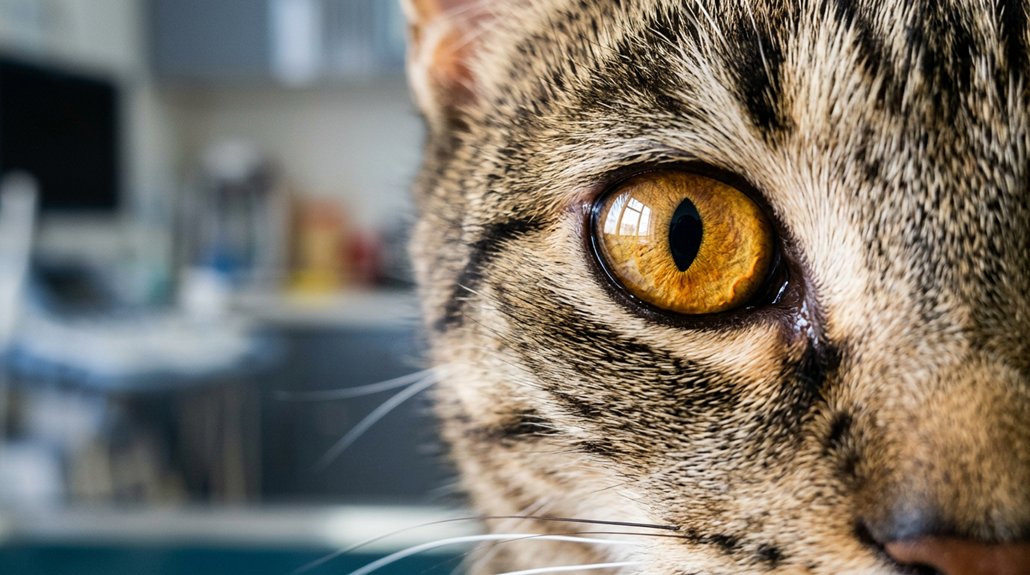
Watch for signs of discomfort in your cat’s eyes, like squinting, redness, or unusual discharge. Frequent squinting or excessive tearing suggests underlying issues. Look for symptoms like cloudiness…
Cat Health
Why Your Cat Keeps Scratching Its Ears
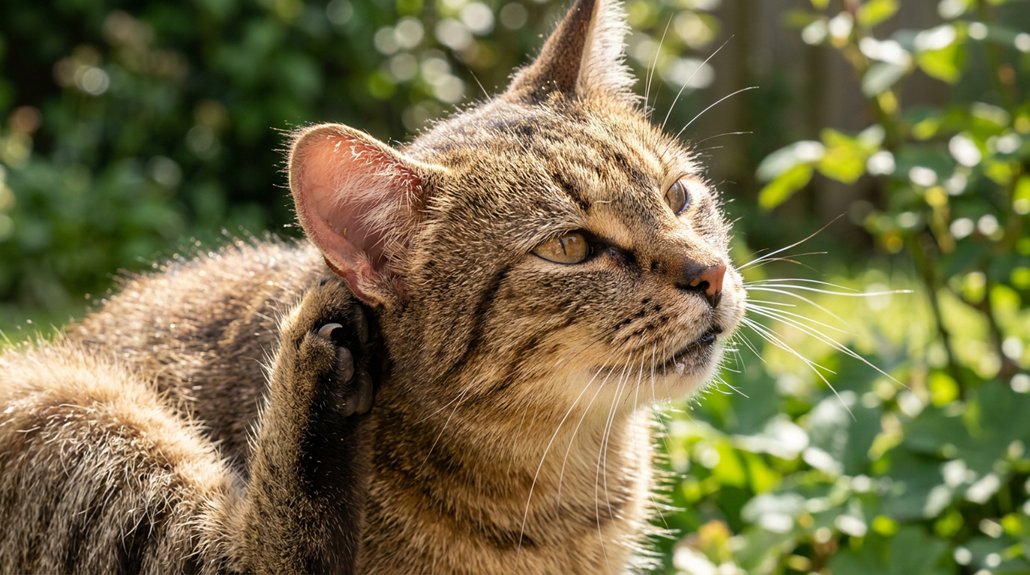
Your cat’s persistent ear scratching might be due to ear mites, allergies, infections, or foreign objects. Ear mites cause severe itchiness and dark discharge, while allergies—either environmental or…
Cat Health
Ear Infections in Cats: Signs and Treatment
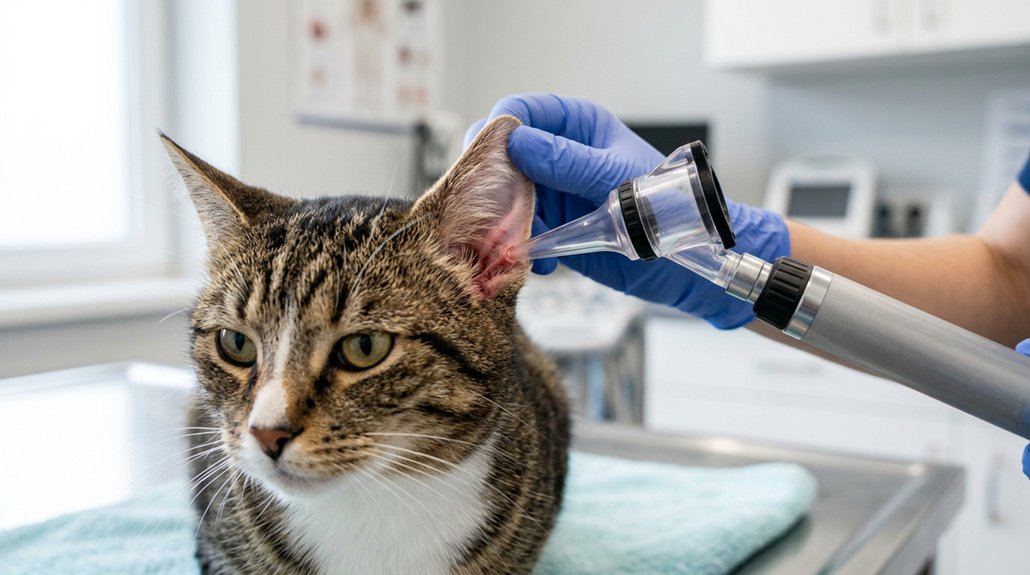
You might notice your cat shaking its head, scratching ears, or displaying discharge if it has an ear infection. Causes include ear mites, yeast, or bacterial infections. Diagnosis…
Cat Health
Why Your Cat Has Bald Spots or Hair Loss
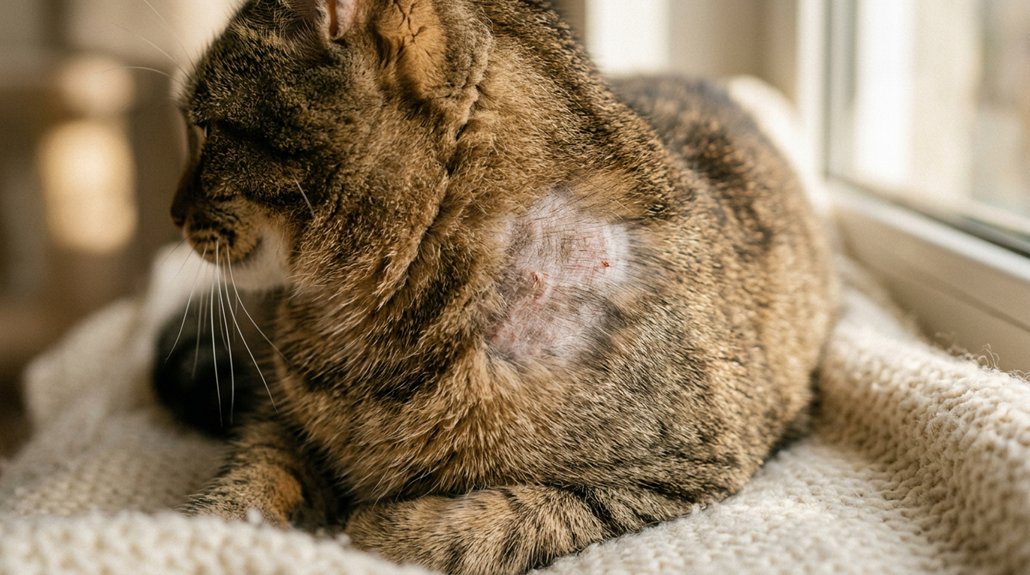
Your cat’s bald spots or hair loss may result from issues such as alopecia, flea allergy dermatitis, food allergies, or infections. Stress-induced overgrooming is another common reason. A…

Cat Health
Common Cat Allergies and How to Manage Them
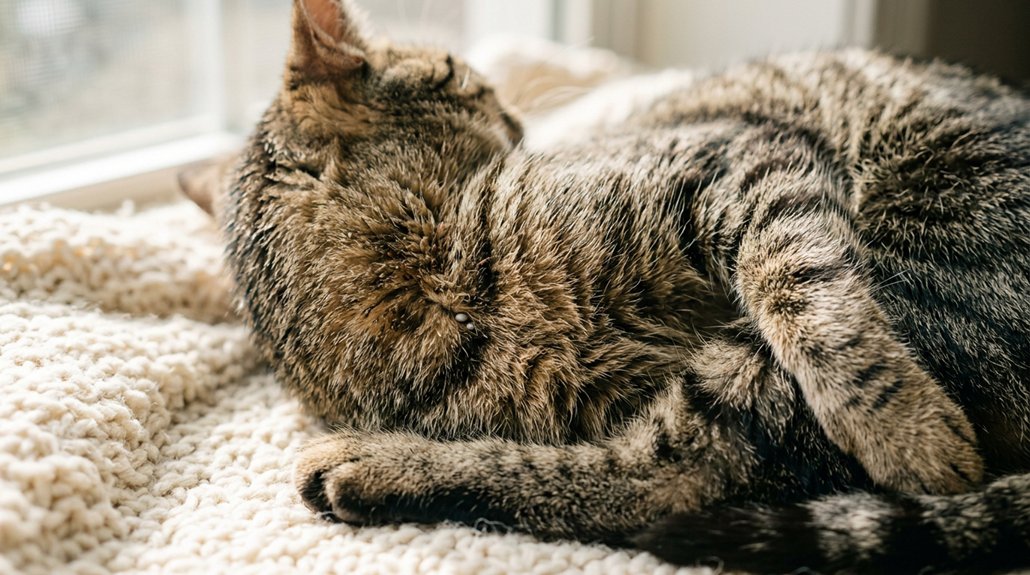
You’re not alone if you’re dealing with cat allergies. Common allergies include environmental triggers like pollen and dust, fleas, and certain foods. Symptoms range from sneezing and itchy…
Cat Health
Fleas on Cats: How to Spot and Treat Them
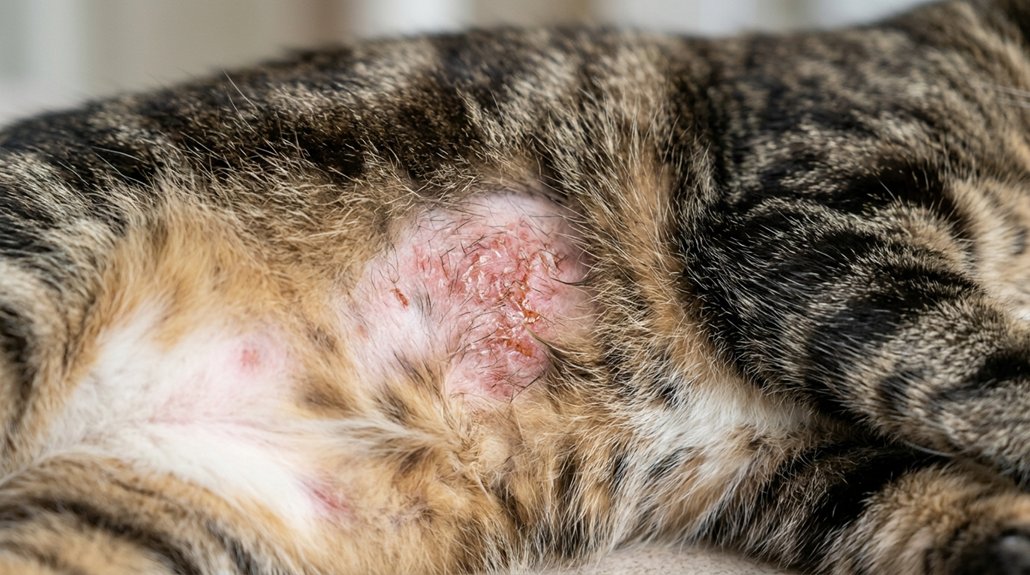
To identify fleas on cats, look for excessive scratching, flea dirt, or small black fleas during grooming. Effective treatment involves using veterinarian-recommended oral or topical medications containing adulticides…
Cat Health
Cat Skin Problems: Causes and Treatment Options
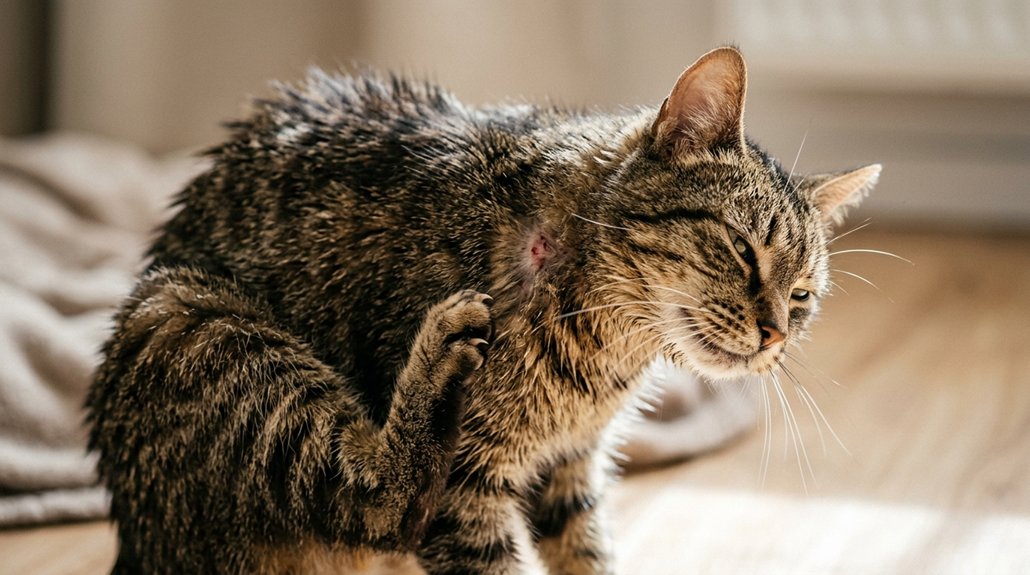
Understanding cat skin problems involves recognizing causes like parasites, allergens, and infections. Key issues include flea allergy dermatitis, feline acne, and ringworm. Treatment might require antiparasitics, antifungals, or…
Cat Health
Why Your Cat Is Itching So Much
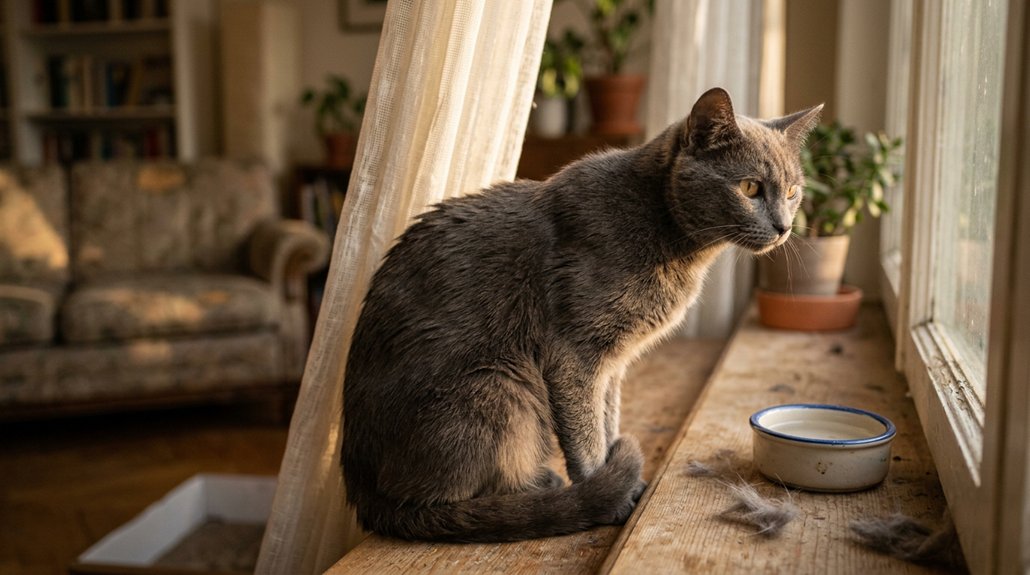
Your cat’s itching can stem from various causes such as parasites like fleas or mites, allergens including pollen and certain foods, or underlying conditions like infections. A thorough…
Cat Health
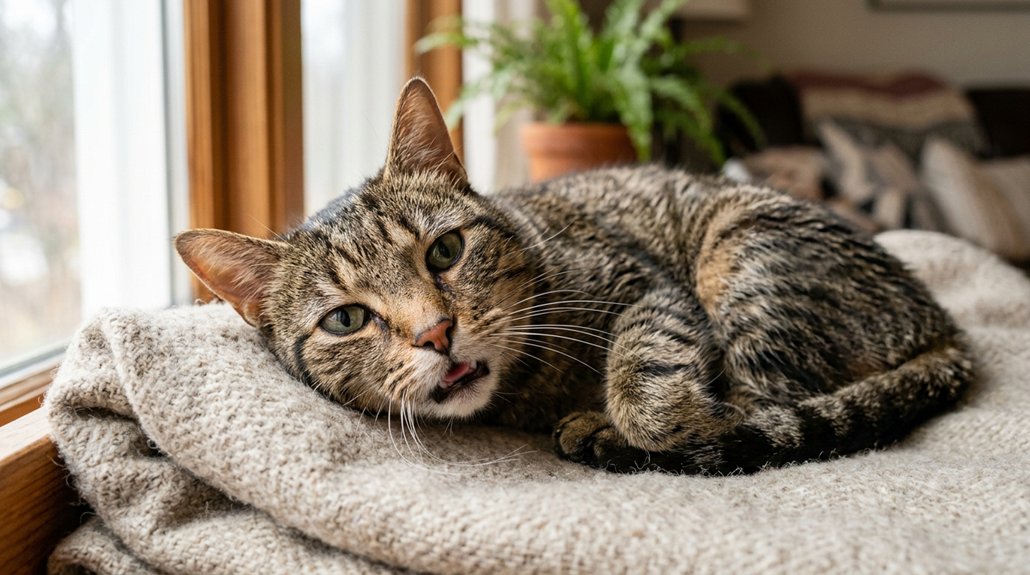
Why Your Cat Is Losing Weight Suddenly
Your cat’s sudden weight loss could be due to stress from changes in routine or psychological factors affecting appetite. Medical conditions like diabetes, gastrointestinal issues, or kidney disease…
Cat Health
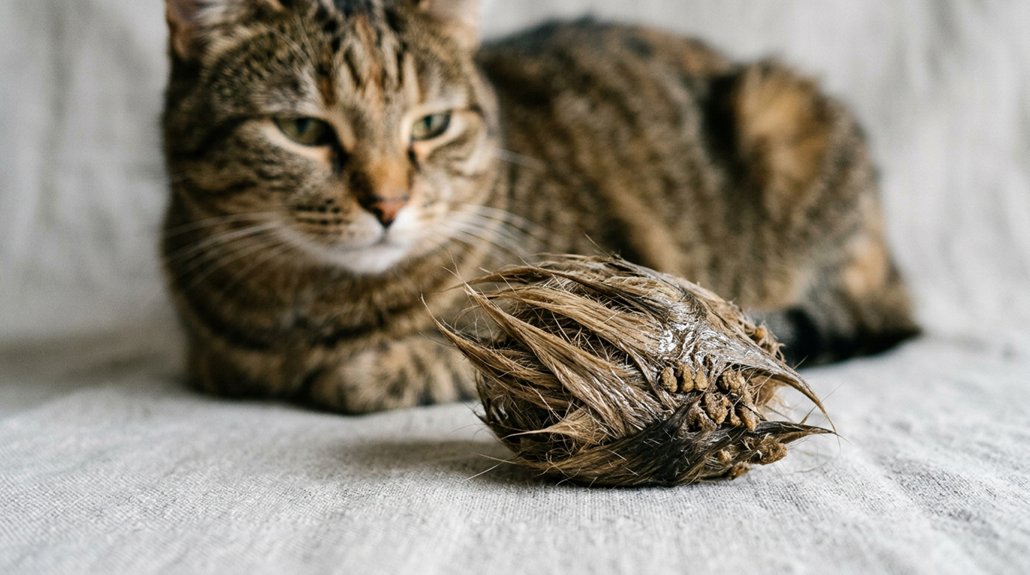
How to Tell if Your Cat Has a Fever
To determine if your cat has a fever, observe for lethargy, appetite loss, or increased hiding. Physical signs include warm ears or paws and rapid heart rate. Use…
Cat Health
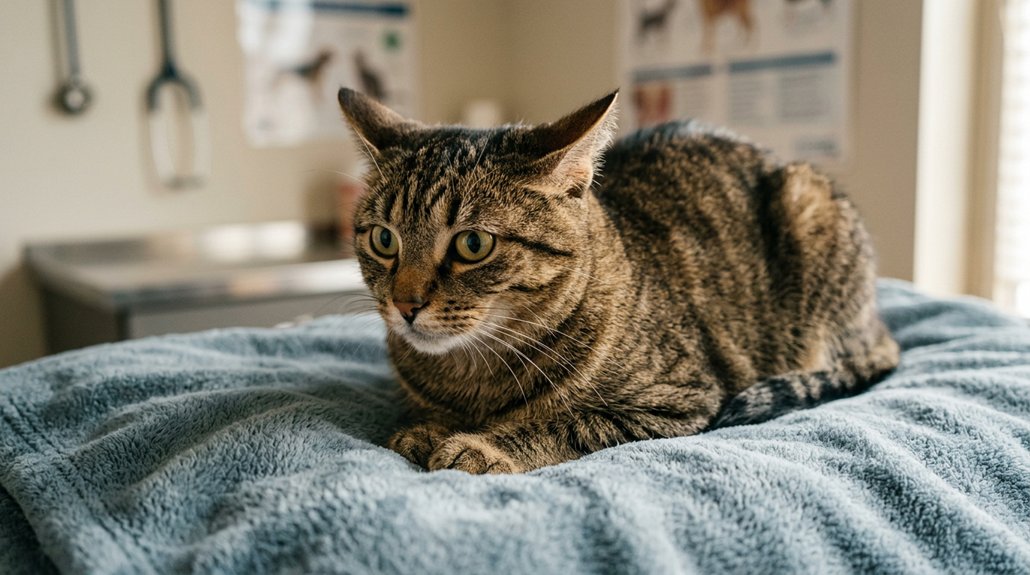
Hairballs in Cats: What’s Normal and What’s Not
Cats often ingest hair while grooming, leading to hairball formation. Generally, a hairball every few weeks is normal. Look out for symptoms like frequent gagging without production, vomiting…
Cat Health
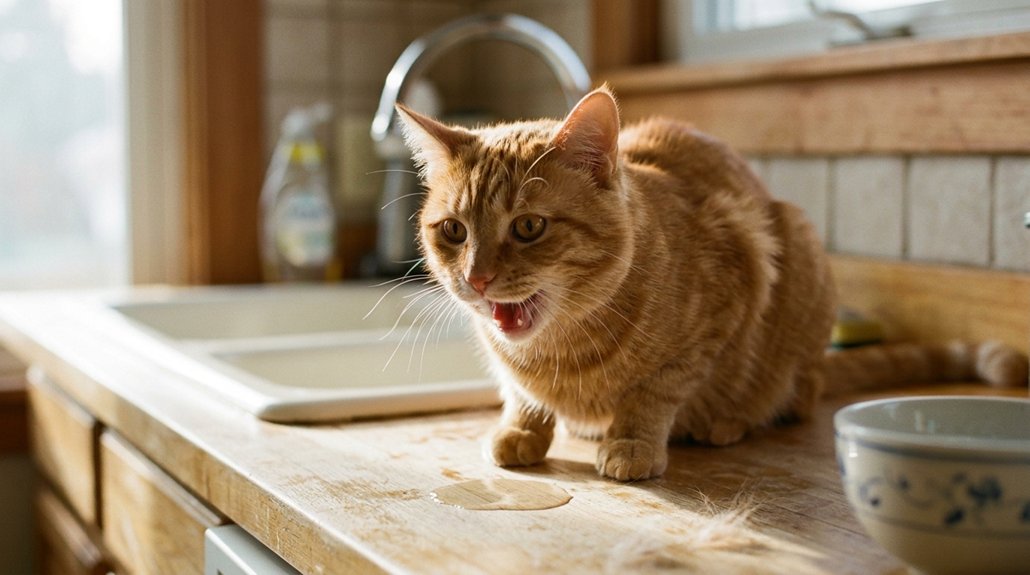
What Causes Diarrhea in Cats and How to Treat It
Cat diarrhea can result from sudden dietary changes, food intolerances, infectious agents like bacteria, viruses, or parasites, and even stress-induced gastrointestinal disturbances. If your cat experiences diarrhea for…
Cat Health
Why Your Cat Is Vomiting and What It Means
When your cat vomits, understanding the underlying causes is essential. Vomiting more than twice in succession, appetite loss, or blood in vomit requires a vet. Yellow vomit suggests…
Cat Health
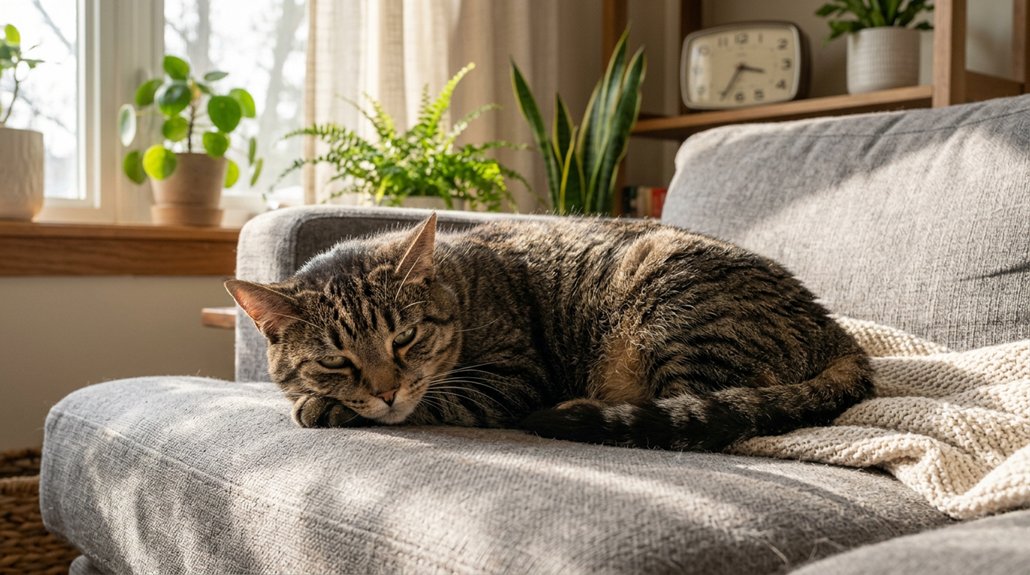
Why Your Cat Is Acting Lethargic
Your cat’s lethargy may indicate health issues or stressors. Watch for signs like decreased energy, withdrawal, and over-sleeping. Common causes include dietary changes, infections, or metabolic disorders. Environmental…
Cat Health
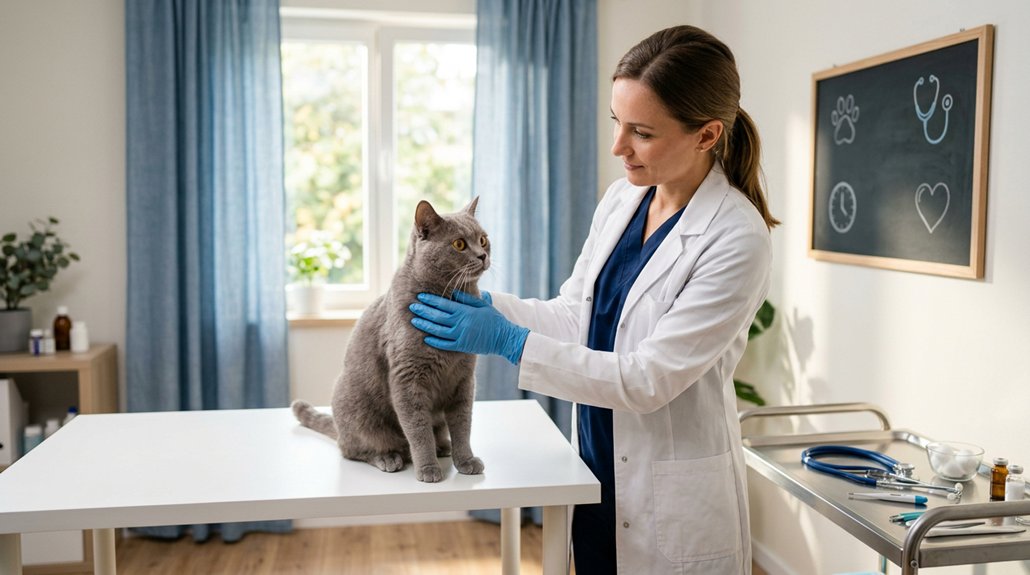
When to Take Your Cat to the Vet
You should take your cat to the vet for regular checkups, typically annually or semi-annually, especially for older cats. Immediate visits are essential if you notice rapid breathing,…