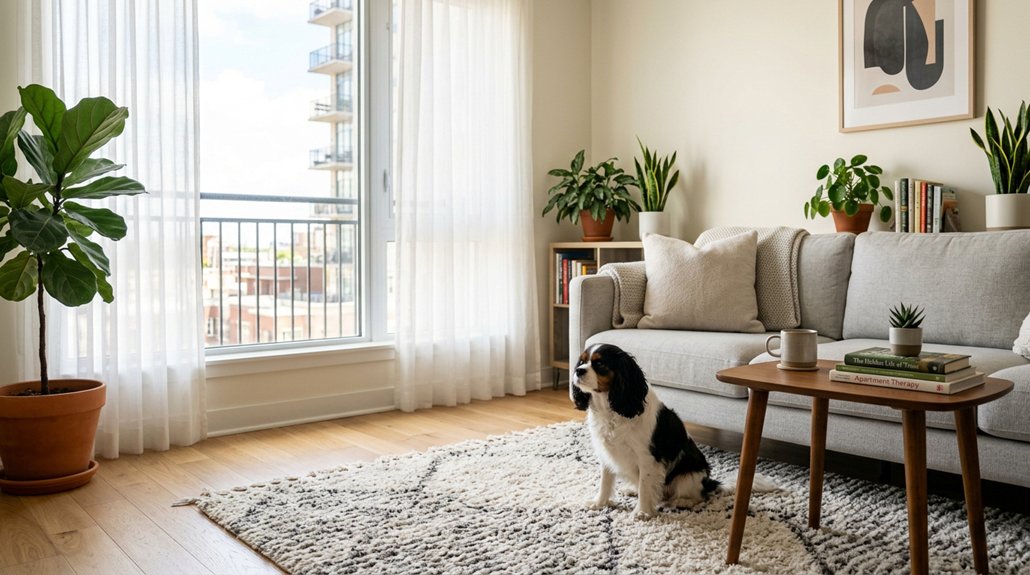
For apartment living, consider small breeds like Cavalier King Charles Spaniels, Pugs, and Boston Terriers due to their calm temperaments and adaptability to limited space. Medium breeds such as English Bulldogs and Basenjis also fit well, given their lower energy needs and quiet nature. These breeds require minimal grooming and exercise, making them ideal companions for compact environments. Opt for quiet breeds to guarantee neighbor harmony. Explore how various breeds and strategies can enhance apartment life further.
Key Takeaways
- Small breeds like Cavalier King Charles Spaniel and Pug adapt well to limited space and require minimal exercise.
- Medium breeds such as English Bulldog and Cocker Spaniel have calm temperaments suited for apartment living.
- Quiet breeds like Basenji and French Bulldog minimize disturbances for neighbors, promoting social harmony.
- Low grooming requirements of Boston Terrier and Pug maintain cleanliness in confined living areas.
- Rescue and mixed breeds often possess traits making them adaptable and suitable for apartment environments.
What Makes Dogs Suitable for Apartment Living?
When considering what makes a dog suitable for apartment living, it’s important to focus on their temperament and size. Dogs with calm temperaments and lower energy levels are less likely to disrupt the peace with excessive barking, adhering to apartment rules. Smaller breeds naturally adapt to limited space and require less exercise, aligning with apartment constraints. Dog behavior that’s sociable and thrives on human interaction guarantees a harmonious environment, especially in close quarters. Low grooming requirements, seen in breeds like the Bichon Frise, maintain cleanliness, which is essential in small areas. Noise sensitivity also plays a role; quieter dogs prevent neighbor disturbances, impacting social harmony positively. These factors collectively define a breed’s suitability for apartment life.
Top Small Breeds for Apartment Living
Several small dog breeds are ideally suited for apartment living due to their adaptable nature and manageable physical needs. The Cavalier King Charles Spaniel, known for its moderate energy levels, thrives in confined spaces, providing comfortable companionship. Similarly, the Pug benefits apartment dwellers with low shedding and minimal barking, essential for a peaceful environment. Such breeds necessitate less exercise; brisk walks and indoor play more than suffice. Combining playful and calm traits, the Boston Terrier is another excellent option for smaller living configurations. Bigger breeds often present challenges in limited spaces, but the compact size of small dogs simplifies management and enhances comfort. Opting for these breeds assures lesser noise and maintenance, perfect for adapting to apartment life without compromise.
Best Medium Breeds for Tight Spaces
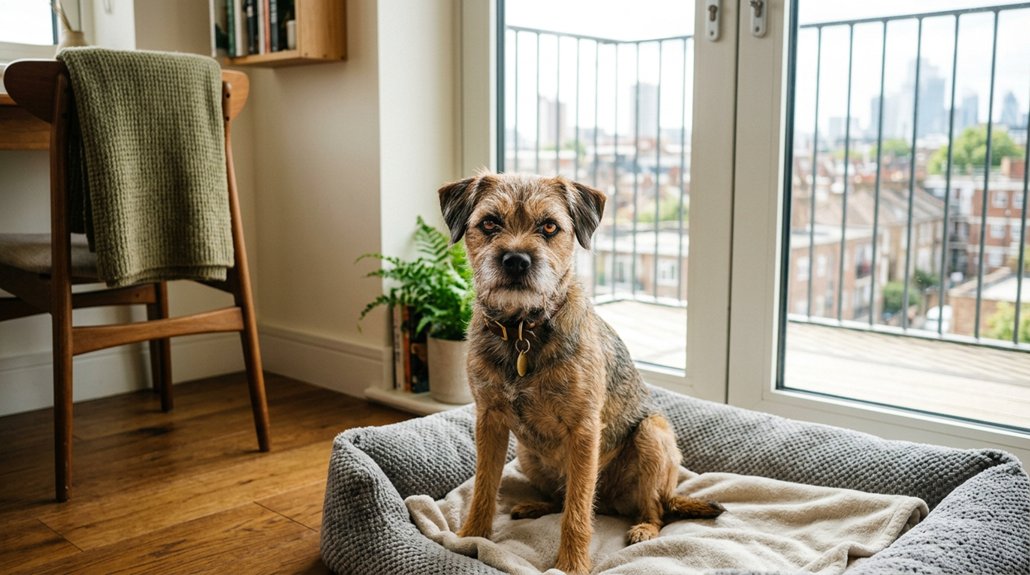
When considering medium-sized dogs for apartment living, it’s essential to evaluate their ideal space and temperament, energy levels, and grooming needs. Breeds like the English Bulldog are well-suited for tight spaces due to their low-energy nature, while Cocker Spaniels offer a gentler temperament with a need for regular exercise. Additionally, quiet and low-shedding breeds such as the Basenji can be ideal for those who prefer minimal maintenance and reduced noise.
Ideal Space and Temperament
While finding the perfect dog breed for apartment living can be challenging, medium-sized breeds like the Boston Terrier and Cavalier King Charles Spaniel excel due to their moderate energy levels and friendly temperaments. These breeds possess the ideal personality traits and meet space adaptability criteria, making them a great fit for tight living conditions. Other notable breeds include the Cocker Spaniel and English Bulldog, both recognized for their sociable and calm behaviors, aiding harmonious apartment life. Additionally, the Miniature Poodle stands out due to its trainability.
| Breed | Key Characteristics |
|---|---|
| Boston Terrier | Sociable, moderate energy, adaptable |
| Cavalier King Charles Spaniel | Friendly, space efficient |
| Miniature Poodle | Highly trainable, low exercise needs |
Energy Levels and Adaptability
Given the growing trend of urbanization, the demand for dog breeds suitable for apartment living has increased considerably. Medium-sized breeds like the Cocker Spaniel and English Bulldog display moderate energy levels with exercise requirements of around 45-60 minutes daily. This makes them compatible with confined spaces, provided you ascertain regular mental and physical stimulation. Breed characteristics, such as the calm nature of the Basenji and Whippet, further enhance their adaptability in tighter quarters. These breeds thrive in small living environments without excessive barking or destructive behaviors, making them ideal for city dwellers. Regular walks and interactive play sessions are essential to meet the exercise needs of these dogs, ensuring they remain content and maintain overall well-being in an apartment setting.
Grooming and Maintenance Needs
As you consider the perfect medium-sized breed for apartment living, grooming and maintenance needs play an integral role in the decision-making process. The English Bulldog and Basenji are both ideal, with minimal grooming frequency and low shedding. For those focused on keeping a tidy home, these breeds won’t demand much in the way of maintenance. Regular brushing is a maintenance tip that benefits Basenjis, promoting coat health and minimizing shedding. Miniature Poodles, with their low to moderate grooming needs, fit easily into a small living space with occasional trims to manage their coat. On the other hand, Cocker Spaniels require more frequent grooming due to their longer coats. However, their adaptability and friendly nature compensate for their higher maintenance needs.
Keeping Dogs Active Indoors in Apartments
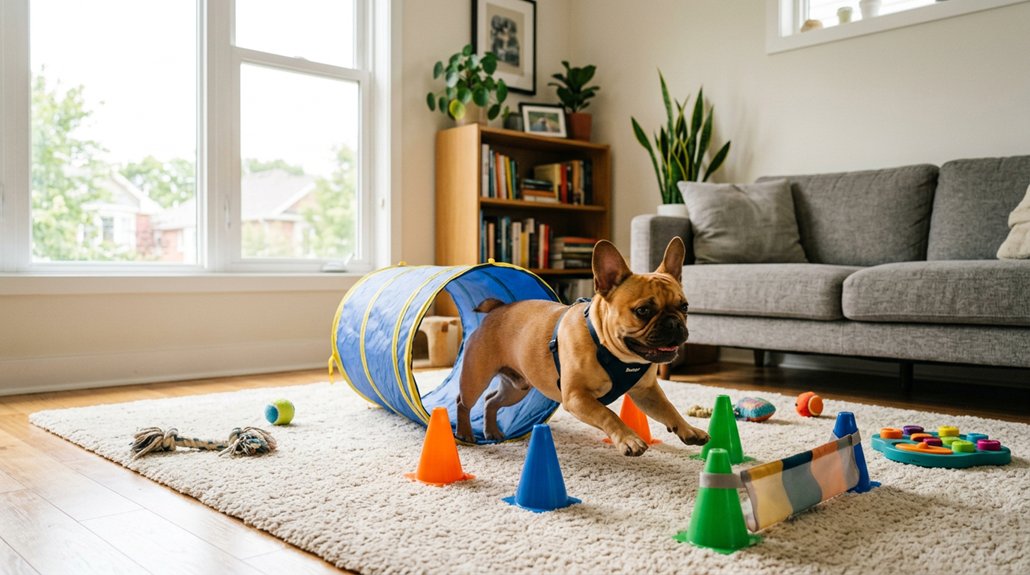
Creating an active environment for dogs in apartments requires intentional strategies to meet their physical and mental needs. Indoor exercises like fetch or tug-of-war effectively burn energy for small to medium breeds even in limited spaces. To additionally promote mental stimulation, incorporate puzzle toys or treat-dispensing devices, which can keep your dog engaged and entertained. Regular engagement in hide-and-seek not only provides physical activity but also challenges their cognitive abilities. Moreover, establishing a designated activity area filled with safe toys and climbing structures can greatly enhance their play experience. Additionally, regularly scheduled brisk walks are essential for small dogs to explore and fulfill their exercise requirements, ensuring their well-being irrespective of spatial constraints.
Handling Activity and Noise Challenges
To manage the challenges posed by high-energy dog breeds in apartments, it’s essential to provide at least two hours of focused activity daily to prevent behavioral issues. Selecting breeds like Bichon Frise or French Bulldogs, known for their low to moderate barking tendencies, can help minimize noise disturbances in multi-unit living environments. Additionally, utilizing interactive toys, maintaining a consistent routine, and creating quiet spaces with white noise or soft music can greatly reduce anxiety-related behavior and stress in sound-sensitive dogs.
Managing High-Energy Breeds
Never underestimate the energy output of high-energy dog breeds when imagining them in an apartment setting. These breeds require daily exercise, not just for physical health, but also to prevent potential behavioral issues. A structured routine is essential; consider brisk walks and active play sessions, supported by effective training techniques and behavioral reinforcement to maintain harmony.
| Activity Type | Recommended Time |
|---|---|
| Focused Exercise | 1 hour |
| Mental Challenges | 30 minutes |
| Interactive Play | 30 minutes |
Interactive toys and puzzle games are valuable for indoor mental stimulation, reducing boredom and destructive tendencies. Reinforcing quiet behavior through training can curb excessive barking. To adapt to urban living, gradually expose your dog to common sounds, supporting acclimation with positive reinforcement, avoiding unnecessary stress and anxiety.
Reducing Noise Disturbances
Effective noise management in apartment settings begins by selecting dog breeds known for their low barking tendencies, such as Bichon Frises and French Bulldogs. To further enhance noise reduction and maintain peace, consider these strategies:
- Training and Socialization: For naturally vocal breeds like Cavalier King Charles Spaniels, consistent training and socialization can greatly improve barking control, fostering a quieter environment.
- Mental Stimulation and Exercise: Regular activities reduce anxiety-driven vocalizations, alleviating unnecessary noise disturbances, courtesy of structured play and mental engagement.
- Calming Aids: Sound-sensitive dogs benefit from pheromone diffusers, markedly reducing stress-induced barking instances.
Integrating these methods supports an environment conducive to lower noise levels for both pets and neighbors. By prioritizing these measures, you’re more likely to enjoy harmonious apartment living with your furry companion.
Ensuring Quiet Spaces
Maintaining tranquility in apartment living not only involves selecting breeds like the Bichon Frise and French Bulldog, but also demands handling noise challenges proficiently. Choosing quieter dog breeds reduces potential disturbances, yet active management is essential. Implement dog training techniques to address barking, guaranteeing your pet is well-adjusted and suitably socialized. High-energy breeds can become boisterous if their needs are unmet; consequently, match their energy levels with the available apartment amenities. Consistent routines encompassing walks, indoor playtime activities, and mental stimulation help alleviate restlessness. In addition, employing soundproofing strategies, such as soft furnishings and white noise machines, will mitigate noise further. These measures guarantee a calm environment, benefiting both your dog and neighboring residents in close quarters.
Adopting Mixed & Rescue Dogs
Adopting mixed-breed or rescue dogs can be a wise choice for apartment dwellers, given their adaptability and socialization. Mixed breed advantages include the presence of varied traits that often result in well-rounded temperaments suited for confined living. Rescue dog benefits encompass pre-existing training and socialization easing their adjustment into smaller spaces. Plus, they promote a healthier lifestyle through regular walks and playtime. Shelters usually provide essential information on temperament and energy levels, helping you find a match that meets apartment living needs.
- Adaptability: Mixed breeds display a blend of desirable traits for confined spaces.
- Ease of adjustment: Rescues often come trained and socialized for apartment life.
- Ethical impact: Choosing mixed or rescue dogs reduces demand for breed-specific pets.
Frequently Asked Questions
What Breed of Dog Can Be Left Alone During the Day?
You’d find breeds like the French Bulldog and Shih Tzu suitable for alone time during the day. Their independent nature minimizes separation anxiety, making them more comfortable and less likely to suffer stress or engage in destructive behavior.
What Is the Calmest Dog in an Apartment?
Greyhounds are generally the calmest in apartments due to their gentle demeanor and low energy levels. Affection and relaxation define them, thriving without needing much space. Their surprising serenity suits small living quarters splendidly and scientifically.
What Words Do Dogs Hear Best?
Dogs hear one- or two-syllable words the best due to their heightened auditory sensitivity and sound perception. Use clear training signals and consistent vocal recognition, as command response relies on emotional cues and dog communication effectiveness.
What Are the 10 Most High Maintenance Dogs?
Luxury comes at a cost: Poodles, Border Collies, Australian Shepherds, Tibetan Mastiffs, Shih Tzus, Dachshunds, Beagles, Maltese, Chow Chows, and Siberian Huskies demand high energy management, grooming, noise sensitivity control, social interaction, and adaptability.
Conclusion
When choosing a dog for apartment living, remember that size isn’t the only factor. It’s essential to take into account temperament and activity needs; a calm small breed or a relaxed medium one can be ideal. Keep them mentally and physically stimulated indoors—think of it as turning your apartment into a doggie playground. Mixed breeds or rescues might surprise you with their adaptability, adding joy while fitting seamlessly into tight spaces. Think of it as finding the perfect puzzle piece for your lifestyle.