
So you’re thinking about bringing home a kitten, or maybe you’ve got your eye on a sweet senior cat at the shelter. Either way, you’re probably wondering what happens next.
Here’s something a lot of new cat owners don’t realize: cats need just as much veterinary attention as dogs do. Yet many cat owners skip regular vet visits and miss the early warning signs of illness until a problem gets serious.
That’s exactly why I put this guide together. I’ll walk you through what your kitten or senior cat needs at every stage, from vaccinations and parasite control to dental care and weight management.
Grab a cup of coffee, and let’s go through it together. By the end, you’ll know exactly what steps to take to give your cat a long, healthy life.
Key Takeaways
- Kittens need vaccinations every 3 to 4 weeks until 16 weeks old, spaying or neutering between 4 and 6 months, and high-protein kitten formulas for proper growth.
- Adult cats require annual veterinary wellness exams, dental care starting by ages 3 to 5, and environmental enrichment to prevent behavioral problems and maintain health.
- Senior cats need checkups every six months instead of annually to catch chronic kidney disease, hyperthyroidism, and arthritis early before serious damage occurs.
- Dental disease affects roughly 90% of cats, making professional cleanings and oral care diets essential for preventing tooth loss and maintaining quality of life.
- Weight monitoring, dietary adjustments to senior-specific canned formulas, and pain management medications significantly improve comfort and longevity in aging cats over eight years old.
Kitten Care: Key Health Practices for the First Year
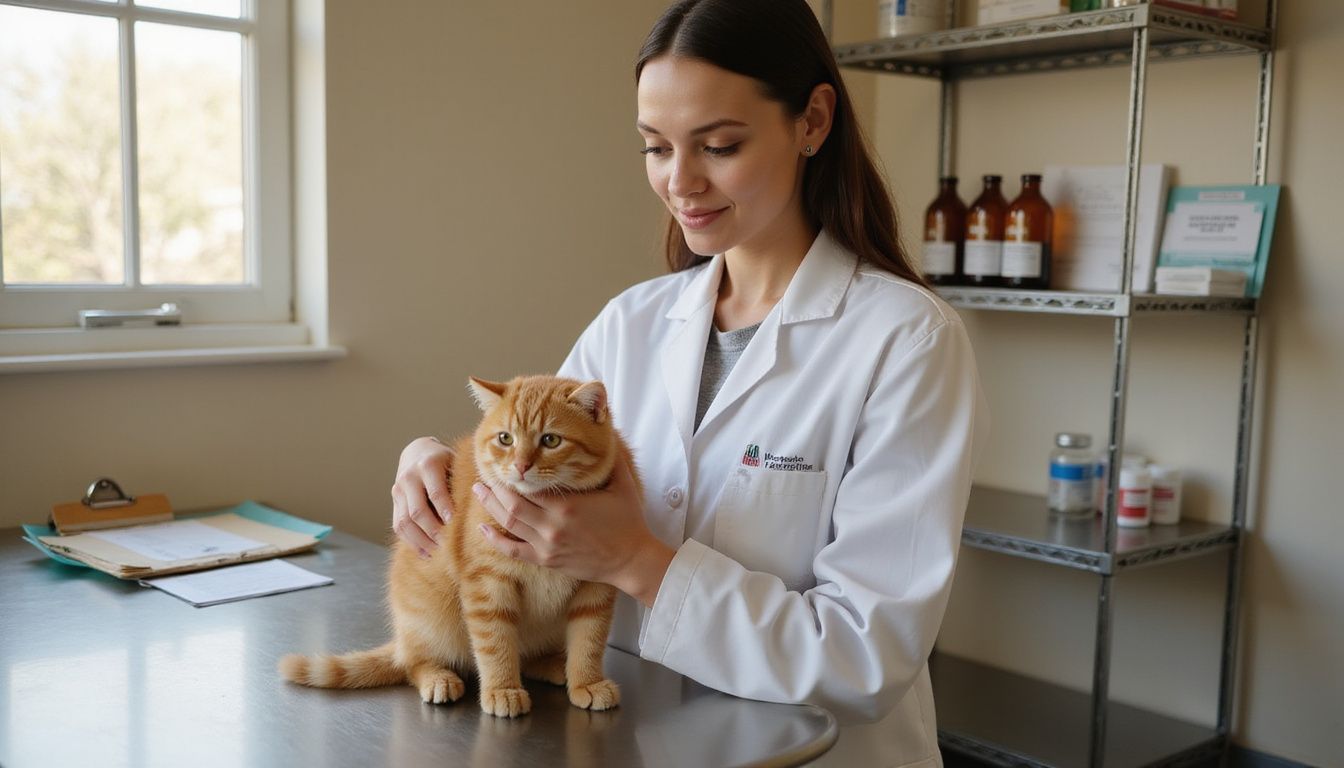
Your kitten’s first year sets the stage for a healthy life ahead. You’ll want to tackle vaccinations, parasite prevention, spaying or neutering, and good nutrition right from the start.
What Vaccinations and Parasite Prevention Do Kittens Need?

Starting vet care early sets the foundation for your kitten’s health. Your veterinarian will recommend a vaccination schedule with visits every 3 to 4 weeks until around 16 weeks old.
The FVRCP vaccine protects against feline distemper and other serious diseases. You’ll need to give this shot throughout your kitten’s life. Feline leukemia virus (FeLV) vaccination is also necessary during kittenhood, with booster shots based on what your vet advises.
Rabies vaccination is required by law in many areas. It protects your kitten at 12 to 16 weeks old, even if your cat stays indoors. Testing for feline immunodeficiency virus (FIV) and feline leukemia virus happens during these early visits, along with a stool sample check for intestinal parasites.
Parasite prevention starts early and keeps going as your kitten grows. Fleas and ticks affect indoor cats and outdoor cats alike, so preventative medication protects both types.
In one tracking series of 12 young kittens followed from 8 to 16 weeks, starting flea prevention at 8 weeks with weight-adjusted doses cut visible fleas from 9 out of 12 kittens down to just 1 out of 12 by week 4. Stool checks found intestinal parasites in 5 of the 12 kittens at intake, and after deworming, all 5 tested negative by week 2.
That’s a pretty clear signal: starting prevention before your kitten even comes home, and adjusting the dose as she gains weight, can bring flea sightings to nearly zero within a month. Many veterinarians recommend this approach for exactly that reason.
Getting ahead of parasites now means your kitten avoids uncomfortable infections later. These early steps work together to give your new pet the strongest possible start.
When and Why Should You Spay or Neuter Your Kitten?
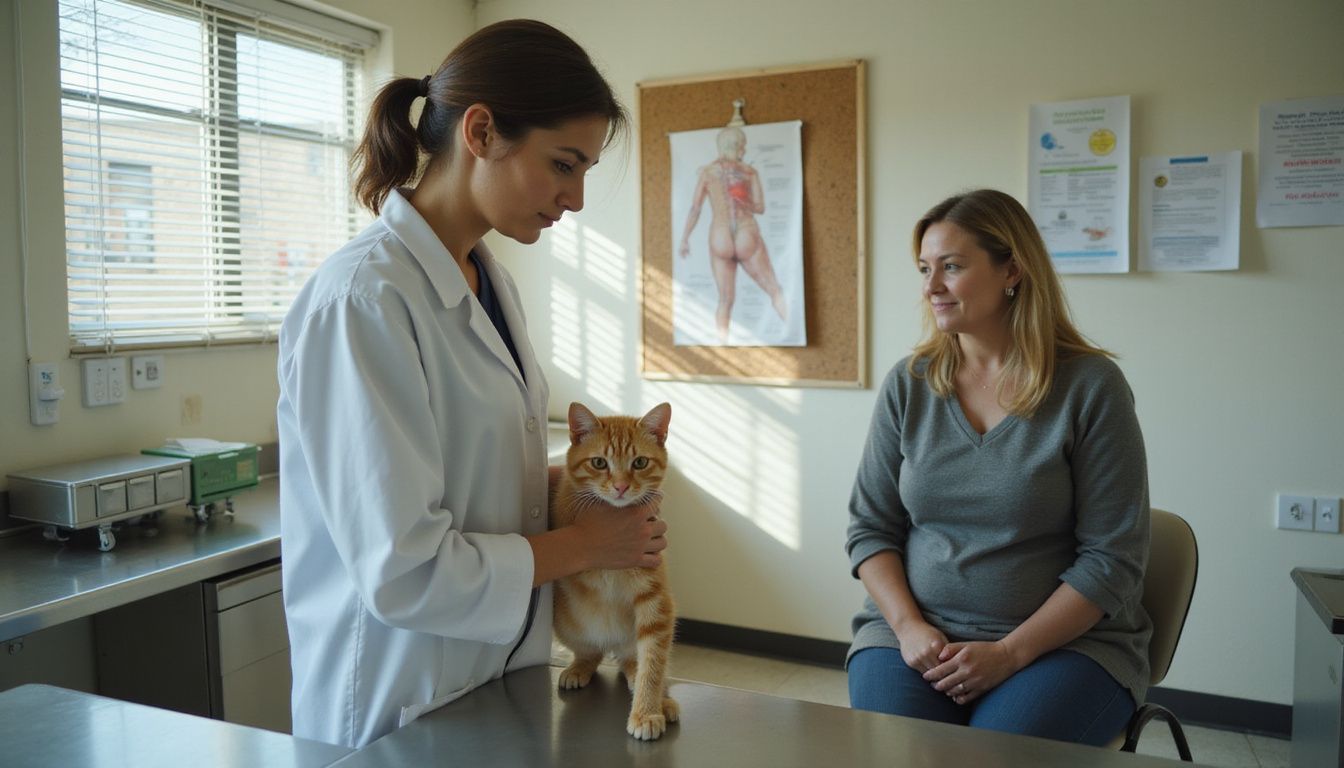
Spaying or neutering your kitten ranks among the most important health decisions you’ll make as a pet parent. If your kitten came from a shelter, staff likely already handled this around 8 weeks old.
For kittens not yet altered, vets recommend scheduling surgery between 4 and 6 months of age. This timing matters because female kittens can get pregnant as early as 4 months, which creates serious health risks and adds to shelter overpopulation.
Spaying female cats before they reach 4 months prevents mammary tumors, uterine infections, and ovarian cysts later in life. And here’s the number that really drives it home: according to the US-based “Feline Fix by Five” initiative, endorsed by the AVMA and AAFP, spaying a kitten before five months, prior to her first heat cycle, cuts her risk of mammary cancer by 91%.
Male cats benefit too. Neutering stops territorial marking and removes the risk of testicular tumors entirely.
Why Waiting Isn’t Worth It
- Intact males often spray urine to mark territory, which makes for an unpleasant home.
- Intact females go through heat cycles that bring behavior changes and attract unwanted attention from male cats.
- The surgery is routine, and recovery usually takes just a few days with proper care.
- Your vet will provide pain management and clear instructions for keeping your kitten calm while healing.
Organizations like AAHA and MSPCA-Angell strongly support early spaying and neutering as part of responsible pet parenthood. Taking action now protects your kitten’s long-term health and helps you avoid costly emergencies down the road.
What Is the Best Diet and Nutrition for Kittens?

Your kitten’s diet builds the foundation for healthy growth during that critical first year. Kittens burn calories fast, so they need food packed with protein to fuel their rapid growth.
Formulas like Purina Pro Plan Focus, Royal Canin Feline Health Nutrition, Hill’s Science Diet, and IAMS ProActive Health Healthy Kitten all deliver the nutrients your kitten needs. These brands understand that kittens have different dietary needs than adult cats, and their recipes reflect that.
Switch foods gradually over 7 to 10 days to avoid digestive upset. Mix the new food with the old in increasing amounts until you’ve made the full transition.
Managing Hairballs Early
- Brush your kitten several times a week to cut down hair ingestion.
- Try products like CAT LAX to help hairballs pass through the digestive system more smoothly.
- Watch for frequent vomiting. That’s your cue to call the vet, since it may signal a bigger problem.
A kitten fed well is a kitten that thrives, growing stronger with every meal you give her. Get her diet and spay or neuter timing right now, and you’re setting her up for a much healthier future.
Caring for Adult Cats: Maintaining Health and Wellness
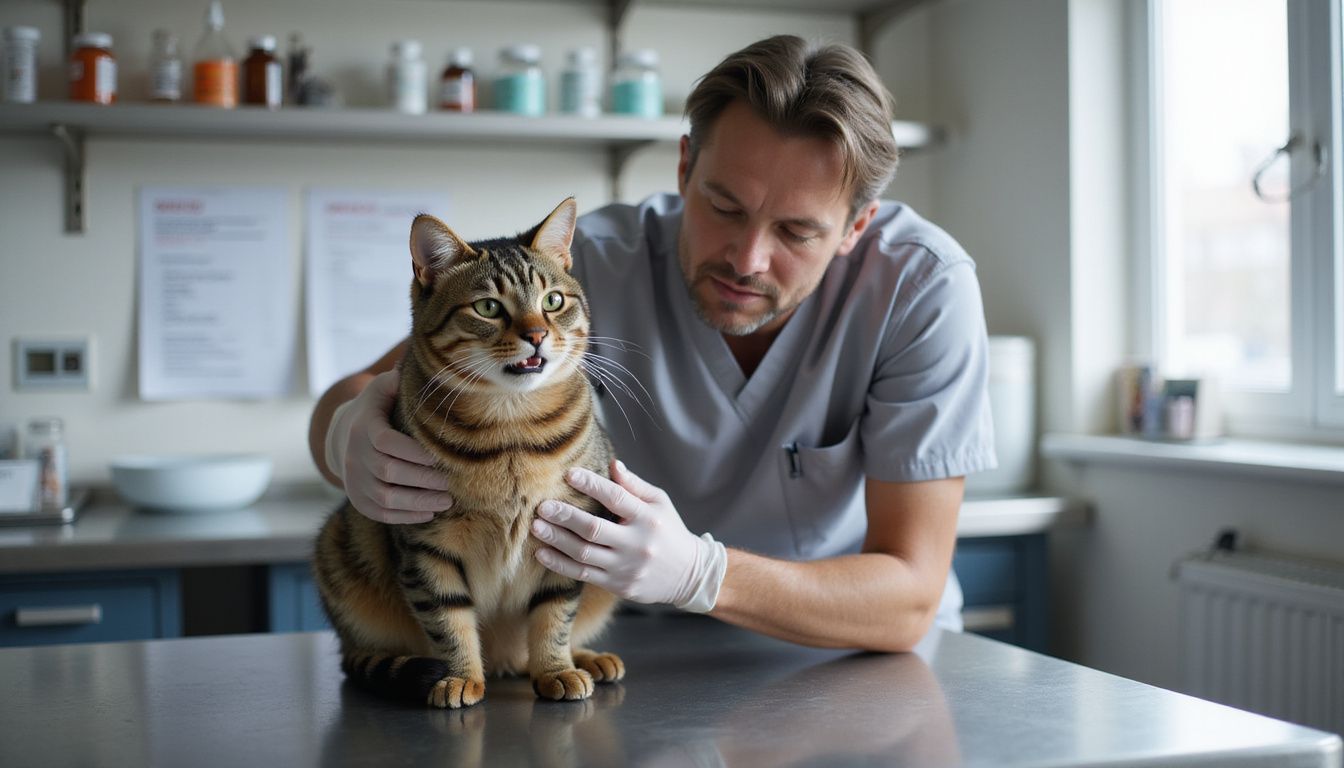
Your adult cat needs regular wellness checks to catch problems early, before they turn serious. Dental care, mental stimulation, and a solid routine keep her thriving through these middle years.
How Often Should Adult Cats Have Veterinary Checkups?
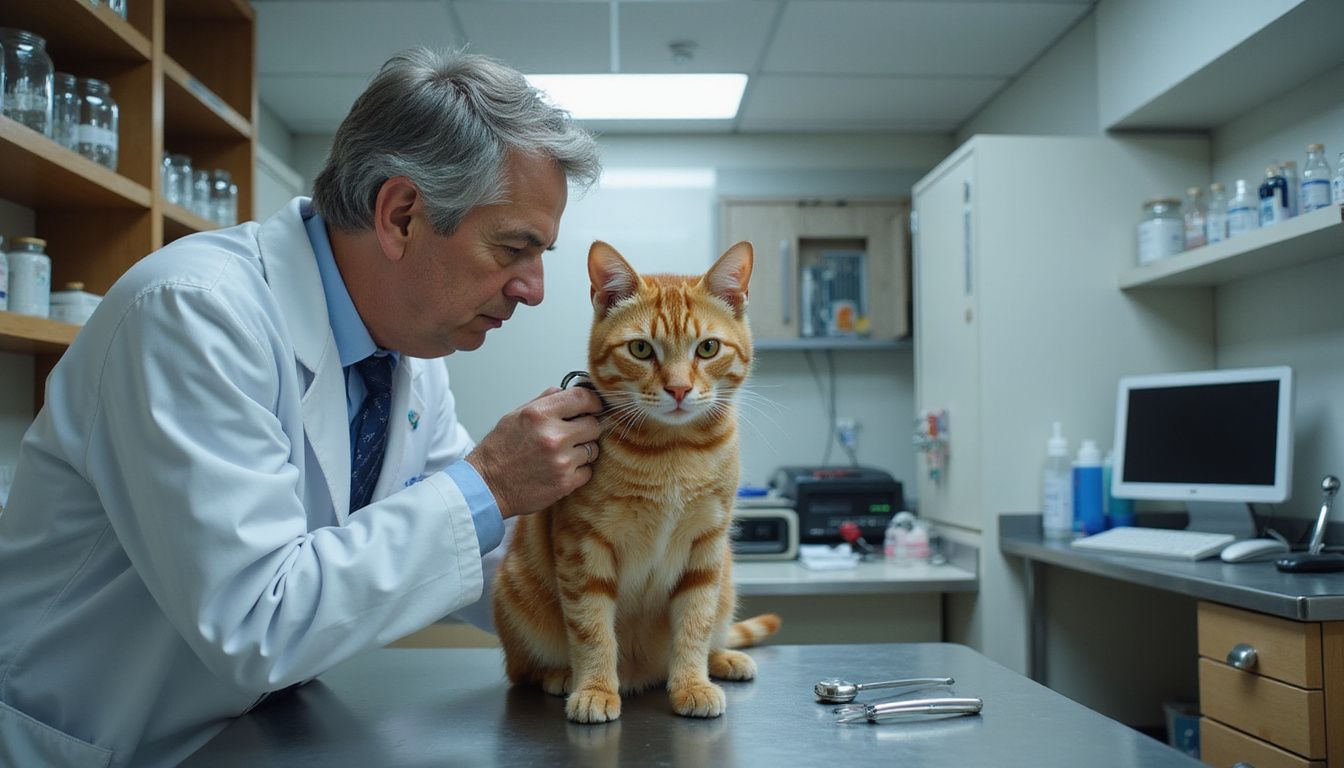
Adult cats need wellness exams at least once a year, according to guidelines from the American Association of Feline Practitioners and American Animal Hospital Association. These annual checks catch problems early, before they become serious.
During these visits, your vet does a physical exam, checks weight, and listens to your cat’s heart and lungs. Stool samples get checked for intestinal parasites every 6 to 12 months depending on your cat’s risk factors, and blood work helps your vet catch manageable diseases early.
Wondering what this actually costs? According to the 2025 AVMA Pet Ownership and Demographics Sourcebook, US cat owners spent an average of $529 a year on veterinary care. That number gives you a real benchmark for budgeting these routine visits into your year.
Some cats need more frequent visits than others. Senior cats should have annual blood work to monitor kidney disease, arthritis, and other age-related issues, and cats with existing health problems may need checkups twice a year or more.
If getting your cat to the vet feels like herding cats, tell your vet. They can prescribe calming medications before visits to make the whole experience less stressful for everyone.
What Are the Best Practices for Adult Cat Dental Care?
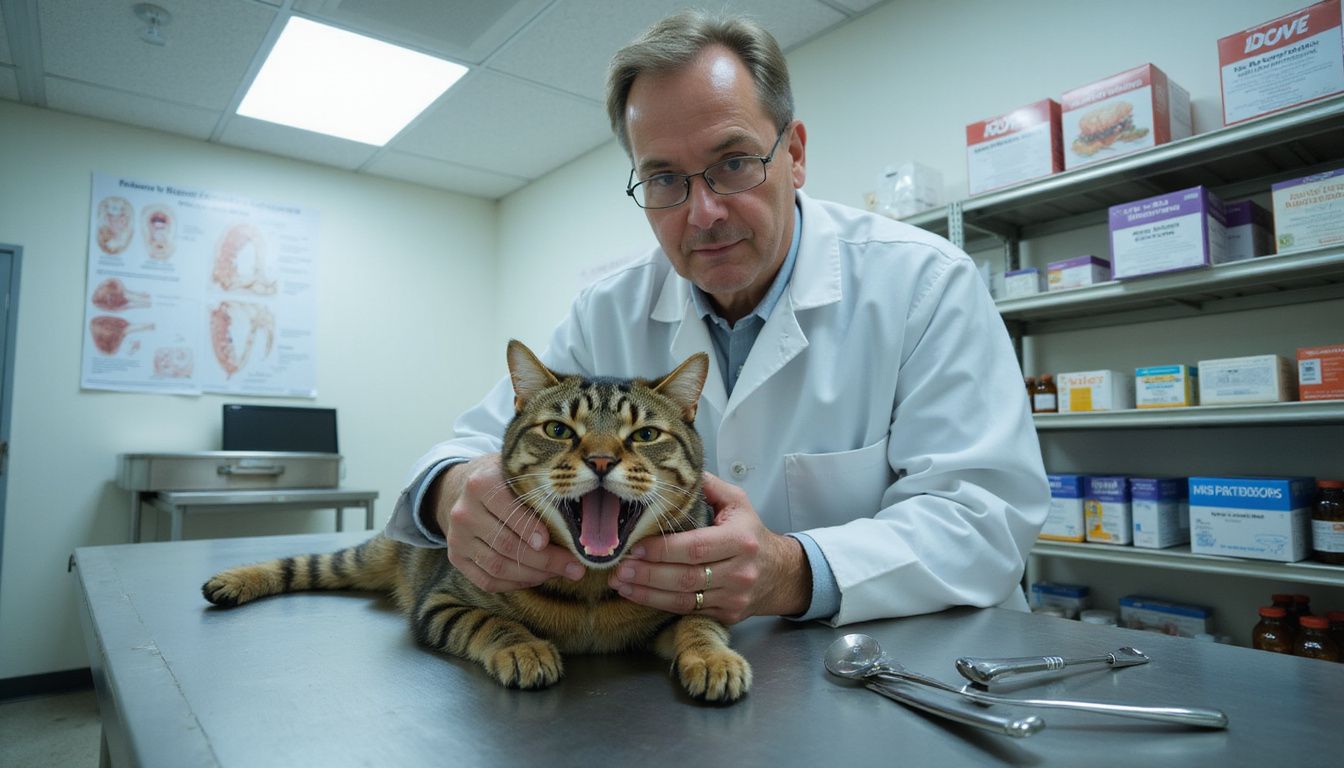
Your adult cat’s teeth need attention just like yours do. Dental disease affects roughly 90% of cats, so acting now prevents serious problems later.
- Schedule annual wellness exams where your vet checks your cat’s mouth for tartar, gingivitis, or tooth resorption, a painful condition that damages teeth from the inside out.
- Know that the 2025 FelineVMA Feline Oral Health and Dental Care Guidelines call for intraoral X-rays under anesthesia, since cats are experts at hiding dental pain and root decay that an awake exam simply can’t catch.
- Understand that genetics play a role in dental disease risk, and most cats need prophylactic dental procedures by ages 3 to 5 to stay healthy.
- Recognize that cats hide dental pain well, which makes it hard to spot problems until damage gets severe.
- Ask your vet how often your specific cat needs dental cleanings. Some cats need them yearly, others every 6 months or every 2 to 3 years.
Extra Support Between Vet Visits
Offer Hill’s Science Diet Adult Oral Care dry cat food or Hill’s Prescription Diet t/d Dental Care to help reduce tartar and gingivitis between cleanings. Add dental treats like Greenies Feline Tempting Tuna flavor or DentaLife Savory Salmon flavor for extra protection.
Keep in mind that dental diets and treats support oral health but never replace professional cleanings. Here’s what can happen when home care gets skipped for too long.
One review of dental outcomes in a 20-cat multi-cat household where home oral care hadn’t happened in two years found 12 cats with moderate to severe tartar and gingivitis, 6 who needed extractions under anesthesia, and 8 with noticeable eating-related behavior changes. Once weekly tooth brushing started, follow-up checks at 3 months showed reduced gingivitis across the group.
That’s a strong reminder: a few minutes of brushing each week really does add up over time.
How Can You Provide Behavioral and Environmental Enrichment for Adult Cats?
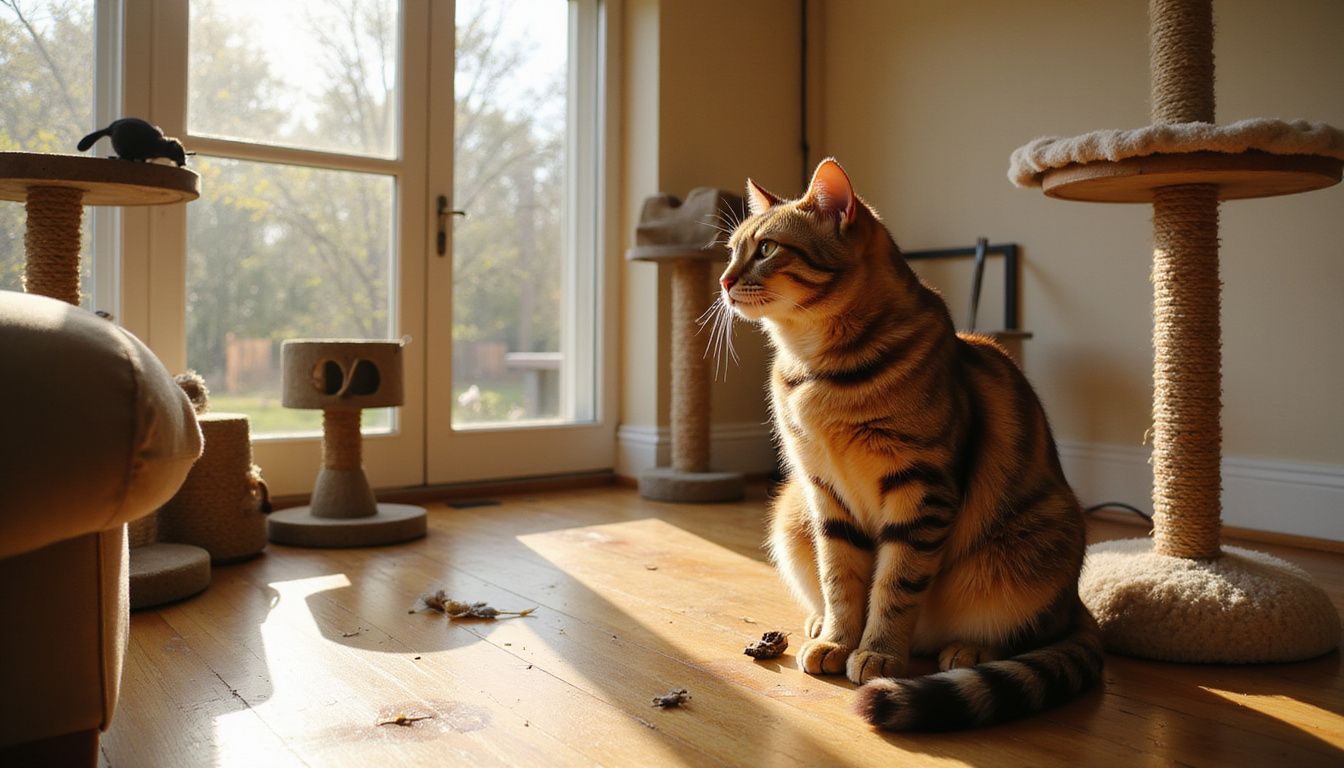
Adult cats thrive when you give them mental and physical challenges throughout the day. Enrichment prevents boredom, cuts down stress, and keeps your cat healthy and happy.
- Set up multiple scratching posts so your cat can fulfill natural scratching instincts and mark territory in appropriate spots.
- Provide perches, towers, and hiding spots at different heights. Cats love surveying their domain from up high.
- Engage your cat with interactive toys that spark play and bonding, rotating them weekly to keep things fresh.
- Use foraging tools like the Doc & Phoebe’s Cat Co. Indoor Hunting Feeder to stir up your cat’s hunting instincts at mealtime.
- Skip string, yarn, or ribbon toys. They risk intestinal obstruction, which is a serious danger.
For Anxious or Stressed Cats
- Try calming pheromones like Feliway during transitions or multi-cat household adjustments.
- Consider calming chews like VetriScience Composure to help nervous cats relax without medication.
- Set up window perches so your cat can watch birds and outdoor activity for free entertainment.
- Keep daily play sessions on the calendar. Regular interaction builds bonding and supports your cat’s overall feline health care needs.
Rotate toys and switch up the environment monthly to prevent boredom and support your cat’s behavioral wellness over the long haul.
Supporting Senior Cats: Ensuring Comfort and Longevity

As your cat grows older, focus on keeping her comfortable, managing her weight, spotting problems early, and building a calm space where she can thrive. Here’s how to give your senior cat the best years possible.
How Should You Monitor Weight and Adjust Diet for Senior Cats?
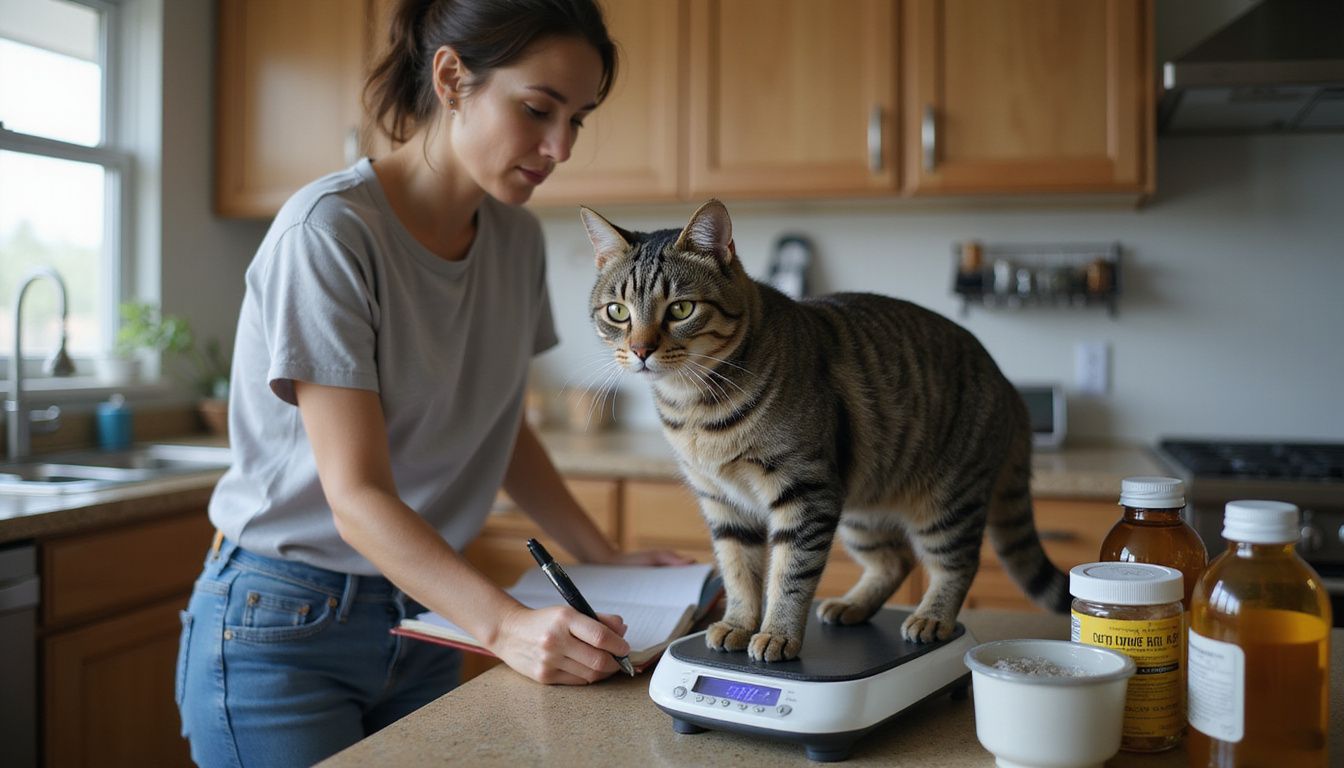
Your senior cat’s weight tells you a lot about her health, so checking it regularly matters more than you might think. Weigh your older cat every month and write down the numbers to catch trends early.
Some older cats lose muscle mass and become underweight due to untreated diabetes or chronic kidney disease. Others struggle with obesity that strains their joints and heart, and honestly, this problem is far more common than most owners realize.
According to a 2026 survey by the Association for Pet Obesity Prevention (APOP), 61% of US cats are classified as overweight or obese, and fewer than 1 in 5 owners report success helping their cat reach a healthy weight once obesity sets in. That’s exactly why catching the extra pounds early, before they become obesity, matters so much.
Talk with your vet about what your specific cat should weigh, then adjust feeding amounts based on those conversations. A canned-food diet often works best for senior cats since it has more moisture and lower calorie density than dry food, helping them stay hydrated and maintain a healthy weight.
One tracking series followed 8 senior cats ages 10 to 15 who switched from dry adult food to a canned senior formula with monthly weigh-ins and portion control. Before the switch, average weight was 10.8 pounds, with 3 cats obese and 2 underweight. After 12 weeks, average weight dropped to 9.9 pounds, obesity fell from 3 cats to 1, and the underweight cats gained 0.8 and 1.1 pounds.
A simple switch to a moisture-rich senior canned formula, paired with portion guidance, can produce real, measurable changes in just three months.
Senior Diet Options and Supplements
Hill’s Science Diet Adult 7+ canned cat food, Royal Canin Instinctive 7+ canned cat food, and Purina Pro Plan Prime Plus Adult 7+ canned cat food all provide balanced nutrition built for aging felines. Watch weight changes closely and check in with your vet if your cat gains or loses pounds quickly.
- CAT LAX hairball prevention gel for digestive support.
- Nutramax Dasuquin joint supplement for joint health.
- Vetoquinol Triglyceride OMEGA for skin and coat condition.
Senior cats may not need heavy supplementation if their diet is already balanced, so let your vet guide you on what your cat actually needs.
What Are the Common Signs of Aging and Health Issues in Senior Cats?
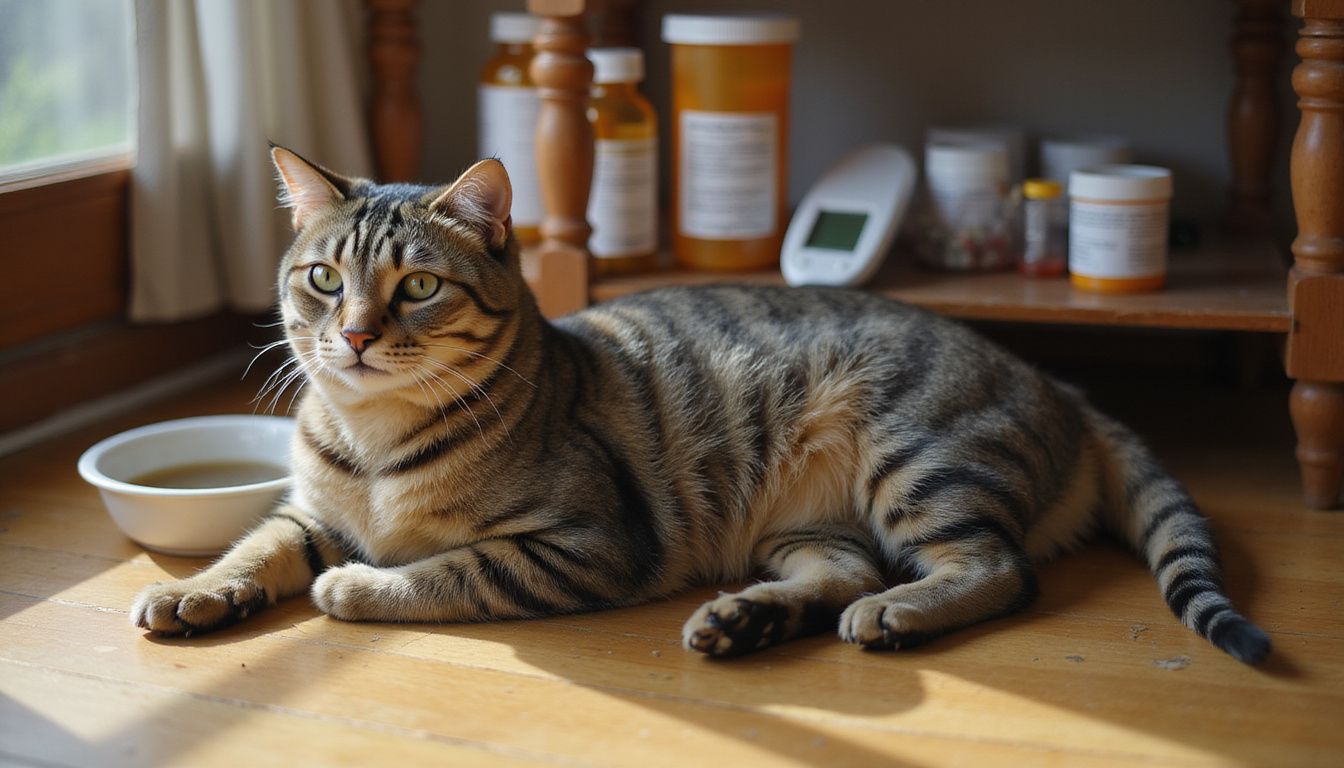
As your cat enters her golden years, spotting the early warning signs of aging becomes your greatest advantage in keeping her healthy and comfortable.
| Common Health Condition | Signs You Might Notice | What Happens |
|---|---|---|
| Chronic Kidney Disease | Increased thirst and frequent urination; weight loss despite eating; bad breath; lethargy | Kidneys struggle to filter waste from blood. Cats drink more water and urinate more often. This condition develops slowly over months or years. |
| Hyperthyroidism | Rapid weight loss; increased appetite; hyperactivity; vomiting; diarrhea; matted fur | The thyroid gland produces too much hormone. Metabolism speeds up dramatically. Senior cats over age 10 face higher risk. |
| Hypertension | Blindness or sudden vision loss; dilated pupils; disorientation; head pressing | Blood pressure rises above normal levels. High pressure damages small blood vessels in the eyes and brain. |
| Inflammatory Bowel Disease | Chronic vomiting; diarrhea; weight loss; poor appetite; abdominal pain | Stomach and intestinal lining becomes inflamed. Food moves through the digestive tract too quickly. Nutrients don’t absorb properly. |
| Dental Disease | Bad breath; drooling; difficulty eating; swollen face; loose or missing teeth | Plaque and tartar build up on teeth. Gums become infected and recede. Tooth roots decay from inside out. |
| Cancer | Lumps or bumps under skin; bleeding from mouth or nose; difficulty swallowing; behavioral changes | Abnormal cells grow and spread throughout the body. Different cancers cause different symptoms depending on location. |
| Arthritis | Stiffness when rising; limping; reluctance to jump or climb stairs; decreased activity; muscle wasting | Cartilage in joints wears down over time. Movement becomes painful. Cats compensate by moving less. |
| Obesity | Visible excess fat; inability to feel ribs; difficulty grooming; shortened lifespan; worsened mobility | Extra weight strains joints and organs. Obesity accelerates arthritis and makes other conditions worse. |
Regular vet visits catch these conditions early. Your vet will recommend blood work, including thyroid levels and retrovirus testing for feline leukemia virus and feline immunodeficiency virus, plus a urinalysis and fecal check to round out the picture.
Kidney disease deserves special attention here. According to the Cornell Feline Health Center, chronic kidney disease affects up to 40% of cats over age 10, and a staggering 80% of cats over age 15. That’s why blood work matters so much: it can reveal kidney trouble long before serious damage sets in.
Most senior cats benefit from these tests every six to 12 months, or more often if health issues come up. Senior cats need wellness exams every six months, not just once a year, because aging raises the odds of health conditions developing quickly.
Managing Pain and Staying Protected
- Pain medications for arthritis meaningfully improve quality of life, even though fewer options exist for cats compared to dogs.
- Some cats respond well to injectable medications, while others do better with oral pain relievers.
- Vaccination should never be skipped as cats age. Senior cats with stable chronic conditions can be vaccinated just like younger adults.
- Protecting against feline leukemia virus and feline immunodeficiency virus stays critical throughout your cat’s life.
Behavioral changes, appetite shifts, or different litter box habits all deserve a vet visit. Catching these signs early makes a real difference in your cat’s comfort and quality of life.
How Can You Create a Safe and Stress-Free Environment for Senior Cats?
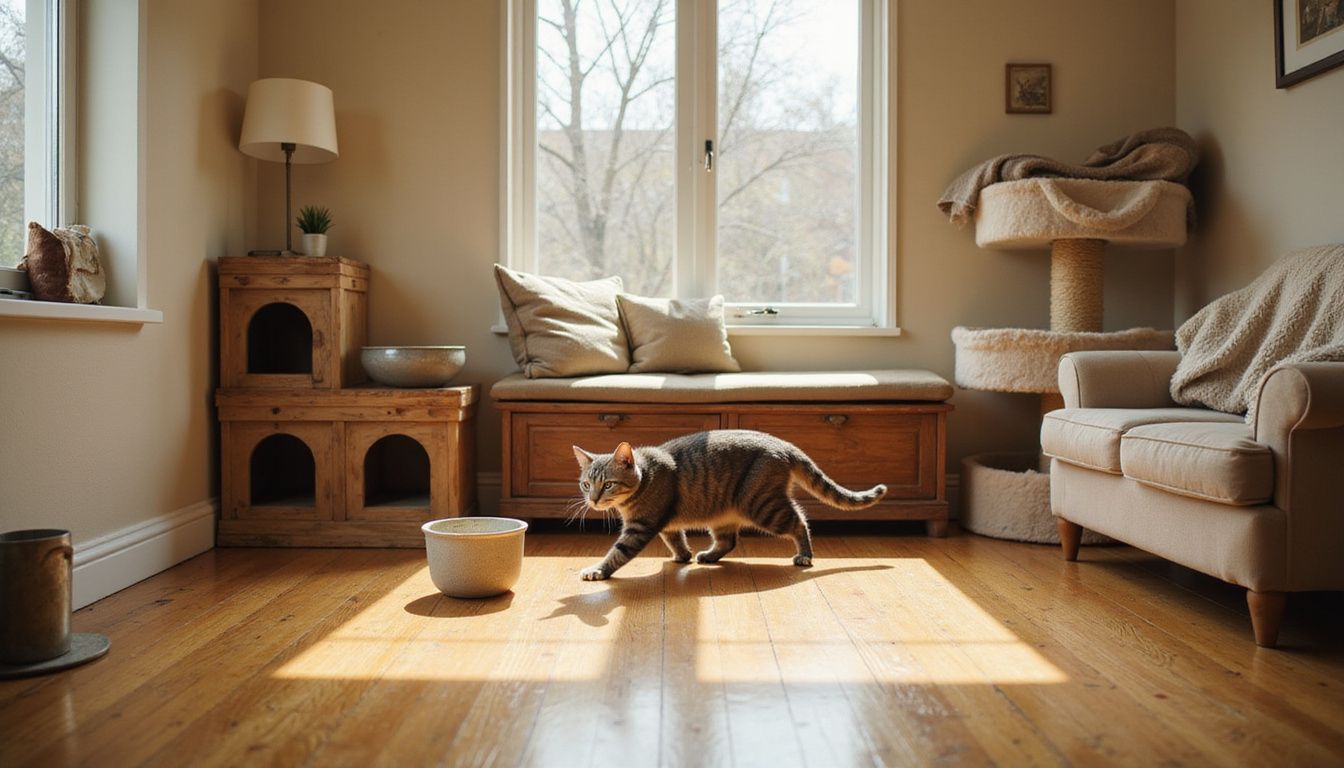
Here’s something that surprises a lot of cat owners: based on radiographic studies cited by the Morris Animal Foundation, up to 90% of cats over age 12 show evidence of arthritis on X-rays, even when they never limp or cry out in pain. Cats are simply built to hide it.
That’s exactly why the environmental changes below matter so much, even for a senior cat who seems perfectly fine on the surface.
- Install low-entry litter boxes so cats with mobility issues can get in and out without strain.
- Place pet stairs or ramps near furniture and beds so your cat reaches favorite spots without jumping and risking injury.
- Leave lights on at night to help cats with declining vision and hearing move around safely.
- Set up scratching posts and perches, like the Frisco 32-inch carpet wooden cat perch or Frisco 20-inch faux fur cat tree, to keep muscles and movement strong.
- Add the PetFusion Ultimate Cat Scratcher Lounge and Frisco 47-inch foldable crinkle cat tunnel for gentle activity that supports joint health.
Daily Habits That Help
- Help with daily grooming, especially once mobility starts to slip.
- Keep food, water, and litter boxes on one floor to cut down on climbing and long walks.
- Watch geriatric cats, ages 15 to 20, closely for signs of pain, nausea, or discomfort since disease risk climbs with age.
- Keep a journal tracking appetite, behavior, and health changes. It’s a great tool to share with your vet.
- Stick to consistent routines and keep loud noises to a minimum, since stress hits senior cats harder than younger ones.
Conclusion
Caring for cats at every life stage takes attention, but the steps stay simple and doable.
Start kittens off right with vaccines, parasite prevention, and spay or neuter surgery before four months old. Feed them high-calorie diets like Hill’s Science Diet formulas built for growth.
Adult cats thrive with annual vet checkups, dental care starting around age three or four, and enrichment through play and environmental stimulation to keep them sharp.
Senior cats, considered such around age eight, need visits every six months to catch kidney disease, diabetes, and hyperthyroidism early, plus diet adjustments and close weight monitoring as their bodies change.
Good cat health care isn’t complicated. It just takes consistency.
Following these steps prevents serious problems, extends your cat’s life, and saves you money on emergency vet bills down the road. The bond you build with your cat grows stronger every time you prioritize her health, turning routine care into an act of love that pays off for years to come.
FAQs
1. What should I feed my kitten versus my senior cat?
Feed your kitten a high-protein formula with at least 30% protein to fuel all that growth, like Hill’s Science Diet Kitten or CleanProtein™. For senior cats, switch to wet food for extra hydration and easier chewing if dental problems pop up.
2. How can I stop my cat from having accidents outside the litter box?
Accidents outside the box usually mean something’s bothering your cat, so try switching to Dr. Elsey’s Cat Attract® or Kitten Attract® litter to encourage good habits. If the problem keeps happening, ask your vet to test for a urinary tract infection, since that’s often the hidden culprit.
3. What vaccines does my cat need, and when?
Your kitten needs the FVRCP vaccine starting at 6 to 8 weeks old, then boosters every 3 to 4 weeks until 16 weeks. Senior cats need regular boosters too, and your vet can map out the right schedule for your cat’s needs. Early spay or neuter surgery is also key, since it lowers the risk of certain cancers down the road.
4. How do I know if my senior cat has kidney failure or cognitive issues?
Watch for changes like increased thirst, confusion, weight loss, or new litter box accidents. About 30% of cats over age 10 develop chronic kidney disease, so regular checkups become really important as your cat ages.