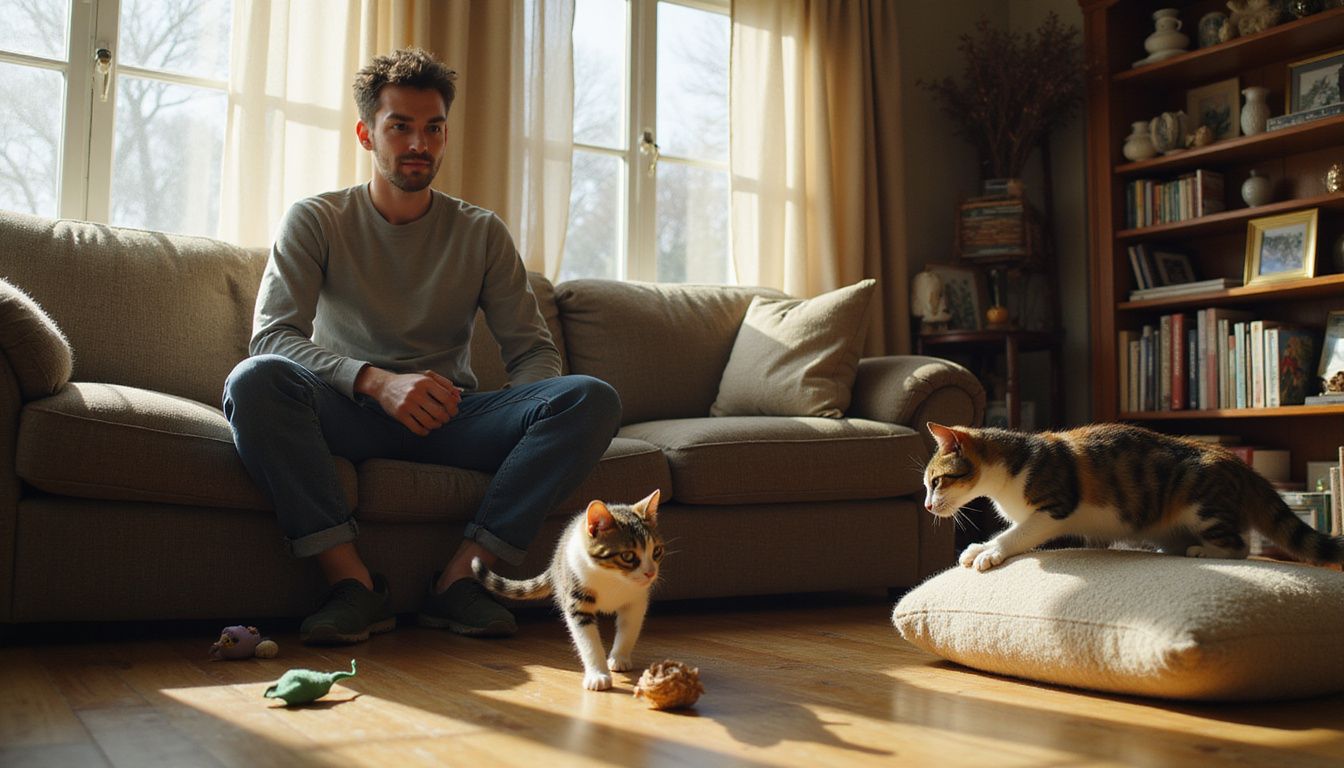
Ever stood in a shelter, staring at rows of cats, and felt totally torn between the sleepy tabby in the corner and the bouncy kitten batting at your shoelaces?
Here’s something I’ve noticed after helping plenty of people through this exact moment: most folks pick a cat based on looks, not on whether that cat’s personality actually fits their daily life.
That’s where cat personality comes in, and it matters more than coat color ever will.
This guide walks you through every step of finding your perfect feline match, from sizing up your daily routine to understanding what different cat breeds actually need. So grab a cup of coffee, and let’s go through it together. By the end, you’ll know exactly what kind of cat will thrive in your world.
Key Takeaways
- Match your cat’s energy level and personality to your lifestyle, schedule, and home so the fit lasts for years, not months.
- Adult cats over five years old suit busy schedules better than kittens. They need fewer vet visits and less constant supervision.
- Short-haired domestic shorthairs demand far less grooming than long-haired breeds, which need daily brushing and regular professional care.
- Senior cats age seven and up offer calm companionship with lower energy, and they often need homes the most.
- No cat is truly hypoallergenic. Every breed produces allergy-triggering proteins, though some shed less dander than others.
Assessing Your Lifestyle Needs

Your daily routine shapes everything about cat ownership. A busy schedule calls for a different cat than a relaxed lifestyle does.
How does your daily routine affect cat care?

Your daily schedule shapes cat ownership more than you might think. According to an analysis of 1.1 million pet surrenders by the Best Friends Animal Society, human-related issues like housing rules, time limits, and lifestyle mismatches are three times more likely to send a cat back to the shelter than any behavior problem the cat has.
That one stat says it all. Picking a cat that fits your actual life isn’t just nice to have. It’s the best way to make sure your new cat stays home for good.
If you work nine-to-five outside the house, an independent cat becomes your best match. Breeds like the Russian Blue or British Shorthair do fine when left alone for long stretches, since they entertain themselves and stay content in their own company.
Work from home instead? Affectionate cats that crave company will flourish under your roof. Siamese and Ragdoll cats bond hard with their people and need regular interactive playtime to feel happy and secure.
- Kittens under one year old: need constant supervision and play, which isn’t ideal for busy families juggling packed schedules.
- Senior cats age ten and up: offer a calmer alternative, settling into quiet routines instead of demanding play sessions.
- Frequent travelers: do better with domestic shorthairs or mixed-breed cats, which often adapt well to solo time.
- Every household: needs a scooped litter box daily. That part isn’t optional no matter your schedule.
Shelters and rescue organizations help match you with cats whose energy level fits your lifestyle, and recent shelter observations back this up. At one rescue facility, staff tracked 30 adult cats during standard workday hours to see who handled solitude well. Over two separate eight-hour observation periods, 18 cats consistently entertained themselves and stayed calm, 7 showed moderate signs they preferred company, and 5 actively sought human interaction all day. This kind of tracking helps adoption counselors point working professionals toward cats that genuinely suit full-day schedules, instead of just guessing based on breed alone.
What home environment is best for different cats?
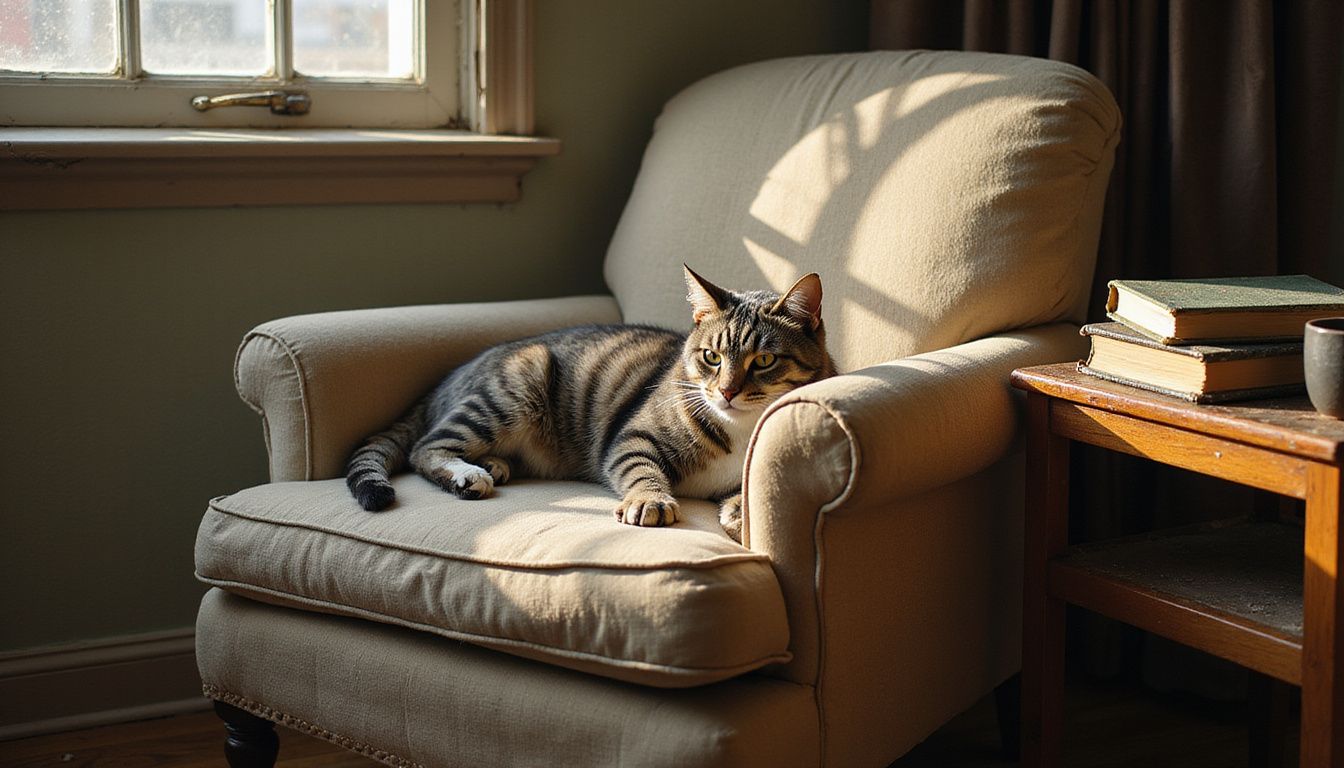
Different cats thrive in different homes, and matching the right feline to the right space makes the difference between a happy cat and a stressed one.
| Home Environment Type | Best Cat Match | Why It Works |
|---|---|---|
| Small Living Spaces (apartments, studios, condos) | Calm, laid-back cats, especially adults over 5 years old | Senior cats need less room to roam, and they’d rather lounge than sprint around. Based on the ASPCA’s Guidelines for Standards of Care in Animal Shelters, cats need at least 18 square feet of personal floor space to stay stress-free, a bar most small apartments clear easily for one calm cat. |
| Quiet Households (minimal noise, peaceful routines) | Calm and laid-back cats | Sensitive cats appreciate tranquility and feel secure in quiet environments. Stress levels stay low, so behavioral issues rarely develop. |
| Noisy or Bustling Homes (active families, multiple people, frequent visitors) | Confident, social cats with adaptability to loud environments | Some cats handle noise without flinching. These resilient cats won’t hide constantly; they actually enjoy the action. |
| Homes with Young Children (toddlers, playful kids) | Calm and laid-back cats | Patient cats tolerate handling and unpredictability without snapping. Gentle temperaments give families real peace of mind. |
| Active Households (frequent play, lots of interaction, energetic owners) | Confident, social cats with moderate to high energy | Playful cats thrive on engagement and handle frequent interaction well. Boredom never sets in for them. |
| Busy or Average Households (standard work schedules, moderate activity) | Cats with moderate energy and moderate sociability | These balanced cats adapt to normal routines and entertain themselves when needed. Consistency matters most for them. |
| Multi-Pet Households (other cats, dogs, small animals) | Social, confident cats with proven compatibility | Sociable cats navigate shared spaces smoothly and communicate well with other animals, so introductions go easier. |
| Homes Needing Low Maintenance (minimal grooming time, busy schedules) | Domestic shorthairs | Domestic shorthairs groom themselves with minimal brushing required, so shedding stays manageable and grooming time stays low. |
Matching environment to temperament prevents regret later. A calm cat in a quiet home purrs contentedly, while a social cat in an active household bounces with joy. Mismatches lead to frustrated owners and anxious cats.
Take time to honestly look at what happens daily in your home. Does noise fill the air constantly? Do people come and go all day? Is the space cramped or spacious?
Domestic shorthairs fit most situations since they’re adaptable, low-maintenance companions. Adult cats over five years old settle beautifully into small apartments and quiet homes, while confident, social breeds handle bustling households without breaking a sweat. A cat breed selector quiz can help you narrow down which cats match your specific living situation.
Personality and Temperament
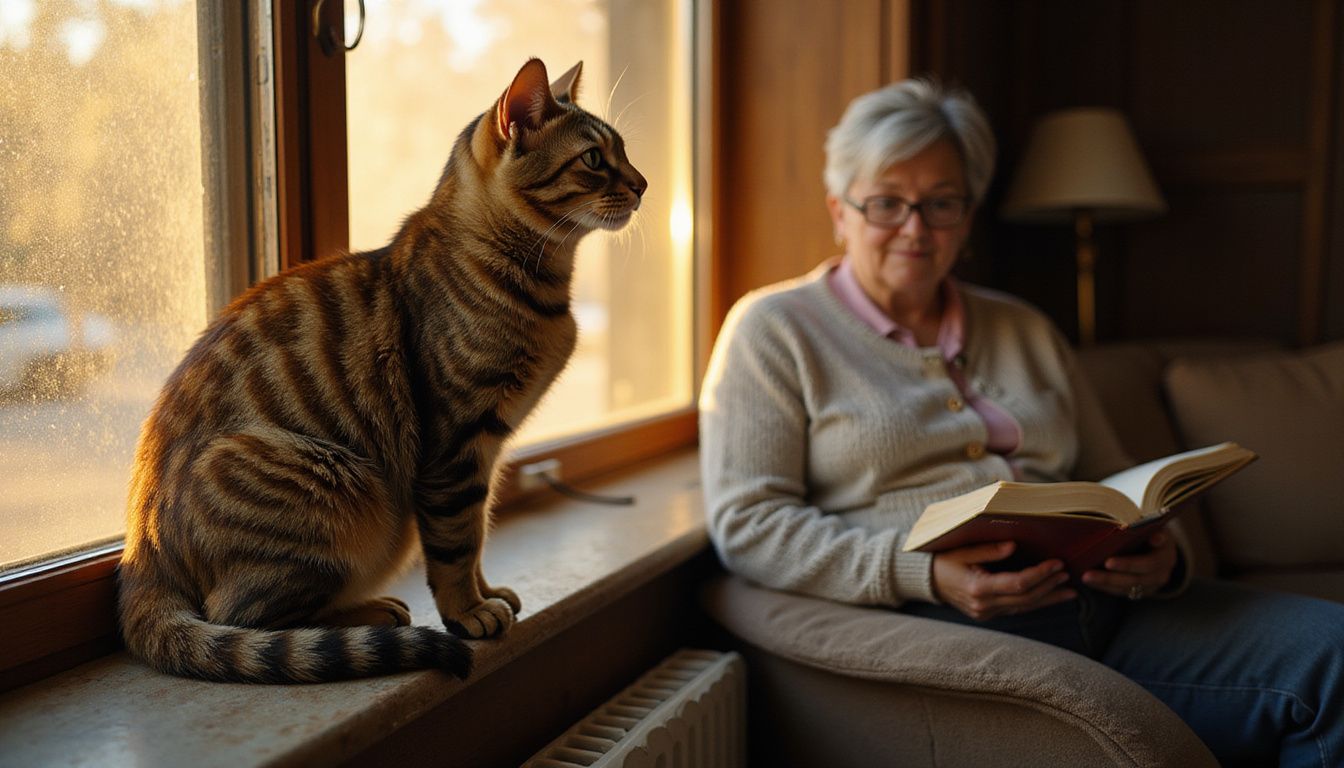
Your cat’s personality shapes your entire relationship together. Some cats crave constant attention and play, while others prefer solitude and independence, and that difference matters more than you might think.
Do you want an independent or affectionate cat?
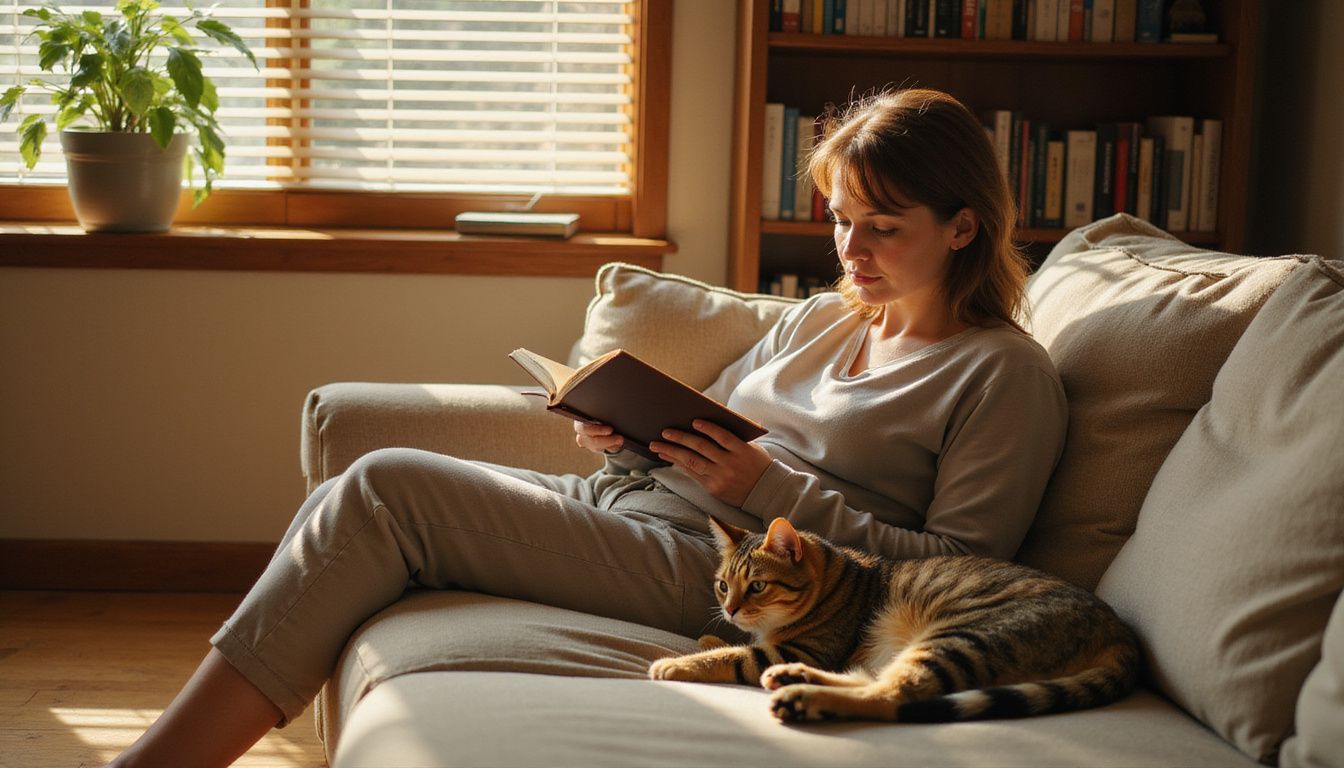
This question sits at the heart of finding your perfect feline match. Cats generally fall into two personality camps, and knowing which one suits you matters more than any breed standard.
Affectionate cats act like Velcro pets. They crave company, follow you from room to room, and want lap time whenever you sit down.
Independent cats offer companionship without the neediness. They entertain themselves, nap for hours, and show affection only on their own terms.
According to a landmark 2019 study by Oregon State University published in Current Biology, roughly 65 percent of cats form a “secure attachment” to their human caregiver, the exact same rate found in human infants and dogs. So no, your cat isn’t secretly indifferent to you. Affectionate cats genuinely rely on you for a sense of security.
If you work long hours or prefer a low-key household, an independent breed like the American Shorthair or Scottish Fold might fit perfectly. If you work from home and want that bond, Siamese and Ragdoll cats thrive on socialisation and regular engagement.
- Affectionate picks: Siamese, Ragdoll, and other social breeds that want daily interactive playtime.
- Independent picks: American Shorthair, Scottish Fold, and similar low-key breeds that do fine solo.
- Personality beats looks: a stunning, exotic-looking Bengal cat might crave nonstop play, while a plain tabby from a rescue could be exactly the calm companion you need.
Rescue organizations and shelter staff keep detailed personality notes that reveal whether a cat bonds intensely or keeps its emotional distance. Personality traits should outweigh looks every time. Breed quiz tools and adoption consultants help match cat personality to your actual lifestyle, not your fantasy of cat ownership, and that alignment prevents heartbreak later.
How social or interactive is the cat?
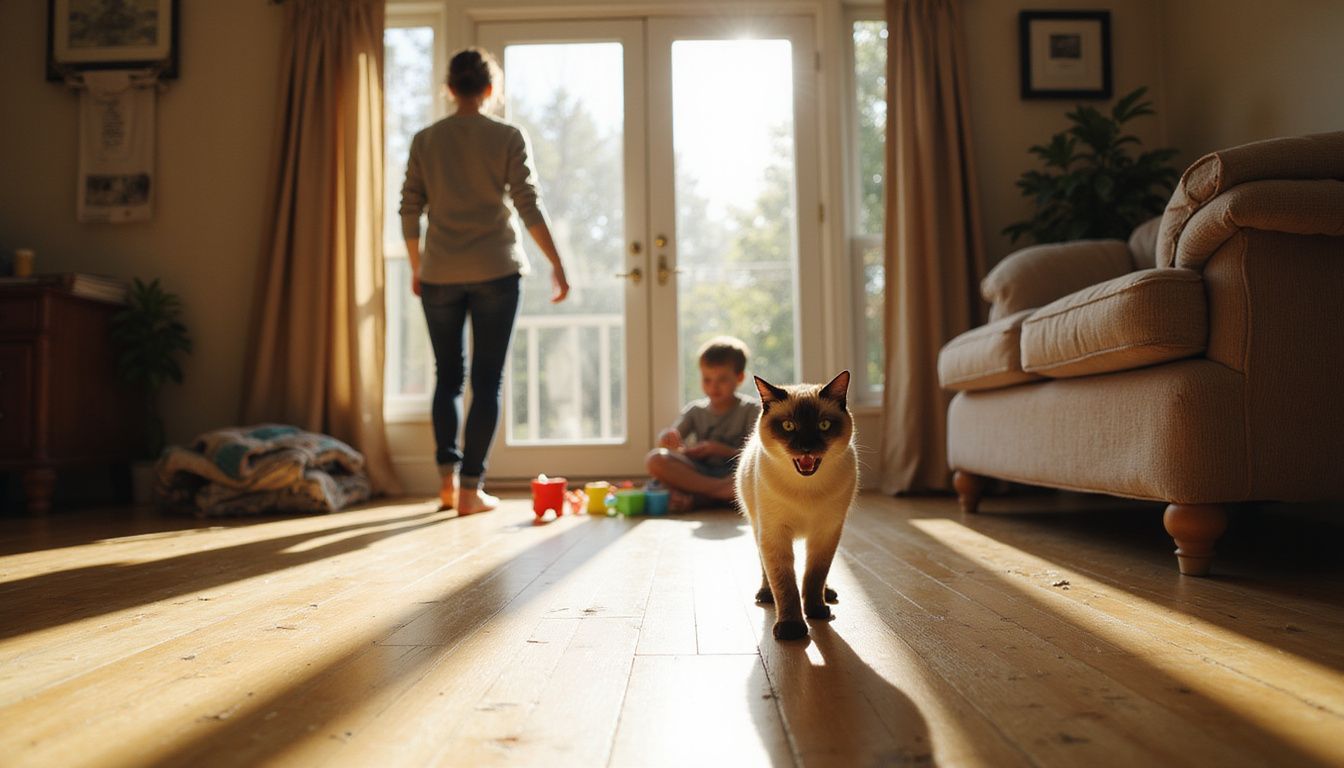
Now that you’ve thought about how affectionate you want your cat to be, it’s worth exploring how chatty and interactive your feline friend will actually be. Sociability matters just as much as cuddliness, and it shapes your entire daily experience together.
Some cats thrive on constant conversation and play, while others prefer quiet companionship in the background. Rescue cats offer a real advantage here, since their previous home histories reveal exactly how talkative and interactive they truly are. You’ll know upfront whether you’re adopting a social butterfly or a laid-back companion.
- Chatty breeds: Abyssinian and Tonkinese cats are natural talkers, following you room to room with vocal meows.
- Calm, sociable breeds: British Shorthair cats bring a relaxed presence to homes without overwhelming you.
- Outgoing, family-friendly breeds: Maine Coon and Siberian cats love being part of the action and rarely hide when guests arrive.
Your household setup plays a big role here. Active homes with kids benefit from confident, social cats that handle interaction without stress, while quiet homes suit reserved cats just fine. Adult cats from pet adoption programs tend to settle into established routines more easily than kittens, which helps if you already have pets or young children at home. A cat breed selector tool or a chat with breeders can help you match your lifestyle to the right personality type, so both of you end up genuinely happy together.
Age and Life Stage
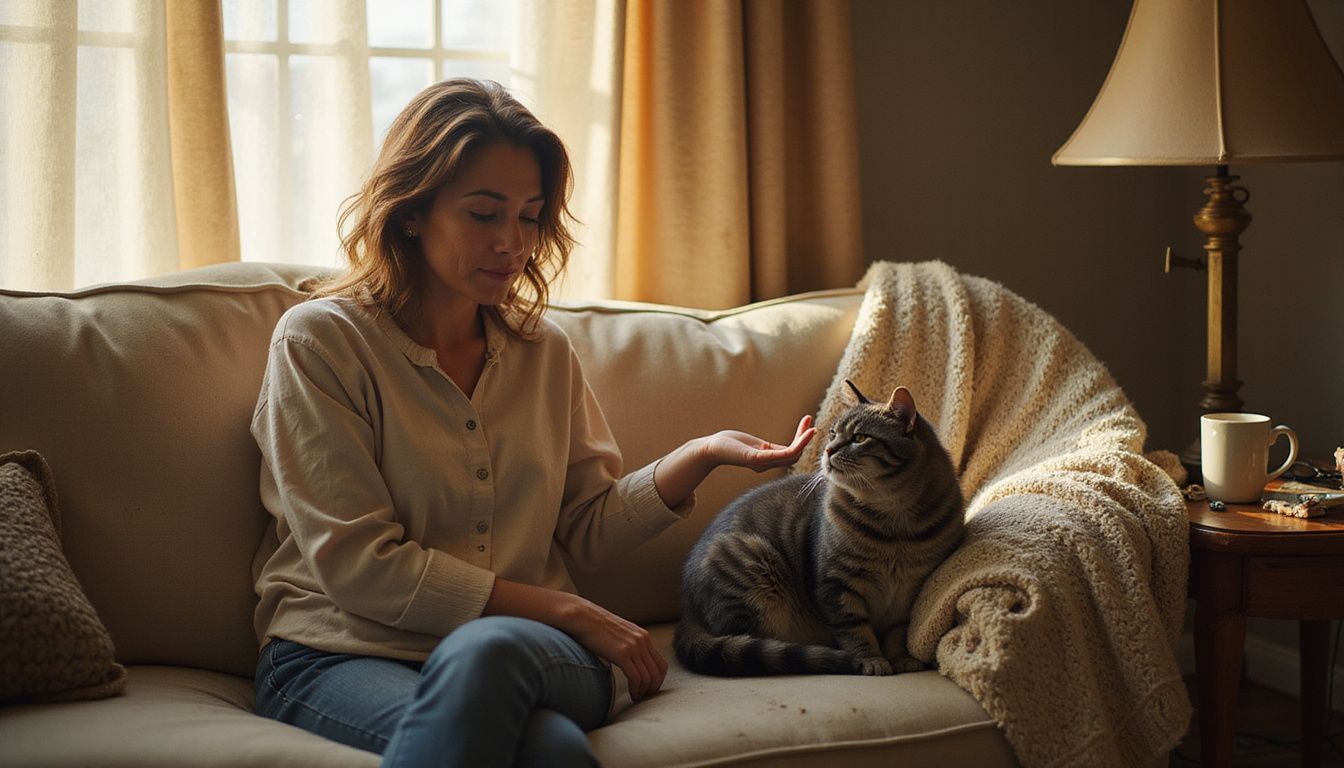
Your cat’s age shapes everything about your relationship together. A kitten brings energy and play, while an adult cat or senior offers calm companionship and an established personality.
Should you choose a kitten or an adult cat?
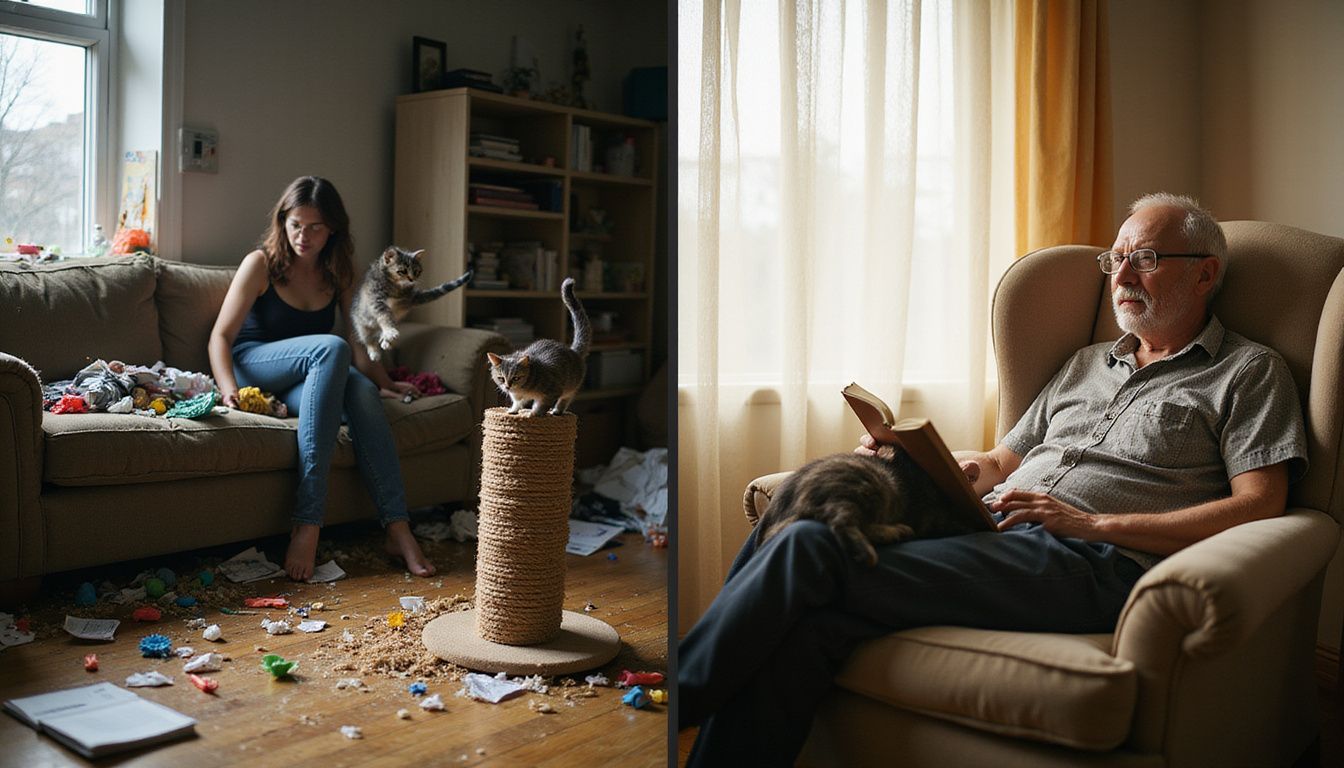
Picking between a kitten and an adult cat shapes everything about life with your new companion.
| Factor | Kittens | Adult Cats |
|---|---|---|
| Veterinary Care | Require multiple vet visits for vaccinations, spaying, and neutering. This demands time and money upfront. | Already spayed, neutered, and current on vaccinations. Far fewer medical appointments needed right away. |
| Personality Development | Behaviors still developing. That playful kitten may change significantly as it matures. | Personality fully formed. What you see is what you get, which matters if you want a predictable companion from day one. |
| Household Integration | Can struggle with existing pets or children. Requires careful introduction and supervision during adjustment. | Integrate smoothly into homes with other animals or kids. Calmer demeanor eases the transition significantly. |
| Behavioral Challenges | Climb curtains, knock items off shelves, and create general mischief. Adopting two kittens together reduces destructive behavior and keeps them entertained. | Display fewer destructive habits. More settled routines make them easier to manage in any living space. |
| Time Commitment | Demand constant attention, play sessions, and training. Exhausting for busy schedules. | Need less hands-on engagement. A solid fit for moderate or demanding work schedules without the guilt. |
| Long-term Planning | Commit to roughly 15 to 20 years together. Budget for every life stage ahead of adoption day. | Fewer years ahead, but costs stabilize fast. Data from the 2025 Synchrony Financial Pet Lifetime of Care Study shows a kitten’s first year alone can cost $960 to $2,500 in vaccines, surgery, and starter supplies, a bill adult cats mostly skip. |
Kittens burst with energy and charm, but they’ll drain your patience fast. Training takes weeks, accidents happen on carpets, and furniture gets scratched.
Adult cats offer reliability kittens simply cannot match. Already spayed or neutered, already vaccinated, already past the chaos phase, they’re the calmer bet financially and emotionally. Think of adopting an adult cat like choosing a book you’ve already read reviews for, not gambling on an unknown ending.
Some adoption programs now offer structured trial periods that remove the guesswork entirely. Programs using this model report that most participants complete the process feeling far more confident about compatibility before committing. The typical trial unfolds in five steps:
- A two-hour meet-and-greet at the facility
- A two-day home trial with daily behavior notes
- A mid-trial video check-in with staff
- An optional three-night foster extension if questions come up
- A final adoption decision within seven days
This trial approach lets you see how the cat actually behaves in your home, rather than relying on shelter descriptions alone.
Getting two kittens together solves the loneliness problem and cuts mischief roughly in half, since they wrestle and tire each other out instead of shredding your curtains solo. Adult cats, on the other hand, shine for packed schedules or homes with existing pets. Integration happens faster, stress drops, and compatibility becomes clear within days rather than months.
Consider what fits your life right now, not what sounds cute in theory. Kittens work if you have flexibility and patience. Adult cats work if you want a calm, predictable friend who’s ready to settle in immediately.
What special care do senior cats need?
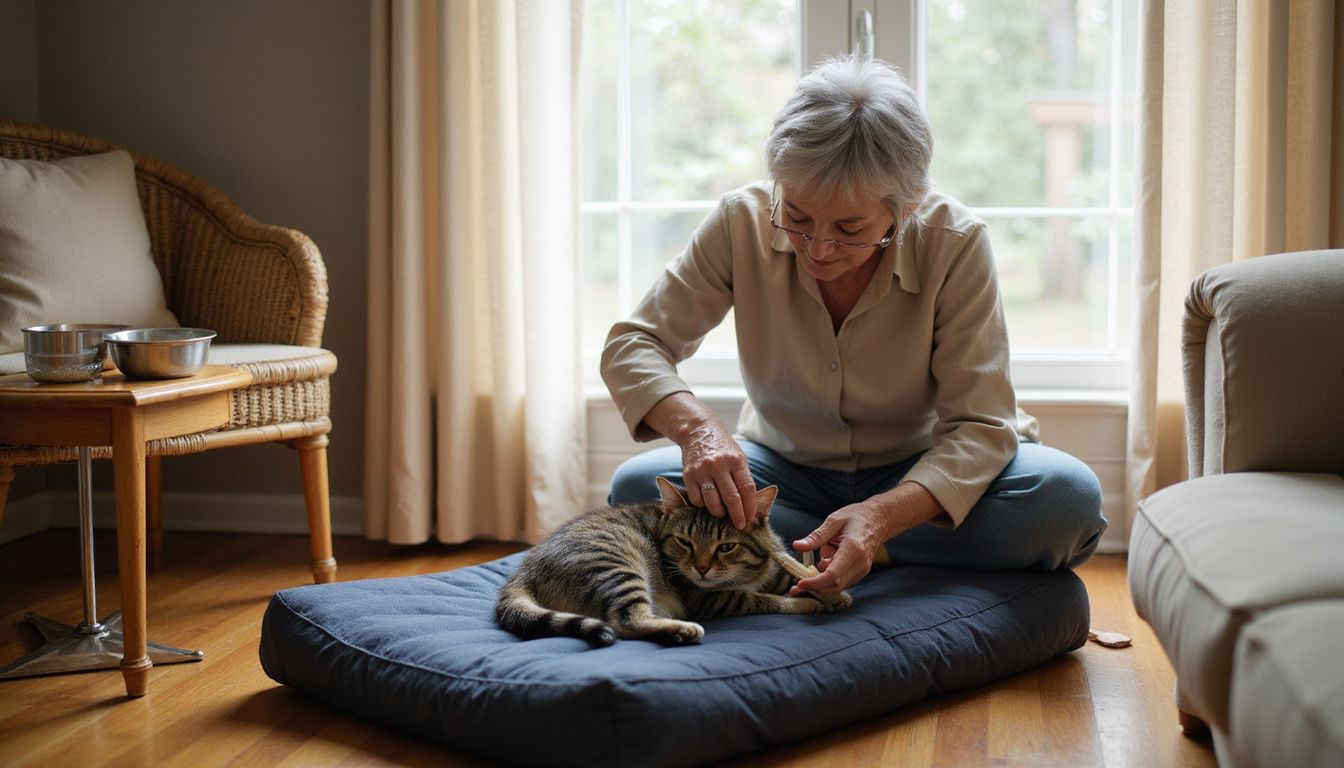
Senior cats bring calm energy and deep affection to your home, but they do need thoughtful care to thrive. According to the updated American Association of Feline Practitioners Feline Life Stage Guidelines, cats are officially classified as “Mature” at age 7 and “Senior” at age 10, and once your cat reaches that senior stage, vet check-ups should happen at least twice a year since health can shift fast.
Your older feline friend may struggle with arthritis, dental issues, or vision problems, so a quality diet and consistent veterinary care matter more than ever. Lower energy levels mean less chaos around the house and, often, fewer surprise vet bills down the road.
- Watch closely for signs of discomfort or changes in behavior day to day.
- Set up soft bedding in quiet spots where they can rest undisturbed.
- Brush more often if grooming becomes harder for them to manage alone.
- Raise food and water bowls to comfortable heights to ease strain on aging joints.
Senior moggies often need homes the most, and they reward your kindness with peaceful companionship that feels genuinely special. These cats settle into quiet environments beautifully, offering plenty of love without demanding constant interaction.
Grooming and Maintenance
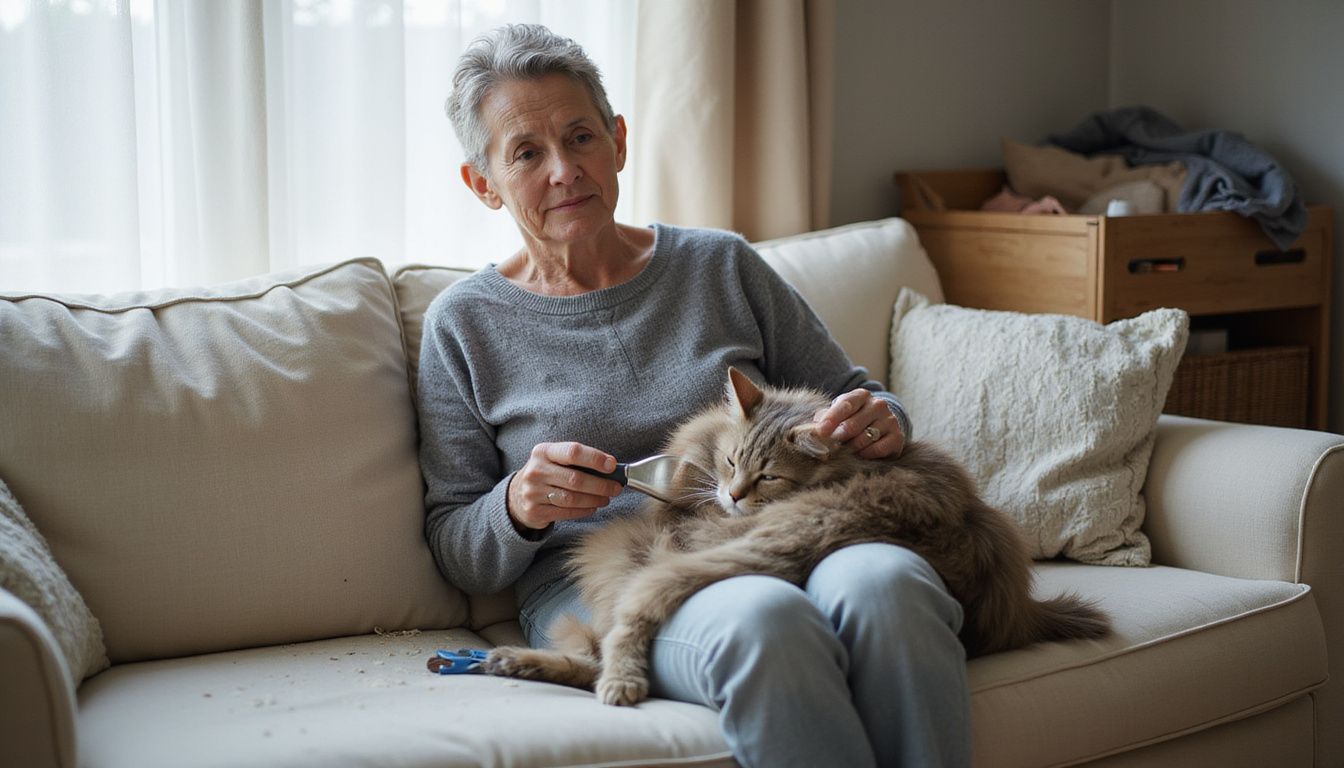
Your cat’s coat type shapes how much grooming work you’ll handle each week, and shedding levels vary wildly across breeds. Hypoallergenic cat breeds like Balinese and Oriental cats produce fewer allergens, though no cat stays completely allergen-free, so factor grooming time into your schedule before you adopt a cat.
How do coat type and shedding affect grooming?
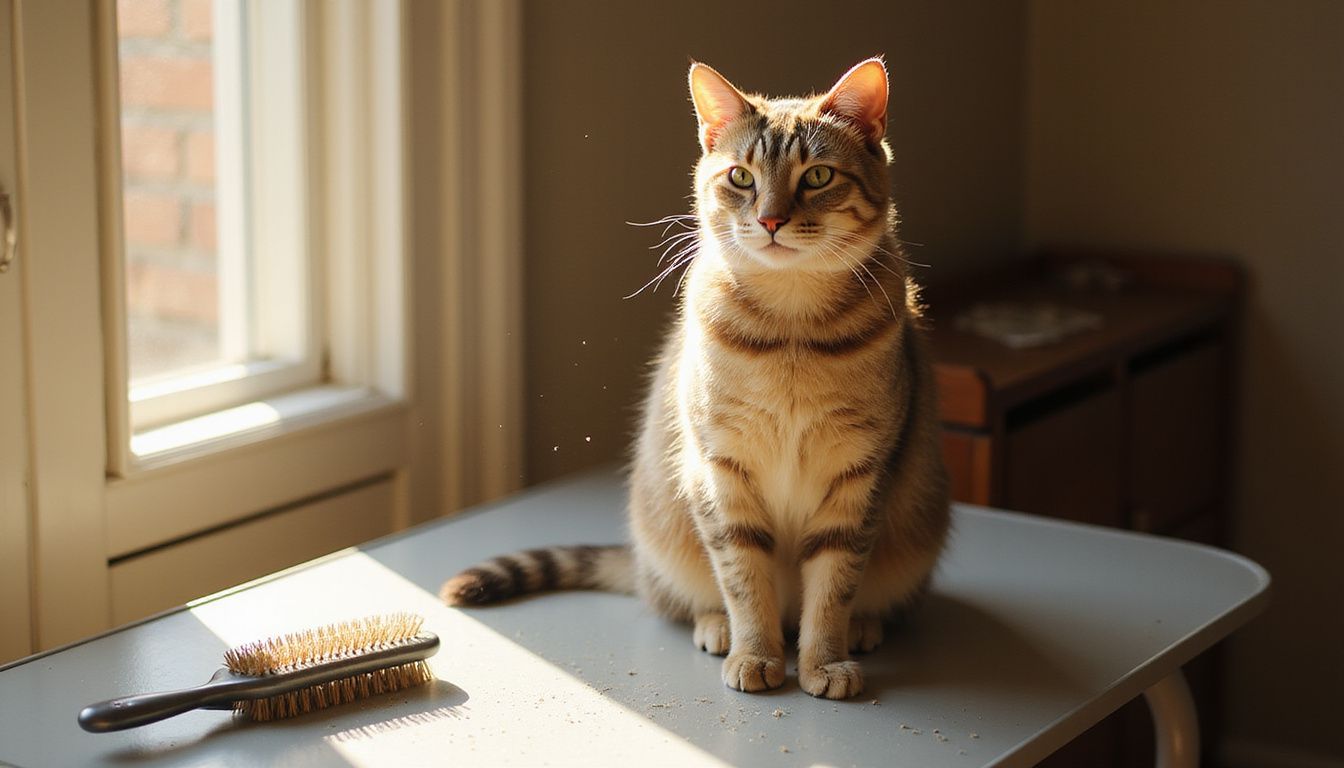
Understanding coat types helps you pick a cat that fits your schedule and cleaning tolerance.
| Coat Type | Shedding Level | Grooming Needs | Best For |
|---|---|---|---|
| Short-Haired Cats | Minimal to moderate shedding | Brush 1-2 times weekly; low maintenance overall | Busy owners and first-time cat parents wanting simplicity |
| Domestic Shorthairs | Less shedding than long-haired breeds | Basic brushing; minimal professional care needed | Those wanting a straightforward grooming routine |
| Long-Haired Cats | Heavy shedding; more dander production | Daily brushing required; professional grooming every 4-6 weeks | Owners with flexible schedules and grooming commitment |
| Medium-Length Coats | Moderate shedding | Brush 2-3 times per week to prevent matting | People seeking a middle ground between care levels |
Short-haired cats shed way less than their long-haired cousins, which means fewer hairballs and simpler cleanup. Domestic shorthairs rank among the easiest cats to maintain, since brushing them once or twice a week keeps their coat healthy.
Long-haired cats need real time investment. Mats form fast without daily brushing, and professional grooming every four to six weeks becomes a regular part of the budget.
Regular grooming helps every coat length, not just long hair. It spreads natural oils, keeps skin healthy, and cuts down on loose fur around the house. Think of it as preventive care, not pampering.
A basic grooming kit makes home care simple. Most owners keep these tools on hand:
- Slicker brush for working through mats
- Deshedding tool to pull out loose undercoat
- Nail clippers for regular trims
- Ear cleaning solution and dental wipes
Shedding season hits hard in spring and fall, when most cats blow their coat. Doubling your brushing during those months keeps mats and loose hair under control.
Neglected long-haired coats develop painful mats that trap moisture and invite skin infections, so staying ahead of it protects your cat’s health, not just your furniture. Shedding intensity also varies between individual cats, even within the same breed. Spending time with a cat before adoption, at a shelter or through pet adoption counselors, shows you its real shedding pattern better than any breed description could.
How often do cats need grooming and are hypoallergenic cats real?
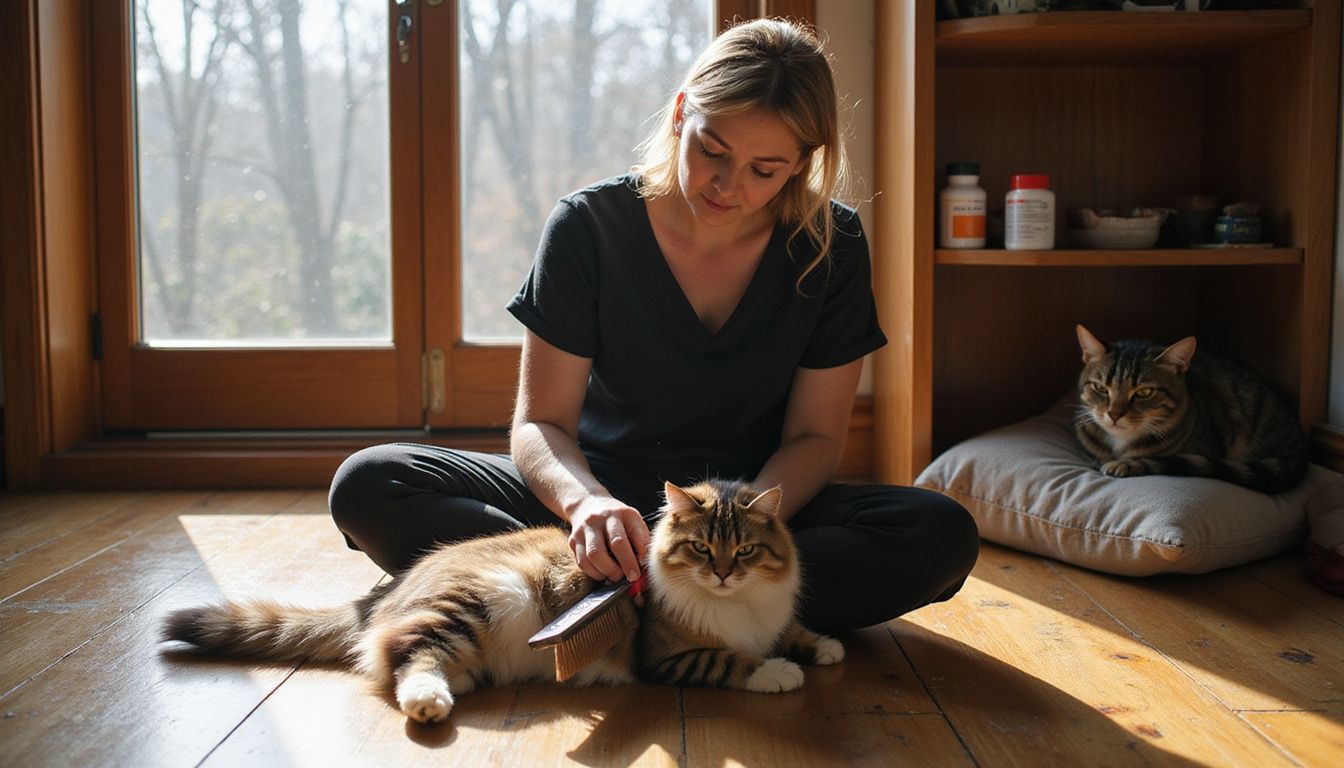
Grooming needs depend on your cat’s coat type and your own tolerance for loose fur. Domestic shorthairs mostly groom themselves, so you won’t spend hours with a brush in hand.
Longhaired cats like Birmans and Himalayans need more attention to prevent mats and control shedding. Weekly or twice-weekly sessions keep their coats healthy, so adjust the schedule based on what you notice around your own home.
Hypoallergenic cat breeds exist in name only. Balinese, Russian Blue, and Siberian cats produce less of the allergy-triggering Fel d 1 protein or shed less dander, which helps some people, but no cat is fully allergen-free. That protein lives in saliva, urine, and skin oil, not just loose fur.
Here’s some genuinely good news for allergy sufferers, though. A decade-long Purina Institute study showed that Purina Pro Plan LiveClear, a diet built to neutralize Fel d 1 in a cat’s saliva, cut active allergens on hair and dander by an average of 47 percent starting in the third week of feeding. That’s a real, science-backed option beyond just picking a specific breed and hoping for the best.
- Lower-shedding breeds to consider: Balinese, Russian Blue, Siberian
- Diet-based option: Purina Pro Plan LiveClear, shown to cut active allergens by 47 percent
- Golden rule: spend time with the exact cat you’re considering before you commit
Pet nutrition, individual cat behaviour, and your own body’s reaction all play a role that no pure-bred guarantee or cat breed library description can predict for you.
Conclusion
You’ve now got the roadmap for finding your perfect feline match, from sizing up your daily schedule and living space to figuring out which cat personality actually clicks with your world.
Energy level matching matters most.
Whether that means a calm senior cat, a steady adult, or a bouncing kitten who can keep pace with your family, the goal stays the same: fit the cat to your real life, not the other way around.
Tools like the Purina Cat Breed Selector and platforms such as WeRescue connect you with shelter staff who know their cats inside and out, making the whole search feel a lot less like guesswork.
Resources from Nestle Purina PetCare UK&I and JustAnswer round out the picture with guidance on grooming needs, health concerns, and breed traits, so you walk into pet adoption prepared.
Take the time now. Getting the cat personality match right turns years of cat ownership into years of real companionship, and that beats chasing “perfect” every time.
FAQs
1. Where can I find rescue cats if I want an exotic breed?
Groups like WeRescue often feature exotic breeds in their rescue listings, which are updated regularly as new cats arrive. Check back frequently since available cats change quickly.
2. Does Nestle Purina PetCare UK&I offer advice on choosing a cat?
Yes, their breed selector tool covers over 40 cat breeds and helps match them to your lifestyle and home setup.
3. Can I ask a vet online before picking a cat breed?
You can, and JustAnswer connects you with licensed veterinarians available around the clock to discuss breed-specific health concerns. It’s a smart step before you commit.
4. Did any celebrities help make certain cat breeds popular?
Definitely, and Cher has been notably associated with exotic and rare cat breeds throughout her career. Celebrity preferences can spark interest in specific breeds. Always pick a cat based on your own daily life and home environment, not just what’s trendy.