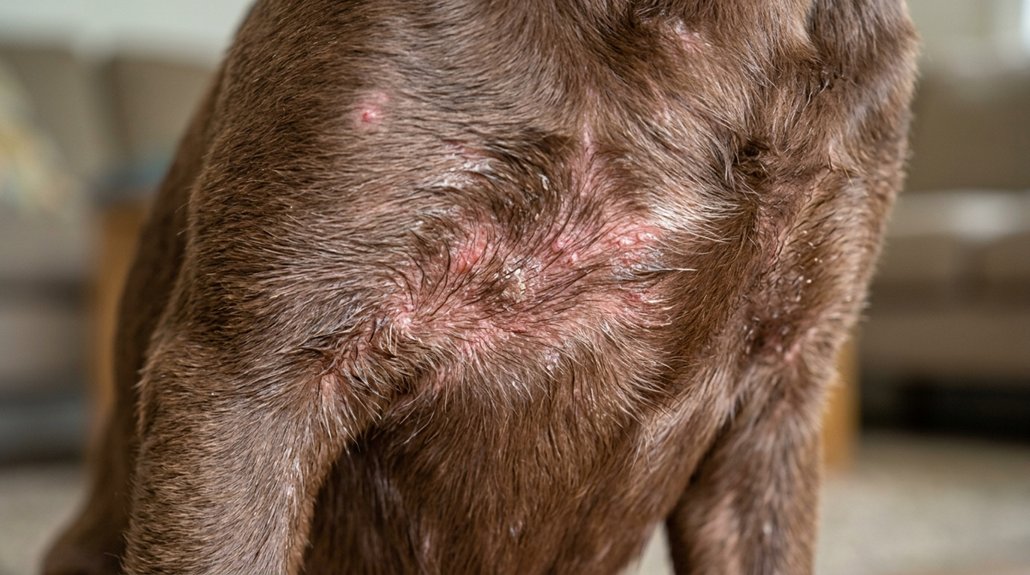
You’re probably noticing your dog’s persistent itching, redness, or hair loss, which are common signs of skin issues. Causes range from allergies (food, environmental, flea) and infections (bacterial, fungal) to parasites and hormonal imbalances. Treatments include antibiotics, antifungals, and medicated shampoos. Maintaining proper hygiene and a balanced diet can help prevent recurring problems. Veterinary consultation is key for an accurate diagnosis and effective management. Explore further to uncover more detailed strategies for treating and preventing these conditions.
Key Takeaways
- Allergic dermatitis, bacterial, and yeast infections are common causes of dog skin issues.
- Persistent itching, redness, and hair loss are symptoms indicating potential skin problems in dogs.
- Diagnose skin problems through veterinary exams, skin tests, and allergy assessments.
- Treatments include antibiotics, antifungals, medicated shampoos, and dietary adjustments to manage infections.
- Regular grooming, balanced nutrition, and environmental control prevent future skin issues in dogs.
Recognizing Common Dog Skin Problems
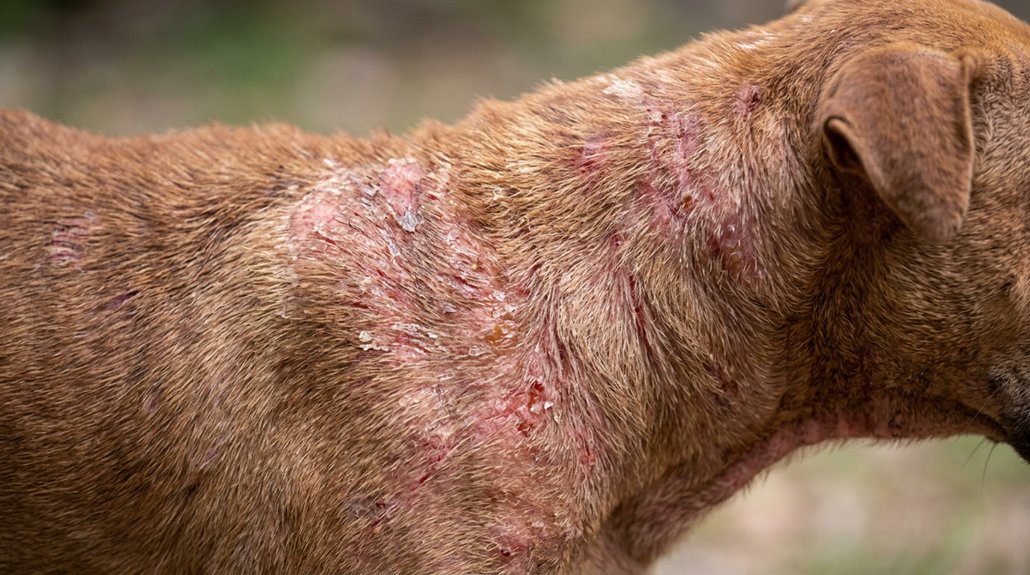
Recognizing dog skin issues isn’t always straightforward due to the variety of symptoms that can manifest. Skin irritation causes include allergic dermatitis and infections like pyoderma and yeast, presenting with signs such as persistent itching, redness, and hair loss. Allergies, often triggered by environmental factors like pollen or specific foods, considerably impact your dog’s skin health, leading to irritation and discomfort. Nutrition impact is also essential; a balanced diet can support skin integrity and reduce sensitivity to allergens. Bacterial infections, indicated by red bumps and pustules, and yeast infections, characterized by a musty odor, require specific treatments. Regular veterinary visits are critical to properly diagnose these overlapping symptoms and develop an effective treatment plan tailored to your dog’s needs.
Early Signs of Dog Skin Disorders
Persistent scratching, licking, or biting at the skin often serves as an early indicator of underlying skin disorders in dogs. Redness, inflammation, or bald patches might signal an immediate issue linked to diet impact or grooming habits. Dogs’ skin can be sensitive to environmental factors like seasonal changes, potentially exacerbating conditions. Scales, flakes, or greasy skin suggest underlying imbalances, where nutrition balance and hormone influences play essential roles. Breed susceptibility can make certain dogs more prone to these issues, necessitating tailored care. Stress reactions may heighten sensitivity, leading to increased grooming or rubbing against surfaces. A musty odor from the skin or ears often indicates yeast infections or bacterial overgrowth, and therefore requiring timely intervention to address these concerns effectively.
Understanding Allergic Dermatitis in Dogs
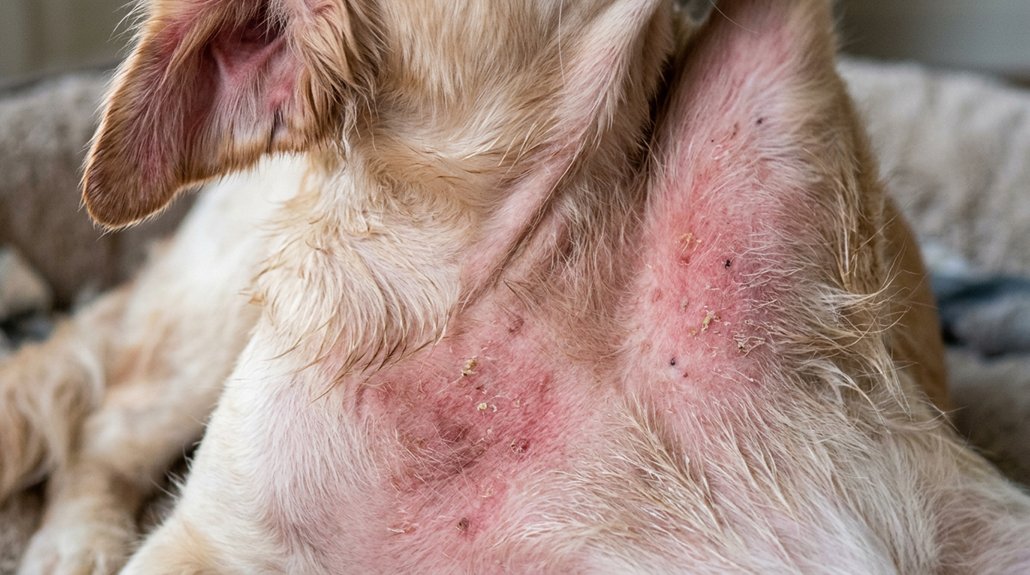
Early indicators of skin disorders can sometimes lead to more complex conditions such as allergic dermatitis. This is mainly caused by allergic triggers like pollen, mold, dust mites, and certain food ingredients. These environmental factors accelerate an immune response, resulting in persistent itching, redness, and scratching, potentially causing skin damage and secondary infections. With veterinary guidance, a dual approach involving avoidance of allergens and the administration of prescribed allergy medications or topical treatments provides symptom relief. Diagnosis might include allergy testing by your veterinarian to pinpoint specific sensitivities. Regular grooming is vital to minimize flare-ups, alongside dietary management to support ideal skin health. Exploring all available treatment options is essential for managing your dog’s allergic dermatitis effectively.
The Role of Parasites in Dog Skin Health
You’ll find that external parasites like fleas, ticks, and mites considerably impact your dog’s skin health by triggering itching, redness, and hair loss. To prevent infestations and the associated complications such as secondary infections, you’ll need to regularly administer approved preventive treatments like NexGard® or Revolution®. Understanding the environment you’re in—especially tick-endemic areas—is essential for effective prevention and treatment strategies.
Common Dog Skin Parasites
When it comes to maintaining your dog’s skin health, understanding the role of common parasites is vital. Fleas, ticks, and mites are notorious culprits, each presenting unique challenges. The fleas life cycle demonstrates how rapid reproduction can lead to severe infestations, causing flea allergy dermatitis. Tick removal is imperative to prevent the transmission of diseases such as Lyme disease. Mites contribute to mange symptoms, necessitating mite treatment for alleviating skin irritation. Effective parasite health management focuses on flea prevention through products like NexGard®, safeguarding against such threats. Implementing preventive measures and proper infestation management further supports ideal skin health.
- Fleas: Quick reproduction intensifying infestations
- Ticks: Diseases requiring prompt removal
- Mites: Mange causing skin irritation
- Dermatitis: Result of flea allergy
- Preventive products: Essential for parasite control
Preventing Parasite Infestations
Although maintaining a dog’s skin health involves various factors, preventing parasite infestations remains paramount. Fleas, ticks, and mites pose significant risks, causing intense itching and possible infections. Employ grooming techniques to detect parasites early, and practice seasonal awareness to address heightened risks when environmental conditions favor their proliferation. Effective environmental management, such as reducing humidity, is essential in controlling parasite lifecycle. Careful product selection, including options like NexGard®, Bravecto®, and Revolution®, supports thorough flea control and dog health. Holistic care involves regular veterinary check-ups and consistent use of preventive medications. For safe alternatives, consider home treatments integrated with professional advice. Maintaining awareness of these strategies helps keep infestations at bay, ensuring peak skin health for your pet.
Effective Parasite Treatments
Understanding the role of parasites in dog skin health is imperative after identifying preventive strategies. Common parasites like fleas, ticks, and mites can wreak havoc on your dog’s skin, leading to severe itching, infections, and even hair loss. While conventional spot-on treatments such as NexGard® and Bravecto® are effective, exploring natural remedies and holistic approaches is also beneficial. These treatments aim to manage infestations and safeguard your dog’s health thoroughly. Effective treatments for maintaining skin health include:
- Natural repellents like essential oils (with veterinary guidance)
- Regular grooming to physically remove parasites
- Herbal supplements to strengthen the immune system
- Maintaining a clean environment to reduce risk
- Periodic veterinary check-ups to monitor for infestations
Incorporating these methods provides a balanced approach to tackling parasites.
Managing Bacterial Skin Infections in Dogs
You’ll first want to recognize pyoderma symptoms, such as red, inflamed patches and pustules, which indicate the need for a veterinary consultation. Treatment typically involves oral antibiotics and medicated shampoos like KetoChlor® and Douxo® to address the infection effectively. To prevent future infections, guarantee regular grooming and maintain hygiene, especially if your dog has allergies or immune issues.
Identifying Pyoderma Symptoms
A key to managing bacterial skin infections in dogs is accurately identifying symptoms of pyoderma, which can be quite distinctive. Effective pyoderma diagnosis involves recognizing several characteristic signs. Typically, these include red, inflamed patches of skin and small bumps or pustules that might result in hair loss. Pyoderma often occurs in areas like the groin, armpits, and ears, where moisture and friction prevail. You might notice a foul odor, scabbing, and increased irritation evidenced by excessive scratching and licking. This checklist can guide you in symptom identification:
- Red, inflamed skin patches
- Small bumps or pustules
- Hair loss in affected areas
- Foul odor from infected sites
- Excessive scratching or licking
For thorough skin care, a prompt veterinary consultation guarantees proper diagnosis and addresses any underlying issues.
Effective Treatment Options
Effectively treating bacterial skin infections in dogs hinges on timely and targeted intervention to prevent complications. It’s essential to start with oral antibiotics to directly tackle pyoderma. Complement this with medicated shampoos like KetoChlor® and Douxo® to reduce inflammation and promote healing. Regular hygiene and grooming are fundamental to eliminate dirt buildup that can exacerbate infections. For recurrent cases, thoroughly investigate with your vet through skin scrapings and allergy testing to uncover underlying causes. Alternative therapies, including certain holistic approaches, may be considered to support traditional methods, especially with immune system issues. However, always consult a veterinarian before integrating holistic solutions. Addressing these skin concerns promptly guarantees a healthier, more comfortable life for your dog and prevents serious dermatological complications.
Preventing Future Infections
When aiming to prevent future bacterial skin infections in dogs, integrating a thorough approach is essential. Start by implementing consistent grooming techniques to keep your dog’s skin clean and free from debris, reducing infection risk. Incorporate dietary supplements rich in omega-3 and omega-6 fatty acids to bolster skin health and enhance its protective barrier.
- Use medicated shampoos like KetoChlor® or Douxo® during baths to effectively remove bacteria.
- Schedule regular veterinary check-ups for early detection of issues such as allergies or immune deficiencies.
- Maintain a balanced diet to support overall health and skin integrity.
- Establish a parasite prevention plan with products like NexGard® or Bravecto® to prevent flea-induced infections.
- Monitor for any signs of irritation, addressing problems promptly.
Prioritize these strategies for ideal canine skin health.
Treating Yeast Infections in Dogs
While yeast infections in dogs can be problematic, they are typically treated effectively once identified. Effective yeast management involves using antifungal options to curb the overgrowth of Malassezia, particularly in warm, moist areas like ears, paws, and skin folds. You can opt for antifungal medications, which are available in oral or topical formulations. Regularly cleaning the affected regions to minimize moisture is essential in preventing recurrence.
Symptoms like a musty odor, itchy skin, and greasy or scaly patches on your dog’s belly, groin, and armpits signal the need for treatment. Persistent infections may indicate underlying issues, such as allergies or immune deficiencies, necessitating a thorough management strategy. Maintaining overall skin health through diet, grooming, and veterinary care helps prevent and control infections effectively.
Ringworm in Dogs: Prevention and Treatment
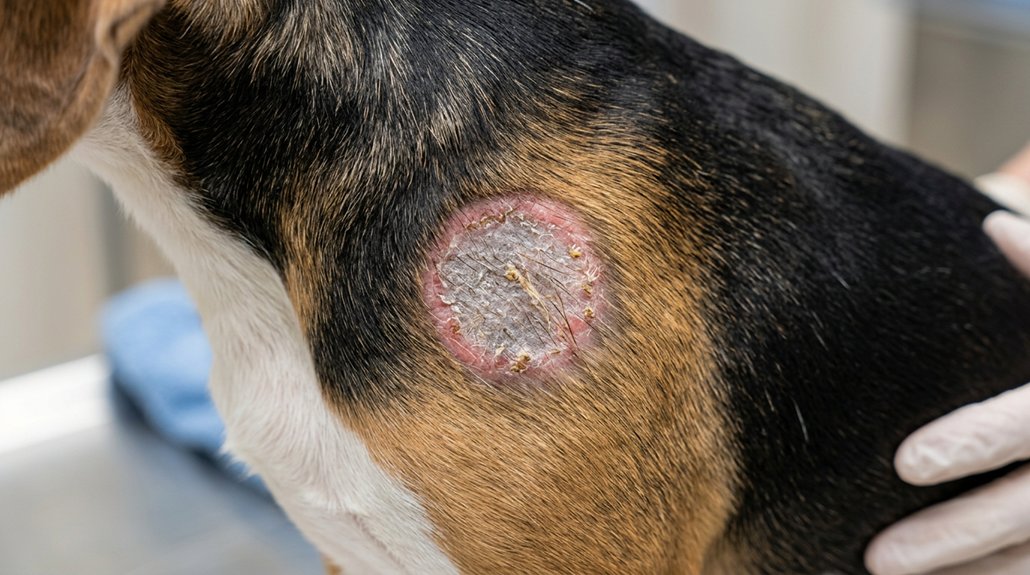
Just as yeast infections can cause discomfort in dogs, ringworm presents another challenge, particularly given its contagious nature. This fungal infection, caused by dermatophytes, manifests as circular, red lesions coupled with hair loss and scaly patches. Its highly contagious nature necessitates rigorous infection control due to easy fungal transmission between dogs and humans.
Accurate diagnosis requires a veterinary examination, often involving fungal cultures or skin scrapings. Effective treatment spans 6 to 8 weeks, using topical antifungals, oral medications, and medicated shampoos.
Preventative steps are essential:
- Maintain cleanliness in the dog’s environment
- Avoid contact with infected animals
- Regularly wash pet bedding
- Strengthen your dog’s immune system
- Utilize routine veterinary check-ups
Implement these measures to minimize ringworm risks in your home.
Tackling Dry Skin and Hair Loss in Dogs
Dry skin in dogs is a common issue, often triggered by environmental factors, poor nutrition, or allergies, manifesting as flakiness, itching, and redness. To combat this, integrating home remedies such as oatmeal baths can provide relief. Additionally, consider nutritional supplements with omega-3 fatty acids; they aid in retaining skin moisture and improving hair health. Alopecia, linked to infections or hormonal imbalances, necessitates professional diagnosis.
Regular grooming is vital; brush your dog to remove dander and employ vet-recommended moisturizing shampoos. Balancing the diet by selecting high-quality recipes and evaluating food allergies guarantees essential nutrients support the best skin and coat condition. Preventing dry skin and hair loss involves thorough care, emphasizing both internal nutrition and external hygiene.
Detecting Dog Skin Cancer Early
To effectively detect dog skin cancer early, it’s important to recognize symptoms like lumps, hair loss, and persistent sores that don’t heal, as these could be indicators of serious underlying issues. Regular monitoring of your dog’s skin for new masses or discolorations is essential, given that cancers such as mast cell tumors may mimic benign conditions. A veterinary examination, including potential biopsy, is vital for accurate diagnosis and understanding of appropriate treatment pathways.
Recognizing Early Symptoms
How can you tell if your dog might be developing skin cancer? Early detection is key, especially when skin changes signal potential problems. As a pet owner, you should be vigilant about any alterations in your dog’s skin. Pay close attention to:
- Non-healing wounds whether it’s a scab or lesion not improving over time.
- Hair loss around masses suggesting a possible malignancy.
- Changes in appearance of existing growths, such as size or shape.
- Lumps or bumps in varying colors like red, black, or brown, often inflamed.
- Persistent changes in texture or color, such as thickening or discoloration.
Consult your veterinarian promptly if you observe any of these symptoms. Regular veterinary check-ups can assist in diagnosing skin cancer early, preventing rapid progression.
Diagnostic Procedures Explained
Detecting skin cancer in dogs relies heavily on thorough diagnostic practices after recognizing early symptoms. Your veterinarian will conduct a detailed physical examination to identify unusual lumps, non-healing sores, or any notable skin changes. Biopsy techniques are essential; a small tissue sample is extracted and forwarded to a lab for analysis, confirming whether cancerous cells are present. Imaging methods, such as X-rays or ultrasounds, play a crucial role in determining the cancer’s spread beyond the skin. These advanced tools help assess the involvement of internal organs. Blood tests may also be suggested to evaluate overall health and reveal potential malignancy markers. Regular veterinary check-ups and dermatological evaluations are important in identifying and treating skin cancers promptly, improving outcomes considerably.
When It’s Time to Consult Your Vet
When your dog’s skin issues persist beyond a few days or worsen despite home remedies, it’s time to consult your veterinarian for a thorough evaluation. Persisting skin irritation can signal a more complex health issue requiring professional treatment options. Keep an eye out for:
Consult your veterinarian for persistent dog skin issues, as they may indicate a more complex health problem.
- Persistent scratching, leading to bald patches
- Redness and swelling, indicating possible inflammation
- Scabs or sores that don’t heal
- Lethargy or loss of appetite coupled with skin concerns
- Extreme symptoms like facial swelling or difficulty breathing
These conditions might necessitate urgent veterinary intervention to prevent complications such as severe allergic reactions or infections. A prompt and proper diagnosis by a vet will guarantee necessary treatment, helping mitigate risks and restoring your dog’s well-being efficiently.
Frequently Asked Questions
What Is the Best Treatment for Dogs With Skin Conditions?
You’d find the best treatment involves combining topical treatments with dietary adjustments. Medicated shampoos for cleansing, coupled with omega-rich diets, effectively address skin conditions by soothing inflammation and preventing further irritation or allergen buildup.
What Are Common Dog Skin Disease Signs?
Think of Fido as your loyal Victrola, but if they’re displaying skin redness and excessive itching, it’s time for a vet visit. Common signs include bald spots, hot spots, hair loss, or an unpleasant odor from the skin.
What Could Be Causing My Dog’s Skin Irritation?
Your dog’s skin irritation could stem from allergies, parasites, or infections. Guarantee allergies management through dietary changes and consider parasite control strategies like flea prevention. A vet can provide effective diagnosis for tailored treatments. Consider antifungal measures.
What Is the Most Common Skin Infection in Dogs?
The shifting sands of bacterial dermatitis form the most common skin infection in dogs, marked by redness and pustules. While standing as Pyoderma, it occasionally teams up with yeast infections to brew a complex, itchy storm.
Conclusion
In sum, keeping an eye on your dog’s skin health is akin to checking your email regularly—it’s essential for catching issues early. From allergic dermatitis to unwanted guests like parasites, understanding these problems lets you take swift action. If you’re facing bacterial infections or pesky ringworm, timely intervention is key. And don’t forget, detecting skin cancer early can make all the difference. Consult your vet when concerns arise for ideal care and peace of mind.