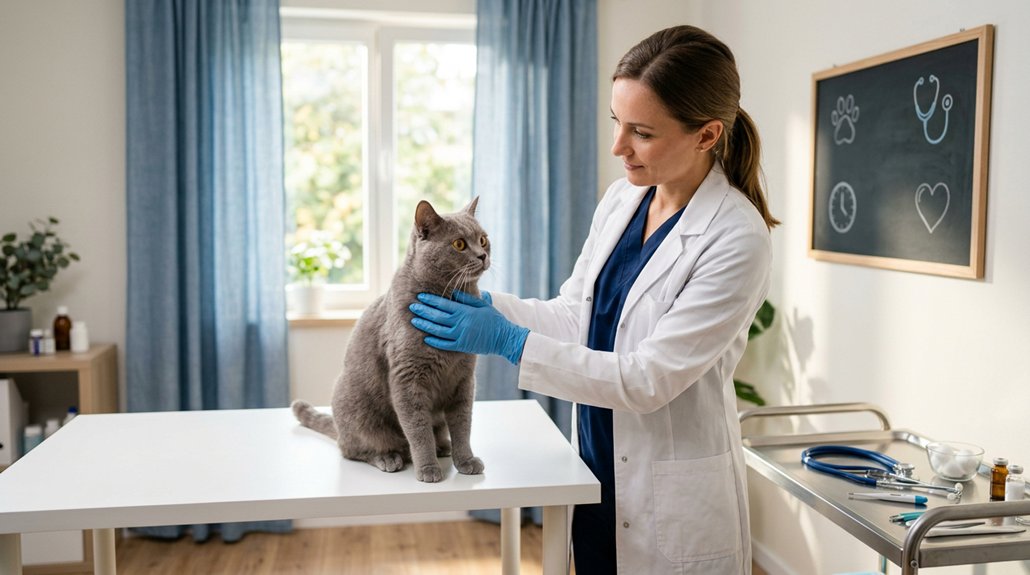
You should take your cat to the vet for regular checkups, typically annually or semi-annually, especially for older cats. Immediate visits are essential if you notice rapid breathing, persistent vomiting, blood in urine, or behavioral changes like altered eating or grooming habits. Cats hide illnesses well, so spotting early signs is vital. Bringing medical records and noting any symptoms or behavior changes can help prepare for the visit. More details follow on ensuring your cat’s health.
Key Takeaways
- Schedule annual or semi-annual vet visits for preventive healthcare and monitoring.
- Seek immediate care for rapid breathing, persistent vomiting, or blood in urine or stool.
- Visit the vet if experiencing sudden lethargy, unresponsiveness, or difficulty urinating.
- Weight fluctuations, either rapid loss or gain, require veterinary evaluation.
- Behavioral or grooming changes, such as altered eating habits, may signal health issues.
Why Routine Vet Visits Matter for Cats
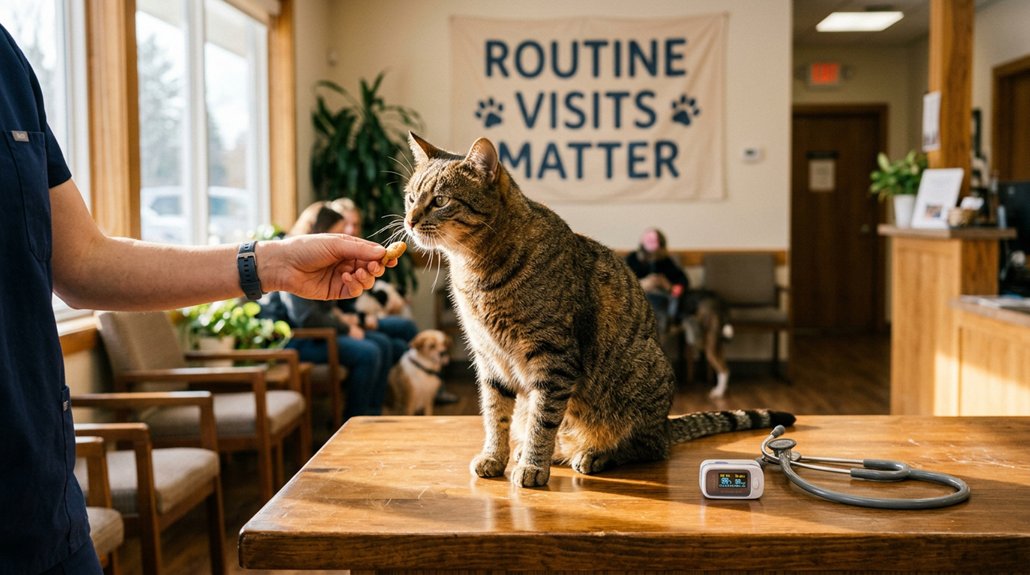
Many don’t realize the significance of routine veterinary visits for cats, yet they play an essential role in maintaining your feline friend’s health. Preventive healthcare through annual or biannual exams allows veterinarians to conduct tailored check ups focusing on key areas like weight, dental health, and vaccinations. It’s concerning that 40% of cats don’t receive this essential care annually, potentially leading to undetected health issues. Implementing a regular visit schedule guarantees these factors are monitored, providing opportunities for early intervention if needed. Additionally, these check ups facilitate important preventive measures such as vaccinations and parasite control—a strategy crucial for extending lifespan and improving quality of life. Adhering to individualized healthcare plans based on your cat’s unique lifestyle supports their optimal wellbeing.
Hidden Symptoms: Understanding How Cats Mask Illness
Why are cats often so adept at hiding their illnesses? Instinctively, cats conceal symptoms to protect themselves from predators. This makes health monitoring vital for revealing hidden ailments. Familiarity with your cat’s normal behavior is key; any behavioral changes, like altered eating, drinking, or litter box habits, might signal a problem. Cats’ stoic nature often conceals their discomfort, so don’t overlook subtle shifts such as decreased socialization or increased vocalization.
Regularly monitoring your cat’s weight is essential; unexplained weight loss can indicate serious conditions otherwise masked by typical behavior. Even minor grooming changes, like a dull coat or increased matting, warrant attention. By focusing on these details, you increase the chances of detecting health issues early, leading to prompt veterinary care.
Urgent Cat Health Signs to Watch
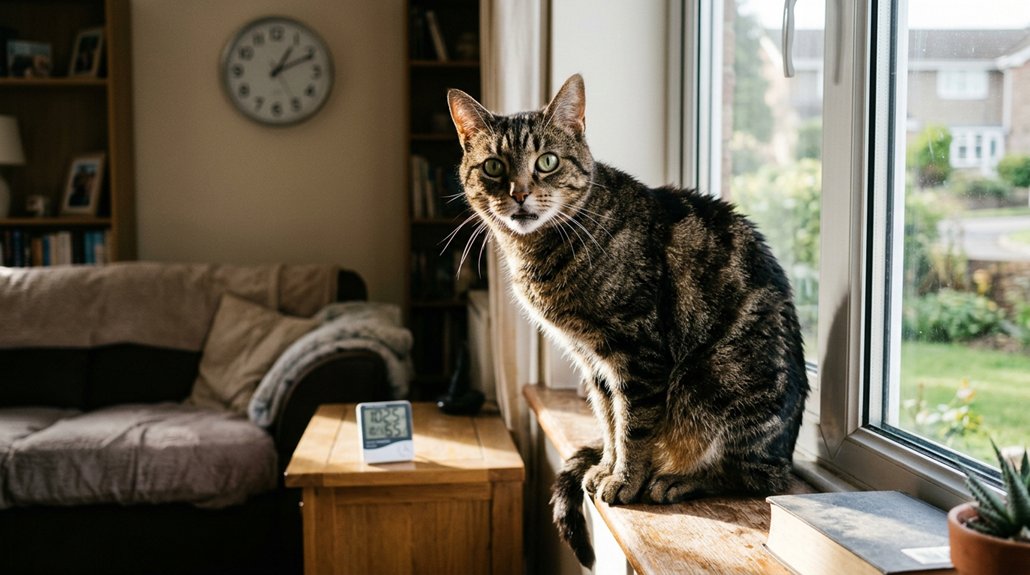
Even though cats possess a remarkable ability to hide their maladies, certain urgent health signs mustn’t be ignored. Urgent symptoms such as rapid breathing, persistent vomiting, or blood in urine or stool require immediate veterinary care. Sudden behavioral changes, like excessive lethargy or unresponsiveness, can signal serious health issues necessitating a vet visit. Difficulty urinating or straining in the litter box are critical indicators of urinary problems that need prompt medical evaluation.
Rapid weight loss or unexplained fluctuations may indicate conditions like diabetes or cancer and should be addressed swiftly. Finally, excessive thirst paired with increased urination suggests potential issues such as diabetes or kidney disease. Monitoring these symptoms guarantees timely intervention, safeguarding your cat’s well-being and health.
Getting Ready for the Vet: Your Cat Checklist
Recognizing urgent health signs in your cat is only the first step; guaranteeing you’re prepared for the vet visit is equally important. Effective veterinary preparation begins with gathering all available medical records, which provide your vet with essential background information. Create a detailed list of symptoms and recently observed behavior changes. This will aid the vet in accurately diagnosing your cat’s condition. Secure your cat in a reliable carrier to guarantee safe cat transportation and to prevent any escapes at the clinic. Also, be ready to discuss any recent medications or treatments received by your cat. Finally, prepare to talk about your cat’s diet, litter box habits, and any shifts in food or water intake for a thorough health assessment.
Keeping Cats Healthy: Preventative Care Tips
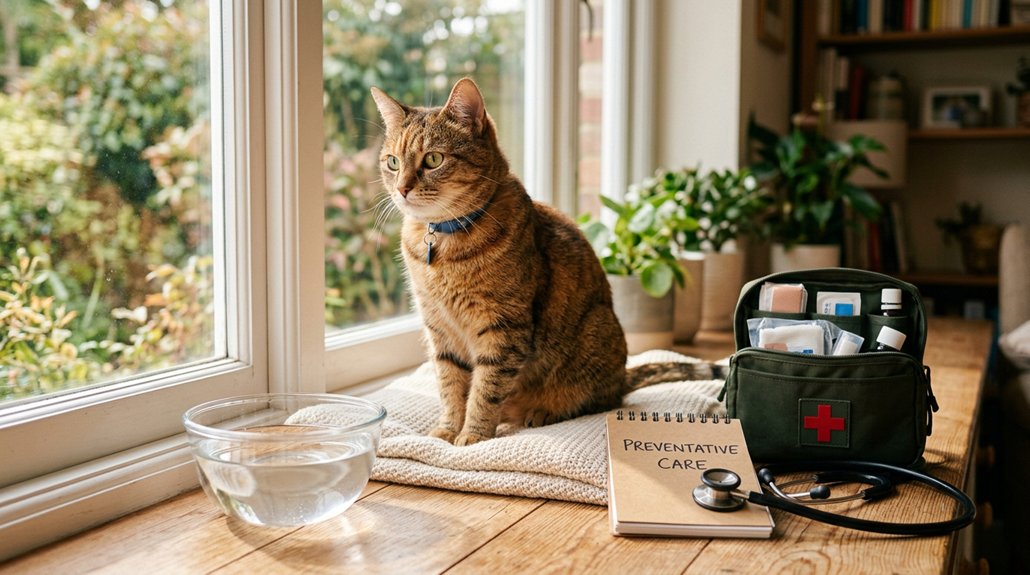
When it comes to keeping your feline companion healthy, preventative care plays an essential role. Ensuring your cat benefits from regular veterinary checkups is vital: annual appointments for most cats, and every six months for those aged 10 and older. You can’t underestimate the importance of maintaining vaccination schedules, particularly for core vaccines like Feline calicivirus and Feline leukemia. Equally, prioritize dental hygiene to ward off gum disease and other oral issues. Monitor your cat’s weight and dietary patterns during checkups to receive tailored nutritional advice. Keeping detailed records of observed symptoms or behavioral changes will assist veterinarians in crafting effective care plans.
- Annual and semi-annual vet visits
- Adhering to vaccination schedules
- Routine dental hygiene
- Weight and diet monitoring
- Logging symptoms and behavior changes
Frequently Asked Questions
How Do You Know if a Cat Needs to Go to the Vet?
You’ll know your cat needs to go to the vet if you observe signs of illness, like significant behavioral changes, uncharacteristic aggression, or lethargy. These symptoms could indicate underlying health issues that require professional medical attention.
What Is the 3-3-3 Rule for Cats?
The 3-3-3 rule juxtaposes time and patience in cat acclimation: three days to de-stress, three weeks for behavioral routines, and three months for full integration, ensuring your new feline friend adapts comfortably and positively to home life.
What Color Cat Is Least Desired?
Black cats are often the least desired due to prevailing cat color preferences and negative superstitions. Despite the absence of behavioral differences, feline appearance trends influence potential adopters, making black cats less popular compared to white, calico, or tortoiseshell cats.
How Much Does a UTI Cost at the Vet?
Imagine you’re perusing a penny-farthing down cobblestone streets, and suddenly, you realize your cat’s UTI expenses could range from $150 to $500. These urinary infection treatment costs include vet visit expenses and diagnostics.
Conclusion
Frequent vet visits are essential, even if your cat appears healthy. You might think, “My cat’s fine; why visit?” However, cats instinctively hide symptoms, so regular check-ups prevent minor issues from escalating. Vigilance for urgent health signs is non-negotiable. Before visits, have your checklist ready for a smooth experience. By prioritizing preventative care, you guarantee your feline companion’s health and longevity. Remember, investing in routine vet care today saves future distress and enhances quality of life.