
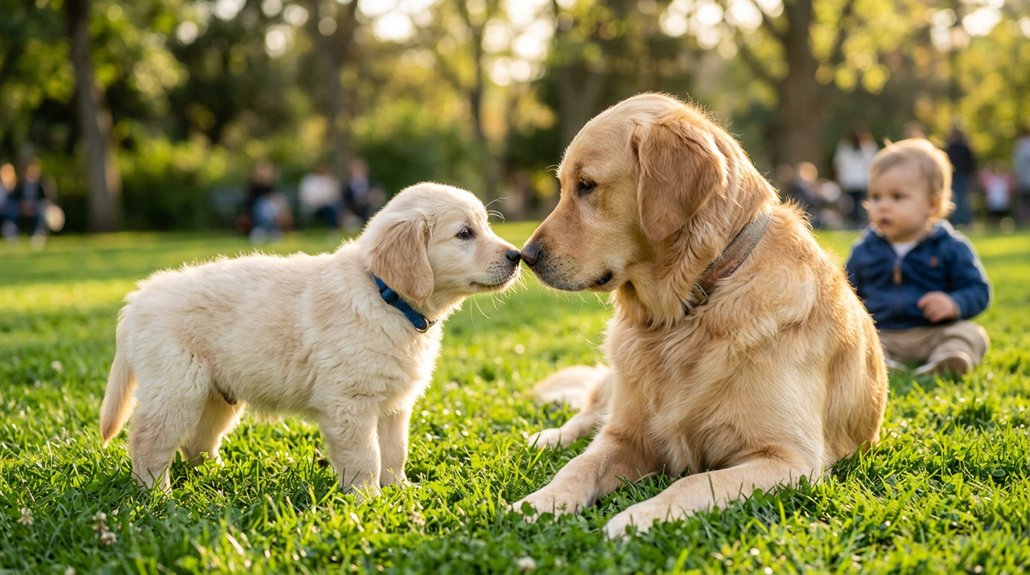
You should start socializing your puppy between 3 to 12 weeks, ideally beginning around 8 weeks when they settle into their new home. Introduce diverse, controlled experiences shortly after the initial vaccinations to foster adaptability and mitigate future behavioral issues. Engage them in brief, supervised interactions to prevent stress. Early exposure is essential; delaying may lead to anxiety and behavioral problems. If you explore further, you’ll discover best strategies and practices for puppy socialization.
Key Takeaways
- Begin socialization as soon as the puppy enters the new home, typically around 8 weeks old.
- Ideal socialization window is between 3 to 12 weeks, with consistent engagement through 16 weeks.
- Start after the initial set of vaccinations; consult a vet for specific timing recommendations.
- Engage in controlled, safe environments to minimize exposure to health risks while socializing.
- Monitor for stress signs during short, positive interactions to ensure a healthy socialization process.
Understanding the Importance of Puppy Socialization
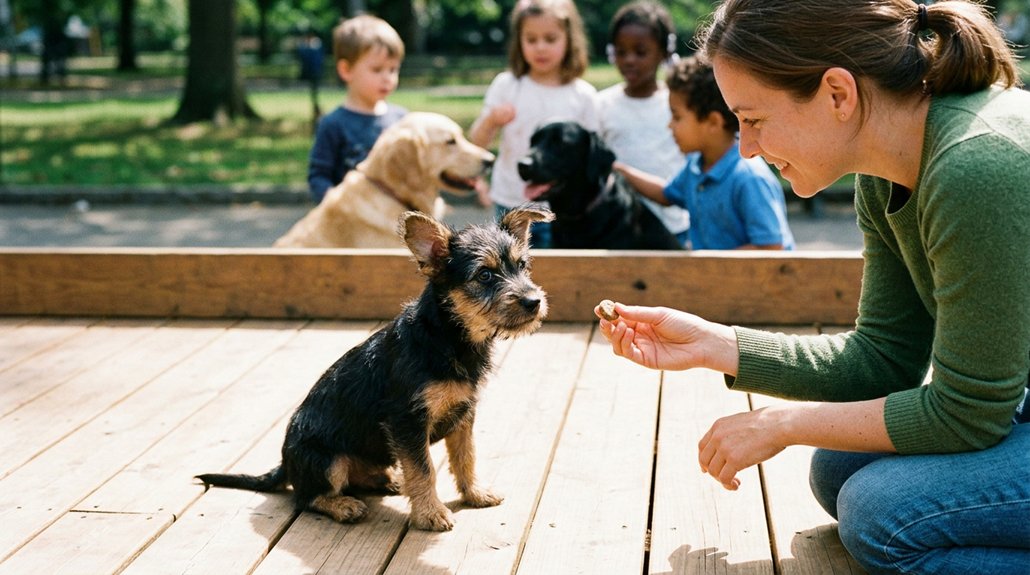
While it might seem early, understanding the importance of puppy socialization is crucial during the 3 to 16-week age window, as this is when puppies’ cognitive abilities and social receptiveness are at their peak. Engaging your puppy in diverse experiences is essential for mitigating future behavioral challenges, such as fear-based aggression and anxiety disorders. Playful interactions with humans, especially children, and other dogs are critical, as they decrease emotional issues in adulthood. Consistent positive reinforcement during these interactions fosters adaptability and strengthens your bond. According to AVSAB, early exposure to novel stimuli, even before complete vaccination, offers considerable long-term benefits when done safely. By introducing gradual socialization in controlled environments, you’re building a well-adjusted, confident canine companion.
Recognize the Optimal Socialization Age for Puppies
Having grasped why puppy socialization is crucial, it’s now important to pinpoint the ideal age for initiating this process. The perfect timing falls between 3 to 12 weeks, with early interactions profoundly shaping behavioral development. Initiate socialization as soon as the puppy enters its new home, typically around 8 weeks. According to the American Veterinary Society of Animal Behavior, you should begin these activities one week after the initial vaccination set. It’s essential to maintain consistent socialization efforts throughout this critical window, extending to at least 16 weeks for certain breeds. Clinically, failing to act within this period can result in heightened anxiety and behavioral pathologies. Consequently, timely exposure and interaction are crucial for a well-adjusted canine companion.
The Benefits and Risks of Early Socialization Without Full Vaccination
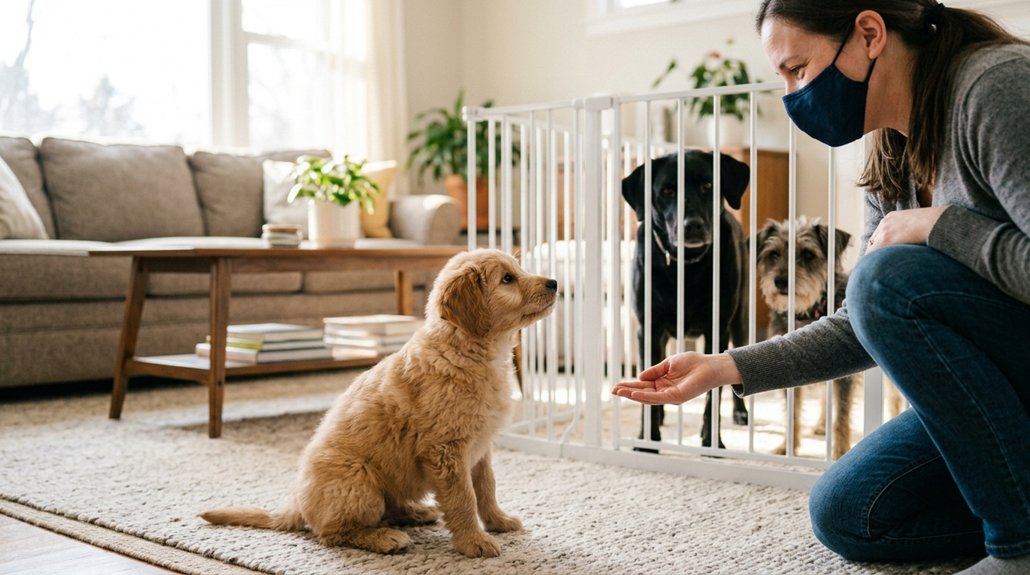
Starting socialization before a puppy completes its full vaccination schedule offers significant behavioral benefits that often outweigh potential health risks, when managed appropriately. Early exposure, beginning at 3 weeks, enhances adaptability, reducing anxiety and fear-based behaviors later. The American Veterinary Society of Animal Behavior endorses this, recommending socialization a week post-initial vaccination. They find that benefits of early positive experiences exceed risks, provided safe interactions are guaranteed. Avoid crowded, potentially hazardous areas, focusing instead on controlled environments where puppies can interact safely. Research affirms the pivotal nature of the socialization window, which is essential for imprinting positive social behaviors. A lack of early exposure may result in puppies exhibiting fear and anxiety in unfamiliar settings as adults.
Safe Socialization Practices to Protect Your Young Puppies From Health Risks
To safeguard your puppy’s health during socialization, avoid high-risk environments like dog parks until vaccinations are complete, typically by 17 weeks. Prioritize environments where you can closely monitor your puppy’s body language for signs of distress or discomfort, ensuring interactions remain positive. Additionally, consult with your veterinarian for a thorough health check and confirm your puppy’s vaccination status before attending any training classes or socialization events.
Avoid Risky Environments
Guaranteeing your puppy’s health during the essential socialization phase involves steering clear of risky environments. Puppy disease prevention requires caution, particularly during their formative weeks before full vaccination. Here’s how to safeguard against potential health threats:
- Delay Visits to Dog Parks: Wait until the initial vaccination series is complete, roughly around 17 weeks, to minimize exposure to infectious diseases.
- Avoid Crowded and Uncontrolled Areas: These places have a higher likelihood of unknown interactions with unvaccinated or ill dogs.
- Opt for Supervised Playgroups: Engage in structured settings with healthy, vaccinated puppies for safe playdates.
- Maintain Vaccination Vigilance: Keep meticulous records and confirm playdates are with dogs whose vaccination status is verified, facilitating a secure socialization journey.
These focused strategies will provide a foundation for sound, risk-aware puppy socialization.
Monitor Body Language
While maneuvering the socialization phase’s complexities, it’s imperative to prioritize your puppy’s health and safety through informed practices. Monitoring body language is essential. Pay close attention to puppy signals like cowering, tucked tails, or excessive panting, as these stress indicators can reflect distress or discomfort. A “Low and Slow, Short and Sweet” strategy guarantees gradual acclimation to new experiences, mitigating the risk of overwhelming stimuli. Limit direct contact with unfamiliar dogs until full vaccination protects against contagious diseases. Controlled interactions, preferably behind secure barriers, help observe and interpret stress responses. Gradual exposure techniques enhance socialization without compromising safety. Observational vigilance guarantees experiences remain pleasant, reinforcing your puppy’s confidence and promoting healthy interactional development.
Ensure Health Checks
Before starting socialization activities, it’s vital to prioritize your puppy’s health by ensuring they’ve received their initial vaccinations. Adhering to a vaccination schedule is important for puppy health, reducing disease transmission during interactions. Incorporate the following guidelines to adopt safe socialization practices:
- Vaccination Timing: The American Veterinary Society of Animal Behavior recommends commencing socialization one week post-initial vaccinations.
- Veterinary Health Check: Obtain a clinical evaluation from your veterinarian prior to joining puppy training classes to confirm your pet’s readiness.
- Avoid Public Areas: Refrain from visiting dog parks or crowded places until your puppy completes the vaccination schedule around 17 weeks.
- Controlled Playdates: Facilitate interactions with vaccinated, healthy dogs to bolster social skills while safeguarding against health risks.
These practices effectively balance safety and social exposure.
Introducing Puppies to Home Experiences
Introducing a puppy to home experiences is essential for their behavioral development and adaptability to domestic life. Early exposure to home noises like vacuum cleaners and doorbells helps mitigate anxiety. Conduct handling exercises—such as brushing, bathing, and nail trimming—to promote familiarity and calmness. To enhance tactile experiences, introduce them to varied textures like different flooring surfaces and fabrics. Provide a secure area for exploration and interaction with family members, ensuring positive reinforcement through treats and praise to instill confidence.
| Stimulus | Activity | Benefit |
|---|---|---|
| Home noises | Vacuuming | Reduces sound anxiety |
| Tactile textures | Walking on carpets | Builds sensory adaptability |
| Grooming tasks | Brushing | Eases future grooming sessions |
| Family interaction | Gentle touch | Strengthens social bonds |
| Safe exploration | Exploring rooms | Boosts curiosity and confidence |
Consistent practice fosters a resilient canine companion.
Socializing Puppies Outside Safely
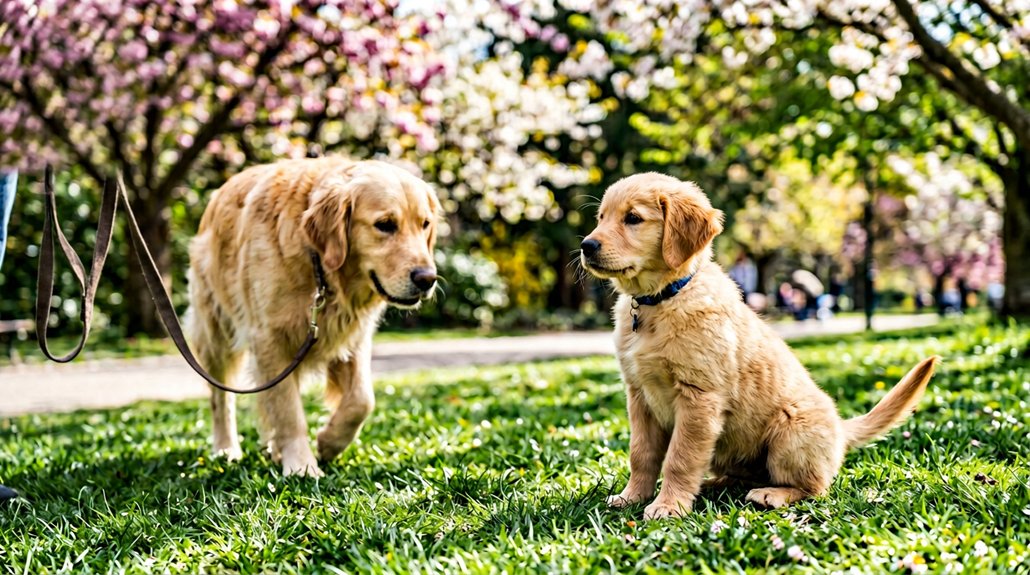
Once a puppy has received its first vaccinations and shows a clean bill of health from the veterinarian, typically at around 8 weeks of age, it’s safe to begin carefully controlled socialization outside. During these initial outdoor adventures, make sure environments minimize health risks and promote positive experiences. Gradual exposure is critical to prevent sensory overload.
Begin outdoor adventures post-vaccinations at 8 weeks, ensuring safe environments and gradual exposure for positive socialization.
To safely socialize your puppy outside, consider the following:
- Avoid high-risk areas, such as dog parks, until fully vaccinated (around 16 weeks).
- Choose controlled settings, like puppy classes or playdates with vaccinated dogs.
- Keep outings brief (10-15 minutes) and observe for signs of stress.
Employ positive reinforcement techniques to help your puppy form positive associations with new sights, sounds, and experiences. This evidence-based approach fosters confidence and adaptability.
Starting Socialization Classes and Dog Park Visits at the Right Age
With puppies now safely exploring outside environments under guidance, it’s time to contemplate more structured activities to support their development. Initiating puppy classes at approximately 9 weeks of age aligns with age guidelines, assuming the pup has undergone initial vaccinations and deworming. Prior to enrollment, a thorough health check by a veterinarian is paramount to safeguard the puppy’s health. While commencing socialization through structured classes is pivotal, dog park visits should be deferred until the puppy reaches at least 17 weeks. This delay minimizes exposure to potential disease vectors prevalent in such spaces. In these formative weeks, gradual and carefully monitored socialization is critical. Early, consistent engagement in structured environments facilitates the emergence of well-adjusted adult dogs.
Preventing Socialization Regression in Developing Puppies
To guarantee ideal social development, initiating socialization efforts within the first week of welcoming a new puppy home is crucial as this maximizes engagement during the critical period of 3 to 14 weeks. Consistent socialization prevents regression in social skills as your puppy matures. Implementing structured and evidence-based approaches is essential:
- Puppy Playdates: Facilitate interactions with properly vaccinated peers to encourage appropriate social behavior.
- Gradual Exposure: Introduce your puppy to various stimuli—people, sounds, and surfaces—to foster adaptability.
- Regular Socialization Activities: Engage in diverse experiences at least 2-3 times weekly to maintain confidence.
- Structured Classes: Post-vaccination classes provide controlled environments for social learning and behavioral reinforcement.
Extending these efforts past six months helps solidify beneficial behaviors, reducing risks of future anxiety or fear.
Crafting a Puppy Socialization Plan Tailored to Temperament
Crafting a temperament-specific socialization plan is essential to fostering well-adjusted puppy adults. Begin socialization early, at around 3 weeks, during the critical period for behavioral development. Tailor activities to your puppy’s temperament; timid puppies require systematic, gradual exposure to new stimuli. This can prevent overwhelming responses and promote confident adaptations. Meanwhile, outgoing puppies might benefit from dynamic, complex environments, which challenge their burgeoning social skills. Incorporate at-home socialization—like various household noises—and public excursions in low-risk, safe areas. Always monitor your puppy’s responses, adjusting stimulus levels based on comfort, and employ positive reinforcement to build resilience. Consult your veterinarian to align socialization activities with vaccination schedules, ensuring immunity safeguards are met while optimizing developmental stages.
Frequently Asked Questions
What Age Is Best to Socialize a Puppy?
You’re best to start socializing a puppy during the critical period, from 3 to 12 weeks. Employ evidence-based socialization techniques, ensuring exposure to diverse stimuli, to promote well-adjusted behavior and reduce future fear and anxiety.
What Is the 7 7 7 Rule for Puppies?
The 7-7-7 Rule advises exposing puppies to seven new sights, sounds, and textures within their first week at a new home. This controlled exposure fosters adaptability and reduces future anxiety, promoting confident, well-rounded socialization in diverse environments.
What Is the 3-3-3 Rule for Puppies?
Think of the 3-3-3 rule as the golden key to opening up your puppy’s adjustment: three days for stress relief, three weeks for routine building, and three months for critical socialization, ensuring lifelong positive experiences and development.
What Is a Red Flag Behavior in Puppies?
A red flag behavior in puppies includes fearful reactions or aggressive tendencies towards unfamiliar stimuli. Excessive barking, withdrawal behavior, and an overdependence on owner attachment may indicate underlying issues requiring structured socialization to prevent long-term behavioral problems.
Conclusion
As you commence your puppy’s socialization journey, balance is key. You’ll weigh the proven benefits of early interaction against potential health risks. By adopting safe practices, you’ll shield your puppy from diseases while enriching their behavioral repertoire. Home introductions set the groundwork, and carefully chosen external ventures fortify that foundation. Tailoring your approach to your puppy’s unique temperament guarantees progress. Remember, fostering adaptability now prevents regression later, crafting a well-rounded canine companion grounded in resilience and sociability.